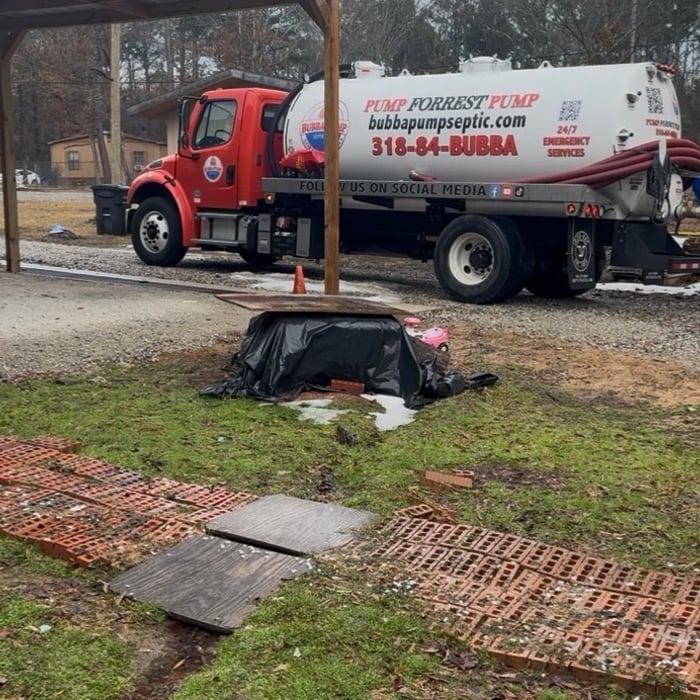
"Bubba Pump Septic Company is hands-down the best in the business. From the moment they arrived, it was clear I was dealing with true professionals who take pride in their work. They were prompt, knowledgeable, and incredibly thorough—explaining everything in a way that made the whole process easy to understand.
What really stood out was their honesty and attention to detail. They didn’t try to upsell anything unnecessary, and they treated my property with respect, leaving everything cleaner than they found it. You can tell they genuinely care about their customers and the quality of their service.
If you want a septic company you can trust, one that shows up on time, does the job right, and treats you like family, Bubba Pump is the one to call. Exceptional"
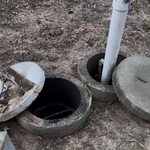
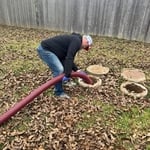
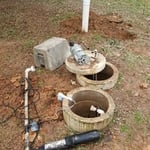
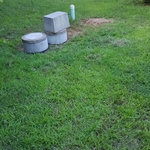
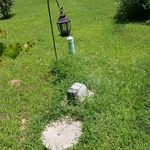
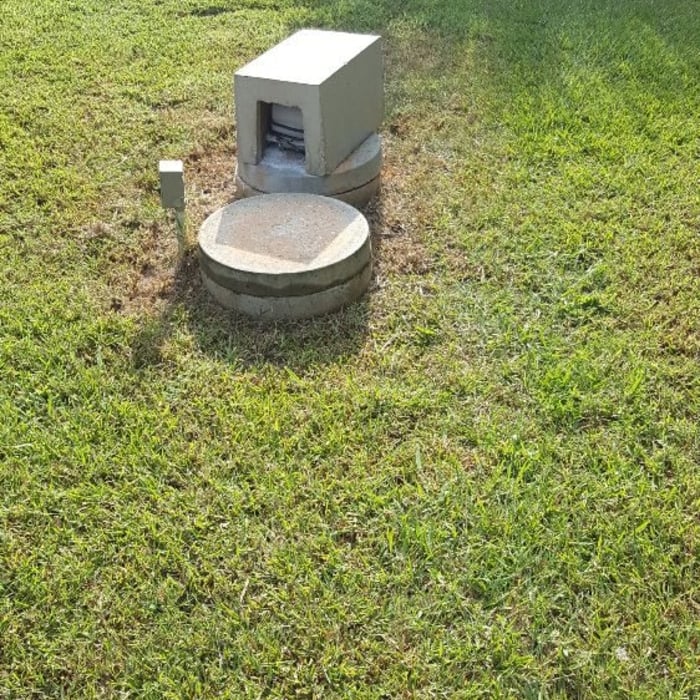
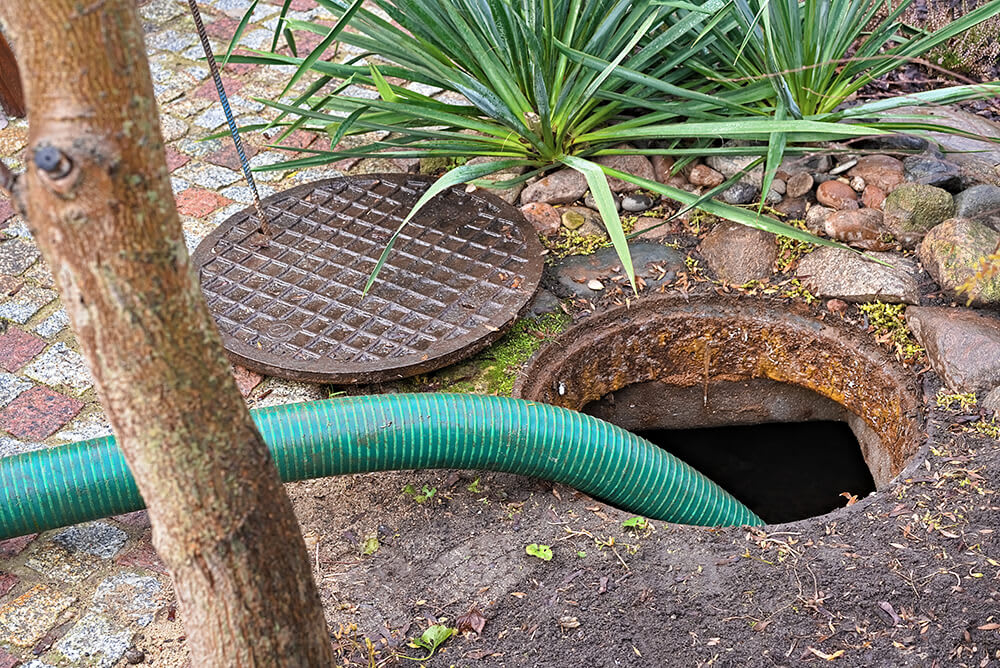
"They repaired my septic system and did it right.My tank was hard to locate and they had to dig down a long way to get to it. I had broken main lines going to tank and they replaced them and created an access pipe so next time it is pumped it will be a breeze. I recomend them highly. Very nice gentlemen."
"He was able to quickly diagnose that the water leak from the water heater was a result of a ruptured tank, resulting in the need to replace the entire water heater."
"I just pay $75 you never know who's going to come out. They do everything electrical. Just about everything is covered except the septic tank. I had an air conditioner replaced. It went great, all I had to do was pay for the freon. He didn't charge e more than what was needed."
A septic system's lifespan typically ranges from 15 to 40 years, with a common average of 20 to 30 years. The longevity heavily depends on the tank's material, maintenance diligence, and usage habits. With proper care, lifespans can reach the upper end of this range.
Lifespan by Tank Material:
Concrete: 20 to 40 years
Plastic or Fiberglass: 30 to 40 years
Steel: 15 to 20 years
To maximize your system's lifespan, follow these maintenance best practices:
Regular Pumping and Inspections: Have the tank pumped every three to five years and schedule professional inspections regularly.
Mindful Usage: Only flush human waste and toilet paper. Avoid putting items like cat litter, paper towels, cigarette butts, fats, grease, oils, or coffee grounds down your drains.
Avoid Chemicals: Do not pour harsh chemicals into the system.
Water Conservation: Reduce the amount of wastewater your system has to process.
Protect the Drain Field: Avoid driving or building heavy structures over the drain field area.
There are a couple of ways you can determine the depth of your well. One method is to use a device called a well sounder. This tool has a long measuring tape containing a sensor to alert you once the end reaches the water.
Or you can DIY it by using a long tape measure with a half-filled bottle of water attached to it. Lower the tape measure into your well. Once you feel tension on the tape, you’ll know the bottle has reached your static water level. This will give you an approximate idea of your well’s depth.
All municipalities in the U.S. require a permit for septic tank installation or septic system alteration, and the permit will usually cost between $450 and $2,500. Some municipalities also require permits for septic system repair. You’ll either need to contact your local building department or your septic tank company to ask if this is necessary before carrying out the work. Permits are not typically required to have your septic tank pumped, so provided your septic company is licensed, you can move forward with the work as needed.
While mound septic systems can provide cost-effective wastewater treatment in many instances, they do come at a significant initial installation cost and require a lot of space on your property for the mound and its replacement field. The installation cost is so high because this is a project that requires an exceptional level of skills and expertise to execute properly.
Most shallow residential wells are somewhere between 25 and 50 feet deep. They are among the simplest well systems. Deeper wells usually involve drilling to a much greater depth. Water wells for household use are typically 100 to 500 feet deep, depending on local groundwater conditions. Some may be up to 1,000 feet deep or more.
The Cullen, LA homeowners’ guide to septic tank services
From average costs to expert advice, get all the answers you need to get your job done.
Caring for your septic system is crucial to ensuring its long life. But how much does it cost to pump a septic tank? We explore the different cost factors.
A damaged septic system can leak odors and sewage, so repairs are urgent. Find out how much septic tank repair costs based on repair type, tank size, and more.
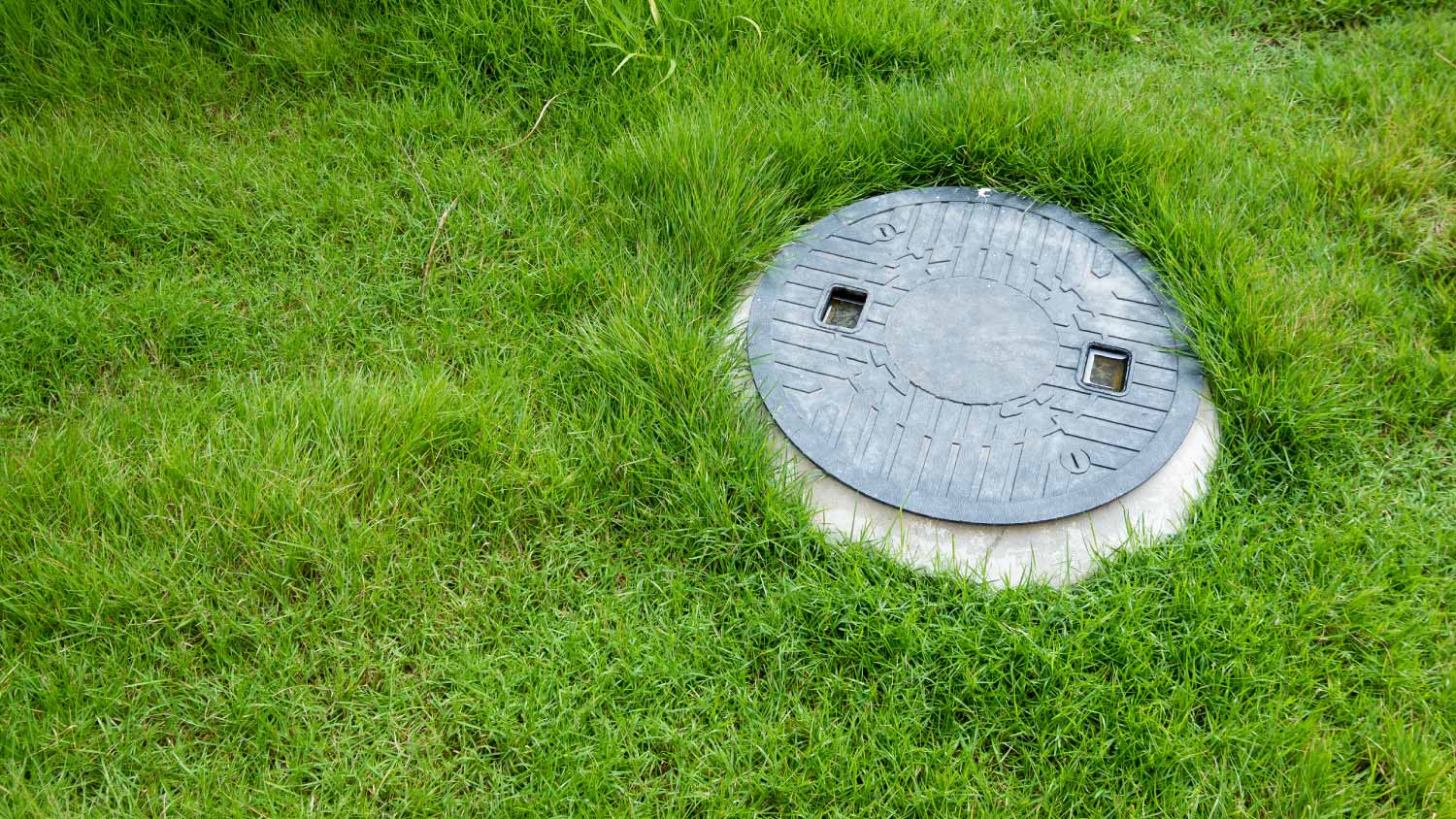
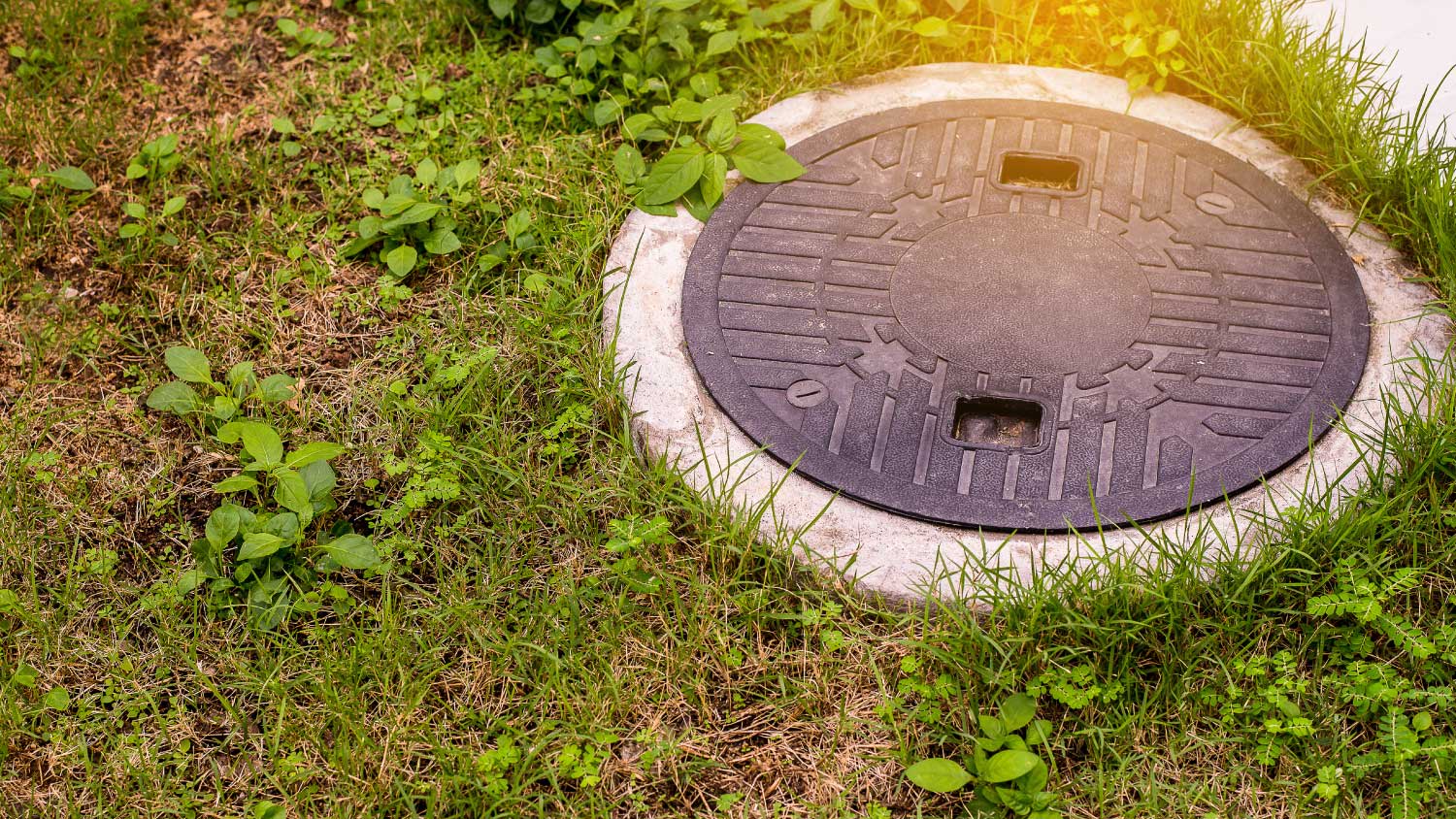
Septic tank risers make it easy to access your septic tank when it’s time for routine inspection, maintenance, and pumping, saving you precious time and labor costs.
Septic tank sizes vary depending on the size of your home, how many people live there, how much water you use, and more. Read on to learn how to determine the right size for you.