



Top-rated drywall pros.

Get matched with top drywall pros in Lincoln, AR

Enter your zip and get matched with up to 5 pros

Need a pro for your drywall service project in Lincoln, AR?

Select your specific project to find the pro for you.

TRUSTED BY LINCOLN, AR HOMEOWNERS

  • Average homeowner rating star icon5
    Average homeowner rating
  • Verified reviews icon11
    Verified drywall services reviews

Find Drywall pros in Lincoln

Avatar for Araujo's Painting
Araujo's Painting
4.9(
20
)
Drywall - Repair

Serving Lincoln, AR and surrounding areas

Approved

In business since 2020

Free estimates

Small jobs welcome

"Very responsive, nice and quick to bid and finish the drywall repair job from hanging the drywall to finishing the texture. Professional and positive attitude and quality of work is good."
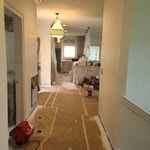
Araujo's Painting
Araujo's Painting
Araujo's Painting
Araujo's Painting
Araujo's Painting

+10

Response time1 day
2 neighbors recently requested a quote
Recommended by82%of homeowners
Avatar for NHV Drywall & Paint Services
NHV Drywall & Paint Services
5.0(
7
)
Drywall - Repair

Serving Lincoln, AR and surrounding areas

Approved

In business since 2015

Free estimates

Warranties offered

"Neftali & his team were extremely professional, timely, and overall great to work with. I had a medium sized bathroom dry walled, some old bad mudding seems repaired, as well as had a few holes patched in my laundry room. Understanding my job wasn't the biggest job on his docket, it still got done on time, under 2 days. I'm very pleased how everything turned out and pleased with his rates - they were very reasonable. I'd highly recommend NHV & his team - they were very professional and easy to work with"
Interior paint
Interior paint
Interior paint
Interior paint
Interior paint

+8

1 neighbors recently requested a quote
Recommended by42%of homeowners
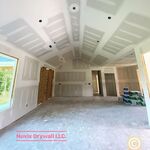
Avatar for True Built Construction
True Built Construction
New to Angi
Drywall - Repair

Serving Lincoln, AR and surrounding areas

Approved

In business since 2022

Free estimates

Credit card accepted

We’re a locally owned and operated company that values honesty and integrity and treats your home as if it were our own. We offer a variety of General Contractor Home Improvement services that are customizable to each individual project. We specialize in Additions and Kitchen Remodels, but also offer a wide range of expertise for a variety of other projects. We pride ourselves on the quality of our work as well as our commitment to outstanding results. We look forward to building lasting relationships and guarantee your satisfaction!

Response time6 hrs
...
Showing 1-10 of 153
Drywall questions, answered by experts

A utility knife is sharp enough to score the drywall and it may work in a pinch for outlet box holes. However, one of the best tools for drywall when you need to make exact cuts for an outlet box quickly is a drywall saw. This handheld tool has a longer blade than a utility knife, so it penetrates the thickness of the drywall easily. The design of its handle and the teeth in its blade make it easier to control while cutting quicker than you can with a utility knife.

The easiest way to remove texture from walls is the soak-and-scrape method. You’ll need to spray a section of the wall with water and let the water soak in and soften the texture. Then, you need to scrape the texture off using a drywall taping knife. This method works best with unpainted walls since paint prevents water from saturating the textured joint compound.

You should stagger drywall sheets to help prevent cracking. The joints between drywall sheets are the weak spots, so if you install drywall with seams aligned, you’ll create weak lines that run across the length of the wall and extend from floor to ceiling. But when you stagger drywall, the solid sections of panels will support the joints. This can prevent seams from cracking or separating due to fluctuating temperature and humidity, vibrations from movement inside the home, and gravity.

Although they have similar applications, spackle and joint compound are not the same. Their primary differences lie in their composition, consistency, and ideal use cases.

Spackle is composed of gypsum and binding agents, making it thicker than joint compound. It dries quickly and is easy to sand, which makes it ideal for small wall repair projects like filling nail holes or patching minor damage.

Joint compound, also known as drywall mud, consists of limestone and gypsum. It is primarily used for large-scale projects, such as taping and finishing the seams on newly installed drywall. It tends to shrink more than spackle and can be more difficult to spread.

While both products can be used to fill small depressions and cracks, spackle cannot replace joint compound for taping and mudding new drywall. Conversely, you can often use joint compound for small patching jobs typically done with spackle.

A common cause of separation between a wall and the ceiling is truss lift—this can happen to the ceiling of rooms directly under the attic when the seasons change and wood building materials dry out, shrink, and shift. Roof trusses often dry out at different speeds, and if the bottom pieces dry out faster than the top pieces, they can shrink and pull the attached drywall away from ceilings and walls, causing cracks. Fortunately, truss lift is only a cosmetic problem, not a structural problem, and you can fix it by separating the ceiling drywall from the roof trusses, and patching the cracks.

The Lincoln, AR homeowners’ guide to drywall services

From average costs to expert advice, get all the answers you need to get your job done.