

Top-rated drywall pros.

Get matched with top drywall pros in Kansas, OK

Enter your zip and get matched with up to 5 pros

Need a pro for your drywall service project in Kansas, OK?

Select your specific project to find the pro for you.

Find Drywall pros in Kansas

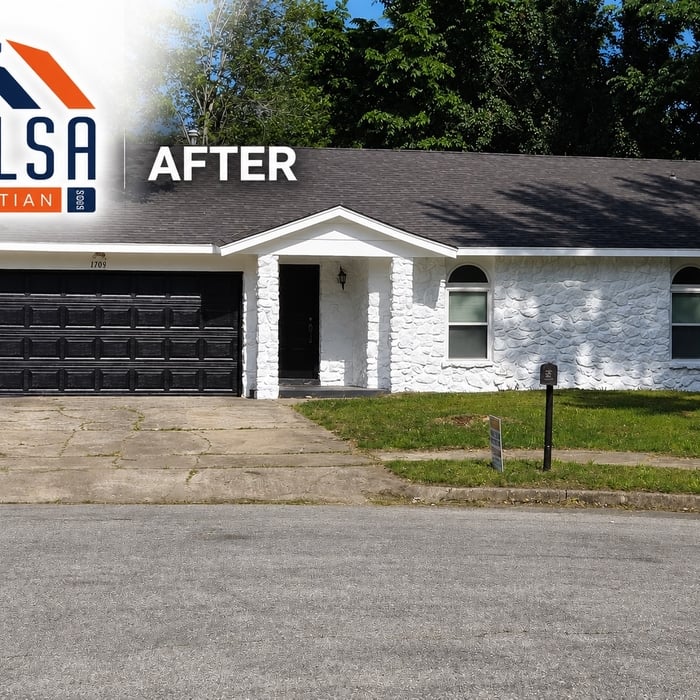
Avatar for TULSA CHRISTIAN BROS PAINTING, LLC
TULSA CHRISTIAN BROS PAINTING, LLC
4.0(
41
)
Drywall - RepairDrywall - InstallDrywall - Install - For Business+1 more

Serving Kansas, OK and surrounding areas

Approved

In business since 2008

Free estimates

Emergency services offered

"Some communication issues caused the project to take longer than expected after multiple no-show days, but once they got going everything proceeded well. Very pleased with the end product and would definitely consider them first for our next paint project."
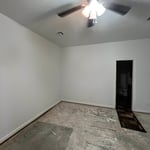
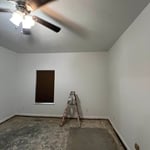
Project Photos
Project Photos
Project Photos
Project Photos
Project Photos

+11

106 neighbors recently requested a quote
Recommended by82%of homeowners
...
Showing 1-10 of 99
Drywall questions, answered by experts

There is no way to cut drywall without making dust, but you can reduce the amount of dust and especially the dangerous airborne particles by using manual cutting tools. Using a utility knife to score and snap your drywall will minimize dust production, and a jab saw for cutting cutouts for boxes and fixtures will generate almost no airborne dust. Even if you use these methods, you should still wear a respirator and safety goggles to avoid damage to your lungs and eyes.

Whether you need a drywall anchor depends on the specifics of your project, particularly what you're hanging and where. You do not need a drywall anchor if you can screw or nail the object directly into a wooden stud, as the wood provides sufficient support and stability. However, if there are no studs in the location where you plan to hang the item, you should use drywall anchors to ensure it is securely supported. For very lightweight objects, like small pictures, adhesive picture hanging strips can be a suitable alternative to anchors.

The two most common drywall thicknesses for ceilings are 1/2-inch and 5/8-inch. For most standard residential applications, 1/2-inch drywall is sufficient and widely used. It provides adequate support and is lighter and easier to handle during installation compared to thicker sheets. However, 5/8-inch drywall is often used for specific cases where additional benefits are needed. It is heavier but provides superior sound dampening and fire resistance. You should consider using 5/8-inch drywall for ceilings in commercial buildings, between a garage and a living space, or above a finished basement to meet building codes or for enhanced soundproofing.

The tool you use to sand plaster will depend on the size of the project. If you’re just working on a small section of your wall to get rid of an uneven spot on the surface, hand-sanding might work. However, for larger projects, a drywall sander can make a huge difference when it comes to both time and elbow grease—and an orbital sander can help for detailed areas such as around ceiling fans.

Brick and stucco are a lot more different. You must use picture hanging clips designed for brick walls, or use a plaster rail system with adjustable hooks. Any other type of hanging hardware will cause damage to the bricks behind. You won’t be able to really use nails, either, because they’re not strong enough to go into the bricks.

The Kansas, OK homeowners’ guide to drywall services

From average costs to expert advice, get all the answers you need to get your job done.