


Top-rated energy efficiency auditors.

Best energy efficiency auditors near Harrison, AR

Enter your zip and get matched with up to 5 pros

Need a pro for your energy efficiency auditing project in Harrison, AR?

Select your specific project to find the pro for you.

Top-Rated Energy efficiency auditors in Harrison - Updated Nov 2026

Avatar for ADT Solar
ADT Solar
4.4(
111
)
Energy Audit - For BusinessHome Energy Audit

Serving Harrison, AR and surrounding areas

In business since 2008

Free estimates

Warranties offered

"Rep. checked entire system. He found several wires not connected properly and fixed this. He also made recommendations regarding the attachment of the panels to the rood that would provide more stability and leakproofing. The representative appeared to know what he was doing - much better than others, including the representative who was engaged by the roofer (who replaced our rood due to hail damage) to disconnect/connect the panels."
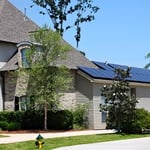
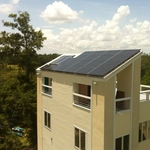
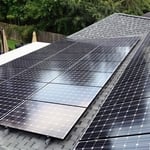
11 kW PV Installation
5 kW PV Installation
9.5 kW PV Installation
Recommended by89%of homeowners

Avatar for Natural State Contracting Group, Inc.
Natural State Contracting Group, Inc.
New to Angi
Home Energy Audit

Serving Harrison, AR and surrounding areas

In business since 2003

We are a locally owned company providing quality service to homebuilders and homeowners in Northwest Arkansas. We pride ourselves on professional and neat installations with only qualified installers performing your work. We strive to meet the specific needs of each homeowner or builder by discussing your home's individual requirements prior to installation. Our work is never finished until you are completely satisfied and happy. \n \nWhether you need new construction installation, remodel or just adding extra insulation for comfort and energy efficiency, you can count on Don Foster's Insulation. Please call us today; we are looking forward to serving you.

Energy Efficiency Auditing FAQs, answered by experts

String lights require electricity, but not an excessive amount, especially when compared to other lighting fixtures. LED rope lights, for instance, consume around one watt per foot. Running six or seven light strings simultaneously should only cost you around $10 to $15 each month. You can save even more money by remembering to turn off your lights during daylight hours. 

Dehumidifiers typically use 300 to 700 watts of electricity per hour, whereas portable dehumidifiers use about 40 watts per hour. The exact amount of electricity your dehumidifier will generate depends on its capacity and energy efficiency. Generally, higher-capacity dehumidifiers generate more electricity than lower-capacity units, but they also usually have better energy efficiency over the long run.

Setting your AC unit to 78 degrees can, indeed, help you save energy. In fact, according to experts, every degree you turn the unit up could save you between 1% and 3% on your energy bills. That said, turning your unit off entirely while you’re out might actually be less efficient than keeping it on at a higher temperature. Why? The unit will need to work extra hard to cool the house back off again after all those hot hours. 

You can save money on heating oil through a combination of improving home efficiency and smart purchasing strategies.

Home Efficiency and Usage:

  • Improve Insulation: Ensure your home, especially the basement and attic, is well-insulated and sealed against drafts to prevent heat leakage.

  • Manage Your Thermostat: Use a properly calibrated and programmable thermostat. Lower the temperature by a few degrees, particularly when you are away from home or asleep.

Purchasing Strategies:

  • Buy in the Off-Season: Order heating oil during the summer months when prices are generally at their lowest. This strategy is most effective if you have a large primary tank or a separate storage tank to accommodate bulk deliveries.

  • Consider a Delivery Contract: Some companies offer contracts with a set price for the term. This can lead to savings if market prices for oil increase, but you might pay more if prices drop.

A small sump pump running infrequently uses an average of 10 kilowatt-hours (kWh) of electricity per month. The average cost for electricity is $0.171 per kWh. The size and use frequency affect how much electricity it uses. Sump pumps average one-third to one horsepower (hp) motors. One hp is equal to 745.7 watts. Watts multiplied by the time your pump is running divided by 1,000 equals your average kWh. Multiply kWh by your average cost of electricity. In areas with high rain or a marsh basin, the average cost can be as high as $15-$25 a month.

The Harrison, AR homeowners’ guide to energy efficiency auditing services

From average costs to expert advice, get all the answers you need to get your job done.