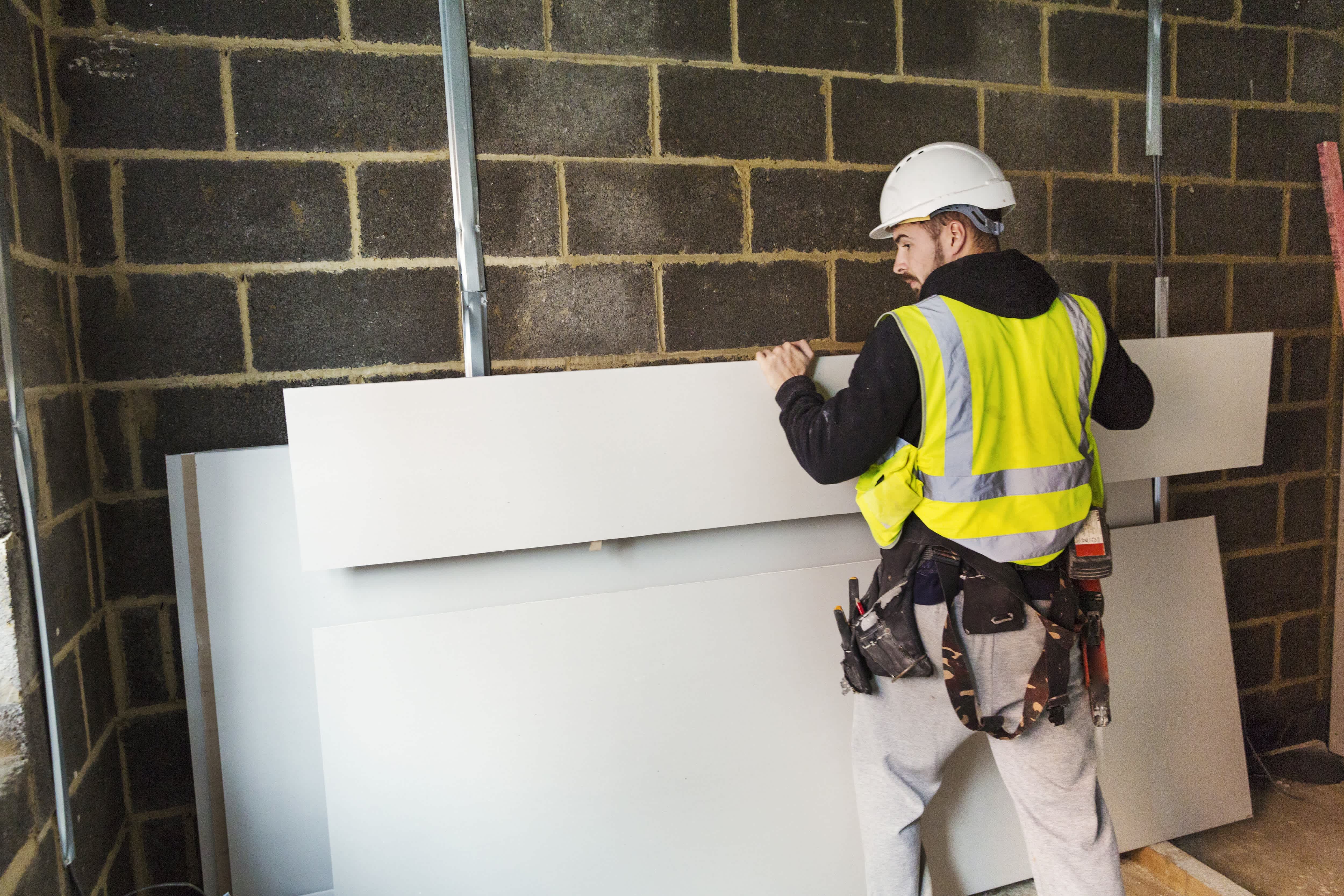
Top-rated drywall pros.

Best drywall pros near Berryville, AR

Enter your zip and get matched with up to 5 pros

Need a pro for your drywall service project in Berryville, AR?

Select your specific project to find the pro for you.

Top-Rated Drywall pros in Berryville - Updated Nov 2026

Avatar for PatchMaster
PatchMaster
4.8(
15
)
Drywall - RepairDrywall - Repair - For Business

Serving Berryville, AR and surrounding areas

Approved

In business since 2024

Free estimates

Small jobs welcome

"I got myself in over my head on a DIY project and PatchMaster saved my laundry room. Not only were they able to fix my failed attempt at drywalling, they got it done in under a week at an extremely reasonable price! Would recommend any time for incredible results, professionalism, and price!"
My jobs
My jobs
My jobs
My jobs
My jobs

+3

Response time6 hrs
26 neighbors recently requested a quote
Avatar for Hudson Custom Painting
Hudson Custom Painting
5.0(
6
)
Drywall - InstallDrywall - Install - For BusinessDrywall - Repair+1 more

Serving Berryville, AR and surrounding areas

In business since 1999

Free estimates

Credit card accepted

"Hudson painting is a true professional. Nathan is a veteran who learned his craft working for his father as a young man. After his return from serving his country he picked up his craft once again. A job well done from start to finish. You can count on his word and starting a job on time thru completion. Five Star Job"
Painting - Exterior Project
Painting - Interior Project
Additional Photos
Additional Photos

+61

Recommended by100%of homeowners
...
Showing 1-10 of 70
Drywall FAQs, answered by experts

Both plaster and drywall are durable wall finishes, but they differ significantly in installation, cost, performance, and aesthetics.

Installation & Cost: Drywall installation is faster and more affordable, typically costing $1.50 to $3 per square foot. It uses premade sheets, making it a more accessible DIY project. Plastering is a labor-intensive craft that requires specialized skills, pushing costs to $2 to $10 per square foot. It involves applying a wet paste over a lath framework.

Durability & Performance: Plaster is generally more durable, longer-lasting, and provides superior soundproofing. It is also a better insulator, which can help reduce energy costs. Drywall is easier to remove for future renovations.

Aesthetics: Drywall provides a smooth, uniform surface ready for paint or texture. Plaster offers a high-end, naturally textured look that can hide imperfections and is often preferred for achieving a classic or historic aesthetic.

Which is better? The choice depends on your priorities. Drywall is ideal for those prioritizing a lower upfront cost, faster installation, and DIY potential. Plaster is the better option for a higher-end project where durability, soundproofing, and a unique, premium finish are more important than the initial cost.

Whether you need drywall anchors depends on your specific project, particularly where you are hanging an item. Drywall anchors are not necessary if you can drive a screw directly into a wooden stud behind the wall, as the stud provides sufficient support. However, since studs are not present everywhere in a wall, you will need to use drywall anchors if you are hanging an object in a location without a stud. For very lightweight items, picture hanging strips can also be a suitable alternative.

Drywall tape is made of paper, while drywall mesh is made of fiberglass or metal. Drywall mesh patches are suitable for repairing small holes in drywall, while paper drywall tape holds a crease better for corners. You need joint compound to adhere drywall tape to the wall, while mesh patches may be self-adhesive.

A common cause of separation between a wall and the ceiling is truss lift—this can happen to the ceiling of rooms directly under the attic when the seasons change and wood building materials dry out, shrink, and shift. Roof trusses often dry out at different speeds, and if the bottom pieces dry out faster than the top pieces, they can shrink and pull the attached drywall away from ceilings and walls, causing cracks. Fortunately, truss lift is only a cosmetic problem, not a structural problem, and you can fix it by separating the ceiling drywall from the roof trusses, and patching the cracks.

Furring strips, thin strips of wood or metal, are not always required for ceiling drywall installation. If the ceiling surface is even and in good condition, drywall can be directly attached to the ceiling joists using screws. However, furring strips become essential when dealing with irregular surfaces or when additional insulation or soundproofing is needed. They create a level substrate for attaching the drywall. Ultimately, the decision to use furring strips depends on the condition of the existing ceiling and the specific requirements of the project.

The Berryville, AR homeowners’ guide to drywall services

From average costs to expert advice, get all the answers you need to get your job done.