It is safe to flush small amounts of bleach down the toilet. Don’t flush more than ¼ cup of bleach. Instead, consider diluting it and pouring it down the sink drain.
Main sewer lines can clog for several reasons. For example, if you regularly dump oil or grease down your drain, it could eventually block your line. Sometimes, tree roots can penetrate and grow inside old sewer pipes, creating a major blockage. Flushing bulky items (like paper towels, diapers, or baby wipes) can also clog your plumbing system.
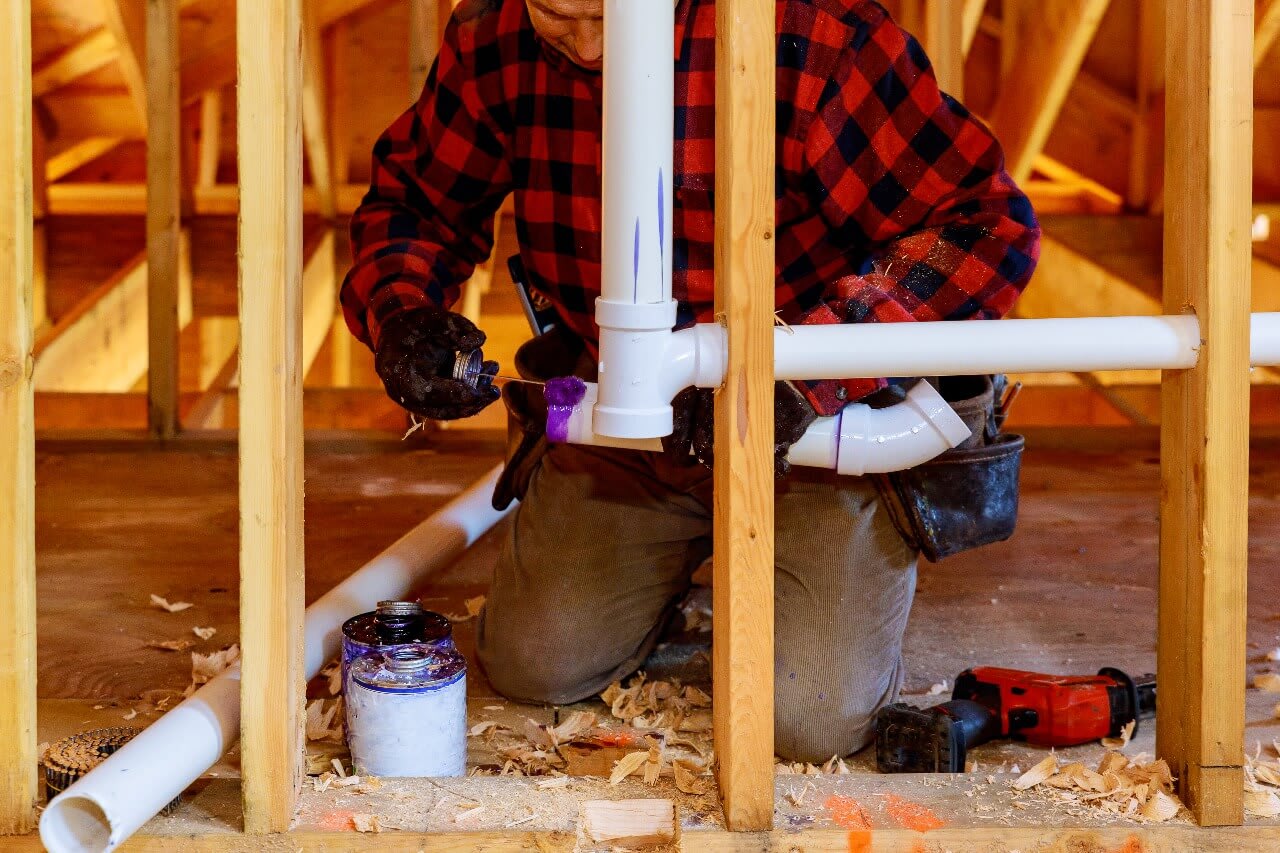
Check connections, clean fixtures, and apply finishing or protective coatings to preserve months' worth of shine and functionality.
This depends on the location of the blockage. If the blockage is in your home’s system, anywhere in the system, it is your responsibility as a homeowner. Blockages seldom happen because of items or buildup coming from the city, which means it originates in the home. It becomes the city’s responsibility at the exact point your home’s line distributes waste into the city’s system. The exception is if the problem in your home damages the city lines.
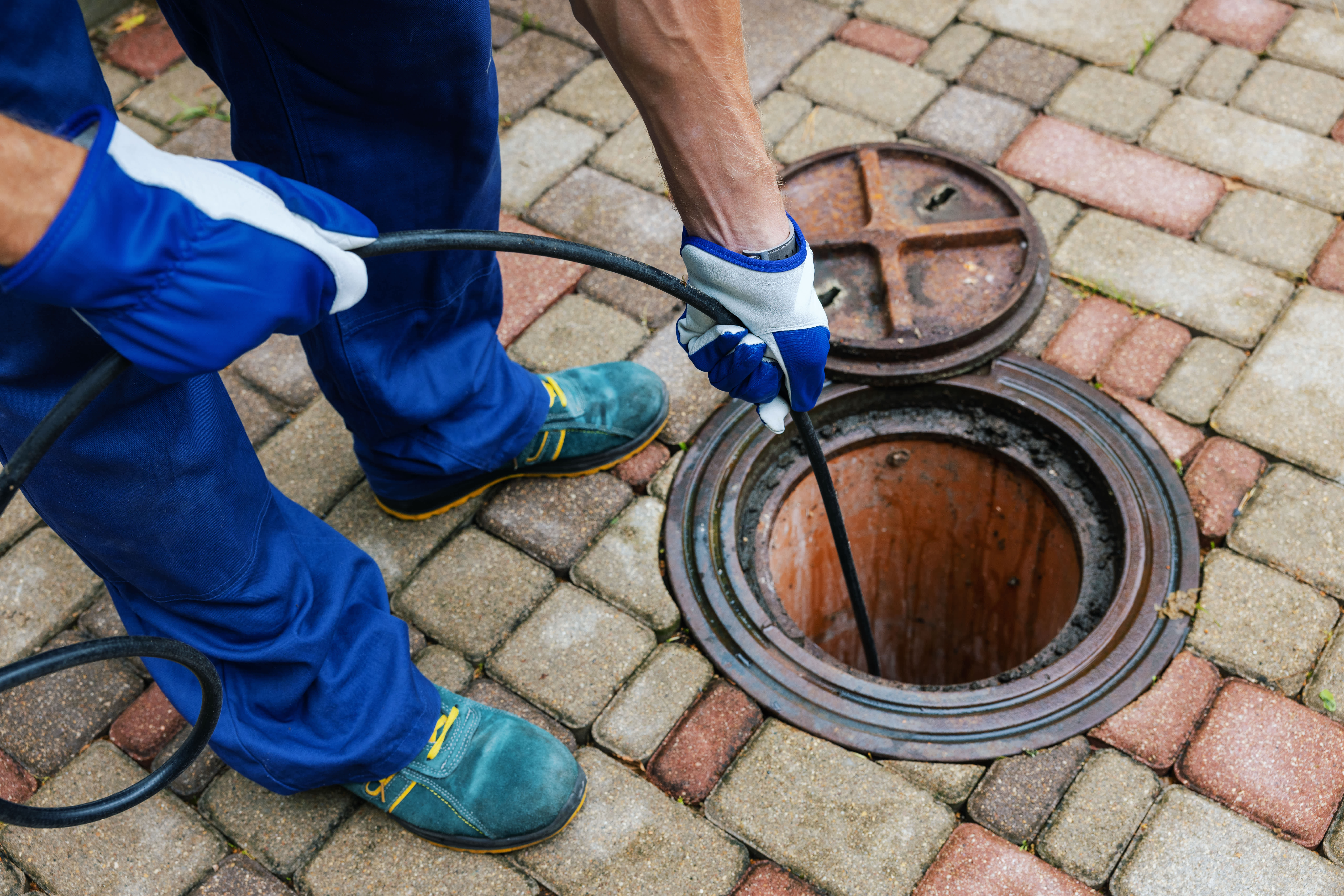
Yes. Sewer cameras are invaluable tools that can help pros safely diagnose problems with your septic system. Without a camera to look into your system, septic issue diagnoses would be a combination of guessing and past experience. However, a camera can help confirm ideas that your pro may already have about what’s wrong.
The Wrangell, AK homeowners’ guide to sewer cleaning services
From average costs to expert advice, get all the answers you need to get your job done.
A clogged main sewer line can lead to gas or wastewater leaks. Find out what main sewer line clog repair costs by type of service, clog severity, and more.
The best way to keep your sewer line running smoothly is with some regular maintenance. But don’t worry—it doesn’t take much effort. Read on to learn how.