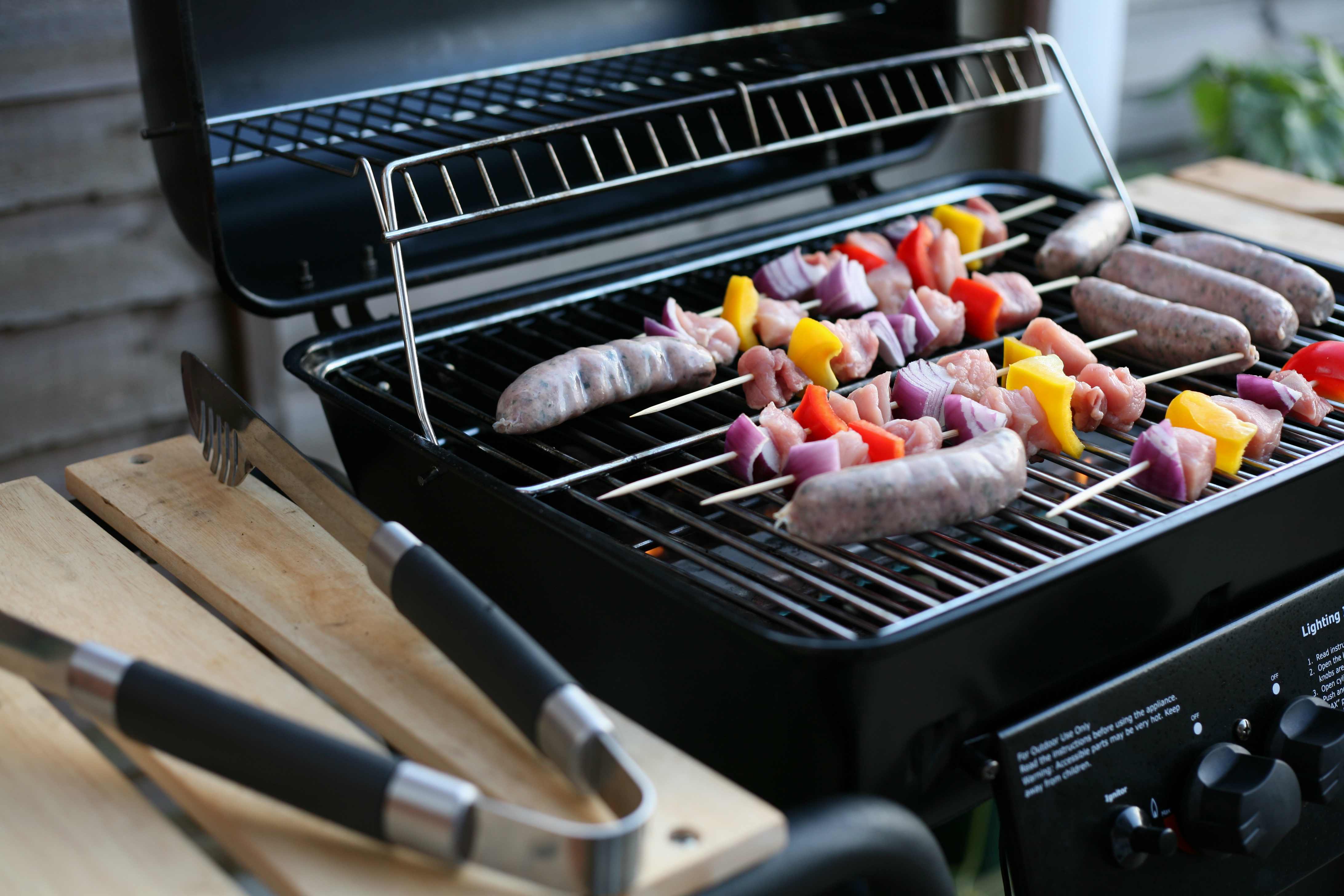
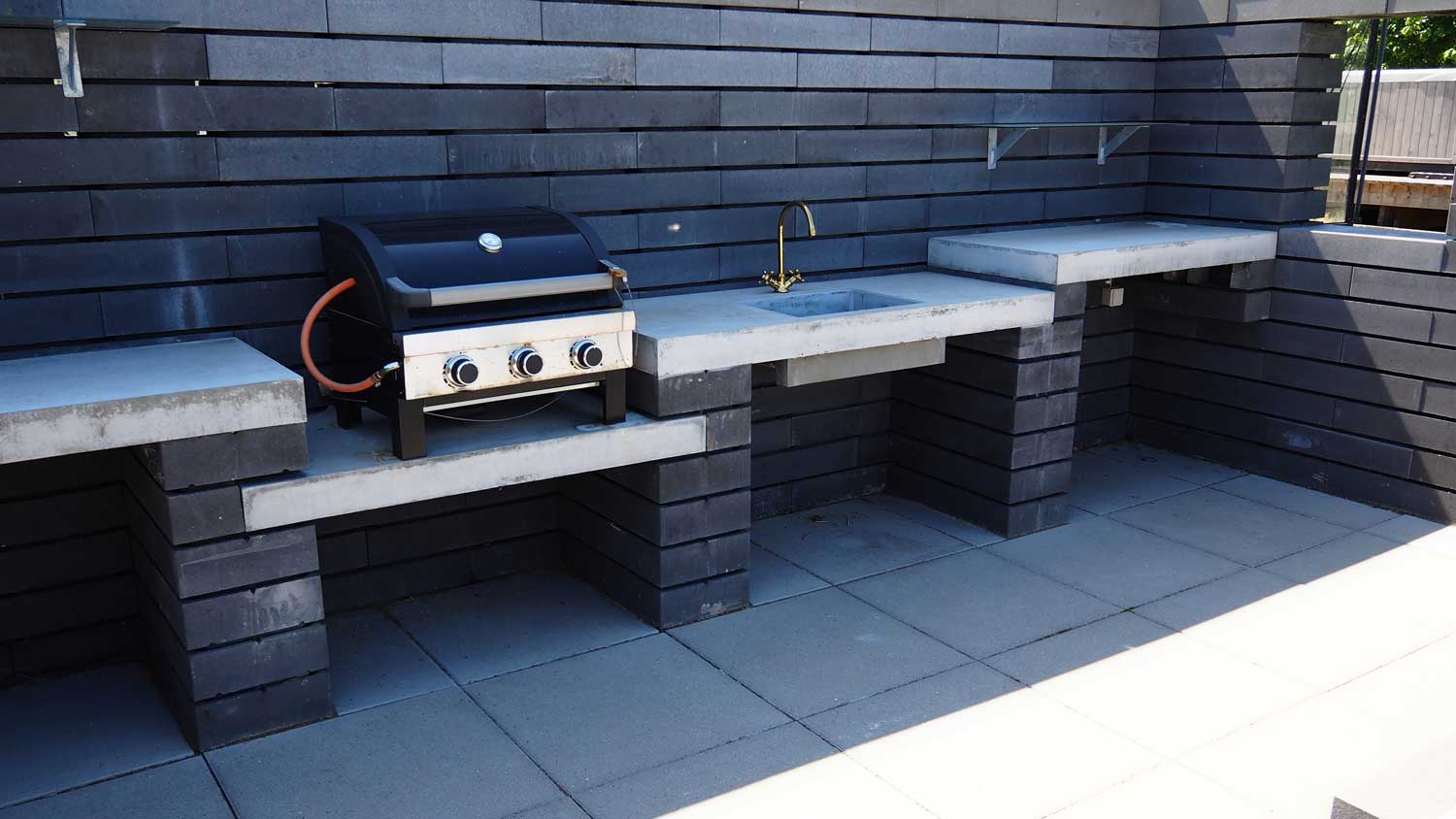
No. Placing a built-in grill against the house is discouraged due to safety concerns. Building codes and regulations often require a minimum distance (typically 10 feet or more) between a gas grill and any combustible structure, including a house. Placing a grill too close poses a fire hazard and risks damage to the siding or structure, potentially leading to carbon monoxide buildup. It's essential to consult local building codes, follow manufacturer guidelines, and prioritize safety by positioning the grill at a safe distance, ideally in a well-ventilated outdoor kitchen or designated grill area.
Safety steps include proper vent installation, connector tightness, and leak testing. A safe environment must be maintained throughout.
Yes, most states require a plumber to be licensed, and for good reason. Hiring an unlicensed plumber could lead to poor quality work, costly future expenses, and potential code violations. Check our state licensing tool to review the local plumber guidelines.
As you browse our pro listings, take note of the “Angi Approved” badge. Angi Approved businesses meet our standards for certification, which include:
The owner, principal, or relevant manager passed a criminal background check
Required to have applicable state and local licenses
Maintain an average star rating of 3.0 or better on our network, if they have at least one review
Paying to advertise their services
Meeting any other eligibility criteria required by Angi
Keep in mind licensing is different from certifications. A license is a legal requirement to operate a business, while certifications are voluntary.
All U.S. states require permits for gas grill installation, so you’ll have to get one before you move forward with your project. Permits help ensure that the gas line runs safely to avoid gas leaks and explosions. Gas line permits can usually also only be pulled by certified plumbers, which means you’ll have to hire a professional from the start. The permit for a gas line installation for a gas grill usually costs between $100 and $300. You can contact your installation company or building department for more accurate pricing.
You can maneuver your gas grill into place, but you cannot connect the grill to your gas source yourself. All municipalities mandate that a certified plumber carry out this work, so you’ll have to reach out to a plumber or a gas grill installation company in your area. Given how dangerous a gas leak can be, gas lines and connections are highly regulated, so you’ll need a professional’s help and a permit to install a gas grill.
The Wrangell, AK homeowners’ guide to grill assembly services
From average costs to expert advice, get all the answers you need to get your job done.
If you’re not keen on spending your afternoon assembling flat-pack furniture, bring in the professionals. How much does furniture assembly cost? It can be shockingly affordable.
Planning a new outdoor cooking space? Learn everything you need to know about gas grill installation costs, setup options, and how to hire a local pro.