"Quality One provided me quick help that perfectly addressed my needs. They were communicative, helpful, and I felt confident in the rate they quoted me. I will definitely work with them again!"
"David is wonderful. He did a terrific job on a house with many windows on various levels. I have recommended him to my neighbors and will use him again this coming summer."
"Very well. Great communication the entire time. There were some time set backs due to the pandemic but we were notified of all progress as the job went along. Photos and videos were uploaded to the app they use to keep us informed. The work site was clean and orderly the entire time as well. No issues with debris in the yard or driveway. Overall we had a great experience and would recommend them to friends and family. Very knowledgeable, friendly, and easy to work with. A definite company to consider for all construction or remodeling needs."
You can use a few different tactics to prevent your deck gate from sagging. Aside from using strong, rot-resistant woods, introducing a diagonal element—such as a tension rod or solid piece of wood to act as a brace—across the gate will offer better support. You can also use rigid joists to prevent the gate from sagging.
Both aluminum and composite decking materials are environmentally friendly, with aluminum decking coming in as the most eco-friendly option.
Though composite decking helps remove plastics from landfills, recycles wood, and lasts longer than traditional wood decks, it’s not recyclable and only lasts for 25 to 30 years on average. Aluminum can last well over 30 years and is almost always recyclable.
Finding a reputable deck builder should start with speaking with a local company and asking for samples of past work and references. You can review the company’s workmanship and speak with past customers to learn what the customer service was like throughout the process. It’s also a good idea to read online reviews and check the Better Business Bureau (BBB) website to see if the company has a history of customer complaints. If you can get a referral from a family member or friend, that’s another great option.
In the majority of cases, you don’t need regulatory permission or permits to remove decking components and materials. However, the exception is if you live in or near a wildlife conservation area, which could require permits and consent prior to beginning the demolition. Check with a local regulatory agency for more information.
The problems with composite decking include a high rate of expansion and contraction from temperature swings. This characteristic can cause boards to split, delaminate, or peel. In addition, significant movement can cause shrinking, warping, twisting, and bending. For this reason, you should minimize moisture and ensure proper airflow below your deck.
The Craig, AK homeowners’ guide to deck maintenance services
From average costs to expert advice, get all the answers you need to get your job done.
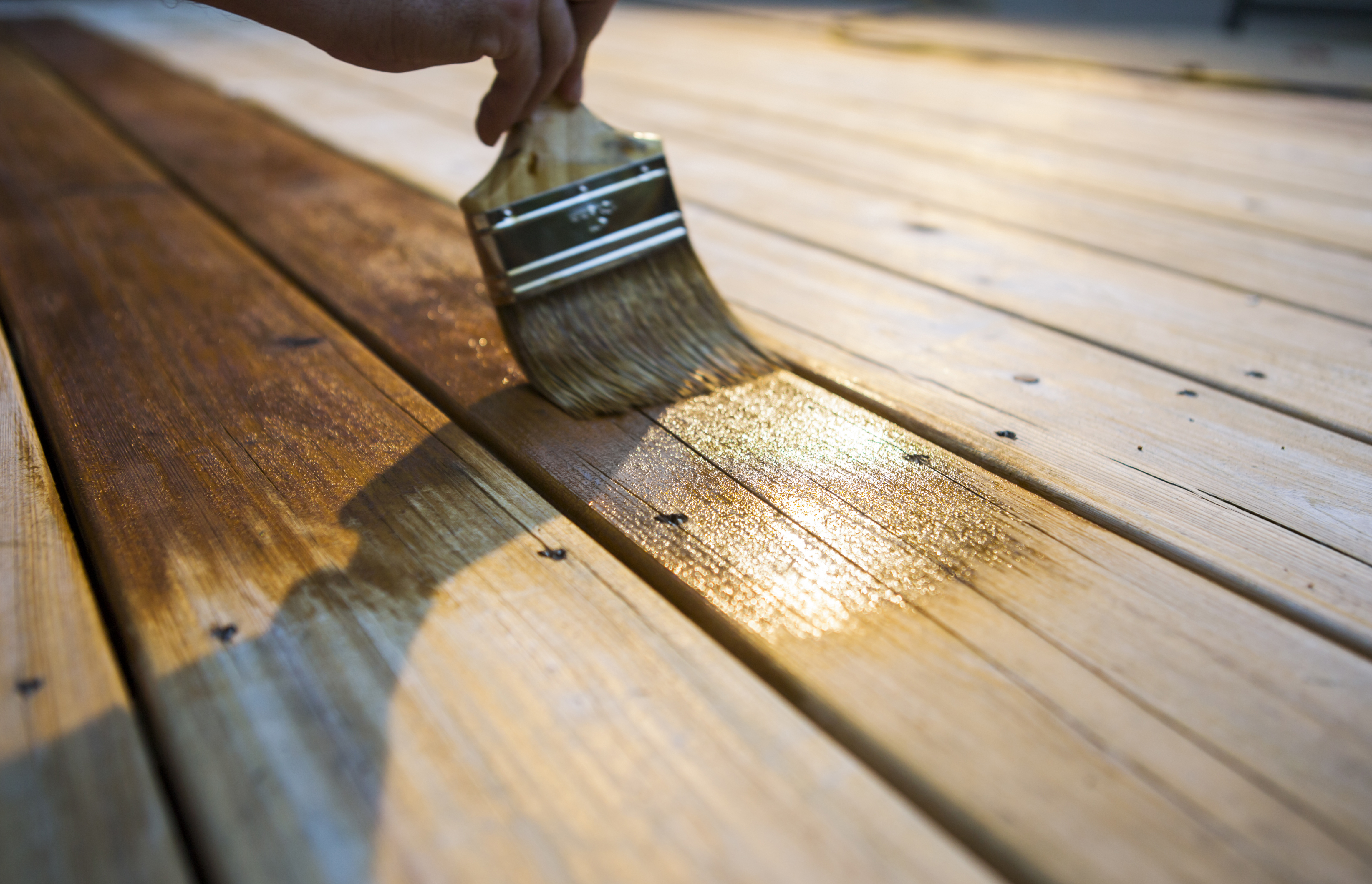
Deck maintenance is vital to protecting a wooden deck. Cleaning, staining and sealing a deck after pressure washing will add years to its lifespan. Protect a deck by following these deck maintenance tips for cedar and other types of wood materials.
Finding maintenance-free decking that works for your home, budget, and lifestyle can be challenging. This guide lists the 7 best low-maintenance deck materials.