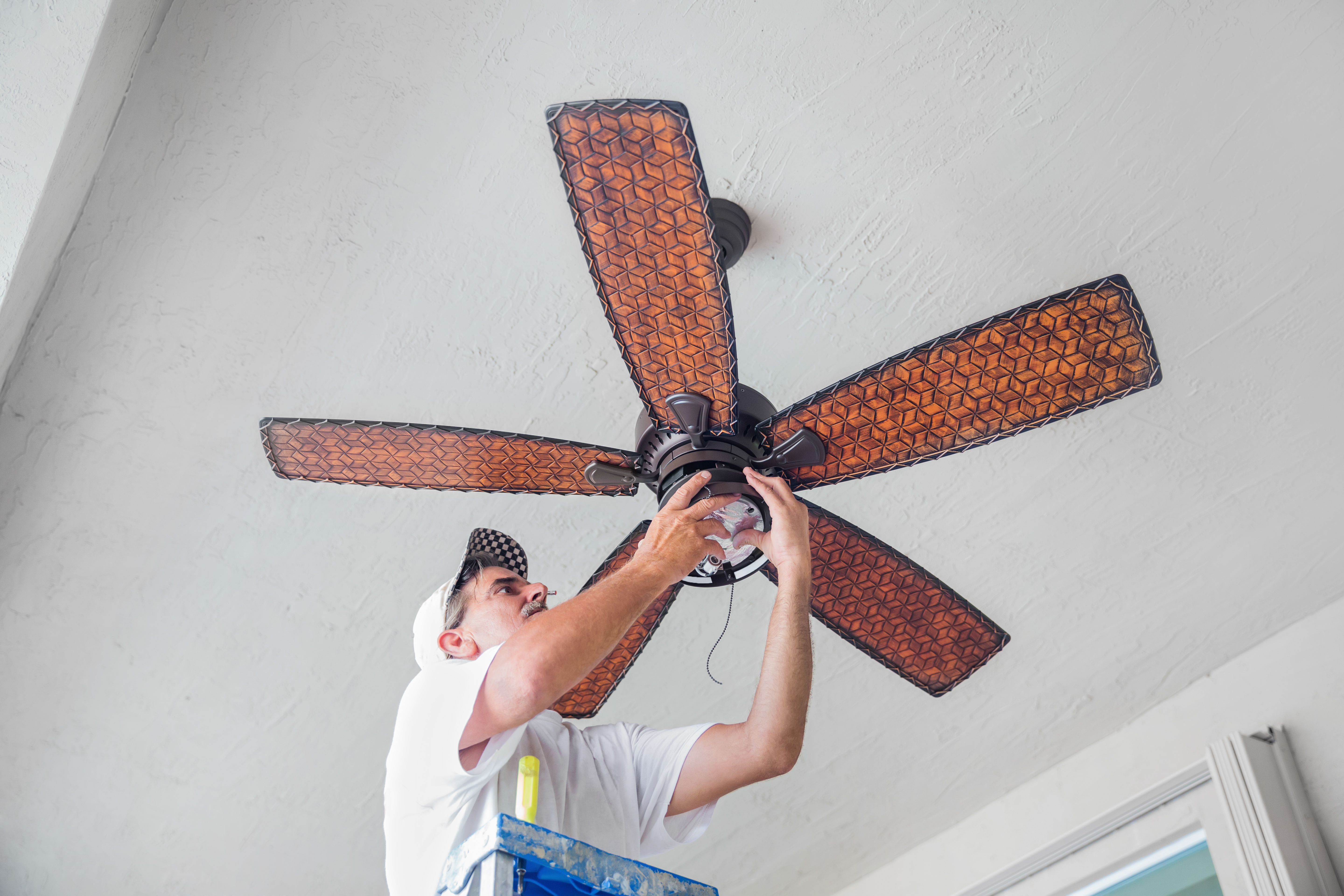








Top-rated ceiling fan pros.

Get matched with top ceiling fan pros in Chugiak, AK

Enter your zip and get matched with up to 5 pros

Need a pro for your ceiling fan service project in Chugiak, AK?

Select your specific project to find the pro for you.

TRUSTED BY CHUGIAK, AK HOMEOWNERS

  • Average homeowner rating star icon5
    Average homeowner rating
  • Verified reviews icon16
    Verified ceiling fan services reviews

Find Ceiling fan pros in Chugiak

Avatar for Intel- Electric
Intel- Electric
4.4(
11
)

Serving Chugiak, AK and surrounding areas

In business since 2018

Free estimates

Emergency services offered

"He came right over on a Sunday and helped drain the crawl space then set up schedule to dry out, replace wet insulation and fix broken pipes. Ordered and later installed new water heater. It was a process but Matt and his associates were super helpful, professional and nice."
Additional Photos
Additional Photos
Additional Photos
Additional Photos
Additional Photos

+9

Recommended by72%of homeowners
Avatar for Yellow Hat Construction
Yellow Hat Construction
4.8(
4
)

Serving Chugiak, AK and surrounding areas

In business since 2022

Free estimates

Credit card accepted

"Joe was fantastic! He made us aware of a problem that we thought had been resolved years ago. He was very flexible with when and how work got done. He worked to find solutions that would work for my mom , who is elderly and lives alone. He was able to help mom with a variety of smaller projects that she needed done. Joe is very kind and is good at communicating with both my mom and myself. I really appreciate his professionalism and understanding."
kitchen
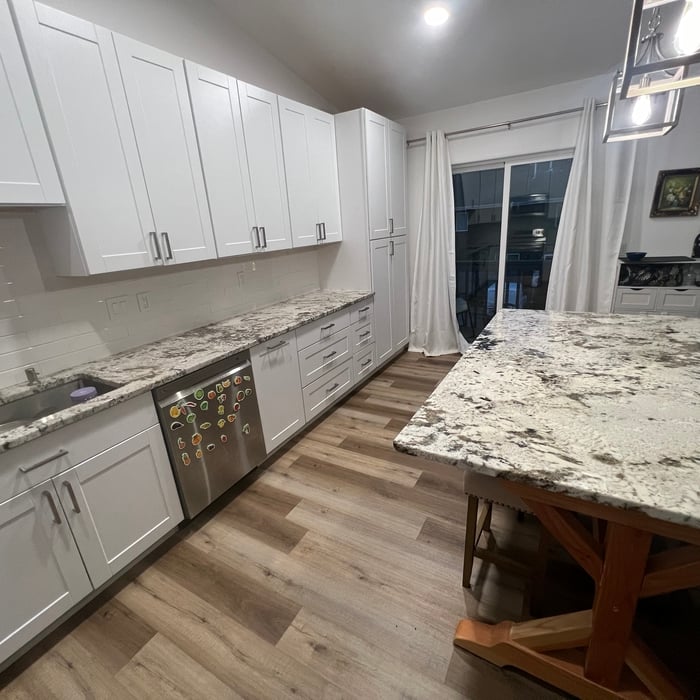
kitchen before and after
kitchen
kitchen
kitchen

+6

Response time2 days
Recommended by100%of homeowners
Showing 1-10 of 20
Ceiling Fans questions, answered by experts

Most ceiling fans have a lifespan of anywhere from five to 15 years or 10 years on average. Just how long your ceiling fan lasts depends on the quality of the parts, how much it’s used, and how well you maintain it. A fan with a weak motor that runs on the medium setting nonstop is likely to have a shorter lifespan compared to a fan with a powerful motor that runs on the slowest setting for air circulation.

To determine if your ceiling box can support a fan, you must check if it is specifically fan-rated. Manufacturers are required to indicate this on the box itself. You may need to remove the existing light fixture to look inside the ceiling box for an inscription stating it is rated for fan use. If you do not see this confirmation, the box is likely not strong enough and must be replaced with a fan-rated junction box. For a proper and safe installation, you should also use a fan brace to secure the new box between the ceiling joists, which provides the necessary support for the fan's weight and motion.

There are many types of ceiling fans available, each designed for different spaces and needs. Standard ceiling fans are the most common type and work well in most rooms. Low-profile ceiling fans are better suited for rooms with low ceilings. Smart ceiling fans can be controlled with a smartphone or voice commands. For larger spaces with ceilings between 10 and 25 feet high, large ceiling fans are ideal. Dual-motor fans have two motors to produce more airflow in multiple directions. You can also find energy-efficient or Energy-Star models that can be up to 60% more efficient, as well as fans with built-in lights or retractable blades.

There’s no reason why you can’t install a ceiling fan anywhere in your home, such as in living rooms, offices, bedrooms, and dining areas. Most bathrooms already have ventilation and don’t need a ceiling fan. For safety purposes, avoid installing a ceiling fan where the blades will be less than eight feet from the floor, near bunk beds, or anywhere else they may hit nearby objects.

Identifying the source of noises is your first step to soundproofing a room without overspending. Generally, sound comes from inside or outside of the house. Inside noises include creaking floors, living noises like TVs in the living room, cooking sounds, or kids being kids. External noises generally include incremental weather, disturbing neighbors, and street traffic. Inside noises require you to soundproof floors, ceilings, and doors, whereas outside noises may require you to soundproof your attic, windows, and walls facing the streets.

The Chugiak, AK homeowners’ guide to ceiling fan services

From average costs to expert advice, get all the answers you need to get your job done.