
•
Discover true smoke detector installation costs. Learn about average prices, cost factors, and tips to save on your smoke detector installation project.
Learn how to properly maintain a smoke detector and keep your family safer

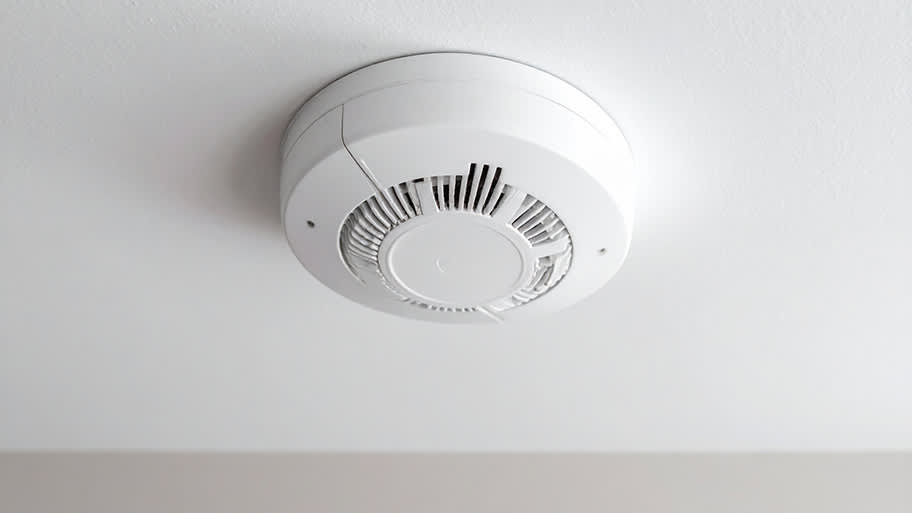
Your smoke detector lifespan is 10 years, so check the manufacturing date on the back to confirm when replacement is due.
Smoke alarms cost $10 to $50 per unit, with professional installation adding $35 to $40 per detector plus a $50 service charge.
You should replace your smoke detector when it chirps constantly after battery changes, fails monthly tests, or goes off without reason.
Hiring a local electrical professional keeps your home safe with proper smoke detector installation and ensures all units work correctly together.
Knowing how long smoke detectors last is important information for every household. You need to test and replace faulty smoke detectors regularly for the health and safety of you and your family. In addition, it’s a requirement in most states for residences and rental properties to have working smoke detectors. Find out how long the average smoke detector lasts and how to test its functionality for peace of mind.
Most smoke detectors last 10 years, according to the National Fire Protection Association (NFPA). The life expectancy depends on the type of smoke detector you have. Over time, dust gathers inside smoke detectors, wearing down the sensors. Older smoke detectors are less sensitive, so you may not have enough time to escape when the alarm goes off when there’s a fire. They are also more susceptible to electrical corrosion.
Even if your smoke detector hasn’t reached the 10-year mark, you should replace it if it chirps after you’ve replaced the batteries (or if the alarm fails to sound when you perform the recommended monthly test). Replace connected smoke alarms all at once, even if some are still working. A home security pro or an electrician can help you get your new smoke detectors installed.
Smoke detectors with CO detectors last about five to seven years and offer added safety by detecting both smoke and carbon monoxide (CO) gas. If a smoke detector also contains a CO detector, it will likely need replacement sooner. CO detectors have a limited life span due to the sensitivity of their sensors. Following the manufacturer's guidelines and regularly testing and replacing these dual detectors is crucial to ensure proper functioning and protect against potential hazards.
Battery-operated detectors rely solely on batteries and last five to 10 years before they need a replacement. Hardwired detectors are connected to the electrical system and commonly have a backup battery that lasts around one to two years.
Deciding where to put smoke detectors depends on the type of smoke detector you choose. While hardwired detectors offer continuous power, battery-operated ones are easier to install and suitable for areas without access to electricity. However, it’s super important to replace their batteries in a timely manner for optimal performance.
| Smoke Detector Type | Life Expectancy (Years) |
|---|---|
| Combo smoke and CO | 5–7 |
| Battery-operated | 5–10 |
| Hardwired | 1–2 |
How long do smoke detector batteries last? The U.S. Fire Administration (USFA) encourages people to replace smoke detector batteries (or the backup batteries if they have hardwired smoke alarms) at least once a year and to test the alarms monthly to ensure none need to be replaced.
Here’s how you know if a smoke detector is going bad and when you should take action.
A smoke alarm that needs attention will chirp for a long time, sometimes indefinitely, if it’s hardwired to your electricity. But you’ll want to make sure you take action ASAP once you hear that sound because it means the batteries in the smoke detector are going bad and need to be replaced.
How long do hardwired smoke detectors last? As mentioned above, age can be a big indicator that it’s time to replace a smoke detector. It’s pretty simple to check the age of your smoke detector. Take a look at the back of the alarm up close. A manufacturing date will tell you when the alarm was made. If that date was 10 years ago or more, it’s time to replace it.
Do this same check on all the smoke alarms in your house, as many homes have had all their smoke detectors installed around the same time. Note: If your smoke detector is on a high ceiling, you may need to call someone for the job.
To test your smoke alarms, follow these simple steps:
Alert everyone in your home about the test.
Press and hold the "test" button on the alarm until you hear a loud siren sound.
Observe if the alarm produces a strong, clear noise.
Repeat these steps with all smoke alarms in your house, including those with CO detectors.
If you don't hear the sound, immediately replace the batteries or the entire alarm unit.
Regularly repeat this test monthly to ensure your alarms function correctly.
There are many reasons why your smoke detector is going off even when there’s no fire or smoke. Once you’ve ruled out other issues like high humidity, low batteries, bugs, chemicals, or dust that could trigger the alarm, you likely need a new unit.
If your smoke detector manufacturer recalls the unit, you should replace it as soon as possible. You’re likely to hear about large-scale recalls on the news, but you can also check the manufacturer’s website or call them for any updates. Often, the recalls are because the alarm fails to go off in the event of a fire, so don’t delay taking care of it.

You can replace hardwired detectors if you can reach them and have skills sufficient to replace a light fixture. (Be sure to turn off the electricity at the breaker box first.) Otherwise, you need to figure out who installs smoke detectors. Your best bet is to hire an electrical company near you or an alarm service company to do the job.
The cost to replace a smoke detector can vary widely, depending on where you live, the type and number of units you need to replace, where they are, and the condition of the wires. A smoke alarm can cost as little as $10 per unit for a basic model or as much as $50 per unit for a wireless or hardwired smoke alarm with a built-in carbon monoxide detector.
A local home security company can do the installation for you if you prefer this peace of mind. These service providers charge $35 to $40 per detector plus a $50 service charge.
These fire safety tips from the NFPA will help you and your family make a plan and stay safe.
Install smoke alarms inside and outside each bedroom and sleeping area. Install alarms on every level of the home, including the basement. (Large homes may need extra smoke alarms.)
Interconnected smoke alarms—whether hardwired or wireless—are best because when one is activated, they all sound.
Test all smoke alarms at least once a month. Simply press the test button to be sure the alarm works.
There are two types of smoke detectors. Ionization smoke alarms are quicker to warn of flaming fires, whereas photoelectric alarms are quicker to warn of smoldering fires. It’s best to use some of both types throughout your home.
A smoke alarm should be on the ceiling or high on a wall. Install wall-mounted alarms no more than 12 inches from the ceiling to the top of the alarm.
Don't install smoke alarms near windows, doors, or ducts where drafts might interfere with their operation. Keep alarms at least 10 feet from a stove to reduce false alarms.
Make sure everyone in your home knows how to respond if they hear a smoke alarm.
Follow the manufacturer’s instructions for cleaning smoke detectors.
Don’t place smoke alarms too close to fans or air ducts when mounting them. Moving air can displace smoke from the sensor. You also don’t want your alarms right by the kitchen stovetop or bathrooms. Smoke from cooking and steam from a shower can set off an alarm.

I recently had Mosby Electric perform an electrical installation on 8-14-2026, and I couldn’t be more satisfied with the service. From the moment I called, their team demonstrated fast arrival and professionalism. The electricians were highly knowledgeable, completing the installation...
 Mosby Electric
Great company! Price was competitive, technician showed up on time and completed the job (exterior electric Radon fan replacement) quickly. Would hire them again.
 MaGen Property Inspections and Radon Mitigation
I conferred with 2 other contractors before Armstrong Electric. Nick and his crew showed me that the project was not as convoluted as the other contractors made it appear to be. They completed the entire project on time. They were professional, friendly and cleaned up after at completion. I...
 ARMSTRONG ELECTRIC, LLC
The techs on my project, Shawn and Cliff, were great. They were prompt, courteous, and efficient. I am very happy with the results and would definitely contact Mr. Electric for any future electrical projects.
 Mr. Electric of Columbus
Victor was wonderful. He was on time, professional, and explained everything he was doing. He was thorough and figured out that the problem was electrical instead of with my HVAC system. Very knowledgeable. I will be using this company in the future for any HVAC needs. Thanks!
 Hubbs Heating & Air LLC
They were excellent. They did a great job. I was totally satisfied. They put tremendous effort in making sure the work was completed. They were great. They provided immediate response to any inquires I made. I would hire them again. I would recommend them to anyone who needs electrical work....
 JCB & Associates, LLC DBA Property-Tech Industries
Initially, the repairman could not find the problem. Apparently, there was some electrical shortage, but he could not find the definite problem. He left, but called back later to say he had a new idea. He returned and replaced the light switches on the doors. The refrigerator seemed to return...
 Appliance Pro LLC
The initial quoted price from a walk-through seemed high, but we discussed that the quote represented worst case scenario (re-wiring to two floors) and we were excited about the opportunity to have the work done in a timely manner with closing for fire safety reasons, etc. When the job was...
I have to tell you I am all about customer service - I will go out of my way and even pay more for it if you give me great customer service. <br> <br>In a world where this is hard to find, these guys were awesome! I can not sing their praises enough. They were prompt, personable, funny, got...
 Waibel Electric
When I challenged the markup on the generator, Bruder Electric withdrew its bid. They only want naïve customers.
From average costs to expert advice, get all the answers you need to get your job done.
Discover true smoke detector installation costs. Learn about average prices, cost factors, and tips to save on your smoke detector installation project.

Need to get rid of lingering smoke odors in your home? Learn how much smoke remediation costs to budget accurately for this major undertaking.

Ozone treatment can help with lingering smoke odors. Learn about ozone smoke removal costs to get an accurate idea of how to budget for this service.
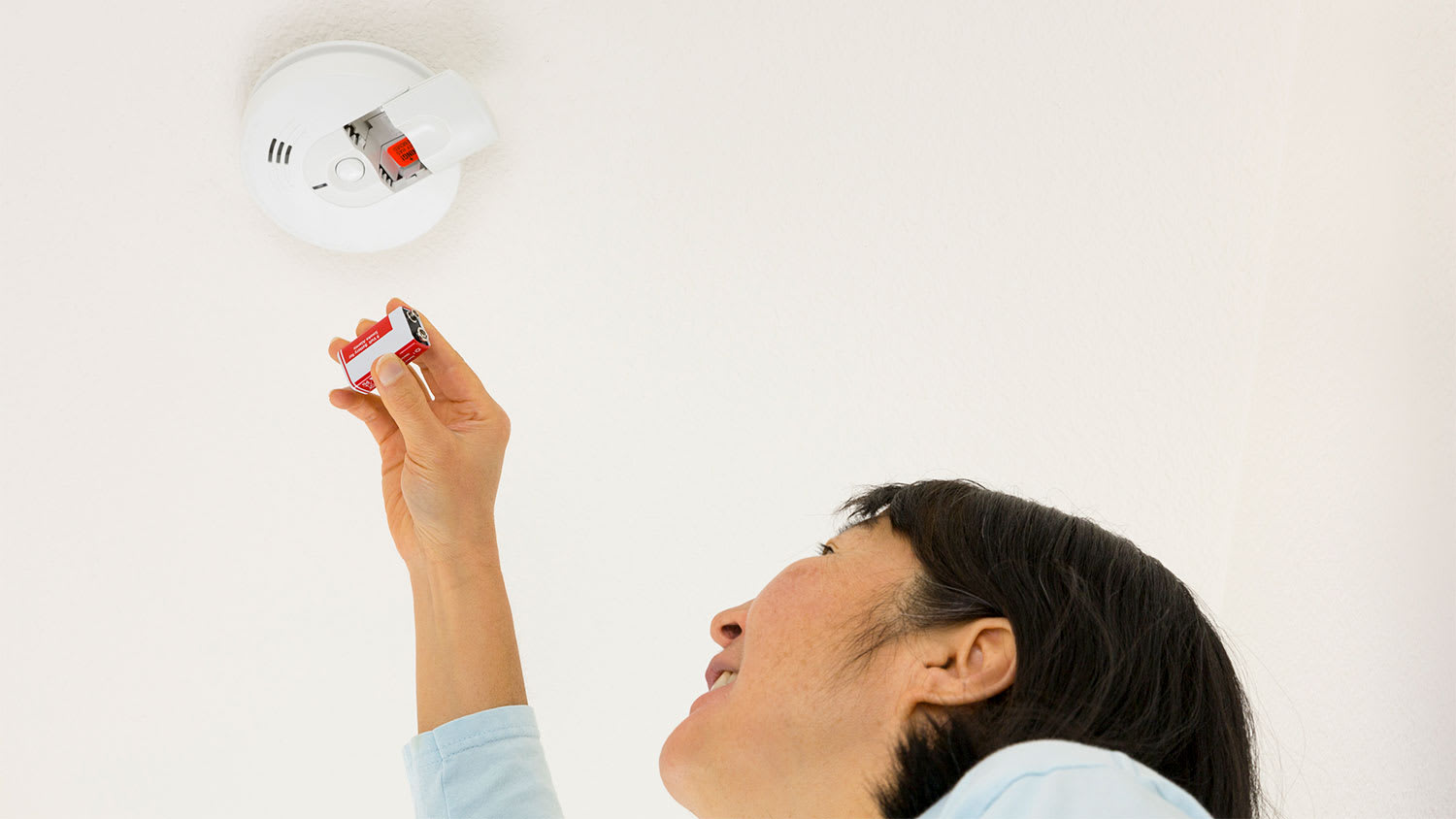
Tired of pesky smoke alarm beeps? They might signal a serious emergency—or a simple battery change. Learn how to silence those annoying beeps.
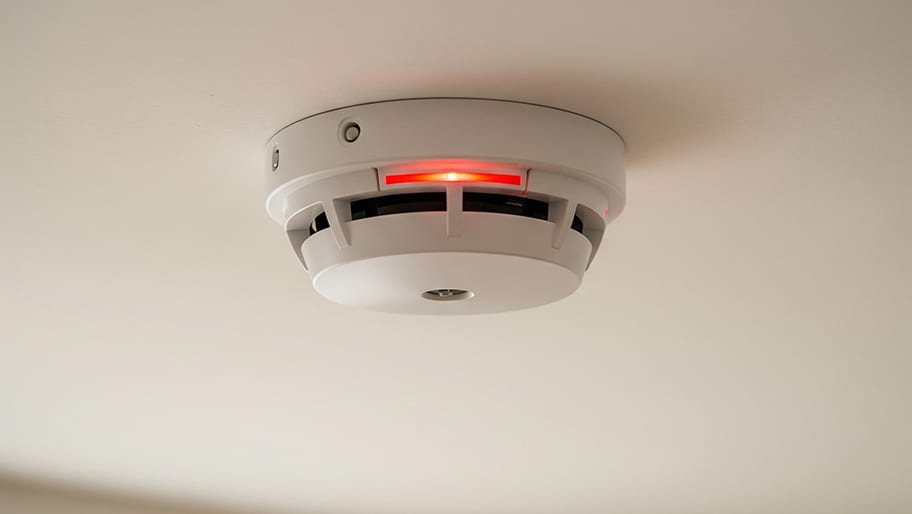
Don't ignore your smoke detector if it has flashing red lights. It could indicate a problem that needs immediate attention. Here's how to tell what to do.
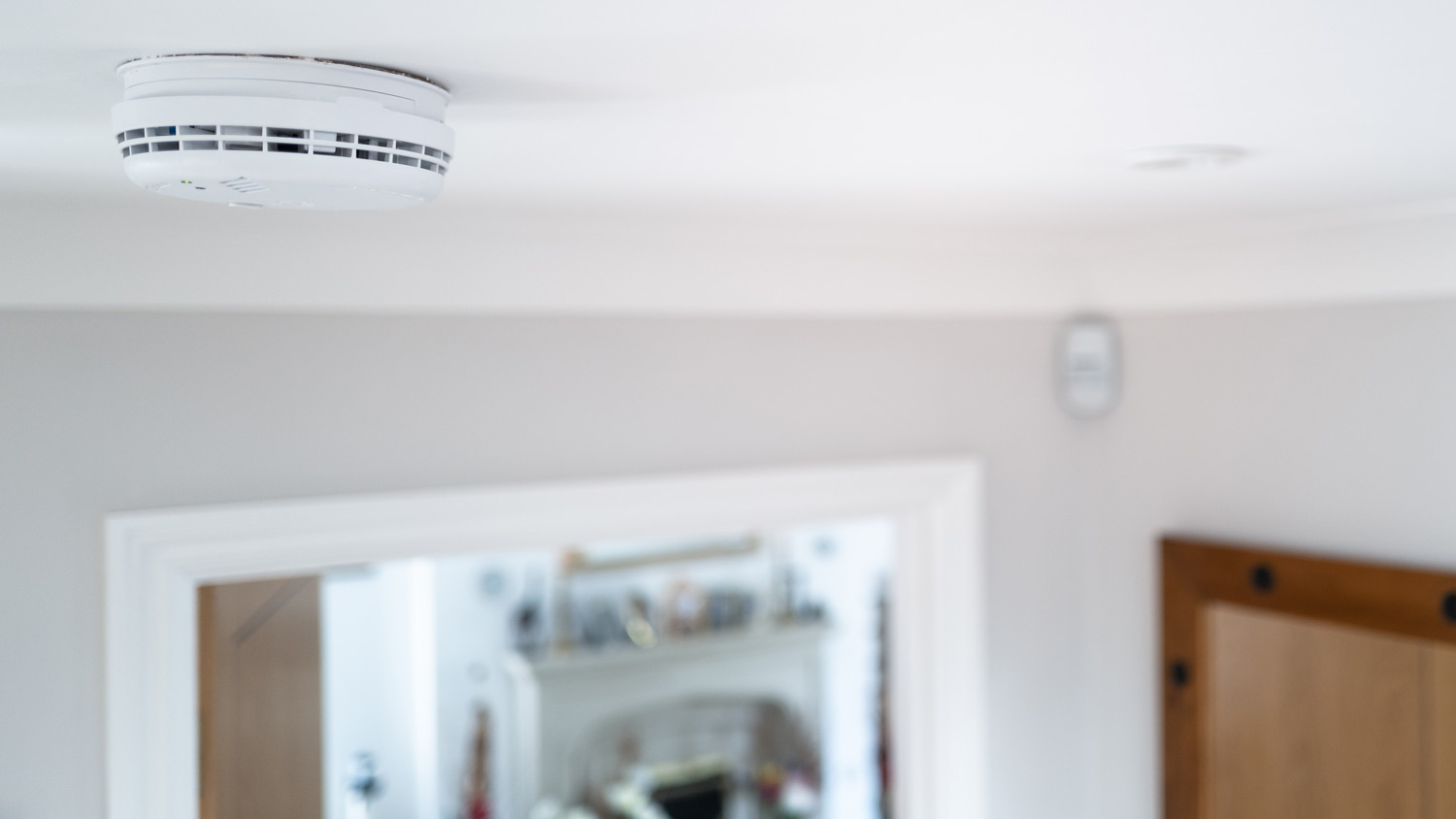
To protect yourself from a fire, you should know the best types of smoke detectors for your home and the pros and cons of each.