

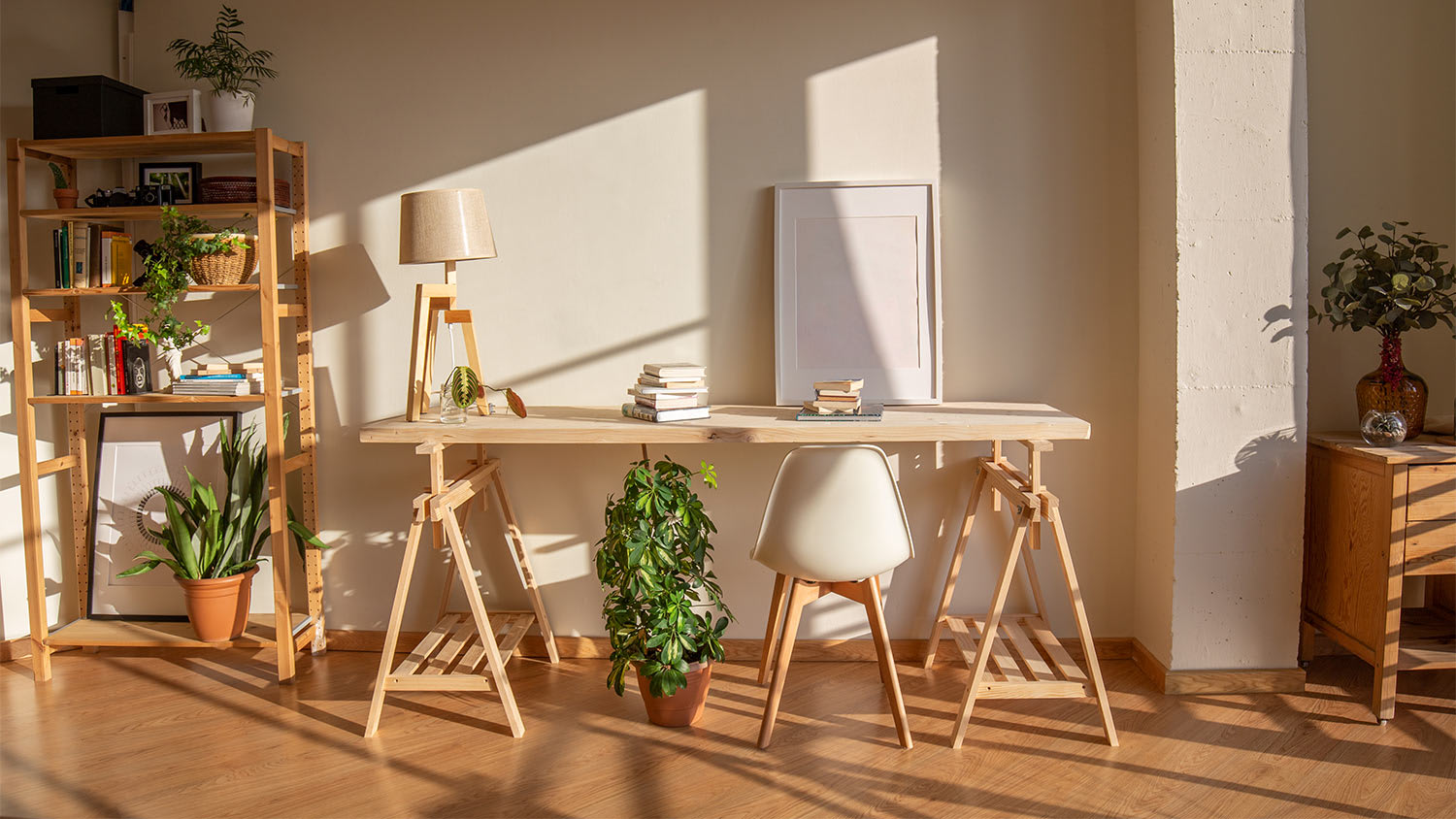
Subflooring makes your floors sturdy and level. Learn more about the cost to install plywood subflooring and factors that affect the price.
Flooring costs depend on your project and location. Check with a local pro for your specific job.


Subfloor replacement costs between $900 and $3,000 for your average 300-square-foot room, depending on your material choice and room location.
The type of subfloor material you choose impacts your project cost, with moisture-resistant options working best for basements and bathrooms.
Budget for labor at $25 to $30 per hour, mold remediation around $2,000, and disposal fees when planning your subfloor replacement project.
Hiring a local flooring company prevents water damage and structural problems while ensuring your subfloor meets local building codes and safety regulations.
In 2026, the national average cost to replace subflooring runs $1,560 per square foot, depending on material choice, room size, and location. Most homeowners pay between $900 and $3,000 for an average 300-square-foot room, with labor running $25 to $30 per hour and mold remediation adding around $2,000 when needed. Common reasons to replace subflooring include squeaky floors, warping, and water damage.
The three primary cost drivers for subfloor replacement are material type, installation location, and labor. Where you purchase materials and which contractor you hire can meaningfully shift your total, so getting multiple quotes is worth the effort. Factor subfloor replacement into your broader flooring installation costs when budgeting for the full project.
Subfloor replacement costs about $3 to $10 per square foot, with the final number driven primarily by material type and labor. Here is a breakdown of affordable, mid-range, and higher-cost subfloor options to show how much costs can vary:
"Subfloor replacement can be straightforward or very involved," says Bob Tschudi, Angi Expert and a Raleigh, N.C.-based general contractor. "You usually can't see the extent of any underlying problems until you remove the top layers of flooring and subflooring."
The subfloor material you choose affects both performance and total project cost, with options ranging from $2.50 to $3.50 per square foot for basic plywood up to $9 per square foot for moisture-resistant products like DRIcore. Plywood is the go-to choice for dry living spaces, while moisture-resistant materials are better suited to basements and bathrooms.
Here is how common subfloor materials compare in cost:
| Subfloor Material | Average Cost (Per Square Foot) in 2026 |
|---|---|
| Plywood | $2.50–$3.50 |
| Oriented strand board (OSB) | $2.50–$4.50 |
| Amdry | $3–$10 |
| DRIcore | $2.50–$9 |
| Barricade | $2–$10 |
| Warmboard | $7 |
| Concrete | $6 |
Plywood is the most common subfloor material, costing around $2.50 to $3.50 per square foot for 5/8-inch-thick panels—note that these plywood costs cover materials only and do not include labor. For a 300-square-foot room, budget $750 to $1,050 for the plywood itself before factoring in installation.
Oriented strand board (OSB) is a popular subfloor option that costs between $2.50 and $4.50 per square foot, making it less expensive per panel than plywood. However, OSB is weaker than plywood, swells when exposed to moisture, and is not suitable for ceramic tile or stone floors. It works best in dry areas where budget is the primary concern.
Amdry is a moisture-resistant, insulated subfloor brand designed specifically for basements, priced between $3 and $10 per square foot. For a 300-square-foot space, that works out to $900 to $3,000 in material costs. Installation requires special connectors at $20 per pack of 15 connectors, so factor that into your total budget.
DRIcore is a moisture-proof subfloor brand well suited to basements, bathrooms, and kitchens, costing $2.50 to $9 per square foot. For a 300-square-foot room, expect to pay around $530 in material costs, making it a competitive option among moisture-resistant subflooring products.
Barricade is an insulated subfloor panel designed for basements that costs $2 to $10 per square foot, or about $600 for a 300-square-foot room. It raises finished floor temperatures without the added expense of radiant underfloor heating, and its sound-dampening properties make it a practical choice for bedrooms, living rooms, or home offices.
Warmboard is a specialty subfloor engineered to support underfloor radiant heating systems, costing around $7 per square foot. For a 300-square-foot room, that comes to approximately $2,100 in materials. It is the right choice when you want heated floors without installing a separate heating system beneath standard subflooring.
Concrete is a versatile option that can function as either a subfloor or a finished floor surface, costing an average of $6 per square foot. You can also layer additional subfloor products, like DRIcore, on top of concrete for better moisture protection in areas prone to dampness.
Your subfloor is the foundation for your flooring. The best subfloor material for your project depends on the floor materials and where you’re installing it. A flooring pro can help you decide which subfloor material best fits your needs.

Subfloor replacement costs range from $120 to $10,000, depending on the room location, driven by both room size and project complexity. Bathrooms tend to cost less than living rooms simply because they are smaller, but they introduce more complexity due to fixtures that require precise cuts. Wet areas like bathrooms, kitchens, and laundry rooms also carry a higher likelihood of water damage, which can add to the overall scope.
Here are cost estimates based on where the subfloor is being replaced:
| Subfloor Location | Average Cost in 2026 |
|---|---|
| Bedroom | $450–$1,500 |
| Living room | $900–$3,000 |
| Kitchen | $600–$2,000 |
| Bathroom | $120–$400 |
| Basement | $3000–$10,000 |

Beyond materials and labor, several additional costs can affect your subfloor replacement budget, including existing subfloor removal, mold remediation, new flooring installation, underlayment, and permits. Knowing these line items in advance helps you avoid surprises and plan a more accurate budget from the start.
Labor for subfloor replacement runs between $25 and $30 per hour, and most installations take one to two days to complete. The actual time depends on how much prep work is needed and whether any underlying repairs are required before the new subfloor can go in.
Removing the existing subfloor is a required step before installation and does not add material costs, but it does require labor. This labor is typically bundled into the overall installation quote, though you should confirm with your flooring pro whether removal is included in their estimate before signing anything.
Each floor joist costs between $100 and $300 to replace, and addressing this early prevents more expensive structural problems later. Floor joist damage often goes undetected until the existing subfloor is removed, so building a contingency into your budget for the cost of floor joist repair is a smart move.
Mold remediation—the process of cleaning and sanitizing contaminated areas—costs an average of just over $2,000 and is a critical step when mold is found beneath a damaged subfloor. Left untreated, mold creates health hazards and causes ongoing structural damage to surrounding materials. If water damage is present, budget for remediation before the new subfloor goes in.
The cost to install hardwood flooring sits at the higher end of the spectrum ($6 to $12 per square foot) but offers long-term value since it can be refinished. Installing linoleum flooring, carpet, or laminate costs less and suits homeowners who want a specific look without stretching the budget. Most subfloor replacements coincide with new flooring installation, so budget for both at the same time.
Here is how common flooring types compare by cost:
| Floor Type | Average Cost (Per Square Foot) in 2026 |
|---|---|
| Hardwood floors | $6–$12 |
| Laminate floors | $3–$8 |
| Carpet | $3–$11 |
| Tile | $5–$45 |
| Linoleum | $3–$12 |
When it is needed, underlayment installation costs range from $0.50 to $5.50 per square foot, depending on the product. Underlayment is not always required, but it adds comfort underfoot, improves sound absorption, and helps protect the new subfloor from damage. Talk with your contractor about whether underlayment makes sense for your specific flooring type and subfloor material before adding it to the budget.
Hiring a junk removal service typically costs between $100 and $800 for construction debris, with subfloor removal averaging around $160. Once the old subfloor is removed, you have a few options for disposing of the leftover materials. Hauling materials to a dump or recycling center yourself is a lower-cost alternative at under $20 in disposal fees, and since most subfloors are plywood, donating or selling the material is also worth considering.
Permits for subfloor replacement cost between $50 and $200 and are typically required only for larger projects—small single-room replacements often do not need one, though it is always worth confirming with your local municipality. Your contractor may handle the permit application on your behalf, so clarify who is responsible for that step before work begins.
Not all subfloor problems require a complete replacement. Minor issues, like loose boards, superficial water damage, or small areas that squeak, can be repaired. Avoiding a full replacement if possible will save money and time.
However, complete subfloor replacement becomes necessary when structural integrity is compromised. Signs you need a full replacement include:
Widespread water damage or extensive mold growth
Multiple broken or rotten boards
Sagging floors, which can indicate joist problems
Extensive damage
Although replacing subfloors costs more up front, doing so when necessary ensures a solid foundation for your new flooring and prevents future problems.
Subfloor replacement costs can add quite a bit to the final cost of your flooring, so saving money on the installation can help make the entire project’s budget a little more manageable. Here are a few ways to save on subfloor replacement costs.
Remove the existing subfloor yourself: Removing the existing subfloor can save on labor costs, but make sure to factor in the cost of tools you may need to purchase to get the job done.
Only remove the damaged area: If only a small area of the subfloor is damaged, you can replace that section rather than the entire subfloor. This can save money on both materials and labor.
Choose a less expensive material: While you definitely want to choose a sturdy and durable material, the look of the subfloor isn’t important since it’s underneath the flooring. This means you may be able to choose a less expensive subfloor material to help you stick to your budget.
Installing subfloors incorrectly could lead to costly repairs and additional replacements down the road. It’s best to work with a local flooring contractor to replace subfloors, but you can DIY the project if you have experience installing them, which could save you between $25 and $30 per hour on labor costs.
Replacing your subfloor isn’t an easy DIY job. Here’s why it’s best to hire an experienced pro for the job:
Experienced pros know how to replace your subfloor while preventing water damage, structural problems, and uneven installation.
Pros have the specialized tools and expertise to replace your subfloor in accordance with local building codes and safety regulations.
DIY replacement can lead to costly repairs, warping, and mold growth.
Experienced pros know how to handle plumbing, electrical, or insulation issues underneath your subfloor.
Professionally installed subfloor improves the comfort and resale value of your home.
If you want to assist with the replacement process, focus on smaller tasks like:
Removing furniture, rugs, and decor from the room before your pro arrives
Disposing of flooring debris, baseboards, and trim according to local regulations
Sanding or painting baseboards after the subfloor is installed
Moving furniture and decor back into the room after your pro leaves
Discuss with your pro which subfloor material, such as plywood, concrete, or OSB, best fits your budget or preferences.
Ask your pro about disposal fees or permitting requirements in your area.
Let your pro know about any existing water damage, mold growth, or structural concerns that may require repair.
Have your pro explain the benefits of replacing your subfloor vs. repairing it.
Home is the most important place on earth, which is why Angi has helped more than 150 million homeowners transform their houses into homes they adore. To help homeowners with their next project, Angi provides readers with the most accurate cost data and upholds strict editorial standards. We extensively research project costs to develop the pricing data you see, so you can make the best decisions for you and your home. We rely on reputable sources, including the U.S. Bureau of Labor Statistics, academic journals, market studies, and interviews with industry experts—all to ensure our prices reflect real-world projects.
Want to help us improve our cost data? Send us a recent project quote to [email protected]. Quotes and personal information will not be shared publicly.
If you’re good people wanting to do business with good people, hire Matt. He is a consummate professional and utterly competent. He installed a water heater in my home at a price that beat competitors by hundreds of dollars with a promise to support the unit for its life (even after its 6 yr...
 Greene's Plumbing Services
Joseph did a great job with the staircase and trim. Timely and efficient, clear communication about the work, very fair pricing. For the stairs in particular, done very skillfully in an old house (1893) in a tight spiral, and very creative with how to do the handrail. Did a nice job with...
 Vouis Trim Carpentry L.L.C.
This company does it right. Firstly, I want to say that Landan was a joy to work with. He was so kind, transparent, and had everything under control. His entire team showed up ready to work and they were all very respectful of the fact that we were in an office space. A little backstory – we...
 Krumlauf Floors
Finished Basements Plus was wonderful from beginning to end! First, they came out quickly for an estimate. I had 4 estimates and theirs was by far the best. (2 of the estimates were more than $20K higher than for the exact same work). Beyond their fair pricing, the work was excellent. They...
 Finished Basements Plus Inc.
Very professional, knowledgeable and helpful! Completed the install on time and as expected.
 Ward's Services
Cole has been handling plumbing and general contracting for our four properties over the past three years, and he’s always done a great job. Most recently, he installed a sink and countertop in our retail store where none existed before, and it turned out exactly how we needed. He’s...
 ANB Renovations LLC
Excellent, Prompt, Courteous Service!!! They were super friendly and quite personable. I felt very comfortable with the gentlemen that did the installation. They installed it exactly where I asked them to and they did an excellent job!! I loved their service so much.
 Tether House
Window Depot did an amazing job installing the windows in my basement! The process from start to finish was by far more than what I expected. I would highly recommend Window Depot if you want professionalism from the the consultation to the installation. Dont settle for mediocre when you can...
 Window Depot USA of Central Ohio
AFS was excellent from start to finish. Jess, the sales associate, was fantastic...very knowledgeable and very professional. The installation crew was excellent. I couldn't be more pleased with the process. Best of all, my new floor looks fantastic!
 America's Floor Source
We were having 2”x 2” tile installed . There was a small installation error and the new additional replacement tile was from a different lot and the colors didn’t match. Joe assured us that he would rectify everything , which he did without hesitation. We decided to go with the 18” x 36” tile...
 CarifaTile
From average costs to expert advice, get all the answers you need to get your job done.
Subflooring makes your floors sturdy and level. Learn more about the cost to install plywood subflooring and factors that affect the price.

The cost to rip up carpets and install laminate depends on factors like labor prices, materials, and location. Use this guide to get a detailed cost overview.
Your floors deal with a lot, and they may occasionally experience damage that requires your attention. Learn floor repair costs for your project.
Uneven floor joists don’t just lead to annoyingly sagging floors; they could be a sign of bigger issues. Here’s who to hire to fix flooring joists.

If you’re dealing with warped or creaky floors, it could be a subfloor issue. This guide will show you how to replace a subfloor totally DIY.
Subfloor is a crucial component in your foundation’s structural integrity. Learn more about what a subfloor is and what materials can be used for subflooring.