
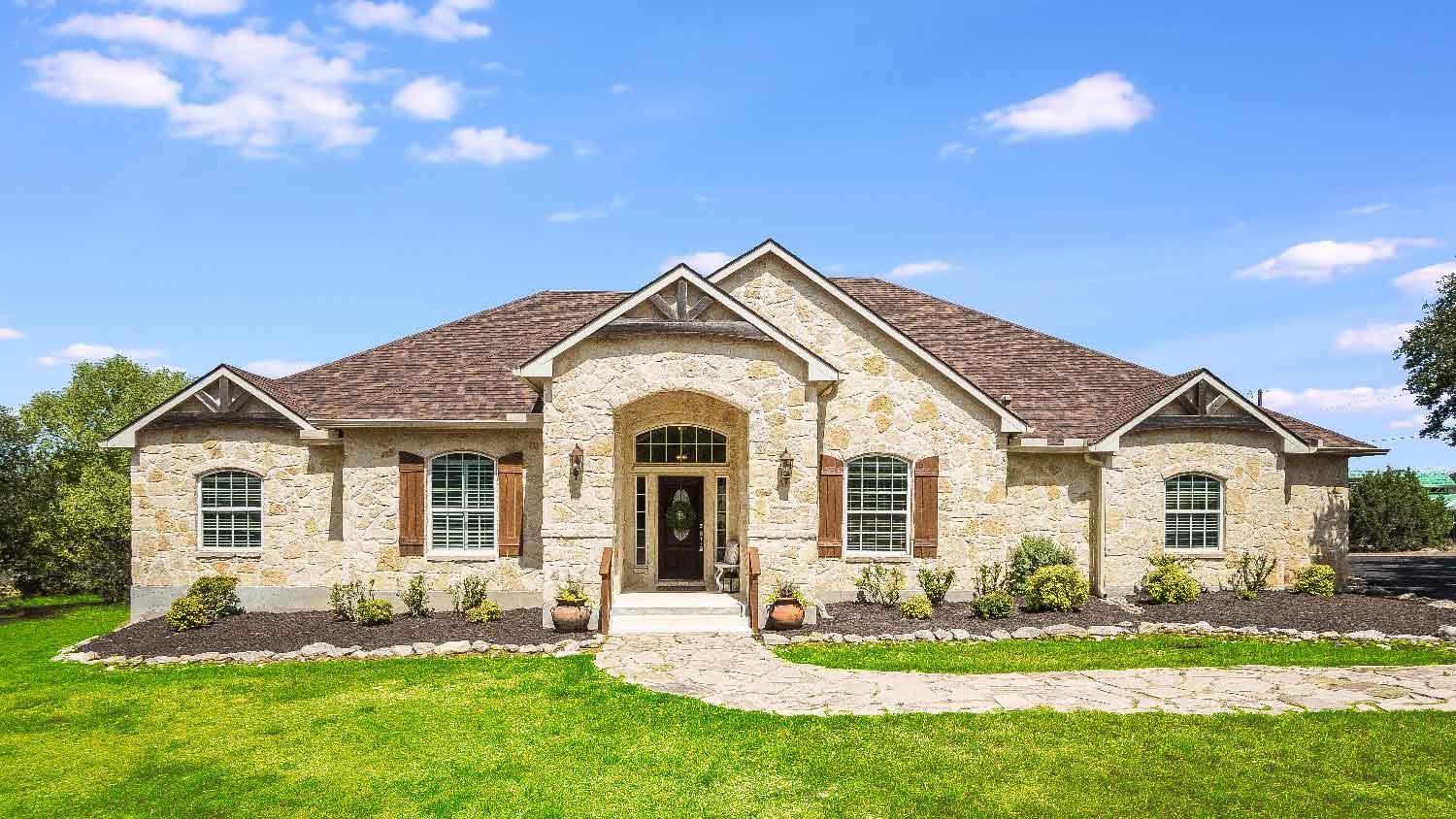
The cost to build a stone house is pricey. Learn why you need specialized workers to build the house to a level that’s good enough for you and the city.
Brownstones were originally built for their affordability but now signal wealth

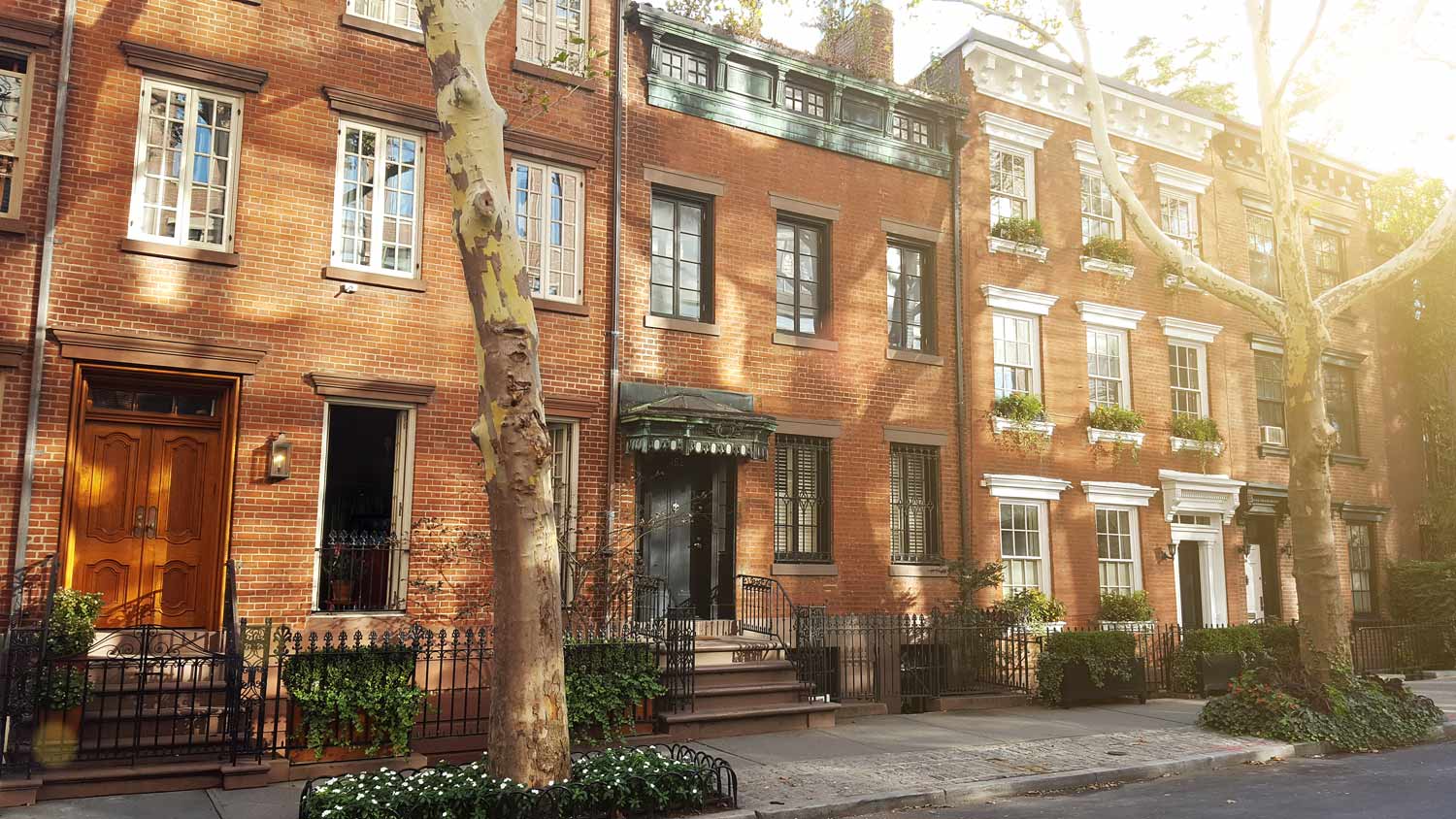
A brownstone is a townhouse featuring a sandstone facade in brown, red, or tan tones, with brick interiors and Italianate architectural details like tall windows.
Brownstone homes come with higher maintenance costs due to aging plumbing, outdated wiring, worn roofs, and specialty repairs like stoop restoration and antique material work.
Your brownstone offers timeless charm with ornate millwork, original hardwood floors, hand-carved details, and large windows that fill rooms with natural light and character.
Hiring a local masonry professional provides reliable support for sandstone facade repairs and stoop restoration, keeping your historic home structurally sound and beautiful.
There's a reason why most fictional NYC television characters live in a charming brownstone on a tree-lined street. Brownstone townhouses often come to mind when we think of ideal NYC, Philly, or Boston living. But what makes this type of house special? And what's it like to actually live in one of these 200-year-old homes? In this complete guide, we’ll explain what a brownstone is, why they’re popular, and how they went from an affordable option to an indication of wealth.
Around the early 19th century, middle-class families were on the rise in a burgeoning NYC. Many set their sights on owning a home and raising a family in the heart of Manhattan or Brooklyn.
Sandstone became the affordable (and stylish!) building material of choice. This brownish, red, or sand-tinted stone lined the front of single-family house rows, instead of more costly materials used by the elite.
Originally, these four- or five-story buildings housed an entire family. Nowadays, the majority of these buildings break up into several separate apartments. Areas such as the Upper West Side, Brooklyn Heights, and Park Slope have some of the largest concentrations of brownstones today.
A true brownstone townhouse typically includes:
Brown, red, or tan stone facade
Brick building material interior
Stone stoop
Italianate details on the facade
No space between buildings (homes are fully attached in a row)
The famous stoop on the front of the building has its own unexpected story behind it as well. The Gothamist reports that stoops were more a practical necessity than a place to split a bottle of wine with the neighbors as it is today. Originally, stoops protected brownstone owners from the piles of horse manure lining the city streets—luckily, we've come a long way since then, and so have our stoops.
Sandstone is a natural sedimentary rock that gets its name from the sand-sized particulates that make up the material. It’s usually red, brown, or tan in color, depending on the other components in the rock, like rust from iron oxide.
Sandstone has been a popular construction material for centuries for a few reasons:
It’s easy to shape. Since sandstone is softer than other natural rocks, it’s relatively easy to cut to desired shapes, including the rectangular brick shapes that are common on the exterior of brownstone homes.
It’s extremely durable. What is masonry good for if not durability? Sandstone is a sedimentary rock that’s made of dozens of layers of heavily compacted sediment. It’s incredibly supportive because of its internal formation, making it a great material for construction.
It’s visually appealing. Sandstone is an appealing material to look at, providing a natural, earthy tone. Customizable shapes make for intricate or intriguing designs as well.
It’s natural. Unlike vinyl siding, sandstone is naturally occurring. Brownstones are beloved in part because they fuse nature with urban living, making the natural material a welcome addition to the home’s exterior.
It’s a hearty material. Sandstone can stand up to harsh weather, making it a suitable material in just about any climate.
It’s fireproof. Sandstone is naturally fireproof. It can help keep a burning structure standing, providing additional safety for inhabitants.

As mentioned, the brown variety of sandstone was a popular material of choice for builders in the early 19th century due to its price, availability, and ease of use. The brown coloration of the sandstone led to the name “brownstone.”
Hematite iron ore mining produced a surplus of the soft brown stone, especially in the Northeast, which made it highly attractive to rapidly growing cities like Boston, New York, and Philly. Builders used the easy-to-carve stone for the facades, stoops, and ornate accents like door and window pediments, giving the building its “brownstone” appearance.
And while wealthy building owners originally preferred the clean natural look of granite, marble, and limestone, the Romantic era brought a new appreciation for brownstone's natural earth-like hue. By the middle of the century, the brownstone facade took center stage as a sign of wealth and style, welcoming more affluent touches throughout its design.
While city dwellers like to develop their own lingo for living arrangements and often use these terms interchangeably, there are differences between townhouses and brownstones.
A townhouse is a home that shares a wall with the home next door—or in some cases, both homes on either side. The residents enjoy a private entranceway and perhaps even a private back or front yard, but there is no space between the house and its neighbor. Townhouses differ from brownstones in the exterior material—they’re more likely to have vinyl siding than stone facades.
The term “brownstone” technically refers to the sandstone material used to construct the building. Living arrangements will vary depending on how landlords adapted the building over the years. You will find brownstones with multiple apartments, duplexes, and side-by-side townhouses. In other words, a townhouse can be a brownstone but a brownstone is now always a townhouse.
If you're considering renting or even buying a brownstone, there are some perks you can expect when you snag a coveted unit.
One of the biggest perks of living in a brownstone is the remnants of a time when indoor and outdoor architecture was more like intricate works of art. You'll spot exterior accents inspired by the Queen Anne, Romanesque Revival, and Neo-Grec styles.
Italianate features—think tall windows, dramatic doorways, and palatial ceilings—were popular in the time of early brownstone townhouse design. Enter a classic brownstone, and you'll likely encounter an expansive parlor room designed for welcoming guests, a long rectangular dining room, and a foyer that connects the two. The layout of each floor is often noticeably more open and filled with natural light than other apartment styles of the time. This welcoming of nature into the semi-industrial home is part of what makes brownstones so charming.
You may also spot signs of the time in the hand-carved details throughout the walls, windows, and doors. Ornate millwork elevates the space with carved crown molding, door frames, and elegant mantelpieces. The floors often still feature their original hardwood, antique tiles, or parquet style.
You can also often find romantic touches throughout the home, with fireplaces in primary bedrooms, wrought-iron accents on windows and doors, and carved wood banisters.
Brownstones are coveted in part because of their history as a means of welcoming nature into the home, there are few pros more appealing than having access to an outdoor area with your unit. If you purchase an entire brownstone and occupy it yourself, you’ll have a private outdoor area you can enjoy, which is a rarity in the urban areas where brownstones are popular.
If you live on the base or parlor floor of a brownstone, you may get to enjoy the ultimate dream: a small backyard garden or patio. This private space may increase the cost of the unit, but is so worth it, both for barbecues and bragging rights. In some cases, the outdoor area might be shared among the units, which means you’d still get occasional access to fresh air and sunshine.
If you purchase the top floor a brownstone, you might also have access to private space on the roof, which is still quite desirable.
At the end of the day, living in a traditional brownstone townhouse simply can't be beaten for city lovers. Many of these vintage structures sit in some of the most desirable and friendly urban neighborhoods throughout the Northeast, making them a prime place to settle down—if you can find one to call your own.
Of course, there are always downsides to any living arrangement, and brownstones are no exception. There are some drawbacks to the design to consider before purchasing a brownstone.
Owning a brownstone can become costly over time. Even though the iconic sandstone on the exterior is highly durable, brownstones are old and can come with higher unrelated maintenance costs. As an older structure, you may end up handling expensive upkeep, especially if past owners cut corners over the past two centuries. For example, brownstone owners may encounter:
Worn or cracked plumbing
Related water damage and mold
Knob-and-tube wiring
Older appliances
Pest issues
Leaking roofs
Outdated insulation
Damaged hardwood floors
Old gutter systems
Costly antique materials like tile and mantelpiece work
Specialty work like stoop repair
Outdated or damaged chimneys
Historic home renovations are often more expensive since you need the help of a highly skilled renovator as well as special city permits for altering historical architecture, if your brownstone qualifies as such. A masonry company near you can help make exterior repairs in accordance with local regulations, but the cost is likely to be quite high.
You likely won't encounter a lot of modern amenities in older brownstones, though many buildings have gotten a facelift over the past 20 years. Dishwashers and washing machines are becoming more common, but you won't find things like central air or soundproof windows in most brownstones.
Living in an older building may mean you're more likely to have issues with worn-out pipes, a struggling heating system, and the not-so-occasional pest issue. Foundation issues are also more common as homes age, and foundation repairs and stabilization can be quite expensive, especially when repairing those built over a century ago.
Speaking of old building quirks, you're unlikely to find an elevator in a brownstone. The center of the building typically includes a winding staircase reaching up to the top floor. Moving in and out of these higher apartments is a feat in itself, not to mention the weekly trek up the steps with an armful of groceries.
Before you decide to live in a brownstone, you should weigh the pros and cons listed above and ask yourself these important questions:
Are you okay with higher maintenance? Most brownstones are over 100 years old. The plumbing, facade, and roof might be aging and need more repairs than a newer home.
Are you comfortable with a historic designation? It can be brag-worthy to live in a historically-significant home, which many brownstones have been marked as, but that could mean restrictions on what you can change. Owners of landmarked buildings usually must ask a Landmarks Preservation Commission to get approval on paint colors, window frames, gutters, and more.
Can you afford repairs not covered by insurance? Some insurance policies will not cover restoration costs of a brownstone’s original features, or have tight restrictions on when they will cover those costs. In addition, insurance policies may be up to 40% more expensive.
Exquisite workmanship from Custom Paint Jobs LLC. My home has never looked better.
 Custom Paint Jobs, LLC
Visited my home for estimate same day that I called. Painted on Saturday. Great job. Good price!
Window Depot did an amazing job on my deck. I wasnt sure what I wanted to do, but their composite decking was affordable and will last a long time. I am excited to have family over, and I am no longer embarrassed by my backyard. Jeff and the ground crew were polite, respectful, and caring for...
 Window Depot USA of Central Ohio
The guys did an outstanding job and we had a great experience with CarifaTile. I appreciated that Joe reviewed the quotes with me and set expectations prior to the install. The crews showed up as scheduled and always left the areas clean upon leaving the house. We will definitely use...
 CarifaTile
Beginning with the estimate, Larry and Peyton were super helpful in getting my new condo's interior re-painted. Not only was the job well done, but also done in a super timely manner as promised.
 Five Star Painting of Plain City and Powell
BJ Trim Carpentry rescued me in the middle of a do-it-yourself project. I found I needed more expertise than I had...and more TOOLS! BJ Trim Carpentry responded quickly and completed what I needed expertly, politely and with a little humor!
This brownstone is historical and the carpentry work is very detailed. I was very happy to secure a company in NY and living in OH to complete the request. Wood work on this brownstone has been existing since approximately 1888 and West side did a GREAT JOB. I will not be able to...
 Westside Home Improvement
We had a great experience with Mark Rodgers Construction. We were in the process of seeking out estimates for possible foundation work for our front porch. Mark came out himself to provide the estimate. Turned out that the company deals mainly with concrete, so we wouldn't be getting an...
 Mark Rodgers Construction
Overall this experience was incredible! I looked on Angies List for a cleaning service because I was planning a holiday party and wanted to make sure we found a reliable, thorough and efficient cleaning service to make sure everything was perfect for the party since we had co-workers and...
From beginning to end our experience with Joe was very good. He was professional and prompt in his estimate for the job and worked hard to meet our schedule so that he could remove our old backsplash the day before our new countertops were removed and return shortly after they were removed to...
From average costs to expert advice, get all the answers you need to get your job done.
The cost to build a stone house is pricey. Learn why you need specialized workers to build the house to a level that’s good enough for you and the city.
Deciding to buy a home is one of the most important decisions you’ll ever make. Thankfully, today’s housing options offer up something for everyone. If you’re making the decision between a townhouse or a duplex, read this guide to understand both types.
If you are planning on buying a townhouse, you’re going to need to tackle the townhome purchase process. From finding mortgage lenders and real estate agents to dealing with HOAs, this is the complete checklist for buying a townhouse.
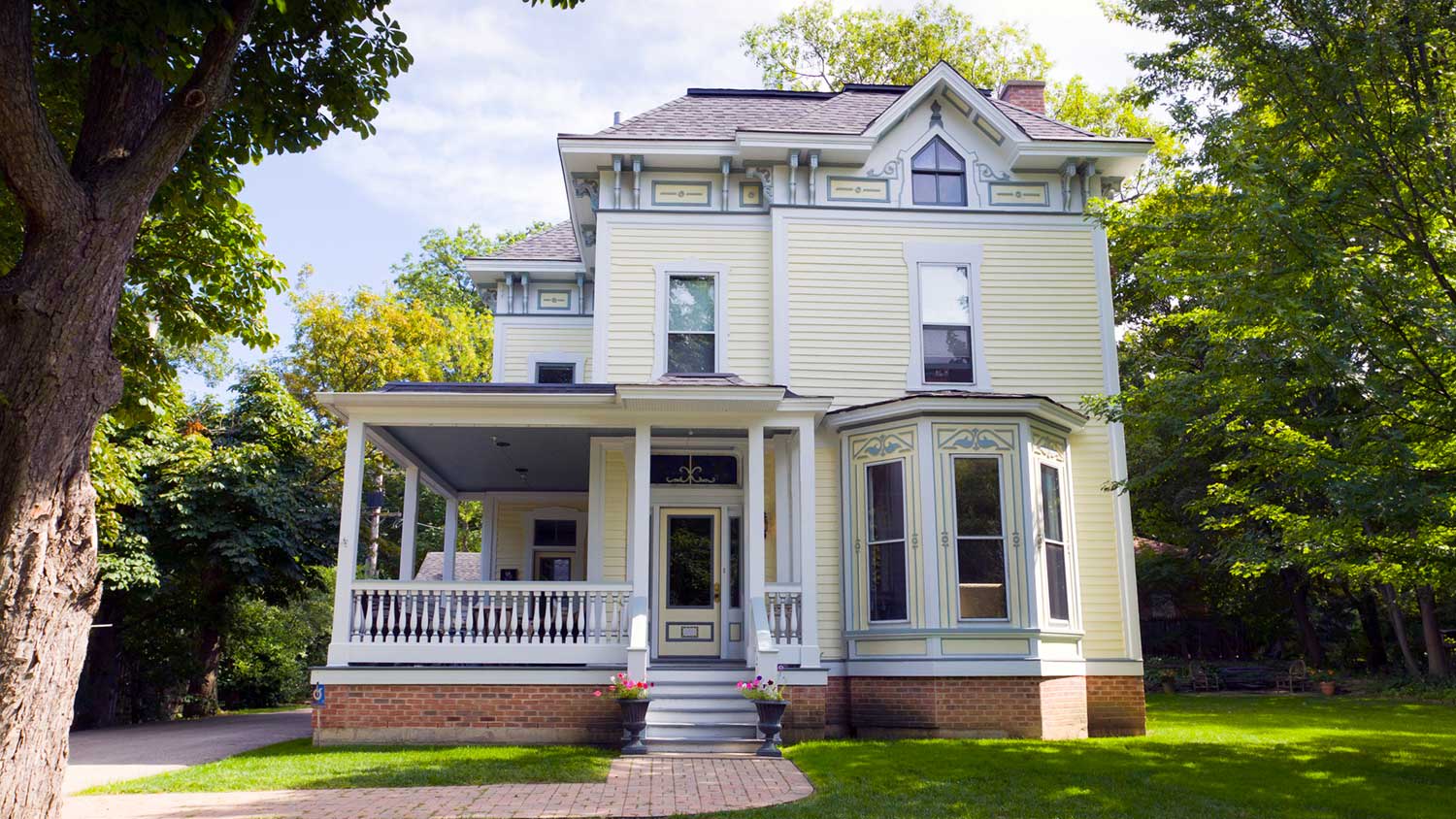
The Italian Victorian house was unsurprisingly one of the most ornamental and popular designs across Europe and the U.S.
The U.S. has a wide variety of popular house styles. Learn more about common architectural styles and which is best suited to your needs.
This article explains the key differences between flagstone and bluestone and helps you determine which is the better option for your home.