

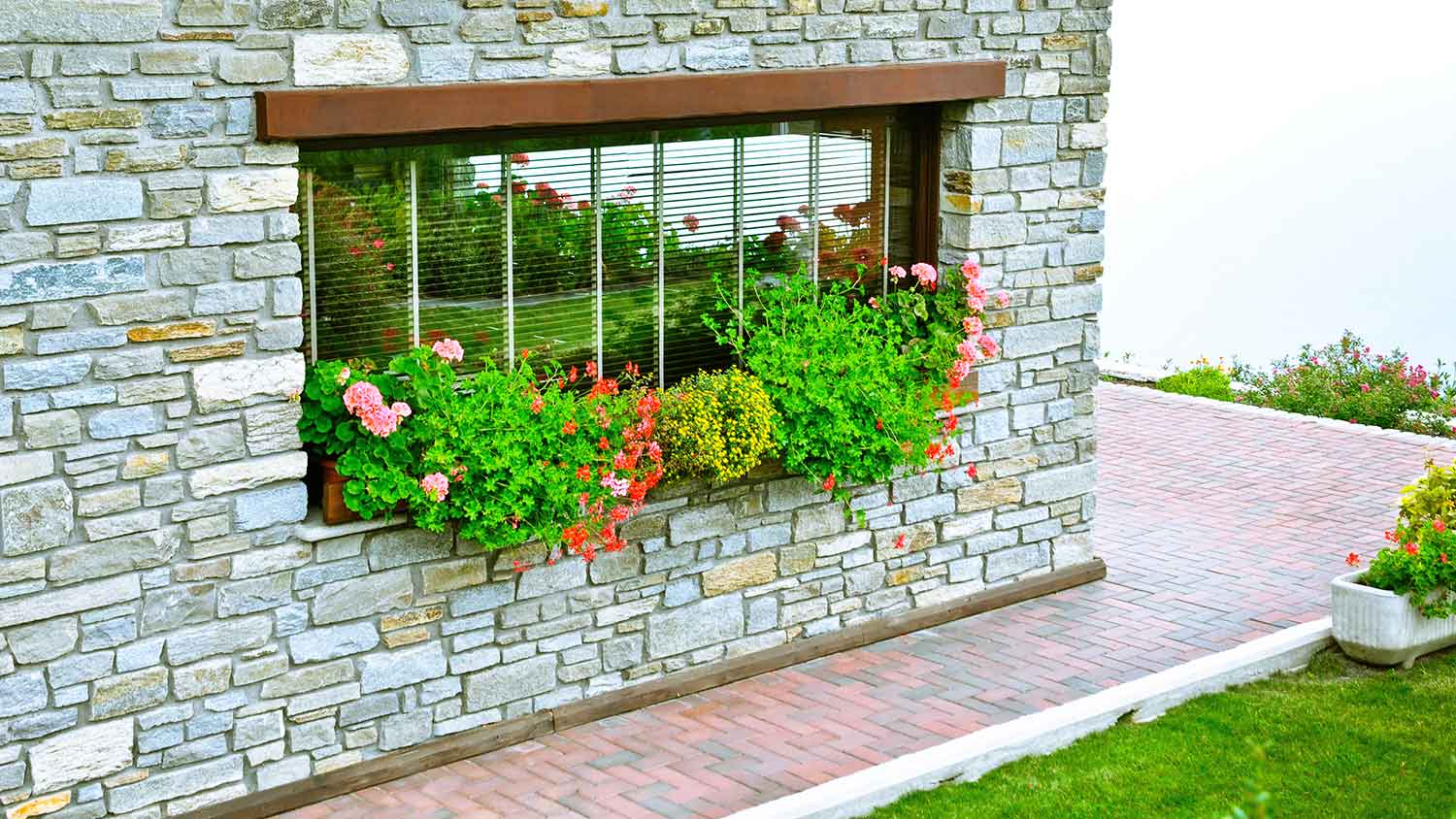
While a stone wall typically costs thousands of dollars, the value it brings to your home can raise its value both aesthetically and monetarily.
Pavers and hardscaping service costs depend on your project and location. Check with a local pro for your specific job.

Stone step installation costs between $1,400 and $5,525, with your choice of stone material impacting your final total.
The number of steps and the size of each tread determine how much labor your project requires for cutting and installation.
You should account for excavation costs between $50 and $200 per cubic yard and building permits averaging $1,330 when creating your budget.
Hiring a local landscaping professional ensures your stone steps are level and securely installed to prevent tripping or structural issues.
In 2026, the national average cost to install stone steps is $2,200, though your total will vary based on the size of your project and the type of stone you choose. Most homeowners spend between $1,400 and $5,525, with costs as low as $900 for budget-friendly options like bluestone or as high as $12,000 for premium materials like granite.
The type of stone you choose is one of the biggest variables in your total project cost, so researching your options before committing is time well spent. Bluestone sits at the affordable end, with installed costs around $1,400, while granite can reach as high as $12,000 installed.
If you hire a local landscaper, they can help you weigh the pros and cons of each material and ensure safe delivery and installation. The table below breaks down the average cost of stone steps based on material:
| Material | Cost per Linear Foot in 2026 |
|---|---|
| Bluestone | $15–$30 |
| Granite | $45–$95 |
| Limestone | $25–$50 |
| Slate | $30–$55 |
| Sandstone | $30–$50 |
| Flagstone | $15–$55 |
| Concrete | $20–$65 |
Some stones are far more labor-intensive to cut and set than others, which means your material choice affects both the material line and the labor line on your estimate.
Bluestone is one of the most budget-friendly stone options, with material prices running $15 to $30 per linear foot and a total installed cost of $900 to $2,000 for a standard staircase. Labor adds $500 to $1,200 to the cost of materials, making it a predictable choice for cost-conscious homeowners. Its affordability doesn't come at the expense of durability, which is why bluestone remains one of the most popular choices for exterior steps.
Granite is the most expensive stone step option, with material costs ranging from $45 to $95 per linear foot and installation costs ranging from $4,000 to $9,000. The higher price reflects the difficulty of working with large granite tiles, which require precise cutting and extra labor time. If longevity and a high-end aesthetic are priorities, granite delivers on both counts despite its premium cost.
The average cost of a flagstone staircase ranges from $900 to $5,500, with materials priced at $15 to $55 per linear foot and installation adding $20 to $160. Flagstones are available in red, blue, and tan hues with naturally unique patterns, making them a strong choice for homeowners who want a custom look that complements their property. Flagstone is durable and long-lasting, though it can crack more easily than other stone types if struck by something sharp or heavy.
Limestone steps cost $25 to $50 per linear foot, or $1,300 to $3,250 for an average-sized staircase, including installation. Installation labor runs $30 to $80 per linear foot, which is comparatively budget-friendly next to higher-end stone options. Limestone strikes a solid balance between visual appeal and affordability, making it a popular mid-range choice for exterior steps.
Concrete steps cost between $1,300 and $6,000, including installation, with materials averaging $30 to $65 per linear foot and installation adding $32 to $160 per linear foot. Precast concrete steps are the more affordable option at around $100 per step—they're molded offsite, arrive ready to use, and require no curing time after installation. Poured concrete steps cost up to $300 per step and are cast directly onsite, which means more labor and a wait for the concrete to cure before the steps can be used.
Sandstone steps cost $30 to $50 per linear foot for materials, with labor adding another $40 to $120 per linear foot. A standard staircase with installation typically runs $1,750 to $4,500, landing sandstone squarely in mid-range territory. Its natural texture and warm tones make it a visually appealing option for homeowners who want character without paying granite-level prices.
Slate steps cost between $2,000 and $5,400 for all materials and installation, placing them firmly in the mid-range category alongside sandstone. Material costs run $30 to $55 per linear foot, with labor adding $50 to $150 per linear foot on top. Slate's natural layered texture gives it a distinctive look, and its density makes it a durable, long-term choice for exterior steps.

Stone step installation costs stay low for simple projects using budget-friendly materials. However, costs can escalate quickly depending on your project's scope, custom requirements, and additional unexpected expenses.
Staircase size and step count directly dictate the total project cost, ranging from $300 for a small set to over $5,200 for full flights. Larger, thicker, or custom-cut treads (anything outside standard 2-foot widths) and complex shapes such as angles or turns significantly increase material and labor costs. The table below breaks down the average cost of stone steps based on staircase size:
| Staircase Size (Steps) | Average Cost in 2026 |
|---|---|
| 1-3 | $300–$1,200 |
| 4-5 | $450–$1,600 |
| 5-7 | $1,500–$2,000 |
| 8-10 | $2,100–$4,000 |
| 11-15 | $3,000–$5,200 |
Replacing existing steps is almost always less expensive than building new ones from scratch, since an existing foundation eliminates a significant portion of the labor. Sticking with the same material keeps costs even lower—for example, the cost of patching concrete steps can be as little as $20. If you're removing an entire staircase rather than patching it, budget for removal costs, which range from $400 to $700 for concrete steps.

Your choice of stone material is one of the most consequential cost decisions in any stone step project, with prices ranging from $900 to $12,000 for a standard staircase, depending on what you select. Common options like bluestone and flagstone sit at the lower end of that range, while granite commands the highest prices. Granite costs the most, not just for the material itself, but also because its large tiles require more precise cutting and additional installation time.
Simple designs and configurations will lower costs, whereas more advanced designs will increase labor costs. Some examples of more advanced stone step designs include mosaic patterns, intricate carvings, spiral steps, or interlocking puzzles. Remember that more advanced designs may also result in higher maintenance or stone restoration costs down the line, given the complexity of cleaning them.
Excavation is a necessary step for most stone step projects, and for smaller, flat areas, some homeowners can handle light digging themselves to reduce labor costs. For larger or uphill installations, you'll likely need local excavation workers to properly dig out and level the site. Excavation costs range from $50 to $200 per cubic yard, and the total expense scales with the volume of earth to be removed.
A building permit may be required before installing stone steps, with permits averaging $1,330 and ranging from $405 to $2,250 depending on your location. Requirements and fees vary by state and sometimes by city, so confirm what's needed in your area before work begins. If a permit is required, plan for a post-installation inspection as well, which typically costs around $300.
Stone step installation companies typically charge $25 to $50 per hour in labor, on top of material and equipment costs. Bringing in a general contractor to plan and oversee the project pushes that rate to $50 to $125 per hour. For a step with material costs in the $100 to $300 range, expect to pay between $90 and $250 in labor on top of that.
Stone step installation averages $2,200, with costs ranging from $1,400 to $5,525, depending on the material and design. Labor typically runs $25 to $50 per hour, and while DIY can reduce that expense, stone step projects involve excavation, leveling, cutting, and mortar work that can go wrong quickly without professional experience. Hiring a local brick and stone installer ensures your steps are level, structurally sound, and built to last.
Building stone steps is an intricate process involving heavy materials and specialized tools. Here's why it's best to leave this project to the pros:
Professionals ensure that each step is level, even, and securely installed to prevent tripping or structural issues.
Experienced installers can cut and shape stones accurately, reducing waste and ensuring a seamless look.
Hiring a pro saves time and reduces the risk of costly mistakes or injuries from handling heavy stones and equipment.
If you're confident with your masonry or landscaping experience, here are a few safer DIYs that can help save labor costs:
Handle light excavation or debris removal for smaller projects
Choose and order the stone materials ahead of time based on your design preferences
Apply sealant or finish once the steps are installed to help protect them from moisture
Prepare to discuss which stone type best suits your durability and aesthetic goals, as well as your budget.
Consult your stone pro about any desired design details, such as mosaics or curved steps, and how they’ll affect your costs.
Ask your pro whether excavation or foundation work will be needed before installation.
Confirm if a building permit or inspection is required for your project.
Home is the most important place on earth, which is why Angi has helped more than 150 million homeowners transform their houses into homes they adore. To help homeowners with their next project, Angi provides readers with the most accurate cost data and upholds strict editorial standards. We extensively research project costs to develop the pricing data you see, so you can make the best decisions for you and your home. We rely on reputable sources, including the U.S. Bureau of Labor Statistics, academic journals, market studies, and interviews with industry experts—all to ensure our prices reflect real-world projects.
Want to help us improve our cost data? Send us a recent project quote to [email protected]. Quotes and personal information will not be shared publicly.
I recently moved to another state and chose United Trust Van Lines after comparing several companies. Their team was punctual, professional, and extremely careful with my belongings. I was especially impressed with how they handled my home office setup and fragile items. Everything arrived on...
 United Trust Van Lines, LLC
Mitchell and the crew were top tier i am so happy with my new roof
 Home Genius Exteriors
This company does it right. Firstly, I want to say that Landan was a joy to work with. He was so kind, transparent, and had everything under control. His entire team showed up ready to work and they were all very respectful of the fact that we were in an office space. A little backstory – we...
 Krumlauf Floors
Amazing job. Efficient and quick without compromising quality. Basement feels brand new. Would use them again in a heartbeat.
 AffordaPro Restoration
D1 Roofing delivers outstanding service from beginning to end, backed by a strong warranty and expert teams. I highly recommend them for their excellence in meeting and surpassing expectations with unmatched communication. Choosing D1 Roofing was flawless decision
 Division 1 Roofing LLC
I'm a repeat customer of All Star Paving & Sealing and I appreciate the service that all start paving has done for me in the past. I just recently had them out for an estimate and things couldn't have gone better. The staff that they send out to do the estimates are very knowledgeable. The...
 All Star Paving and Sealing
Supreme Brick & Chimney did an excellent job restoring the brick and mortar joints on my home. Their team was professional, knowledgeable, and completed the work on time. I highly recommend them and will hire them again in the future! Thanks!
 Supreme brick & chimney
Window Depot did an amazing job on my deck. I wasnt sure what I wanted to do, but their composite decking was affordable and will last a long time. I am excited to have family over, and I am no longer embarrassed by my backyard. Jeff and the ground crew were polite, respectful, and caring for...
 Window Depot USA of Central Ohio
They are very reliable and available. They the drains all the time
 The Waterworks
We had a 20+ year old landscape lighting system that needed replacement. Midwest Lightscapes worked with us to design a much improved lighting system, lighting the exterior of the house and the back yard. Installation of the 45 light system took one and one-half days, and went very smoothly....
 Midwest Lightscapes
From average costs to expert advice, get all the answers you need to get your job done.
While a stone wall typically costs thousands of dollars, the value it brings to your home can raise its value both aesthetically and monetarily.
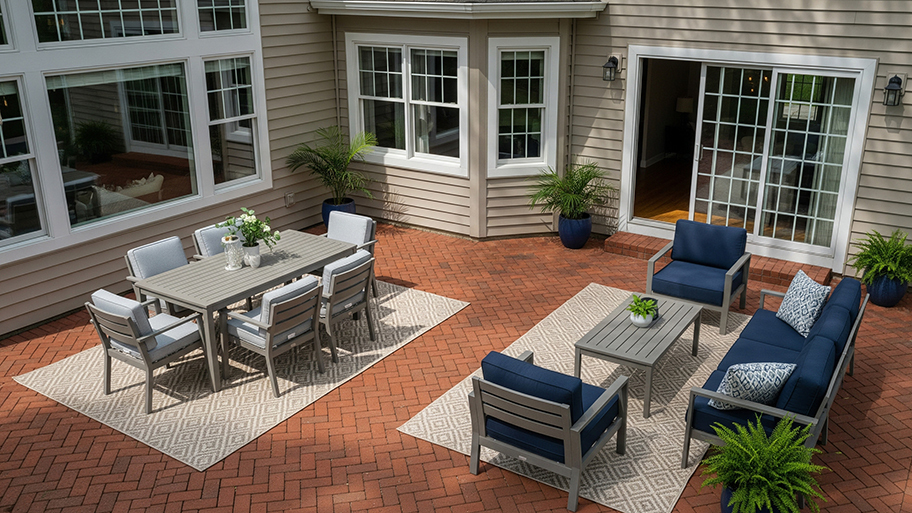
Discover the true stone patio cost to plan your budget. Learn about material, labor, and cost factors to estimate your project and make informed decisions.
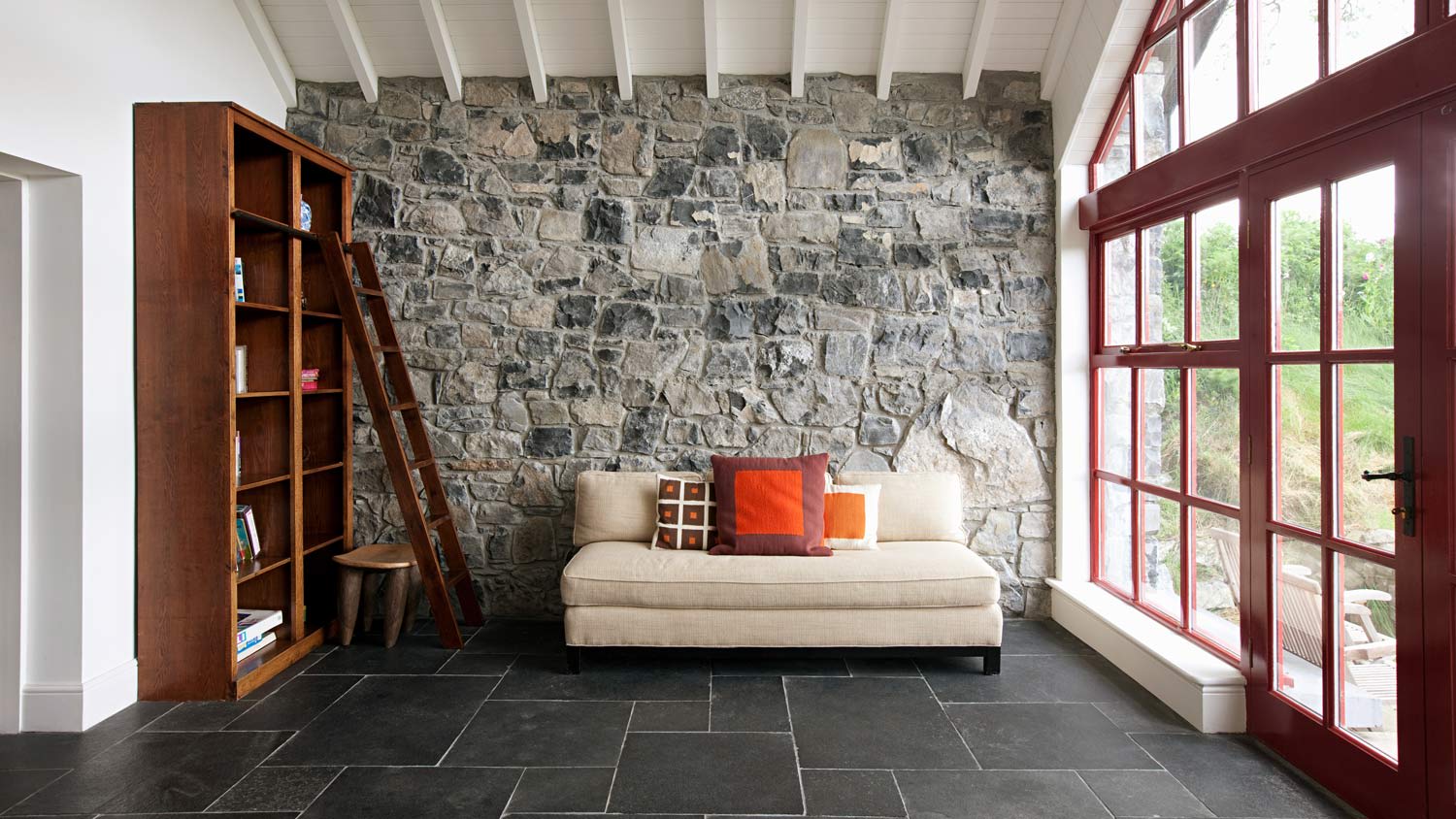
Discover the average stone restoration cost, including price ranges and key factors, to help you plan your next home project with confidence.
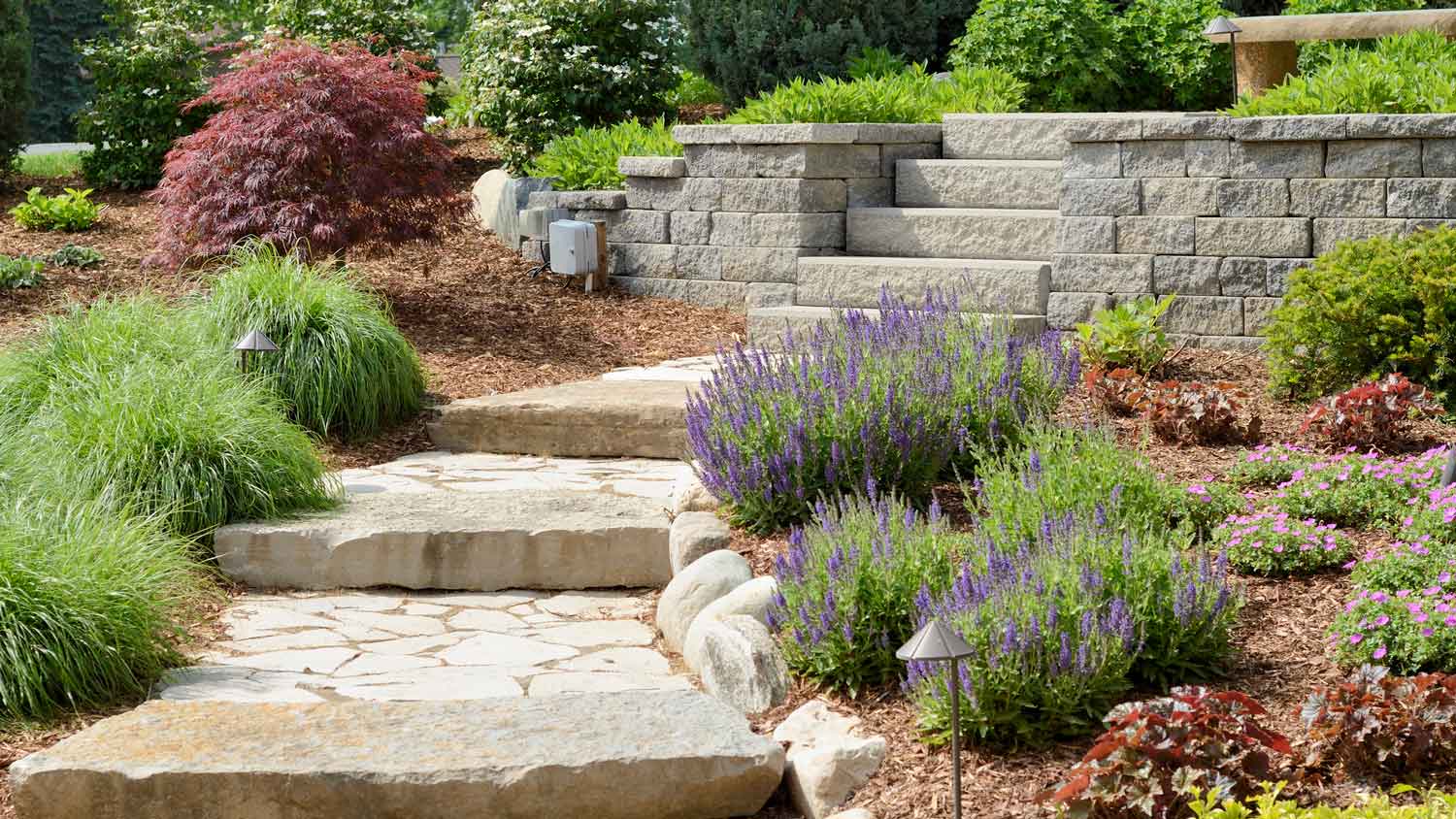
Learn how to build stone steps on a slope. Discover the tools, supplies, and instructions needed to create a functional addition to your landscape.
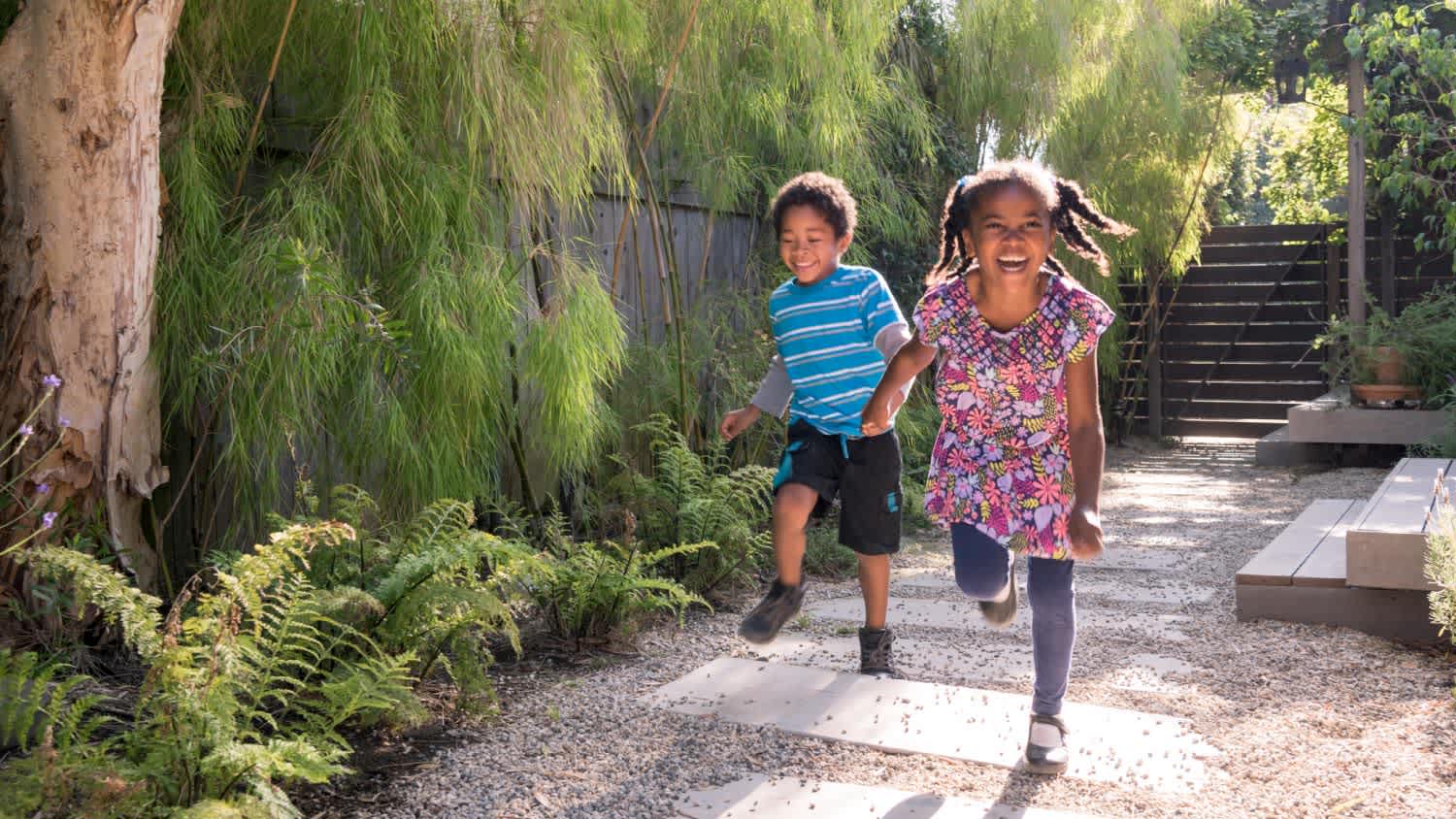
Create a beautiful, long-lasting path by learning how to lay stepping stones using our guide and a bit of sweat equity and muscle power.
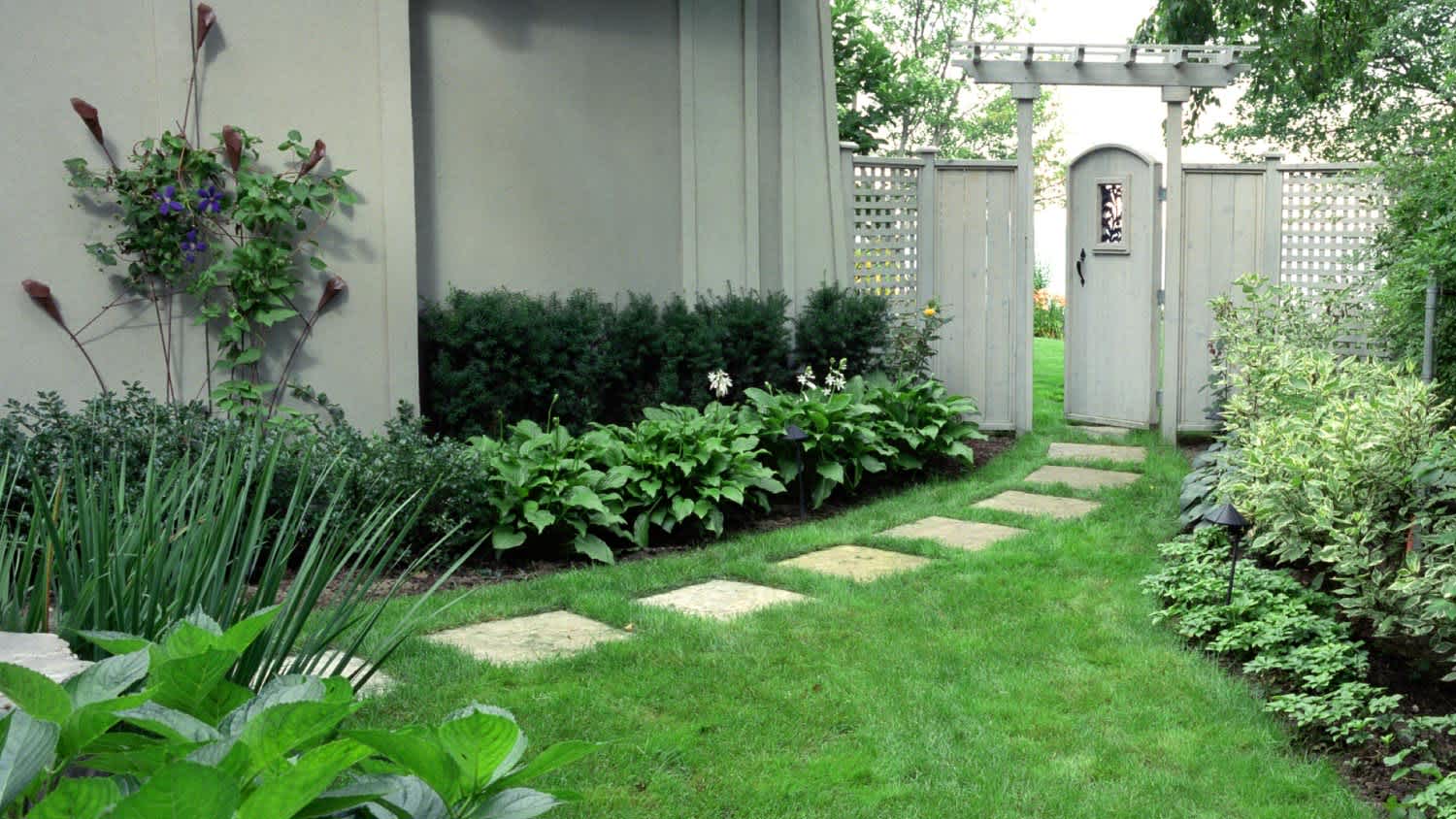
Looking to beautify your outdoor area with a walkway? Use these stepping stone walkway ideas for inspiration for adding a bit of tranquility to your space.