

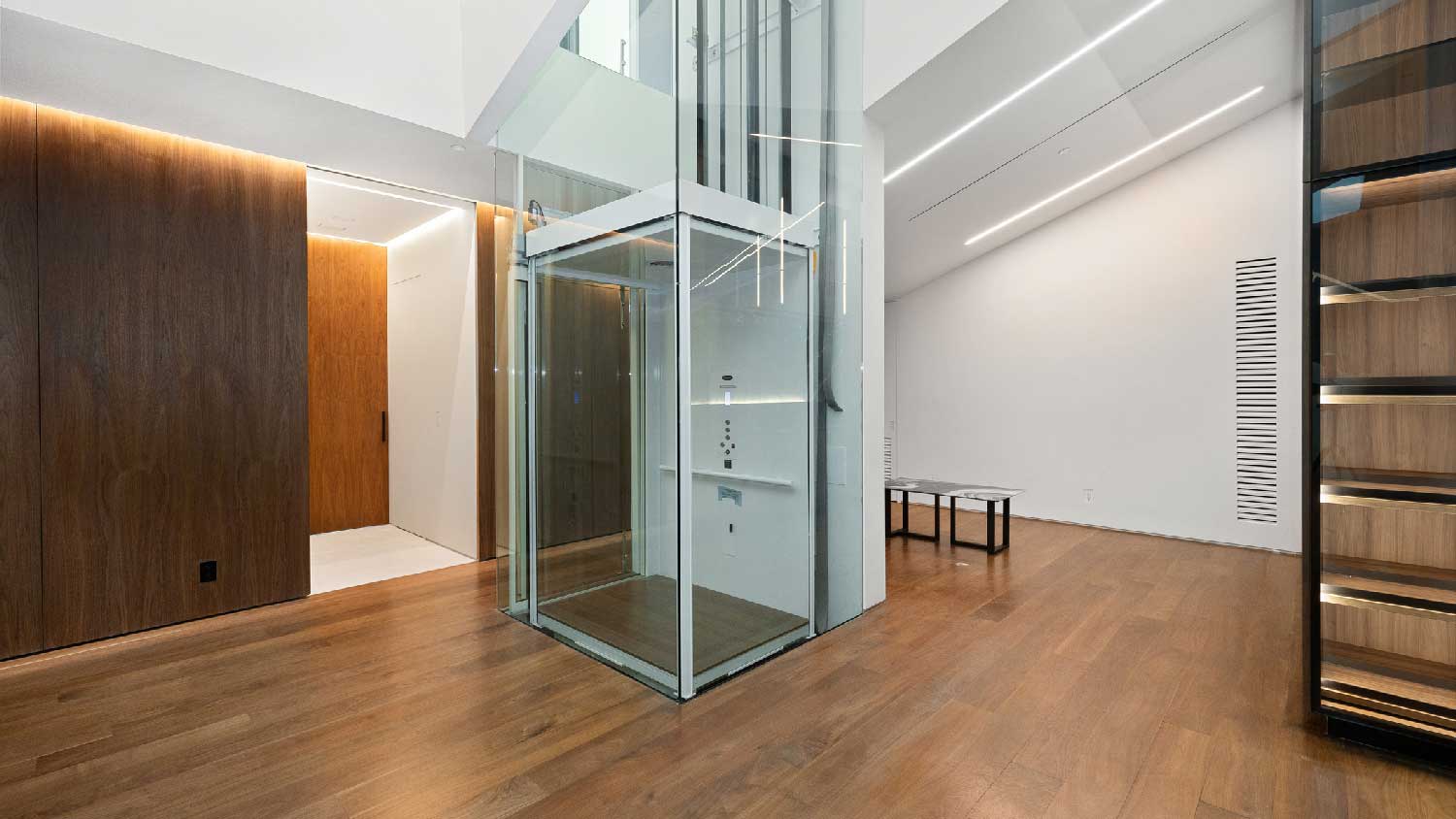
Find out how much a shaftless home elevator costs, including additional factors that can drive up the overall installation price.
Contractor service costs depend on your project and location. Check with a local pro for your specific job.

Home elevator installation costs between $2,711 and $5,930 based on floors served and retrofit work in your home.
The elevator type you select determines your total, and your cab finishes and features also raise costs.
Remember to account for permits, annual inspections, and maintenance contracts so your budget covers both up-front and ongoing costs.
Hiring a local elevator company ensures the installation meets building codes and keeps your household safe during the complex construction process.
In 2026, the national average cost to install a home elevator is $4,191, based on data from 500 verified projects reported by Angi Pros. Most homeowners pay between $2,711 and $5,930, with the spread driven by elevator type, number of floors served, and the extent of retrofit work required. If you're adding high-end cab finishes or significant structural modifications, your total could climb toward the higher end of that range.
The final cost of a home elevator depends mainly on the type of elevator, with prices ranging from $2,000 to $60,000 depending on the model you choose. Different brands offer different features, but the underlying mechanics within each category remain consistent. Your elevator installer can evaluate your home's layout and recommend the model that best fits your needs and budget. Costs vary significantly by elevator type, as the breakdown below shows.
| Elevator Type | Cost Range in 2026 |
|---|---|
| Vertical platform lift | $5,000–$20,000 |
| Pneumatic elevator | $35,000–$60,000 |
| Hydraulic elevator | $25,000–$50,000 |
| Shaftless elevator | $15,000–$25,000 |
| Cable-driven elevator | $15,000–$35,000 |
| Geared traction elevator | $25,000–$38,000 |
| Gearless traction elevator | $29,000–$55,000 |
| Outdoor elevator | $2,000–$10,000 |
A vertical platform lift is one of the most affordable home elevator options, typically costing $5,000 to $20,000 for a device that can travel up to 14 feet. It can be installed indoors or outdoors and supports a range of customizations to suit your space. If your home requires structural modifications such as additional studs or ramps, budget for extra costs beyond that base range.
Pneumatic elevators are the most expensive home elevator type, with costs running $35,000 to $60,000, and individual manufacturers publish their own price lists showing specific options within that range. These elevators feature glass cabins that create a modern aesthetic and offer passengers a view of the surrounding space, making them a design statement rather than a discreet addition. They use vacuum pressure to move the cab between floors and require less floor space than most other elevator types, though their visibility makes them a poor fit for homeowners who want a more private installation.
Hydraulic elevators cost $25,000 to $50,000 on average and operate using a hydraulic pump connected to a cylinder that raises and lowers a piston to move the cab. They are among the most durable options available, require no separate mechanical room, and run quietly with a slim profile. Their high weight capacity and ability to serve multiple floors make them a strong choice for making a wheelchair-accessible home.
A shaftless elevator costs $15,000 to $25,000 and is a compact, single-person solution designed for small spaces that can travel only one floor, with installation requiring nothing more than drilling through the ceiling or mounting the unit to your home's exterior. If you want a custom-built version with finishes like tile or wood paneling, or the ability to conceal the unit behind walls, be prepared to pay an additional $70,000 or more on top of the base price.

A cable-driven elevator costs $15,000 to $35,000 to install, and you should also budget $2,000 to $3,000 for cable replacement every three to five years. This is the type most homeowners picture when they think of a home elevator: it uses a pulley system of traction steel ropes attached to a counterweight drum, activated by an electric motor gearbox. The system does not require a large footprint, though the drum itself is bulky and will need dedicated space.
A geared traction elevator costs $25,000 to $38,000 and operates through a system of geared pulleys that moves more slowly than gearless models, which translates to lower energy bills over time. With a maximum traveling distance of 250 feet, it handles any residential application comfortably, though you should expect higher ongoing maintenance costs compared to gearless alternatives.
A gearless traction elevator costs $29,000 to $55,000 to buy and install, making it a practical choice for homeowners retrofitting an existing home. It uses a track and counterweight system that eliminates the need for a pit or a dedicated mechanical room, though you will need sufficient space above the shaft to house the operating equipment.

Outdoor elevators range from $2,000 to $10,000, making them one of the most affordable home elevator options available. They are built from weather-resistant materials like aluminum and come in a variety of platform sizes and configurations to match your specific needs.
Hiring an elevator installer typically costs $700 to $15,000, with the wide range reflecting how much labor your specific home requires. Retrofitting an existing home to accommodate a new elevator is more complex than a straightforward installation, which pushes costs toward the higher end of that range. You should also plan for ongoing professional maintenance after installation; our home elevator troubleshooting guide can help you understand the types of issues you may encounter. Costs vary by the specific tasks involved, as the breakdown below shows.
| Elevator Installation Tasks | Average Cost in 2026 |
|---|---|
| Site inspection | $70–$1,500 |
| Framing and shaft construction | $200–$4,500 |
| Lift and wiring set up | $300–$6,000 |
| Installing doors and sensors | $100–$2,000 |
| Testing and adjustments | $30–$1,000 |
Most elevator companies employ pro installers, but general contractors in your area can also handle the work if they hold the right credentials and local codes permit it, with some jurisdictions allowing general contractors to install smaller elevators (5,000 pounds and under) while others require specialty-licensed elevator installers. Your local building permit office can confirm which rules apply to your home.
General contractors can also manage the full project scope, from planning and purchasing through final inspections, and are especially useful when a retrofit or broader construction work is involved alongside the elevator installation itself. Contractors cost an average of $4,000 and charge $300 to $500 per day.
Home elevator installation often requires a full home remodel. We recommend contacting a pro to ensure the whole process goes smoothly.

Materials and labor are the bulk of most elevator installation projects, but other specifics can increase the cost of your job. Here's what factors in.
Equipment and materials for a home elevator installation cost $1,000 to $40,000, reflecting the wide range of machinery and systems that different elevator types require to operate. Every elevator involves more than just a cab and a shaft, and the specific components your model needs will have a direct impact on your total project cost.
Hoistway: This is the shaft where the elevator car moves, but shaftless elevators don't require a hoistway. Depending on your elevator model, the hoistway will be more or less complicated, which will change the cost of your system.
Machine room: Most machine rooms house the control box, hydraulic tank, drum motor, cables, and other equipment specific to the elevator model. Elevators without a machine room have self-contained motors and controllers inside the elevator shaft.
Structure equipment: The elevator structure holds the elevator up in the shaft and includes guide rails, rail brackets, the counterweight system, and mechanical devices for the drive system. Since every elevator model differs, this structure and equipment will have different costs.
Car: Elevator cars, the area where passengers ride, can be simple to luxurious, and your choices will affect the overall cost. Adding seating, lighting, mirrors, specialty paneling, or matching the car's decor to that of your home can add $300 to $5,000 or more to the project.
Site preparation for a home elevator installation costs $500 to $15,000, depending on how much work is needed to ready the area before the cabin can be installed.
Each additional floor your elevator serves adds $5,000 to $15,000 to the project cost, so a four-story home could see the bill increase by $15,000 to $45,000 beyond the base installation price. Homeowners with three- or four-story buildings should also note that vertical platform lifts and shaftless models are not viable options, since both are limited to a maximum of two floors.
Installing an elevator during new construction is significantly less expensive than retrofitting one into an existing home, because the shaft and equipment space can be planned from the start rather than carved out later. A retrofit requires your contractor to clear space for the pit and shaft, reroute HVAC systems, and relocate any electrical or plumbing lines in the way, and you can pay up to three times more compared to building the elevator in during original construction. Replacing an old or non-functioning elevator with an updated model is generally more affordable than a full retrofit from scratch.
High-end customizations like modern glass paneling or ornate Victorian woodwork can push home elevator prices over $50,000. Smaller additions such as built-in phones or music speakers are far less costly, though it is still worth comparing quotes before committing to any customization package.
Standard accordion fold gate doors are the default option for home elevators, but upgrading to a decorative or modern automatic sliding door can add up to $25,000 to your project. A concealed door is worth considering as a resale investment, since it integrates more seamlessly with your home's interior design.
Maintenance contracts are optional but worth considering, since elevator repair and upkeep labor alone runs $75 to $100 per hour. Many contracts bundle annual inspections into the agreement, which helps keep your elevator legally compliant and running safely. Costs for permits, inspections, and maintenance contracts vary, as the breakdown below shows.
| Home Elevator Requirements | Average Cost Range in 2026 |
|---|---|
| Building permit | $200–$2,000 |
| Annual inspection | $75–$300 |
| Annual maintenance contract | $200–$350 |
The brand you choose will ultimately come down to your style preferences and budget, since manufacturers offer a wide range of prices and design options. Costs vary by brand, as the breakdown below shows.
| Home Elevator Brand | Average Cost in 2026 |
|---|---|
| Easy Climber | $12,000–$16,000 |
| Telecab | $28,000–$35,000 |
| Stiltz | $20,000–$25,000 |
| Inclinator | $25,000–$35,000 |
Where you live can meaningfully affect what you pay for a home elevator installation. Labor costs are generally higher in large cities than in suburban or smaller markets, while rural locations can also drive up costs due to limited competition among local installers.
Before budgeting for the cost of a home elevator, it makes sense to consider your specific needs and if similar home upgrades can better fulfill those needs (and for less money). Two other common home upgrades similar to elevators include stair lifts and dumbwaiters.
Home dumbwaiters cost $8,000 to $12,000, making them significantly more affordable than a full home elevator, but they are designed exclusively to transport goods such as groceries, laundry, or trash between floors rather than people. Because residents still need to use the stairs themselves, a dumbwaiter is best suited to households where mobility is not a concern and the primary goal is reducing the risk of carrying heavy items between levels.
Installing a stair lift costs $2,300 to $24,000 depending on your staircase configuration and the model you choose, making it a more affordable alternative to a full home elevator. Stair lifts also require less structural remodeling and are easier to remove if you sell the home, though they are not a practical solution for wheelchair or walker users. A platform stair lift can accommodate wheelchairs, but these cost $5,000 to $20,000 for a standard straight staircase and only work on straight, wide staircases. If you are navigating accessibility decisions more broadly, our guide to wheelchair-accessible homes covers the full range of updates to consider.
Let's be real, DIYers (even good ones) should call a local home elevator installer. In fact, we can't think of many other jobs where it makes more sense to hire a pro. The work involves extremely heavy items, requires years of experience, and is simply unfeasible, and possibly downright illegal, to do yourself.
Other than it being required, here are some other reasons to hire a pro:
A pro will possess the proper licensing and insurance. This is extremely important for work like this, where safety is a major concern.
You may be able to access special rebates if you are disabled and the elevator is a necessity. A pro will have experience with this aspect.
You will need a pro to do the work, otherwise the work won't be compliant with building codes.
A shaft may need to be created, which is another project you cannot DIY.
Pros carry obscure tools that homeowners seldom have, or even have access to.
Any warranty will be voided if you attempt to work on an elevator yourself. This is a high-cost mistake.
You may be able to negotiate a discount for future maintenance if you hire the same pro.
Though installing an elevator comes with a hefty price tag no matter what, there are some things you can do to make it somewhat more budget-friendly:
Opt for a Basic Design: Simple vertical platform lifts and cable-driven elevators are the most wallet-friendly options. Ask yourself whether you really need that dream top-of-the-range pneumatic model with customized glass panels.
Stick With Small Options: Is a spacious 5-by-7-foot elevator essential for your family? You'll save a lot by opting for a more compact 3-by-4-foot design, even if you can only fit one person in at a time.
Fewer Floors: Do you need elevator access to all the floors of a four-story townhouse? If not, installing a lift to reach only the second story delivers big savings.
Avoid Retrofitting: Are you debating whether to install an elevator during a new home build? Remember that doing it at this stage is more cost-effective than ripping out and retrofitting later on.
DIY Prep or Finish Work: If you're a keen DIYer, check with your contractor to see if there are any simple prep or tidy-up jobs you can do to reduce their labor charges.
Home elevators might be costly, but they can offer an ROI of about 50%. If you install an elevator in your home, you may see a return of 10% to 20% of your home's value. Of course, the final figures will depend on your neighborhood, property type, and the elevator you install.
To get the biggest ROI, match the type of elevator with your property. For example, choose a luxury elevator for an upscale home and match the elevator's architectural and decor style to your home design.
If your home has three or more stories, an elevator may make more sense (than in a two-story home) and appeal more to buyers. However, buyers searching for a forever home may like the option of an elevator for long-term accessibility and comfort, so even a simple elevator can increase your home's value.
If you are installing a new elevator, do some research on different brands and have questions ready about the pros and cons of each.
Expect a large variance in quotes. For large projects like this, you should get at least 2 or 3 and compare.
If you already have an elevator, gather all of the past services done, and get any manuals you might have for the existing elevator. If you can’t find them, manufacturers would be happy to send them to you.
Be ready if a pro says there is only one location where an elevator might make sense in your home (or is even possible).
Home is the most important place on earth, which is why Angi has helped more than 150 million homeowners transform their houses into homes they adore. To help homeowners with their next project, Angi provides readers with the most accurate cost data and upholds strict editorial standards. We survey real Angi customers about their project costs to develop the pricing data you see, so you can make the best decisions for you and your home. We pair this data with research from reputable sources, including the U.S. Bureau of Labor Statistics, academic journals, market studies, and interviews with industry experts—all to ensure our prices reflect real-world projects.
Want to help us improve our cost data? Send us a recent project quote to [email protected]. Quotes and personal information will not be shared publicly.
Exquisite workmanship from Custom Paint Jobs LLC. My home has never looked better.
 Custom Paint Jobs, LLC
Visited my home for estimate same day that I called. Painted on Saturday. Great job. Good price!
Window Depot did an amazing job on my deck. I wasnt sure what I wanted to do, but their composite decking was affordable and will last a long time. I am excited to have family over, and I am no longer embarrassed by my backyard. Jeff and the ground crew were polite, respectful, and caring for...
 Window Depot USA of Central Ohio
The guys did an outstanding job and we had a great experience with CarifaTile. I appreciated that Joe reviewed the quotes with me and set expectations prior to the install. The crews showed up as scheduled and always left the areas clean upon leaving the house. We will definitely use...
 CarifaTile
Beginning with the estimate, Larry and Peyton were super helpful in getting my new condo's interior re-painted. Not only was the job well done, but also done in a super timely manner as promised.
 Five Star Painting of Plain City and Powell
BJ Trim Carpentry rescued me in the middle of a do-it-yourself project. I found I needed more expertise than I had...and more TOOLS! BJ Trim Carpentry responded quickly and completed what I needed expertly, politely and with a little humor!
This brownstone is historical and the carpentry work is very detailed. I was very happy to secure a company in NY and living in OH to complete the request. Wood work on this brownstone has been existing since approximately 1888 and West side did a GREAT JOB. I will not be able to...
 Westside Home Improvement
We had a great experience with Mark Rodgers Construction. We were in the process of seeking out estimates for possible foundation work for our front porch. Mark came out himself to provide the estimate. Turned out that the company deals mainly with concrete, so we wouldn't be getting an...
 Mark Rodgers Construction
Overall this experience was incredible! I looked on Angies List for a cleaning service because I was planning a holiday party and wanted to make sure we found a reliable, thorough and efficient cleaning service to make sure everything was perfect for the party since we had co-workers and...
From beginning to end our experience with Joe was very good. He was professional and prompt in his estimate for the job and worked hard to meet our schedule so that he could remove our old backsplash the day before our new countertops were removed and return shortly after they were removed to...
From average costs to expert advice, get all the answers you need to get your job done.
Find out how much a shaftless home elevator costs, including additional factors that can drive up the overall installation price.
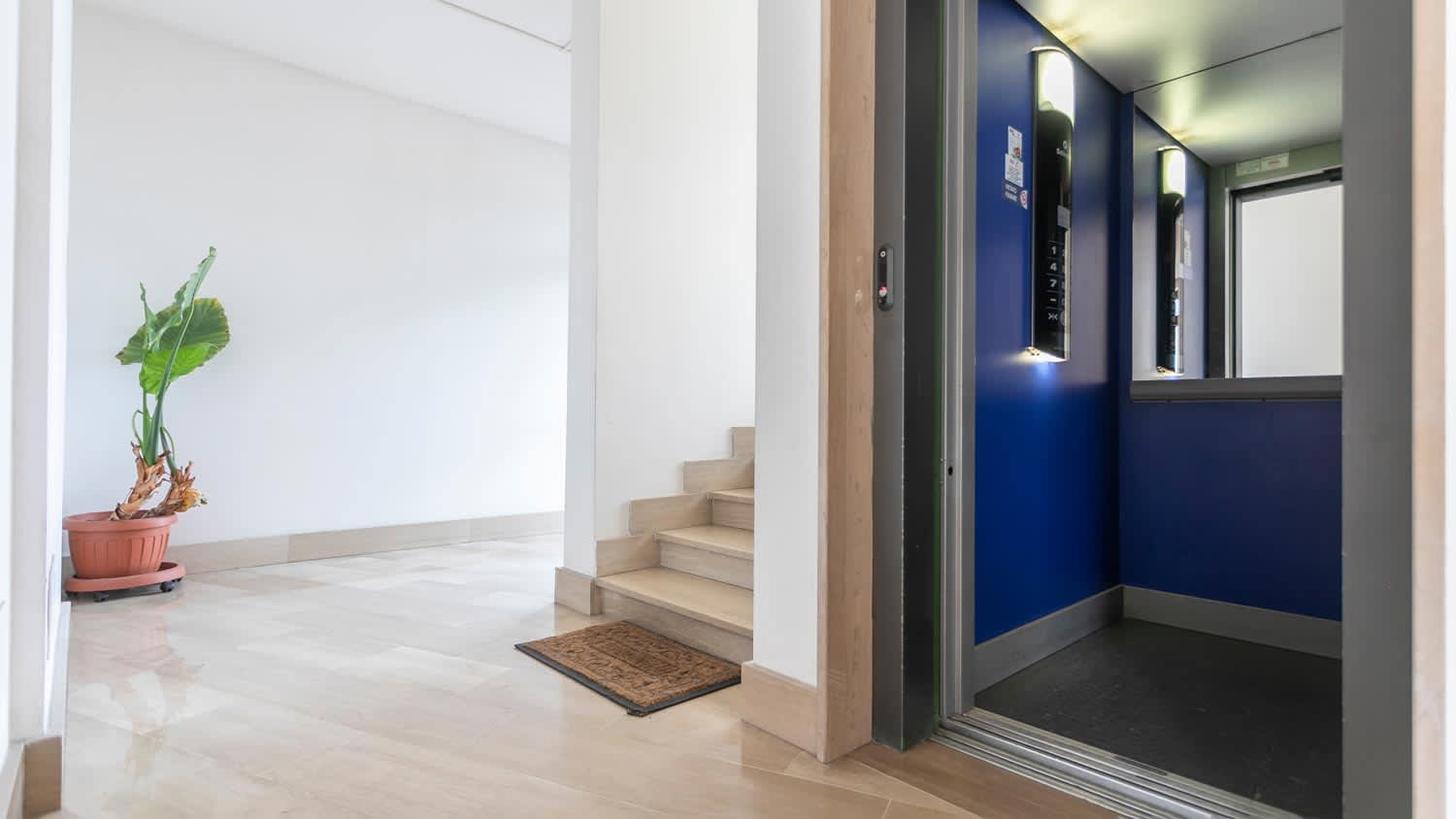
Discover the average home elevator maintenance cost, key price factors, and expert tips to help you budget for safe, reliable elevator upkeep in your home.
Pneumatic vacuum elevators can boost your home’s accessibility and value. Use this guide to learn how much yours will cost based on factors like features and size.
Elevators boost your home’s accessibility while adding a touch of style and value. Learn about the best professionals for installing a home elevator.

Discover the 6 main types of home elevators, from hydraulic systems to machine room-less options, as well as their features, benefits, and ideal uses.
Thinking about an elevator installation? Learn about design options, average costs to expect, and how to hire the right local pro for your home.