

If you discover a wasp nest near your home, you’ll want to remove it ASAP. Learn wasp nest removal cost factors in this guide.
Often considered pests, wasps have some benefits for your yard

Wasps are insects related to bees and ants, with about 100,000 species worldwide including yellow jackets, paper wasps, and hornets that vary in color.
Wasp nest removal costs around $375, with nests containing 50 or more wasps costing over $500 to remove safely from your property.
You can prevent wasps from nesting near your home by sealing cracks, covering trash bins, filling ground holes, and planting wasp-repelling herbs like mint.
Hiring a local bug company provides safe removal when wasps become aggressive near your home, protecting you and your family from painful stings.
Let’s face it: Wasps have a bad reputation. They buzz all over your hamburgers and hot dogs at cookouts, making it hard to work in the garden without worrying about getting stung. Although wasps can be dangerous at times, there are some benefits to having them around. So what are wasps, and how can they help your yard? Learn everything you need to know about these complex insects.

Wasps are insects within the suborder Apocrita of the order Hymenoptera. Wasps are related to bees and ants, which are also in the Apocrita suborder. There are an estimated 100,000 types of wasps around the world, including about 22 species of hornets, which are a type of wasp.
Wasps tend to have narrow waists and come in a variety of colors. While you may be familiar with yellow-and-black yellow jackets, wasps can range in colors, from the black-and-white bald-faced wasps to the metallic-green cuckoo wasp.
Wasps are often solitary, meaning they do not live in colonies like honeybees. Although wasp stings can be painful, most wasps only sting if you come near their nests. While adult wasps may prey on other insects, like caterpillars and beetles, they don’t feed on them. Instead, they feed larva with their catches, typically feeding on nectar or pollen for themselves.
With tens of thousands of wasp species worldwide, it’s hard to narrow down the most common varieties. However, you’re more likely to come across these types of wasps in your own backyard.
There are several different types of yellow jackets, but these are some of the most well-known wasp types. They have long, yellow-and-black striped bodies and aren’t too shy to fly toward your plate when they smell fruit or grilled meat. They are often confused with bees, but one easy way to tell bees and yellow jackets apart is by looking for a furry appearance on bees (yellow jackets appear smooth).
Like yellow jackets, paper wasps can be broken down into several different species. While many paper wasp species can look like other types of wasps, an easy way to identify these wasps is by their nests. Paper wasps build nests with regurgitated wood pulp, so the nests may look like they are made from paper.
Hornets are a type of wasp that tend to be larger than many other wasp species, measuring ¾ to 2 inches long. Hornets have black and white colorations. Globally, there are only about 22 species of hornets, and in the U.S., there is only one non-native true hornet species: the European hornet.
If you’ve ever been stung by a wasp, you may feel some fear around these insects. While they can be annoying and aggressive, there are also some benefits to having them around your garden.
Wasps are an essential part of ecosystems. As predators, they help control other species of arthropods. They can minimize the amount of caterpillars, beetles, and other pests that destroy your plants.
Another major benefit of wasps is that they can help with pollination. Adult wasps may feed on nectar and transfer pollen as they fly from plant to plant.
The main drawback to finding wasps around your yard is that they can become aggressive and sting you or your family members. For some people, this is a painful experience. For anyone allergic to wasps, it can be extremely dangerous, which is why it can be crucial to get rid of wasps safely.
In building their nests, wasps can also become a nuisance. They may damage untreated wood around your property as they collect material for their nests, and they can build nests several inches wide, even up to the size of a basketball, off your shed roofs, your home’s roof eaves, or even in your garage.

When you find a nest of wasps, you may need to relocate it if the wasps are becoming aggressive. Wasp removal costs about $375, depending on the size and location of the nest. Wasps don’t tend to live in large colonies like bees, but nests with 50 or more wasps may cost over $500 to remove.
Although you may be tempted to remove a nest yourself, wasp removal is best left to professionals. Wasps can become aggressive and territorial when you come near their nests, and they can unleash multiple, painful stings to keep threats away. Instead, hire a local exterminator to investigate the wasp nest, determine the best course of action for it, and remove it safely.
If someone in your household is allergic to wasp stings, it’s essential to keep hornets from nesting near your home. When nesting, wasps look for small cracks and crevices or other openings around the house or even in the yard to protect their young. They’ll also be searching for food sources. By eliminating places for wasps to nest and things for them to eat and feed their young, you have a better chance of keeping wasps away.
You can also hire an insect control company to help wasp-proof your yard, whether you want to prevent wasps in the first place or get rid of an existing nest.
Use caulk, putty, or another sealant to coat any cracks, holes, gaps, or other openings around your home. Look along roof eaves, around porch ceilings and walls for openings, as wasps gravitate toward these areas for protection to build their nests.
After hosting your big summer barbecue, it may be tempting to leave some of the mess to clean up later. But make sure to pick up any trash, especially food, to avoid attracting wasps. Keep lids on trash and compost bins. If you have fruiting plants, make sure to harvest ripe fruits and compost any fallen, overripe fruits on the ground.
Not all wasps build their nests on your shed or porch. Some wasps, like mud-daubers, may nest in the ground. Wasps may take the easy route, too, by building nests in existing holes or other animals’ burrows. Make sure you’ve filled any holes in your yard to minimize the chance of wasps making these holes their homes.
Wasps may be attracted to nectar, some plants can help deter these pests. Basil, mint, and thyme are great wasp-repelling plants to add to your herb garden. For flowers, add geraniums and marigolds. Wormwood, citronella, and lemongrass are great options for adding greenery while repelling wasps and other pests.
A reliable team for moves across state. My switch to a new place needed careful lifting through tight hallways. The movers checked the doorway first, then carried heavier pieces with slow, controlled movements. Their patience helped prevent damage, and I?d choose them again.
This company does it right. Firstly, I want to say that Landan was a joy to work with. He was so kind, transparent, and had everything under control. His entire team showed up ready to work and they were all very respectful of the fact that we were in an office space. A little backstory – we...
 Krumlauf Floors
I had FabClean 614 clean my apartment, and she did an outstanding job. She was so professional and efficient. My apartment looks absolutely spotless every surface, every corner, all cleaned to perfection. Definitely highly recommend FabClean 614 if you're looking for top-notch cleaning...
 Fab Clean 614
Raven and crew does absolutely fantastic job. They are very professional if any concerns were to occur with any of her work she always took responsibility and finished out with a great job. I have worked with her business for a year and have always been satisfied. Very trusted business and...
 Creations of Transformation LLC
I would recommend this company to anyone! He showed up on time, was friendly, completed a very difficult repair on our dryer vent cover, was responsive, and pricing was extremely fair and competitive. I would have him back to do any of our repairs or cleanings without hesitation!
 U.S.A. Dryer Vent, LLC
Best cleaning I've had at my property
Ace Fireplace Services' chimney sweep service is truly exceptional. They used advanced technology to ensure a thorough cleaning process, and my chimney has never looked better. I highly recommend their services.
 Ace Fireplace Services
This company went above and beyond with their work, chimney sweeps are usually pretty messy, but the clean up was spot on.!! Josh explained every thing that he was doing, and the things that he was checking to make sure the chimney was safe for me and my family. He was very professional,...
 Supreme brick & chimney
Good workers and they do a good job.
 Mira Construction
Mary Cleaning Service is fantastic! The entire team is professional and pay a great deal of attention to detail. They do such a thorough job of cleaning my house. I would definitely recommend!
From average costs to expert advice, get all the answers you need to get your job done.
If you discover a wasp nest near your home, you’ll want to remove it ASAP. Learn wasp nest removal cost factors in this guide.
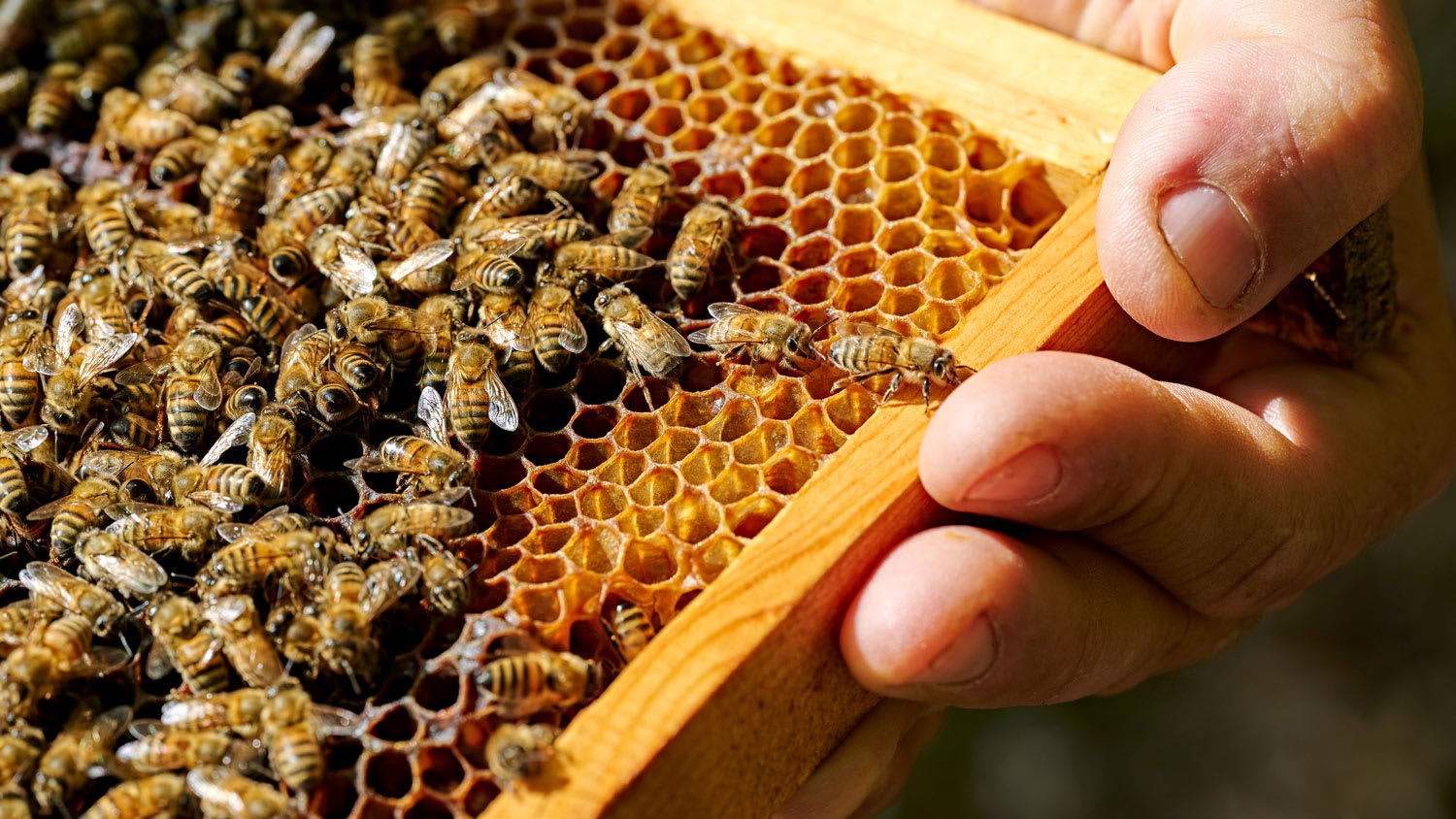
What’s that stinging bug buzzing around your yard? Find out the many differences and several similarities between hornets vs. bees vs. wasps.

Nobody wants to tangle with wasps on their property, as these insects sting with extreme prejudice. Here’s how to get rid of wasps safely and for good.
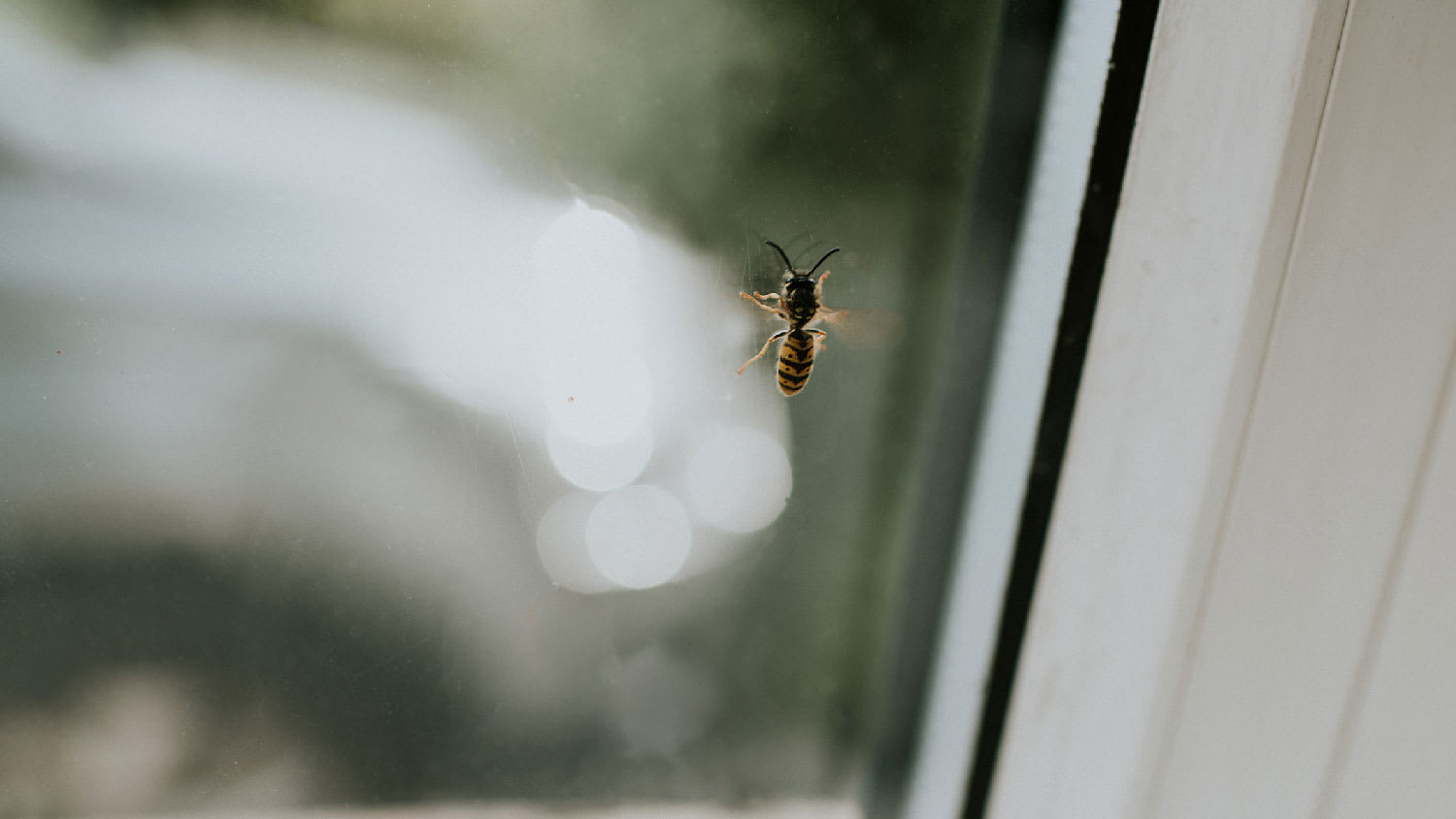
It’s much easier to deal with a wasp infestation when you catch it early. Here are the signs to watch (and listen) for.

Social wasps, such as the yellow jacket, paper wasp, and European hornet, may pose more significant threats than pain. So, how dangerous are wasps? Find out more.
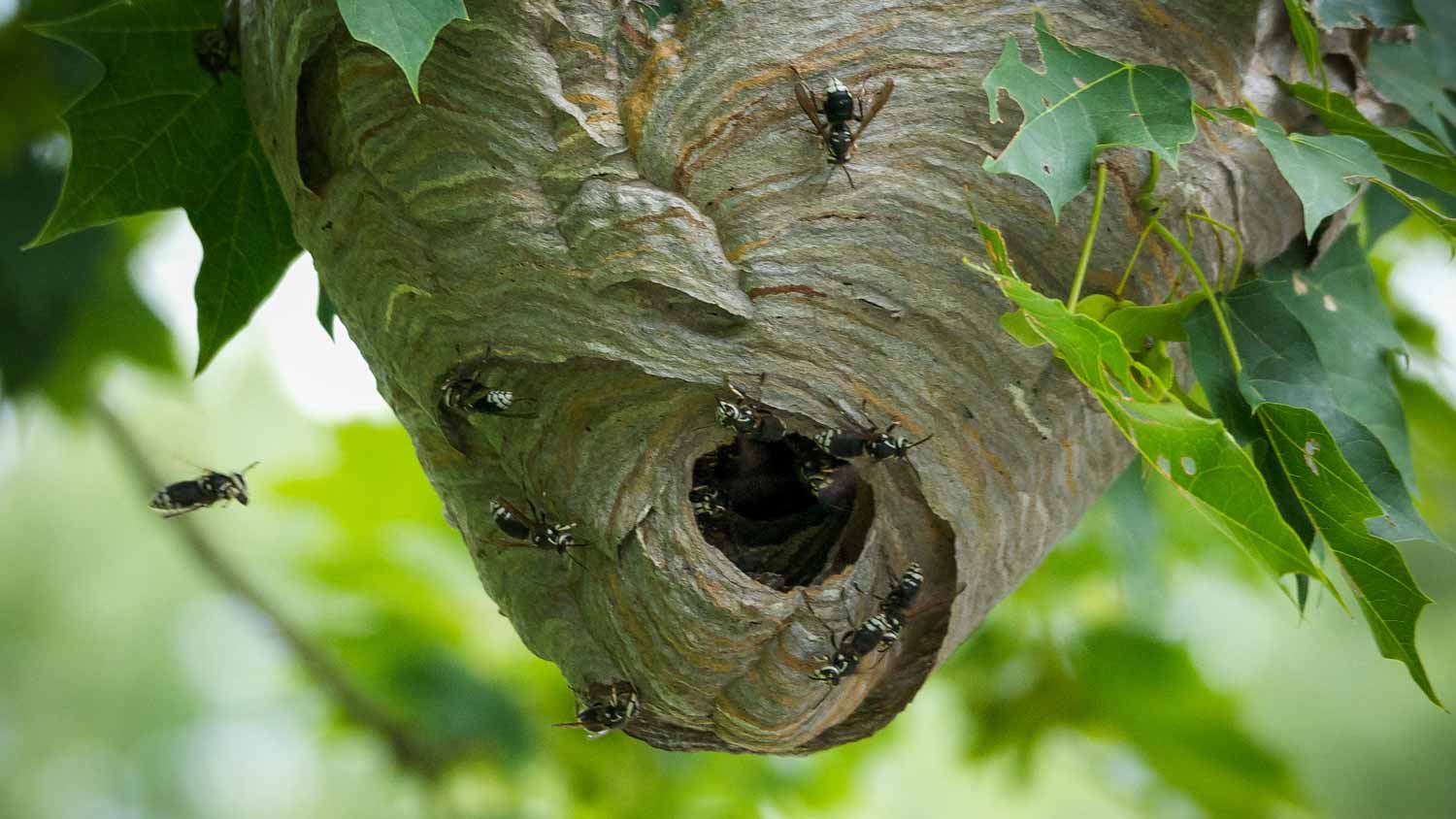
Wasps are a pain to share space with, but you have options for removal. While it’s best to call a pro, here’s how to get rid of wasp nests the DIY way.