

If you discover a wasp nest near your home, you’ll want to remove it ASAP. Learn wasp nest removal cost factors in this guide.
When buzzing goes bad

A wasp infestation becomes clear when you see papery or mud nests with wasps actively entering and exiting during warmer parts of the day.
Expect to pay $300 to $700 for professional wasp nest removal services, with some infestations costing $100 to $1,300 depending on nest size and location.
Territorial wasp species defend their nests aggressively and can sting multiple times, creating serious risks for you, your family, and pets near your home.
Hiring a local wasp and bee removal professional provides safe removal of nests and satellite colonies, keeping your family protected from dangerous swarms and stings.
If you suspect that wasps have built a nest on your property, it’s essential to know the signs of a wasp infestation. It’s reasonable to spot a few wasps flying around your backyard, but you should draw the line at wasps building a nest on your property. Wasps can often be aggressive, and they’re happy to sting you multiple times.
Spotting a wasp infestation quickly is key to removing it and preventing any unpleasant swarms. But what’s the difference between a yard that attracts wasps and a full-blown infestation? Here’s how to tell if wasps are building a nest in or near your home.
Exclusion is the best practice for keeping unwanted pests out. Examples include replacing weather stripping around windows and doors, using dehumidifiers to keep moisture content down, sealing up cracks and crevices both on the exterior and interior of the house, repairing any household damage, and taking care of water-related leaks sooner than later.
A few wasps exploring your yard or garden aren’t a threat, and can be helpful pollinators. But in large numbers, and especially when they build a nest nearby, wasps can be seriously dangerous. Here’s why these pests are hazardous:
Some wasp species are very territorial and won’t hesitate to attack nearby people or pets to defend their nests.
Wasps can sting multiple times, and some people are very allergic to wasp stings. Even without an allergy, enough wasp stings can harm animals and people. Wasp sting allergies are one of the few that can develop after the first sting, so care is needed when exposing young people to wasps.
Trying to scare or swat wasps tends to make the problem worse. When scared, injured, or crushed, wasps release chemical signals that attract other wasps and make them more likely to attack.
Attempting to remove a wasp nest improperly will create a swarm of angry wasps, which can be very dangerous without the proper equipment.

It’s much easier to deal with wasps—and avoid being stung—if you can catch an infestation early and tell the difference compared to a few harmless exploring wasps. Here are signs it’s time to take more serious action and hire a local wasp control professional.
The most obvious sign of a problem is finding a wasp nest or noticing that wasps are starting to build one near or on your home. Fortunately, wasp nests are distinctive and easy to recognize compared to beehives. Of course, the final candle on the cake will be seeing wasps entering and exiting the nest, especially during the warmer parts of the day.
Look for these details:
A paper-like cone that appears wrapped in layers
Grayish, paper-like cells that look slightly like honeycomb
“Daubed” or sculpted mud hives along walls or corners
A mound of dirt with many surrounding holes
Wasps build nests from various ingredients, but one of their favorites is softened wood, usually old, wet or rotted wood. You can tell if wasps have been building a nest nearby because they will leave the wood full of burrowed holes. That doesn’t mean the wood is a wasp nest (possible, but unlikely), only that they’re digging into for building supplies.
Patterns of holes can also indicate problems with other wood burrowers, from termites to carpenter ants. Seeing wasps around or inside the wood can be confirmation that these inspects are the problem.
It’s common for wasps to gather to investigate open trash or outdoor food areas. But if you notice several wasps swarming together in one place no matter what’s happening, it’s time to look closer. A small, continuous swarm that quiets down at night is a solid sign that a wasp nest is near.
Remember, wasp nest may be hidden in spots like the underside of a deck or tucked into small corners, so it can take serious searching to locate one. You should also ensure the wasps aren’t entering vents or holes in the wall, a sign that the nest is inside the walls or house.
Another sign wasps have set up residence indoors or uncomfortably close is that you keep finding them in your home. If you see not just a couple of wasps in the summer when the windows are open, but a continuous presence of indoor wasps no matter how many you trap or swat, it’s a sign there’s a nest nearby.
Wasp nests can be in indoor spots like attics, crawl spaces, ductwork, and windows where they find easy access indoors. If you have several indoor wasps, call a wasp control professional immediately to inspect for a nest hidden in your home.
Sometimes you can hear a wasp infestation before you see it, which is another example of how wasp nests can be hidden away (but still surprisingly loud on a calm day). If you hear a buzzing sound commonly associated with wasps or bees that’s concentrated in one part of the yard or house, take a closer look. Again, this buzzing often dissipates at night as wasps rest.
When new wasp queens travel to create a nest, they sometimes find a protected place to hibernate for the winter. Then, when the weather warms in spring the queen awakes, they begin making the new nest. If you see a sudden flurry of unexpected wasp activity when winter ends, there could be a queen trying to start a nest near your home.
We recommend hiring a wasp exterminator to eliminate a serious wasp infestation, including situations where wasps have built a nest on your property, with dozens or hundreds of active wasps. Plus, it can be difficult to remove every part of a wasp nest, including satellite nests, and destroy enough of the wasps so that they won’t try rebuilding again. Professional pest control companies are prepared to handle all necessary steps while protecting everyone’s safety.
It’s important to note that there are many types of wasps, with a wide range in behaviors. Some wasps, like yellowjackets, are much more likely to aggressively defend their nest and sting anything that seems like a threat. Other species, like paper wasps, are much milder and rarely attack humans if left undisturbed. Learning more about the wasps moving in can help you decide what to do.
If you can see that a wasp nest is in its very early stages and it’s only home to a few wasps, there are DIY removal methods you can try. Only attempt these eradication options if the wasp nest is much smaller than your fist. If you know you have an allergy to wasp stings, you shouldn't try any DIY methods to get rid of a wasp nest.
In situations like these, you can spray foaming wasp killer on the tiny nest. You should wear protective gear over your face and body while applying wasp sprays from several feet away. Since wasps are more docile and congregated at night, try to spray the nests when it’s dark outside. Since wasp spray is very toxic, try to remove the nest soon and clean up the area, preferably the day after.
Again, these DIY options are only possible when a nest is just beginning to form and only home to a few wasps. Even then, it’s a good idea to wear protective clothing and a hood with a face mask to help prevent stings. It’s always safer to hire a professional wasp exterminator to eliminate these pests from your home or yard.
Don’t try to spray a wasp nest with water or (even worse) light it on fire. These methods won’t be successful and will cause wasps to swarm very quickly—among other problems. Likewise, while wasp spray can work for a few wasps caught indoors or a very small nest, you shouldn’t try spraying a fully-formed nest.

It can be difficult to spot wasp nests before they are built. Wasps tend to build nests where they feel safe, there’s plenty of food, and where building materials are easily found, which makes home yards or rooftops a common target.
However, there are ways to prevent wasp infestations. These tips can help keep wasps from setting up residence:
Keep trash well-secured: Open trash can contain old fruit or veggies that attract wasps. Keep trash enclosed, and consistently secured with lids so wasps won’t be interested. It’s also great advice for many other kinds of pests, too.
Remove old or rotten wood: Decaying or aging wood is like catnip to many kinds of wasps. They use the softened wood to build their nests, including rotten fences, dying trees, damaged decks, and old stumps that have been left behind. Clear out this kind of wood from your property rather than letting it decay further.
Keep the yard clean and trimmed: The cleaner and neater the yard, the less likely wasps will consider it as a home. That’s especially important when it comes to clearing away old leaves and debris, and wilting flowers (which attract wasps with their scent). If you’re seeing a lot of wasps around your flower garden, that’s normal, but prune flowers quickly as they start to fade.
Seal openings or attractive hiding spots: Wasps prefer to build nests in areas that are cool, dry, and partially protected. They’re often attracted to attic vents, gaps in decks, eaves, and large gaps in exterior walls. Seal and cover these areas wherever possible to give wasps fewer spots to choose from.
Set up wasp deterrents: You can try growing plants like mint or basil, which wasps dislike, or using scents from lemongrass, citronella, or coffee grounds. Some homeowners have success in hanging up a decoy nest to make wasps think the area is already taken, too.
Set wasp traps: Wasp traps capture scouting wasps in the area. They can help make yards safer to play in, and may reduce the chances that wasps decide your home is the best place for a nest. They tend to cost anywhere between $3 and $30 each.
The cost of wasp removal services vary greatly depending on the species, size of the nest, and your location. You can expect to pay anywhere from $300 to $700 for a professional to handle wasp nests, inspect for more problems, and set up traps to catch stragglers. Get multiple quotes from pest control companies, and be sure they specialize in eradication of wasps and their nests.
A reliable team for moves across state. My switch to a new place needed careful lifting through tight hallways. The movers checked the doorway first, then carried heavier pieces with slow, controlled movements. Their patience helped prevent damage, and I?d choose them again.
This company does it right. Firstly, I want to say that Landan was a joy to work with. He was so kind, transparent, and had everything under control. His entire team showed up ready to work and they were all very respectful of the fact that we were in an office space. A little backstory – we...
 Krumlauf Floors
I had FabClean 614 clean my apartment, and she did an outstanding job. She was so professional and efficient. My apartment looks absolutely spotless every surface, every corner, all cleaned to perfection. Definitely highly recommend FabClean 614 if you're looking for top-notch cleaning...
 Fab Clean 614
Raven and crew does absolutely fantastic job. They are very professional if any concerns were to occur with any of her work she always took responsibility and finished out with a great job. I have worked with her business for a year and have always been satisfied. Very trusted business and...
 Creations of Transformation LLC
I would recommend this company to anyone! He showed up on time, was friendly, completed a very difficult repair on our dryer vent cover, was responsive, and pricing was extremely fair and competitive. I would have him back to do any of our repairs or cleanings without hesitation!
 U.S.A. Dryer Vent, LLC
Best cleaning I've had at my property
Ace Fireplace Services' chimney sweep service is truly exceptional. They used advanced technology to ensure a thorough cleaning process, and my chimney has never looked better. I highly recommend their services.
 Ace Fireplace Services
This company went above and beyond with their work, chimney sweeps are usually pretty messy, but the clean up was spot on.!! Josh explained every thing that he was doing, and the things that he was checking to make sure the chimney was safe for me and my family. He was very professional,...
 Supreme brick & chimney
Good workers and they do a good job.
 Mira Construction
Mary Cleaning Service is fantastic! The entire team is professional and pay a great deal of attention to detail. They do such a thorough job of cleaning my house. I would definitely recommend!
From average costs to expert advice, get all the answers you need to get your job done.
If you discover a wasp nest near your home, you’ll want to remove it ASAP. Learn wasp nest removal cost factors in this guide.
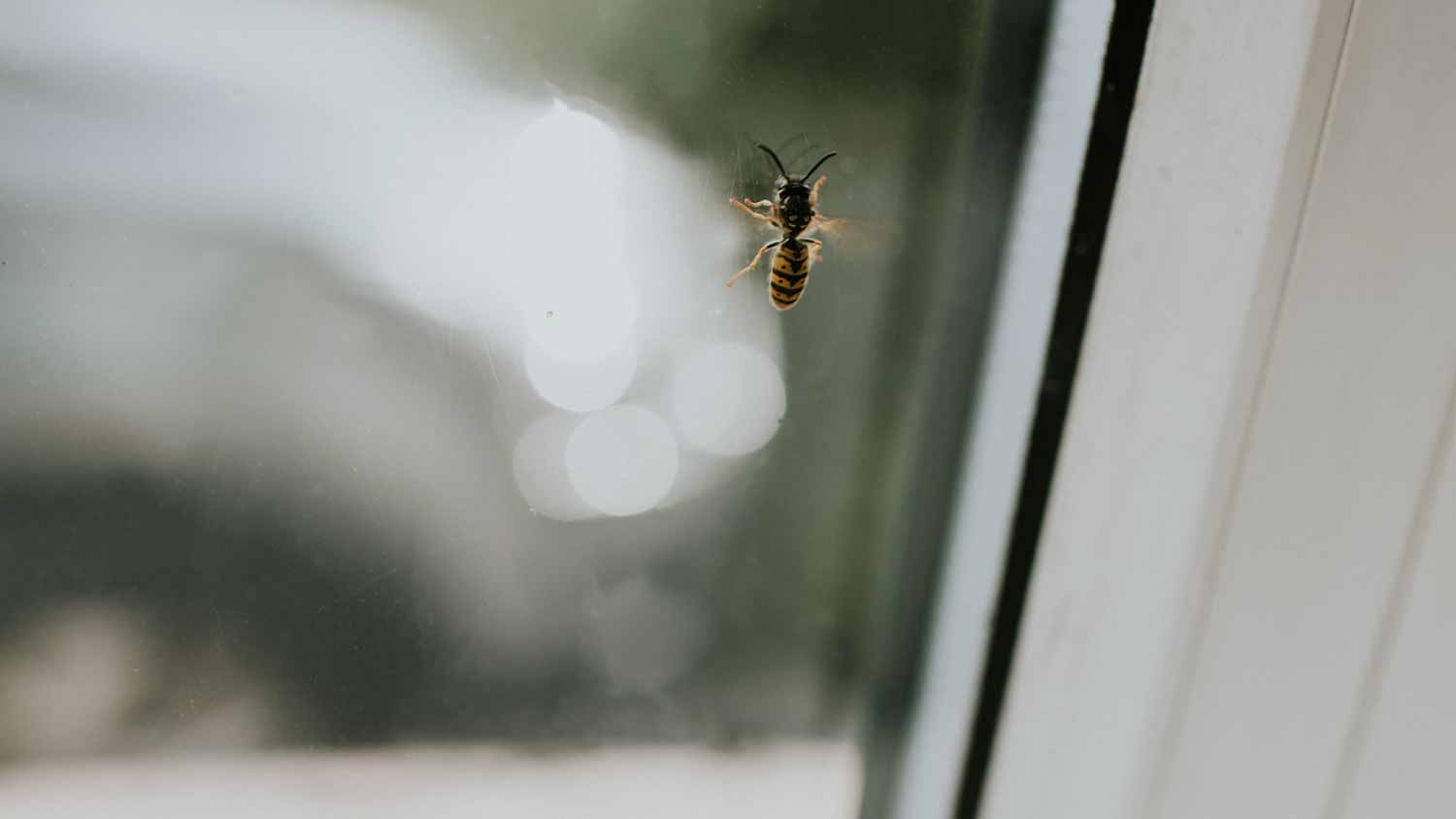
Should you attempt a DIY treatment or get an exterminator for wasps? Learn when to call an exterminator for wasps and how much it costs.

Nobody wants to tangle with wasps on their property, as these insects sting with extreme prejudice. Here’s how to get rid of wasps safely and for good.

Social wasps, such as the yellow jacket, paper wasp, and European hornet, may pose more significant threats than pain. So, how dangerous are wasps? Find out more.

Many insects are helpful, but some bugs in grass can destroy a lawn. Keep your yard healthy by identifying these common lawn pests and treatments.

From speckles to webs, uncover the early signs of spider mites and keep your plants healthy and pest-free.