

Trying to calculate how much spray foam insulation costs? Our in-depth guide breaks down pricing by type, amount, and where you install it.
Roofing costs depend on your project and location. Check with a local pro for your specific job.

Professional spray foam roofing installation runs $7,500 to $18,000 for your roof.
Foam density and cell type drive your insulation performance, with closed-cell foam offering denser and more rigid protection than open-cell options.
Plan for topcoats, code-required underlayment, old roof removal, and permits in your budget, so you avoid surprises.
Hiring a local roofing professional protects you from falls and fumes, and prevents moisture damage and leaks.
In 2026, the national average cost to install spray foam roofing is $11,500, with most homeowners paying between $7,500 and $18,000 depending on roof size and material. Spray foam roofing runs $2.50 to $8 per square foot, making it a cost-effective way to protect your home from the elements while boosting energy efficiency.
Roof size is the primary cost driver for spray foam roofing, since the process involves spraying a liquid material that expands and solidifies into a protective layer, and more square footage means more material. Costs vary significantly based on how much area needs coverage, so the table below breaks down typical price ranges by roof size.
| Roof Size (Sq. Ft.) | Average Cost in 2026 |
|---|---|
| 750 | $1,875–$6,000 |
| 1000 | $2,500–$8,000 |
| 1250 | $3,125–$10,000 |
| 1500 | $3,750–$12,000 |
| 2000 | $5,000–$16,000 |
| 2500 | $6,250–$20,000 |
Labor for spray foam roofing typically runs $2 to $4 per square foot, though some roofers charge by the hour or as a percentage of the total project cost instead. Before work begins, confirm how your local roofer structures their fees so there are no surprises when the invoice arrives.
Several variables beyond roof size affect what you'll pay for spray foam roofing, from foam density and cell type to topcoat selection, underlayment requirements, and whether your old roof needs to come off first. Understanding each factor helps you compare materials like a foam roof versus tar and gravel and build a realistic budget before work begins.
Spray foam roofing is most commonly applied in a 1-inch to 1 1/2-inch-thick layer, though some projects require a thicker application. When a thicker layer is needed, material consumption increases and so does the overall project cost.
Spray foam roofing comes in low, medium, and high densities, each offering different levels of thermal protection and durability. Understanding these options helps you choose the right balance of performance and budget, as shown in the table below with material costs ranging from $0.30 to$0.65 per square foot for low density up to $1 to$1.50 per square foot for high density.
| Density | Average Material Cost per Sq. Ft. in 2026 |
|---|---|
| Low | $0.30–$0.65 |
| Medium | $0.90–$1.20 |
| High | $1–$1.50 |
Cell type is another factor that affects spray foam roofing cost, with open-cell foam producing a flexible structure and closed-cell foam delivering a denser, more rigid result. Open-cell foam costs $0.30 to $0.65 per board foot, while closed-cell foam runs $0.90 to $1.50, making open-cell foam roughly three times less expensive. Closed-cell foam's superior rigidity and density make it the higher-performance option for homeowners who prioritize maximum insulation and structural strength.
After spray foam roofing is installed, a protective topcoat is applied to defend against UV rays and environmental damage, and the cost depends on the material and thickness chosen. Acrylic coating is the more affordable option at $0.15 to $0.75 per square foot, while silicone coating runs $1.40 to $2.50 per square foot and offers stronger long-term UV resistance.
Spray foam roofing can sometimes be applied directly over an existing roof, eliminating removal costs entirely. If the old roof must come off first, budget an additional $1 to $3 per square foot for removal and disposal.
Local building codes may require an underlayment beneath spray foam roofing to add moisture protection and structural stability for the foam layer. Underlayment materials vary, and costs average $2 to $6 per square foot depending on what your code requires.
Roof work requires a building permit from your local authority to confirm compliance with codes and regulations, and roofing permits typically cost $250 to $500, though fees vary by location. Always secure your permit before work begins, since skipping this step can result in significant fines or penalties.
Labor costs for installing a spray foam roof range between $4 and $6 per square foot. While you may be tempted to tackle this project as a DIY, installing spray foam roofing requires specialized equipment and experience. Always hire a local roofer instead of risking injury and damage from an unprofessional installation.
When you’re planning to install a roof, always keep safety at the forefront of your mind and hire a pro roofer for these reasons:
Installing a roof poses a serious risk of falling and injury.
Spray foam can off-gas toxic fumes that can cause respiratory issues, but pros wear full protective gear.
Spray foam is flammable during application and must be applied at certain temperatures.
Poor application can cause moisture damage, rot, and leaks that may lead to structural issues, health hazards, risk of injury, or the need for costly repairs.
Pros understand the complexities of installing spray foam roofing, including the correct thickness to prevent condensation problems and how to ensure the foam adheres properly.
DIY installation may void your home insurance and manufacturer warranties.
If mistakes occur during application, spray foam can be difficult to remove without causing damage.
You may not be able to get a permit without a licensed roofer.
Pros typically carry insurance and may offer warranties on their work, ensuring you’re protected if something goes wrong.
Spray foam roofing is relatively simple to repair, so for a relatively new spray foam roof that’s been maintained properly, repairs are cost-effective. If your roof is more than 20 years old or has extensive damage, you may want to look into roof replacement costs instead of widespread repairs. Replacing your spray foam roofing instead of repairing it will ensure a consistent, durable layer of protection from the elements.
Unless you have the equipment and experience to install spray foam roofing, you won’t be able to save on labor costs by doing it yourself, but you may be able to reduce costs in other ways. Work with your roofing pro to determine the type and thickness of foam, topcoat, and underlayment required. You can save on project costs by not using more expensive materials than necessary. Also remember to get multiple quotes for the job and make sure you clearly understand what each quote entails.
Installing a new roof is a worthwhile investment, both for the protection it provides and for its appeal when it comes time to sell. Spray foam roofing has its pros and cons, and your return on investment (ROI) will depend on your real estate market and whether this type of roofing is desirable in your area. Spray foam roofing, like PVC roofing, is most often used on flat roofs, and the benefits of each material will vary based on local climate conditions and the specifics of your home.
Prepare to inform your contractor about the age, size, and slope of your roof, as well as any roof access and obstructions.
Discuss materials, such as whether to use closed-cell or open-cell foam, as well as their density and manufacturers.
Check your contractor’s credentials, reviews, and prior experience to ensure they’re qualified for the job.
Confirm the project timeline, as you’ll need to vacate the premises for at least 24 hours to allow the area to ventilate safely.
If you have space in your budget, consider add-ons or upgrades, such as high-performance topcoats and increased foam thickness.
Home is the most important place on earth, which is why Angi has helped more than 150 million homeowners transform their houses into homes they adore. To help homeowners with their next project, Angi provides readers with the most accurate cost data and upholds strict editorial standards. We extensively research project costs to develop the pricing data you see, so you can make the best decisions for you and your home. We rely on reputable sources, including the U.S. Bureau of Labor Statistics, academic journals, market studies, and interviews with industry experts—all to ensure our prices reflect real-world projects.
Want to help us improve our cost data? Send us a recent project quote to [email protected]. Quotes and personal information will not be shared publicly.
Mitchell and the crew were top tier i am so happy with my new roof
 Home Genius Exteriors
D1 Roofing delivers outstanding service from beginning to end, backed by a strong warranty and expert teams. I highly recommend them for their excellence in meeting and surpassing expectations with unmatched communication. Choosing D1 Roofing was flawless decision
 Division 1 Roofing LLC
This place took $25,000 for a flat roof job with a five-year warranty and never returned to fix the leaks that were caused by their work. These people are not professionals and should not be doing this type of work. They incorrectly changed the pitch of the roof, and caused more damage than...
The technician was very professional and friendly. He answered all my questions and was very thorough. He left the fireplace area very clean . He inspected from the roof and advised me as to other work that might need to be done. There was no pressure there. I was very satisfied with the...
 Supreme brick & chimney
I am really impressed with their timeliness and turnaround. Mitchell came out, and we decided to move forward with their pricing. Our roof was on within a week, and we could not be happier with their team! Amazing company, great prices and honest, dependable craftsmanship. I highly recommend...
 Window Depot USA of Central Ohio
Manuel Calvillo is the best option in the area for roofing and you won't be disappointed.
They damaged multiple items on my property, including a marble slab used as a table top, tried to hide it, and refused to pay or replace. Arrived day one without a ladder to access roof & delayed a day. Left a mess in back yard; didn't wear face masks; no show by owner to property to see damages
 Grants Tree Service
I've hired Gary/Cherokee Roofing for two different homes, work quality, responsiveness, and completion have been great both times. And the prices quoted were very competitive. I would definitely hire again.
Lyle did a great job removing asbestos shingles from our front porch roof. They worked together with our roofer to make sure that the new roof was able to be installed on the same day that Lyle removed the asbestos shingles.
 Lyle Environmental
Bradley Builders did a good job replacing the roof on our front porch. They color-matched the existing shingles on the rest of the house and installed a metal ridge roll since we live in a historical neighborhood. They did the job while we were out of town. When we got back, everything was...
 Bradley Builders, Inc.
From average costs to expert advice, get all the answers you need to get your job done.
Trying to calculate how much spray foam insulation costs? Our in-depth guide breaks down pricing by type, amount, and where you install it.
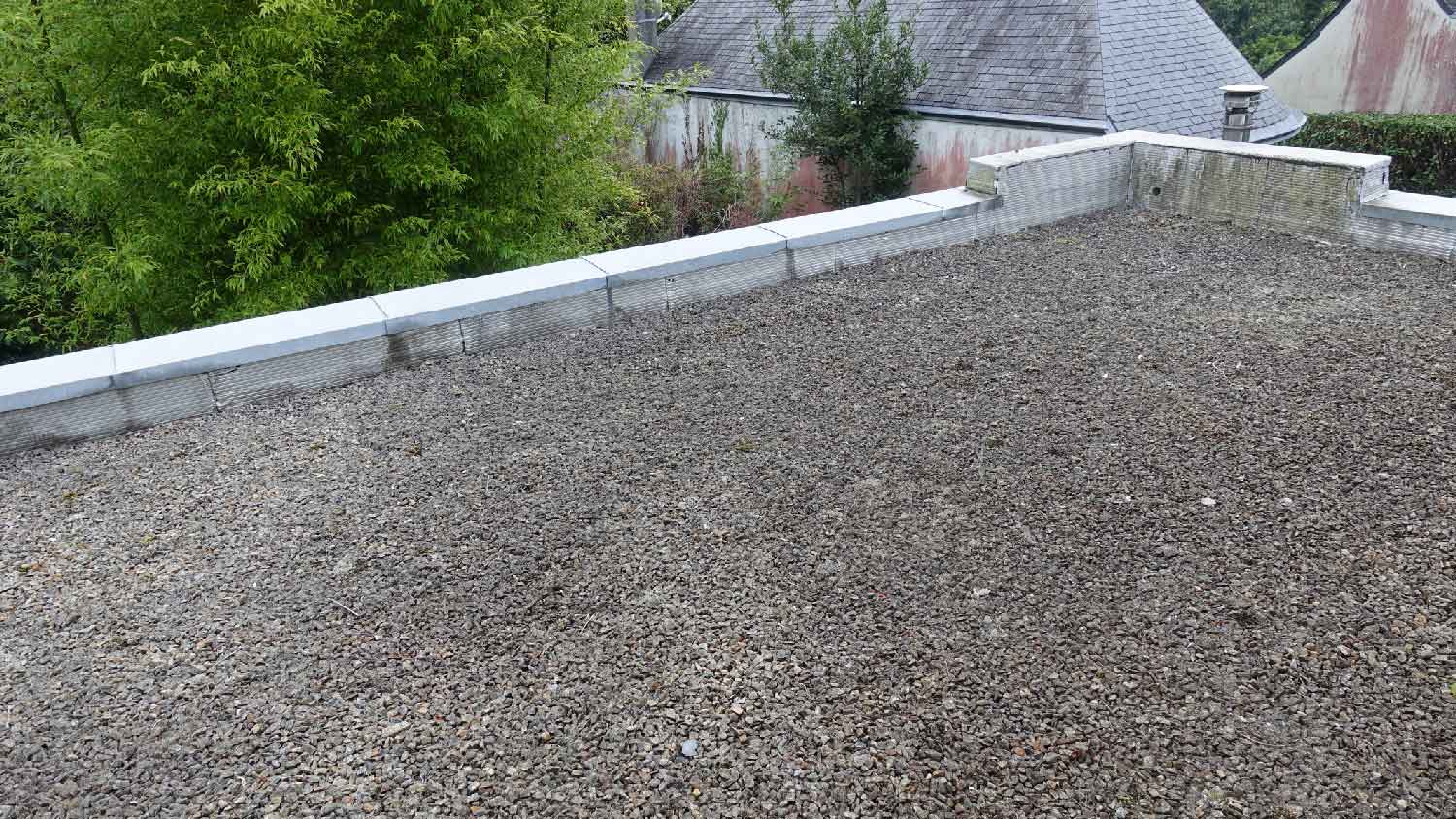
If you need a new flat roof, learn about tar and gravel roof costs and what can affect your total to make sure you budget accurately.

Discover the average injection foam insulation cost, key price factors, and ways to save. Get transparent estimates to plan your home insulation project confidently.
Not sure what kind of flat roof is right for you? Learn about spray foam roofing pros and cons to see if this is the solution you’ve been looking for.

We’ll walk you through how to install spray foam insulation in your home—and when it makes sense to call in a pro.
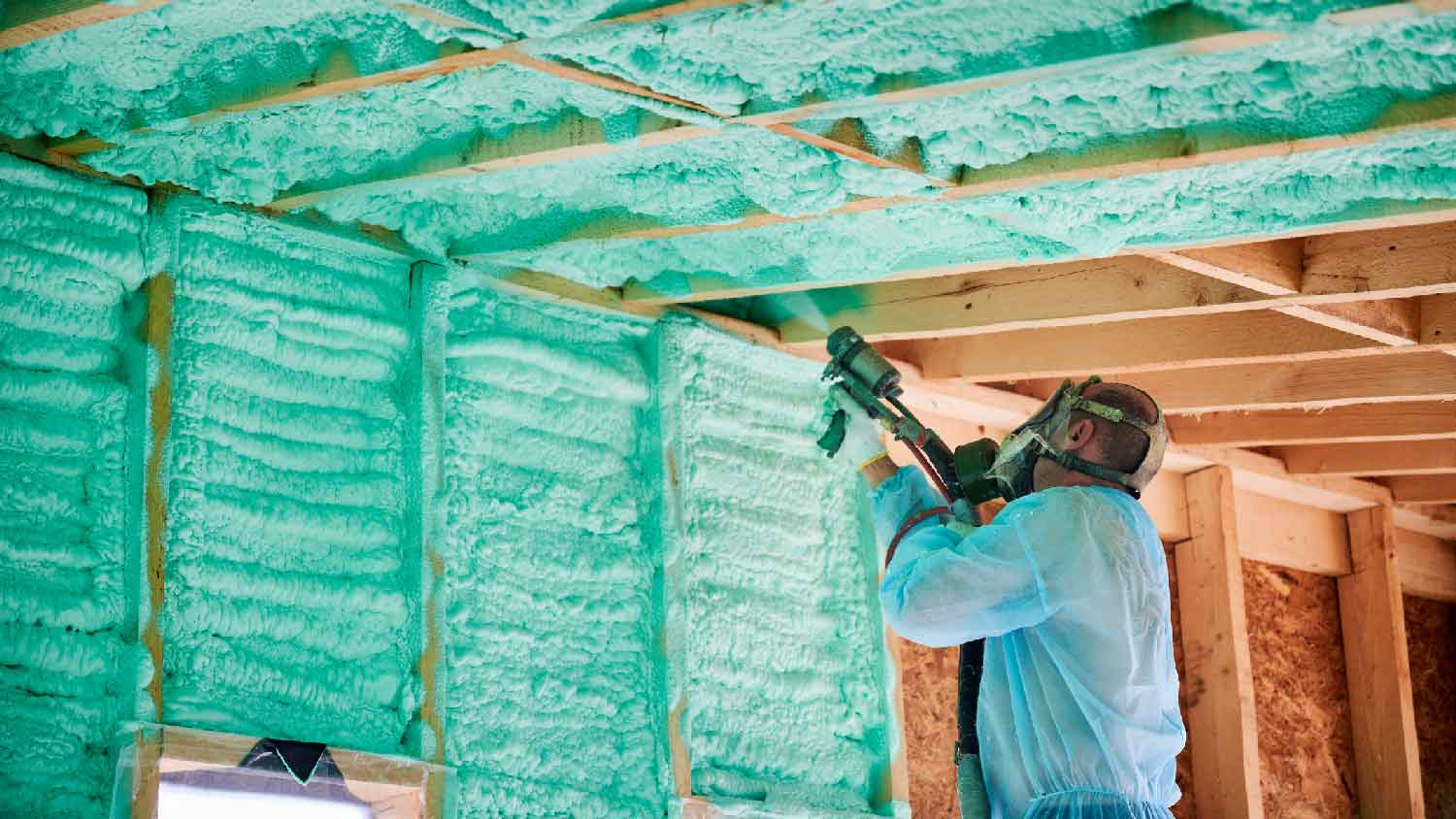
Weigh the pros and cons of spray foam insulation before choosing an insulation to keep your home comfortable.