
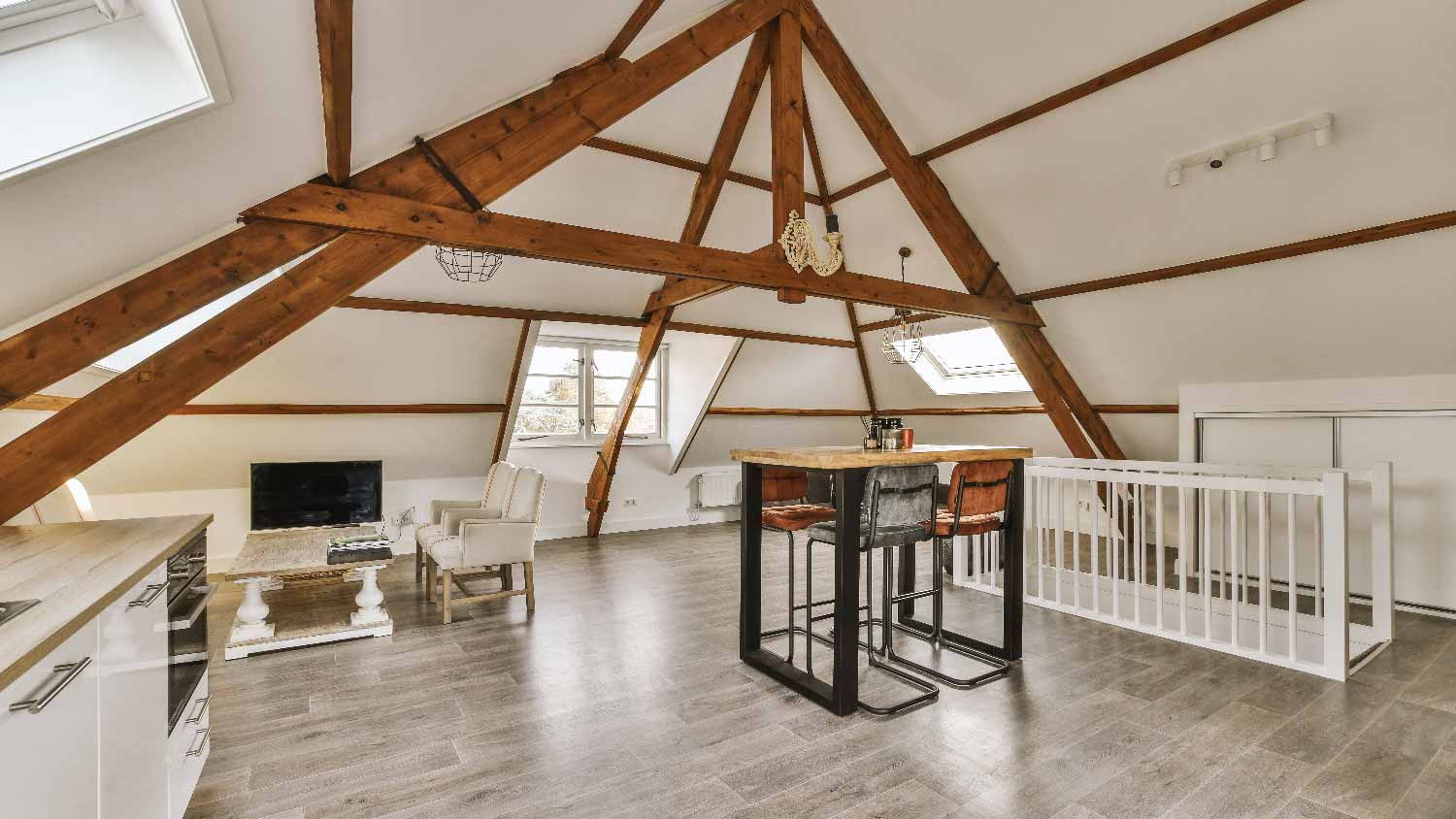
How much does a radiant barrier cost? Our guide breaks down prices by type of barrier and size of your attic space.
Stay cool and save money by adding a radiant barrier to your attic

Your radiant barrier cost depends on your home's size and location, with sheet barriers ranging from $0.10 to $0.90 per square foot and spray-on options costing $0.65 to $1 per square foot.
Expect to pay $710 to $2,840 for professional radiant barrier installation, with average costs around $1,700 for most homes needing this attic upgrade.
You'll see the best return on your investment if you live in a hot, sunny climate where cooling costs run high and your home already has quality insulation.
Hiring a local attic insulation professional ensures proper installation and moisture control, helping you avoid costly issues like mold growth or trapped humidity that can damage your home.
A radiant barrier can help keep your home cooler, which is a huge perk if you live in a hot climate. But is a radiant barrier worth it from a price perspective? In most cases, the answer is a resounding yes, since a radiant barrier can yield a return on investment (ROI) of more than 100%. But your ROI will depend on where you live, your home’s structure, and the type of radiant barrier you choose.
When coupled with efficient insulation, a radiant barrier can cut energy bills by 5% to 10%. Homeowners in hot climates can quickly recover the cost of a radiant barrier, while those in cooler areas can save over time.
Your radiant barrier ROI will depend on several factors, including where you live, the structure of your home, and what type of radiant barrier you choose.
Because of how a radiant barrier works to reflect UV rays and heat away from your home, those living in hot or sunny locations will achieve the best results in terms of energy cost savings and resale value.
According to the U.S. Energy Information Administration, electricity bills are on the rise. That has significant effects on those living in hot climate areas that often rely on electricity to keep their homes cool.
An average electricity bill for homeowners in warm locations with air conditioning included can reach over $270 per month. A radiant barrier that provides a 5% to 10% energy cost reduction can save roughly $13 to $27 monthly.
In northern locations where temperatures are cooler and there are fewer days of direct sunlight, homeowners with electric bills averaging roughly $135 monthly will see more modest energy bill reductions of between $82 and $164 annually, depending on the length and severity of the cooling season.

The cost of adding a radiant barrier is often absorbed into the cost of insulating your attic. The material boosts the effectiveness of your attic insulation. However, in some cases, homeowners choose to install a radiant barrier in other places, such as in a garage.
Installing a radiant barrier in your garage can minimize the heating effects of direct sunlight in the space. However, it won't offer the same energy-cost savings benefit. But it can help keep your automobile cooler and more comfortable to get into, which may be attractive to prospective home buyers.
If budgeting is a concern when installing a radiant barrier, your best ROI will come from installing the product as intended in your home's attic as a supplement to the existing insulation.
There are a couple of types of radiant barriers to pair with the best insulation types for your home. The one you and your insulation contractor choose can depend on access to the attic space, functionality, and cost.
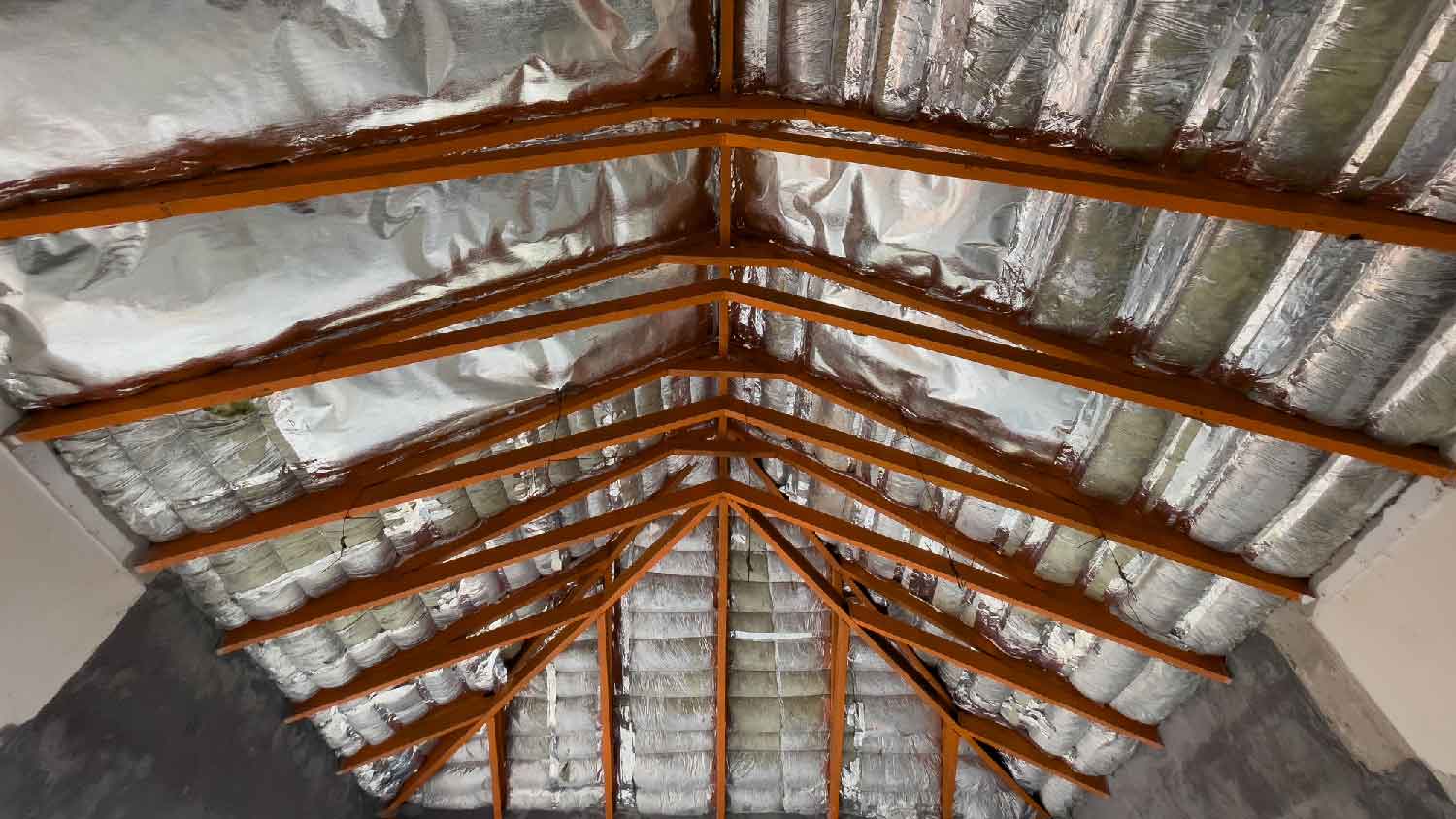
Sheet barriers consist of aluminum foils or other highly reflective material that's applied to plastic or paper films or as a layer of rigid foam board or other type of board. Sheet barriers are the most effective when compared to spray-on versions and are available for use on the floor or the rafters. Two basic types of sheet barriers are available, including perforated ones to allow air movement and non-perforated. Perforated barriers are common in hot and wet locations, while non-perforated types are best for use in cooler areas. Your insulation contractor can help you decide which version your home needs.
Spray-on radiant barriers are sprayable paints consisting of highly reflective materials. They are slightly more costly to install and somewhat less effective. However, they're excellent for use in confined spaces where access to sheet materials can be problematic.
| Radiant Barrier Type | Average Cost per Square Foot |
|---|---|
| Sheet Barrier | $0.10–$0.90 |
| Spray-on Barrier | $0.65–$1 |
Avid DIYers with a firm understanding of insulation principles and how to install a radiant barrier can save a few dollars by installing their own. However, mistakes can be costly and can show up in the form of mold growth and structural rot if moisture becomes trapped in the attic space. Most homeowners maximize their ROI potential by hiring a local attic insulation expert to perform the task.
Homeowners who already have a highly energy-efficient home will earn the best ROI from installing a radiant barrier. To maximize the dollar value of your investment, consider hiring a pro to perform a home energy audit and follow the recommendations in the results.
Homeowners that will realize the most added value and ROI of installing a radiant barrier are those who live in hot and sunny locations and rely on electricity to cool their homes. When estimating whether a radiant barrier is worth it, consider the following factors.
Calculate the cost of installing a radiant barrier versus the potential monthly and annual energy bill savings.
Look at comparable properties in your area to determine if you can recover the cost of radiant barrier installation if you decide to sell the home.
Consider the cost of electricity in your area and how much you can save by installing a radiant barrier.
Seek out and consider tax credits and rebates for installing energy-efficiency upgrades in your location.

The cost of installing a radiant barrier is between $0.10 and $1 per square foot, depending on the project's specifics. This typically comes out to between $710 and $2,840, or $1,700 on average. If you use a significant amount of electricity to cool your home and require 1,000 square feet of barrier, at a 5% to 10% reduction in energy costs, your cost savings can pay for the installation in as little as two to three years. The larger your home, the more you'll spend on a radiant barrier. However, larger homes can also enjoy more significant energy cost savings.
According to Angi data, 11% of homeowners who install blown-in insulation also opt to install energy-saving radiant barrier protection. Other common add-on services include removing old insulation, installing sound proofing, and insulating hot water pipes.
Determining the worth of adding a radiant barrier to your home depends on several factors. The cost of the installation varies widely. However, with a potential ROI factor of over 100% and the immediate benefits of reduced energy bills, most homeowners in hot locations find that the project is worth the time, effort, and price.
| Radiant Barrier Pros | Radiant Barrier Cons |
|---|---|
| Immediate energy cost savings | Upfront costs |
| 100% ROI if you sell | It can take time to recover costs fully |
| Increases home comfort | Potentially limits the use of attic space |
| Potentially extends the life of HVAC | Most effective in homes with excellent insulation |
Home is the most important place on earth, which is why Angi has helped more than 150 million homeowners transform their houses into homes they adore. To help homeowners maximize the value of their investments, we gather ROI data from reputable sources, including industry reports, real estate studies, and interviews with market experts. We calculate the average resale value for projects by multiplying the ROI against the project’s average cost according to our cost data, which is sourced from thousands of real Angi customers.
Want to help us improve our data? Send us a recent project quote or home appraisal value to [email protected]. Quotes and personal information will not be shared publicly.
If you’re good people wanting to do business with good people, hire Matt. He is a consummate professional and utterly competent. He installed a water heater in my home at a price that beat competitors by hundreds of dollars with a promise to support the unit for its life (even after its 6 yr...
 Greene's Plumbing Services
I would recommend this company to anyone! He showed up on time, was friendly, completed a very difficult repair on our dryer vent cover, was responsive, and pricing was extremely fair and competitive. I would have him back to do any of our repairs or cleanings without hesitation!
 U.S.A. Dryer Vent, LLC
Best cleaning I've had at my property
I conferred with 2 other contractors before Armstrong Electric. Nick and his crew showed me that the project was not as convoluted as the other contractors made it appear to be. They completed the entire project on time. They were professional, friendly and cleaned up after at completion. I...
 ARMSTRONG ELECTRIC, LLC
Our exterior looks brand new thanks to Custom Paint Jobs LLC. Theyre the best in town!
 Custom Paint Jobs, LLC
Excellent experience with hiring Tether House to Mount our 77’ Samsung TV in our bedroom. Fast, friendly, and knowledgeable. Highly recommend.
 Tether House
The techs on my project, Shawn and Cliff, were great. They were prompt, courteous, and efficient. I am very happy with the results and would definitely contact Mr. Electric for any future electrical projects.
 Mr. Electric of Columbus
We had our houses windows and back door replace this summer by Window Depot USA of Central. He gave us grate advise and saved my family lots money. The team did a fantastic job with installation. If you need help, they sure get job done right!
 Window Depot USA of Central Ohio
Beginning with the estimate, Larry and Peyton were super helpful in getting my new condo's interior re-painted. Not only was the job well done, but also done in a super timely manner as promised.
 Five Star Painting of Plain City and Powell
Great job...edging and pre clean up went well with a great job with seal coat. Friendly, efficient and professional.
 All Star Paving and Sealing
From average costs to expert advice, get all the answers you need to get your job done.
How much does a radiant barrier cost? Our guide breaks down prices by type of barrier and size of your attic space.
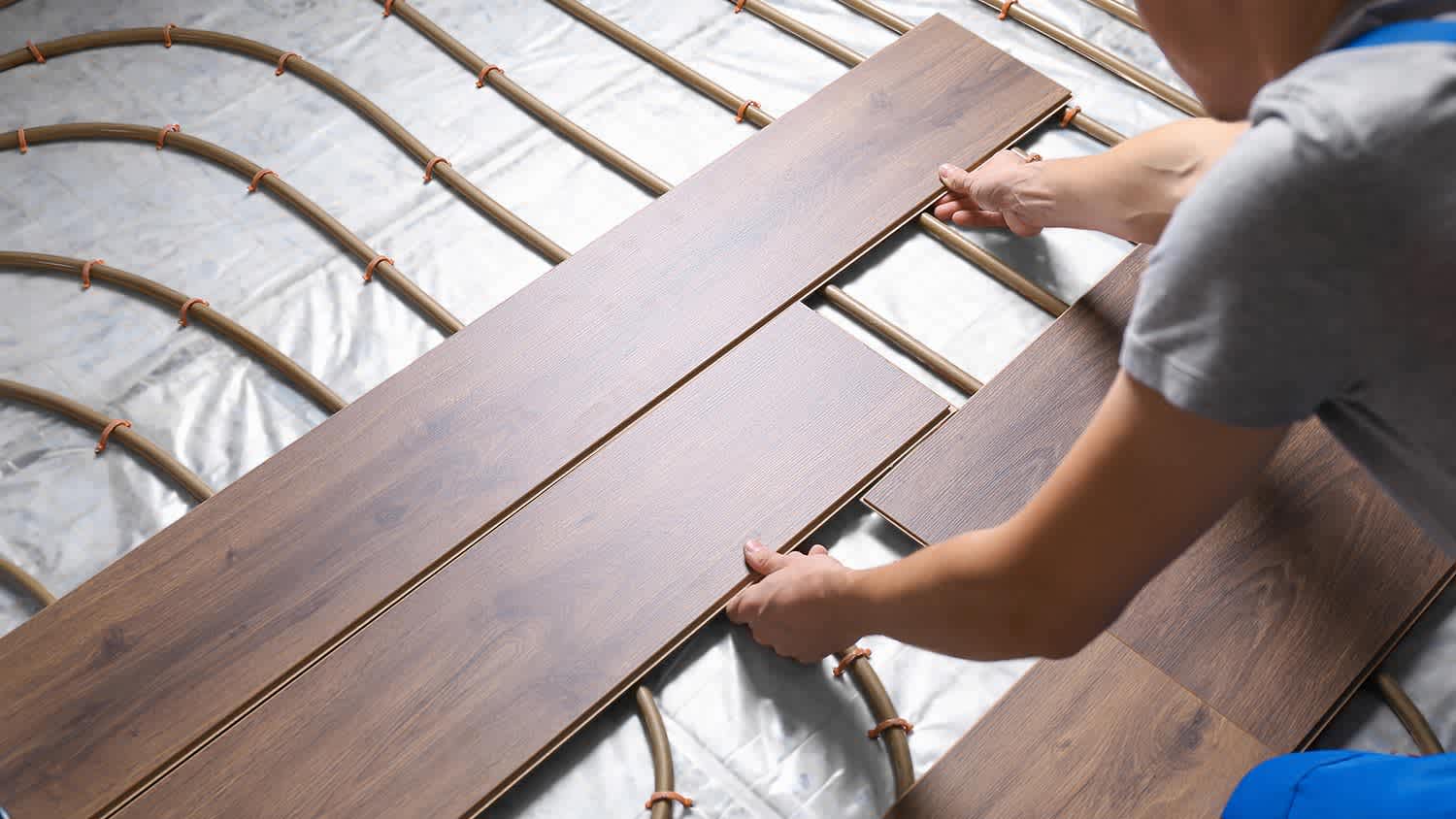
Get expert insights on radiant heating repair cost, including average prices, cost factors, and ways to save. Learn what impacts your radiant heating repair bill.
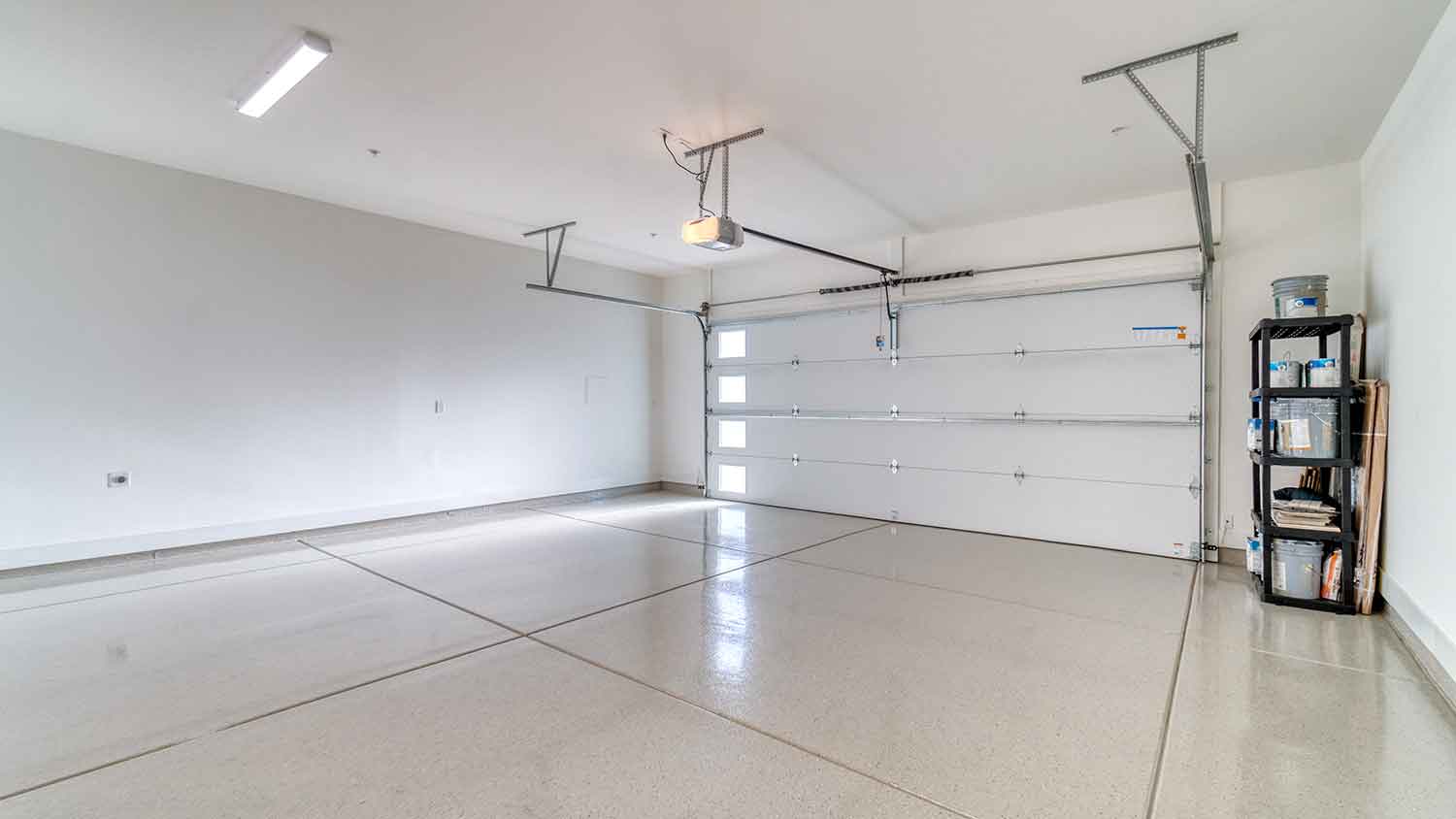
How much does it cost to insulate a garage? Discover insulation options, prices, and expected and unexpected circumstances that affect the project cost.
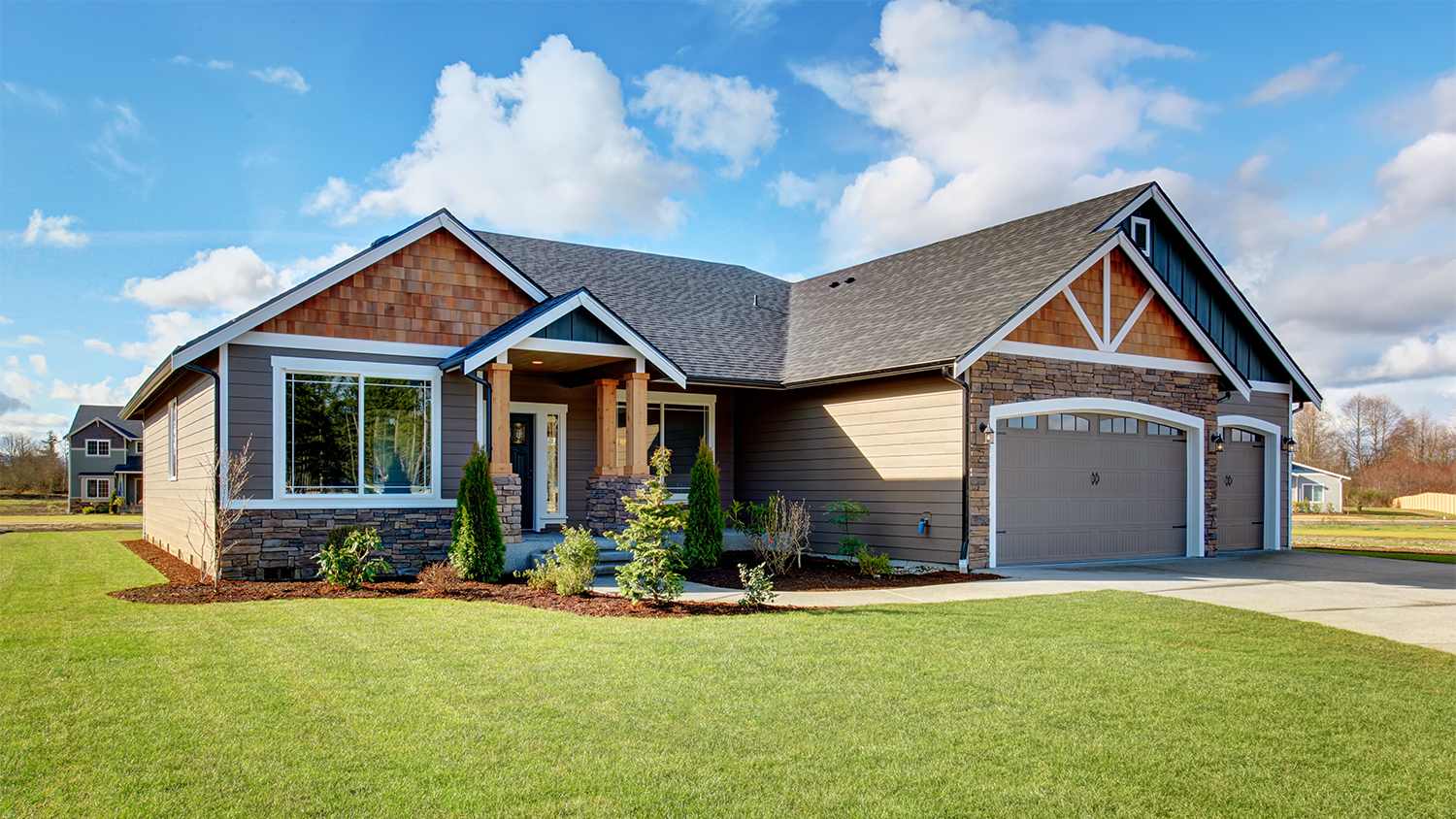
Radiant barriers reflect heat away from your home, but are they worth it? If you’re wondering whether radiant barriers work well, then keep reading to find out.
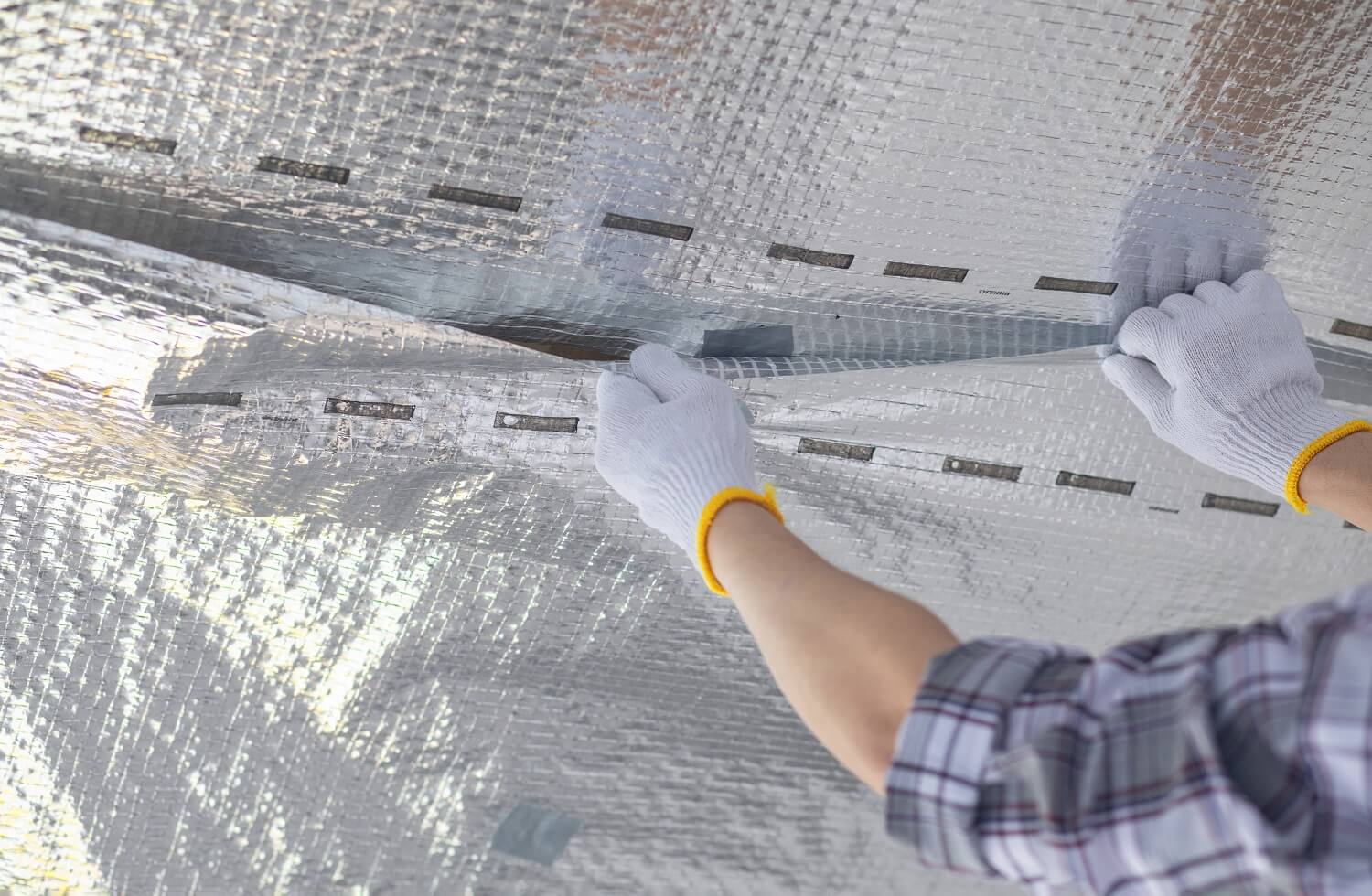
How does a radiant barrier work? This alternative insulation is effective at cooling a home, but its unique mechanism won’t provide the same heating benefits.
What is a radiant barrier? This reflective building material is designed to reduce heat transfer and save you money on energy costs.