
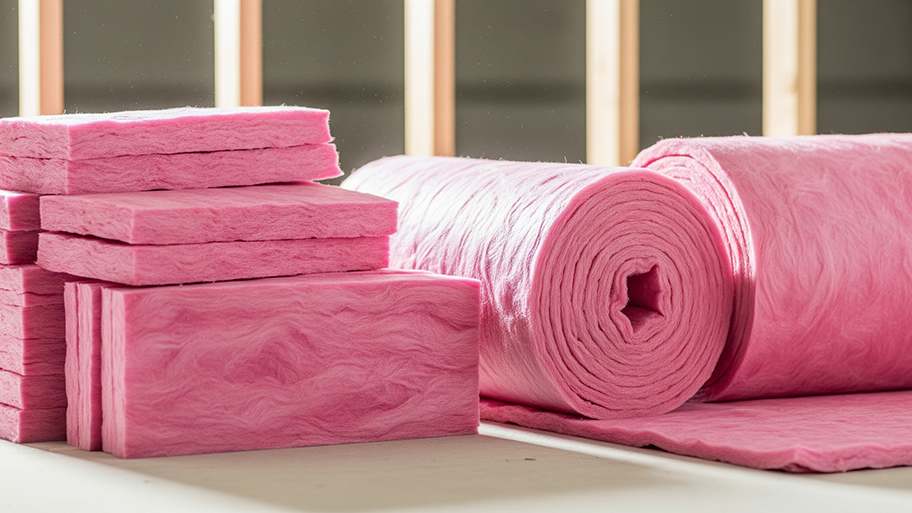
Crawl space insulation costs vary by size, insulation type, and material. Read this guide to learn how much your crawl space insulation could cost.
Discover top alternatives to fiberglass insulation

Non fiberglass insulation options include spray foam, blown-in cellulose, soy-based materials, and natural fiber batts that offer safer, more sustainable choices for your home.
Expect to pay $1,408 to $4,146 for spray foam installation or $740 to $2,840 for radiant barriers, with material costs varying by insulation type.
Your R-value requirements depend on your climate and location, so check recommended levels for attic, wall, and floor insulation before choosing materials.
Hiring a local insulation professional provides reliable guidance on material selection and proper installation, helping you achieve the best energy efficiency for your home.
There are many reasons why you may want to use non fiberglass insulation. Despite its rather affordable cost per square foot, fiberglass insulation may contain formaldehyde, which can cause cancer. It can also damage your lungs if you don’t wear a mask during installation. Additionally, fiberglass insulation gradually expires and becomes less effective. It is also not the most environmentally friendly. Thankfully, plenty of safer, more sustainable, and more effective alternatives to fiberglass insulation exist.

Spray foam insulation is affordable and easy enough to do by yourself. Spray foam insulation is highly energy efficient and can fill smaller cracks and tighter spaces. It also enhances soundproofing. As long as there is no moisture, spray foam has a longer lifespan than most other materials. On average, spray foam insulation costs $1,408 to $4,146, labor included. However, spray foam can produce a toxic off-gas that lasts 24 to 72 hours after installation. Therefore, professional installation is recommended.
Blown-in insulation works great as an attic insulation solution. It also tends to have a longer lifespan than rolled insulation. However, blown-in insulation can settle and pack down over time, reducing the insulation’s efficiency.
According to Angi data, 54% of homeowners report having blown-in insulation in their attics. Other common locations for this essential home insulation are inside the walls and ceilings.
The two common materials used for blown-in insulation are mineral wool and cellulose.
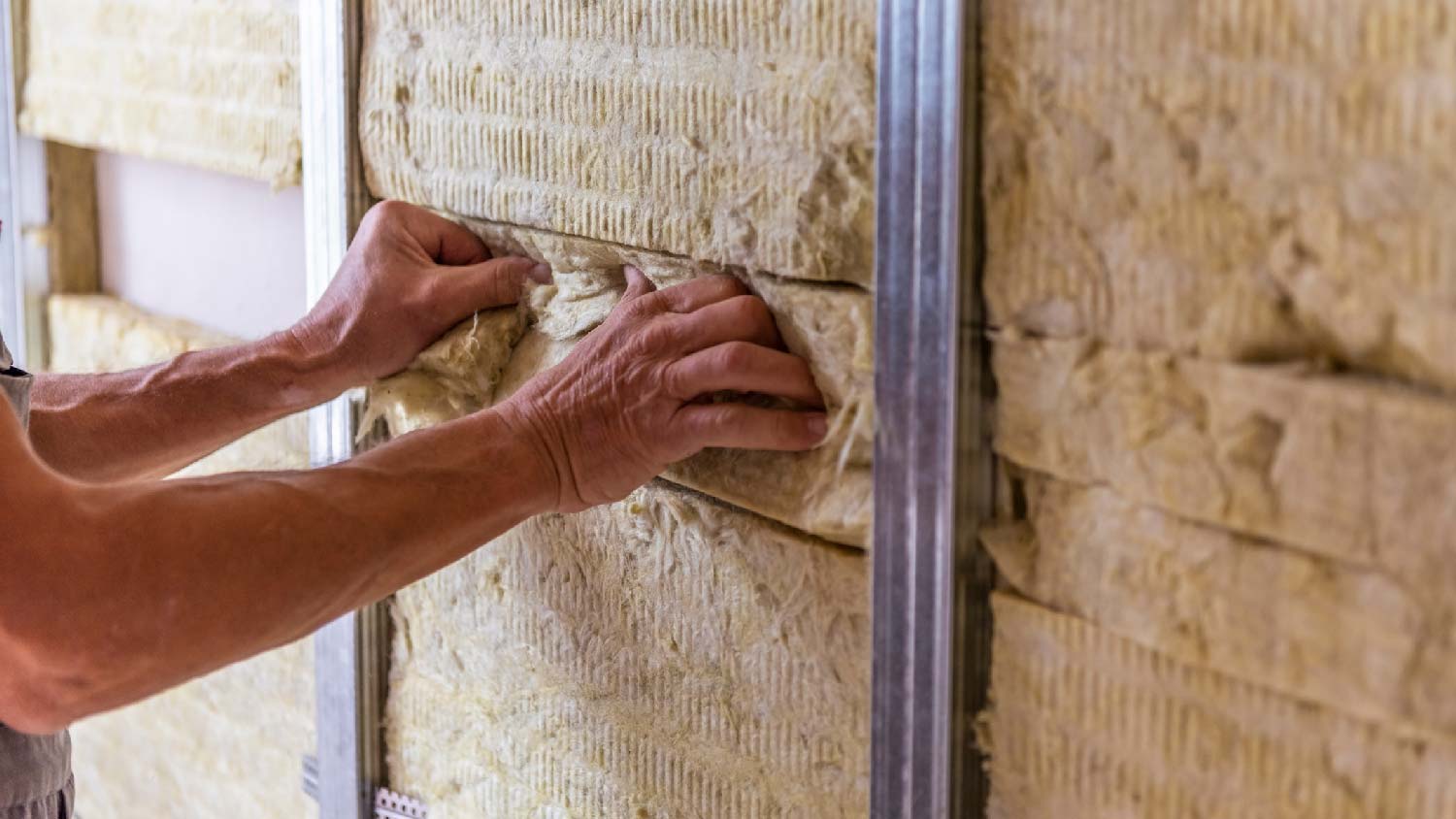
Mineral wool can create a highly effective thermal barrier in almost any climate and environment. Its open fibre structure allows it to hold a large amount of air, providing excellent heat regulation ability. Mineral wool also works great as a sound barrier for those living on a busy street. Mineral wool insulation costs $1.40 to $2.10 per square foot.
Cellulose is environmentally friendly since it’s primarily made with recycled newspaper. It is treated with boric acid, which helps repel insects. Compared to many other materials, cellulose insulation has one of the lowest Volatile Organic Compounds (VOC) index, making it healthier for the human body than most other materials.
Cellulose insulation can cost from $0.60 to $2.30 per square foot, depending on the type of cellulose you choose. The only downside is that cellulose insulation tends to settle faster than mineral wool due to its heavier weight, resulting in a shorter lifespan.
Soy-based insulation is favored by those looking for a safe and healthy alternative to spray foam insulation. It works exactly like spray form but generates zero off-gas. Soy-based insulation also helps repel rodents. However, it is one of the more expensive insulation materials, costing between $220 to $750 for a 500-square-foot ceiling.

Natural fiber batts are one of the most eco-friendly insulation solutions. They also tend to have much longer lifespans compared to other materials. Note that untreated natural fiber batts can attract moths and other insects. Therefore, ensure your product is treated with an eco-friendly solution.
Cotton is one of the most common natural fiber materials used for insulation. It also releases no harmful gas. However, cotton batts are highly susceptible to moisture and can easily become a breeding ground for mold. Therefore, it is not suitable for wet and rainy areas. Cotton batts cost $1.20 to $1.50 per square foot.
Hemp is a new addition to the insulation market. Therefore, they are one of the more expensive non fiberglass insulation alternatives, costing $1.40 to $3.10 per square foot. However, the advantages justify the pricing, as hemp can absorb moisture without losing its effectiveness. Like cotton, hemp is safe and healthy with no toxic off-gas. It is also fully biodegradable, recyclable, and is resistant against rodents and insects.
Thermacork is another new material that provides ample heat resistance and is soundproof. It is fully natural and biodegradable. Thermacork is the best choice for those who put sustainability at the core of their home, as it has a negative carbon footprint.
Thermacork comes in two- or three-inch batts. Two-inch batts cost about $3.60 per square foot, and three-inch batts cost about $6.20 per square foot.

Sheep’s wool is a great insulation material and can be safely installed by yourself. Since it is breathable, it also filters your air and removes certain VOCs, chemicals, and toxins. Compared to other materials, sheep’s wool is more effective in soundproofing. Therefore, it’s perfect for studies, home offices, and bedrooms.
Sheep’s wool is more expensive than mineral wool due to its natural content. Make sure the batts you purchase are treated with eco-friendly solutions since you are investing in a natural material over a synthetic one.
These rigid foam boards are eco-friendly and energy-efficient. They can cover larger areas more effectively than spray foam insulation. Polystyrene boards also provide additional structural support on top of regular insulation when installed behind walls. They cost $1.50 per square foot on average.
Aerogel has the highest heat resistance. Therefore, it is the most expensive insulation material, costing about $11.20 per square foot. It is a synthetic material with 90% air component, making it extremely difficult for heat to pass through. However, it does release toxic off-gas and thus requires professional installation. Using aerogel in an attic or basement is also better than living space.
Radiant barriers are extremely effective in high-heat states like Arizona, where houses typically have cooling ducts running through the attic. In addition to heat resistance, radiant barriers can also reduce energy costs by 5 to 10%. However, they are less effective in colder climates.
Radiant barrier installation costs $740 to $2,840 to install radiant barriers, but the materials usually cost less than $1 per square foot.
The effectiveness of most insulation materials are measured using R-values. This index tells you how much heat each inch of insulation can resist. You can look up the recommended R-value for your state online, and most data sources will show you the different requirements for attic, floor, and wall insulation.
For example, if you live in Arizona and need to insulate a previously un-insulated attic, your required R-value is R30 to R60. Depending on where you live and what you need to insulate, you may use different insulation materials for attic, walls, and floors. However, if you don’t want to look up the specific requirement for your state: the recommended insulation level is R-38, or about 10 to 14 inches using common insulation options.
If you’re good people wanting to do business with good people, hire Matt. He is a consummate professional and utterly competent. He installed a water heater in my home at a price that beat competitors by hundreds of dollars with a promise to support the unit for its life (even after its 6 yr...
 Greene's Plumbing Services
I would recommend this company to anyone! He showed up on time, was friendly, completed a very difficult repair on our dryer vent cover, was responsive, and pricing was extremely fair and competitive. I would have him back to do any of our repairs or cleanings without hesitation!
 U.S.A. Dryer Vent, LLC
Best cleaning I've had at my property
I conferred with 2 other contractors before Armstrong Electric. Nick and his crew showed me that the project was not as convoluted as the other contractors made it appear to be. They completed the entire project on time. They were professional, friendly and cleaned up after at completion. I...
 ARMSTRONG ELECTRIC, LLC
Our exterior looks brand new thanks to Custom Paint Jobs LLC. Theyre the best in town!
 Custom Paint Jobs, LLC
Excellent experience with hiring Tether House to Mount our 77’ Samsung TV in our bedroom. Fast, friendly, and knowledgeable. Highly recommend.
 Tether House
The techs on my project, Shawn and Cliff, were great. They were prompt, courteous, and efficient. I am very happy with the results and would definitely contact Mr. Electric for any future electrical projects.
 Mr. Electric of Columbus
We had our houses windows and back door replace this summer by Window Depot USA of Central. He gave us grate advise and saved my family lots money. The team did a fantastic job with installation. If you need help, they sure get job done right!
 Window Depot USA of Central Ohio
Beginning with the estimate, Larry and Peyton were super helpful in getting my new condo's interior re-painted. Not only was the job well done, but also done in a super timely manner as promised.
 Five Star Painting of Plain City and Powell
Great job...edging and pre clean up went well with a great job with seal coat. Friendly, efficient and professional.
 All Star Paving and Sealing
From average costs to expert advice, get all the answers you need to get your job done.
Crawl space insulation costs vary by size, insulation type, and material. Read this guide to learn how much your crawl space insulation could cost.
New insulation can make your home more comfortable and boost energy efficiency. Use this insulation cost guide to get an accurate estimate for the installation.

When comparing fiberglass insulation versus foam board, each has certain areas where it works better. Learn more about these home insulation options.
Discover the pros and cons of cellulose and fiberglass insulation in this article and learn how to choose the right insulation material for your home.
Is fiberglass dangerous? Our guide walks you through the risks of working with fiberglass—and why it still makes sense as an insulation material for your home.
Proper insulation is a win for your home, health, and energy bills. Between rockwool and fiberglass, which insulation comes out on top? Let’s find out.