

Trying to calculate how much spray foam insulation costs? Our in-depth guide breaks down pricing by type, amount, and where you install it.
Keep your home cozy at any cost

Spray foam insulation versus batt insulation differs in how it's applied, with spray foam expanding as liquid while fiberglass comes in batts or boards you can install yourself.
Fiberglass insulation costs $0.30 to $1.50 per square foot, while spray foam costs $1 to $2 per square foot, with whole-house spray foam averaging $2,885 for your project.
Spray foam insulation offers better moisture resistance than fiberglass, which can clump and lose effectiveness when exposed to water or high humidity in your home.
Hiring a local insulation company provides reliable guidance on choosing the right material and handling installation, keeping your project on track and your home comfortable year-round.
How do you choose the right insulation for your home? You start by knowing the differences between each type and how those differences affect you. For example, spray foam insulation versus fiberglass—each option has its pros and cons. Here's how to choose the best one for your home.
Spray foam insulation can be used throughout the home, but according to Angi data, spray foam insulation is most commonly installed in walls, as reported by over 29% of homeowners. Other common locations include attics at 21% and ceilings at over 20%.
The major differences between spray foam insulation and fiberglass insulation are the cost of insulation, R-value, and the insulation installation process. Spray foam insulation has a higher cost and a more complicated installation process than fiberglass. However, it's also less prone to water damage and has a higher R-value.
| Spray Foam | Fiberglass |
|---|---|
| Higher cost | Lower cost |
| Higher R-value | Lower R-value |
| Foam made from polyurethane | Made from glass fibers, available in several forms |

Spray foam insulation starts out as a liquid that expands and hardens into a rigid foam when sprayed into an enclosed space.
| Pros | Cons |
|---|---|
| Long-lasting | High cost |
| High ROI | Made from petroleum |
| High R-value | Complicated installation |
Best for:
Homeowners looking for a dramatic reduction in heating and cooling bills.
Spray foam insulation does a great job of keeping heat out of your home. It has a higher R-value, the measure of protection against heat transfer, than fiberglass. That means it'll keep the warm air indoors in the winter and the hot air outside in the summer. The result? Lower heating and cooling bills for you.
Since it helps to reduce your home's energy costs, spray foam insulation has a good return on investment (ROI). It can also give your home's value a boost. Spray foam insulation also has a long life and can last anywhere from 80 to 100 years.
It's not perfect, and there are some problems with spray foam insulation to be aware of. One major drawback is the cost. Spray foam insulation costs more than fiberglass, averaging $2,885 for the entire house.
Also of concern for eco-conscious homeowners is the environmental footprint of spray foam. It's made from polyurethane, a petroleum-based product, and isn't renewable. Producing spray foam material can also produce chemicals that are environmentally harmful. Finally, the installation process for spray foam insulation can be complicated.

Fiberglass insulation comes in several forms, including batts, boards, and blown-in insulation.
| Pros | Cons |
|---|---|
| Simple installation | Lower R-value |
| Lower cost | Subject to damage |
| Long-lasting | Can be irritating |
Best for:
Budget-conscious homeowners
Fiberglass insulation is much more budget-friendly than spray foam. The cost of fiberglass insulation ranges from $0.30 to $1.50 per square foot, compared to $1 to $2 per square foot for spray foam insulation.
It's also available in more forms than spray foam, ranging from blown-in insulation to batts or rigid boards. Whether you choose batts, boards, or blown-in insulation, the installation process is much simpler and something you can DIY.
Similarly to spray foam, fiberglass insulation can last for many years if properly installed and not exposed to moisture or humid conditions.
Compared to spray foam insulation, fiberglass insulation can experience moisture damage. If the material gets wet, it can clump together and lose its insulating properties. Depending on how much humidity or water gets on it, you may need to replace fiberglass insulation.
Fiberglass insulation also has a lower R-value than spray foam, meaning it may not be as effective in areas with very cold winters or very hot summers.
Finally, there are some potential dangers of fiberglass to be aware of. If you disturb fiberglass, it can release particles into the air, which can irritate your lungs if inhaled. Some people also experience skin or eye irritation if they come into contact with the material. If you're going to handle fiberglass insulation, always wear long sleeves, gloves, goggles, and a mask.
Take a closer look at spray foam versus fiberglass insulation to see how each one stacks up in several categories.
Fiberglass insulation comes in multiple forms, from batts to blown-in, making it potentially easier for you to find a format that works in your space and with your budget. Spray foam, on the other hand, is available in either open-cell or closed-cell, with closed-cell insulation offering the higher R-value.
Under ideal conditions, both fiberglass and spray foam insulation will last for decades. But spray foam is the winner here because it's less susceptible to moisture damage compared to fiberglass.
With a lower cost per square foot and a lower installation cost overall, fiberglass is the clear winner. The cost of installing fiberglass batts or blown-in insulation is similar, though you may find that installing batt or board insulation is a lot simpler.
Fiberglass insulation has a relatively simple installation process, with many handy homeowners feeling confident enough to tackle installing fiberglass batts or boards on their own. If you're going to go the blown-in route, your best bet is to work with a professional insulation company, which will have the right equipment and know-how.
If you are concerned about the environmental impact of the materials used in your home, fiberglass is the better bet than spray foam insulation. The primary ingredient in fiberglass insulation is glass, a natural material made from sand. Spray foam is made from polyurethane, which is created from petroleum.
Spray foam may have the highest price tag of all your insulation options, but it also potentially offers the highest ROI. Installing spray foam insulation can lead to a significant drop in your energy bills, thanks to a reduced need for heating or cooling. Over a few years, your energy cost savings may make up for the amount you spent up front.
Spray foam insulation creates a tight seal in your home's walls, giving it the highest possible insulation R-value. Thanks to that higher R-value, spray foam also has a high ROI.
Fiberglass insulation can also have a decent R-value, but it can also lose some of its effectiveness over time. As blown-in insulation settles, it doesn't block heat transfer as well, for example.
If you’re good people wanting to do business with good people, hire Matt. He is a consummate professional and utterly competent. He installed a water heater in my home at a price that beat competitors by hundreds of dollars with a promise to support the unit for its life (even after its 6 yr...
 Greene's Plumbing Services
I would recommend this company to anyone! He showed up on time, was friendly, completed a very difficult repair on our dryer vent cover, was responsive, and pricing was extremely fair and competitive. I would have him back to do any of our repairs or cleanings without hesitation!
 U.S.A. Dryer Vent, LLC
Best cleaning I've had at my property
I conferred with 2 other contractors before Armstrong Electric. Nick and his crew showed me that the project was not as convoluted as the other contractors made it appear to be. They completed the entire project on time. They were professional, friendly and cleaned up after at completion. I...
 ARMSTRONG ELECTRIC, LLC
Our exterior looks brand new thanks to Custom Paint Jobs LLC. Theyre the best in town!
 Custom Paint Jobs, LLC
Excellent experience with hiring Tether House to Mount our 77’ Samsung TV in our bedroom. Fast, friendly, and knowledgeable. Highly recommend.
 Tether House
The techs on my project, Shawn and Cliff, were great. They were prompt, courteous, and efficient. I am very happy with the results and would definitely contact Mr. Electric for any future electrical projects.
 Mr. Electric of Columbus
We had our houses windows and back door replace this summer by Window Depot USA of Central. He gave us grate advise and saved my family lots money. The team did a fantastic job with installation. If you need help, they sure get job done right!
 Window Depot USA of Central Ohio
Beginning with the estimate, Larry and Peyton were super helpful in getting my new condo's interior re-painted. Not only was the job well done, but also done in a super timely manner as promised.
 Five Star Painting of Plain City and Powell
Great job...edging and pre clean up went well with a great job with seal coat. Friendly, efficient and professional.
 All Star Paving and Sealing
From average costs to expert advice, get all the answers you need to get your job done.
Trying to calculate how much spray foam insulation costs? Our in-depth guide breaks down pricing by type, amount, and where you install it.

Discover the average injection foam insulation cost, key price factors, and ways to save. Get transparent estimates to plan your home insulation project confidently.
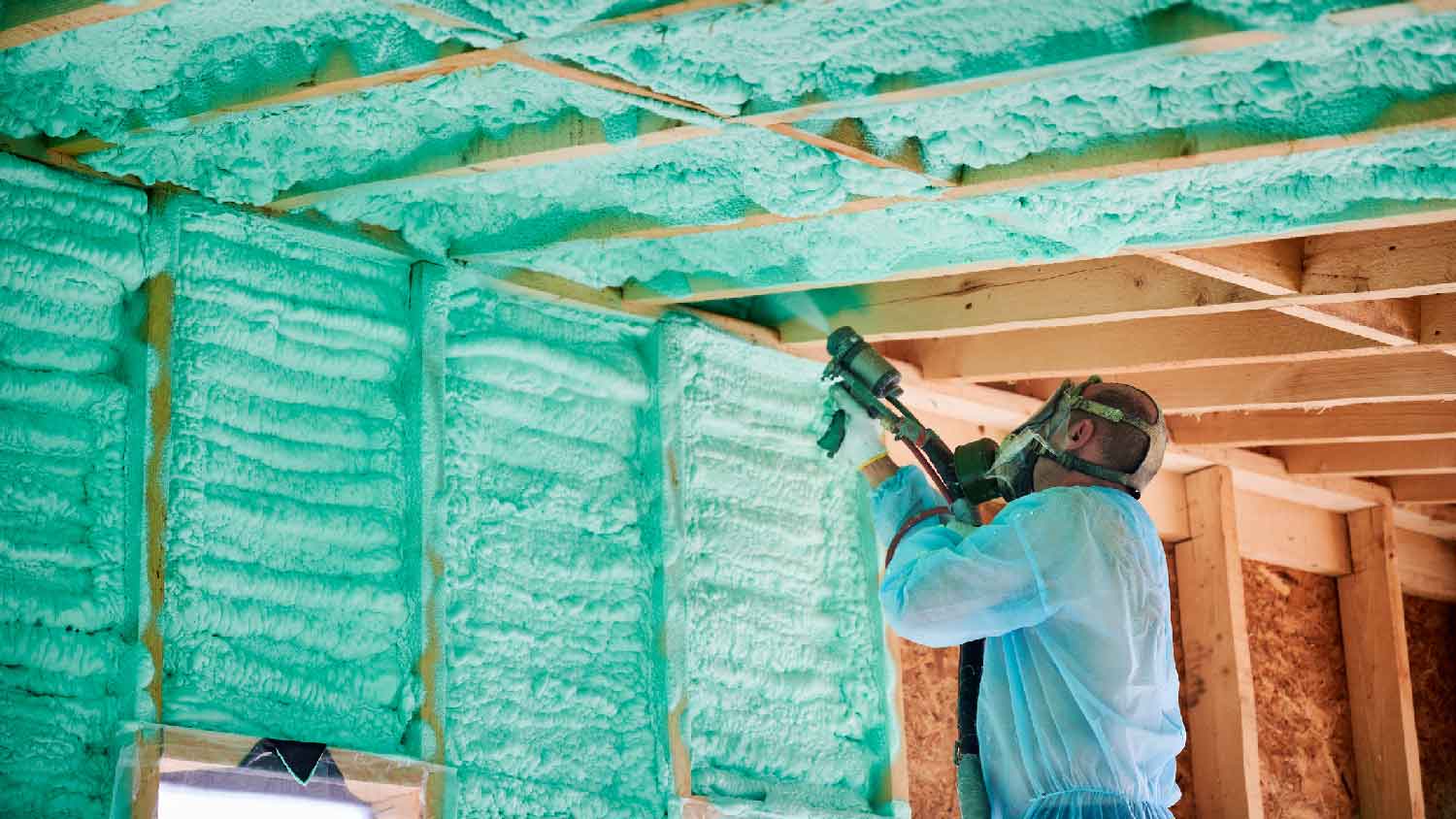
Weigh the pros and cons of spray foam insulation before choosing an insulation to keep your home comfortable.
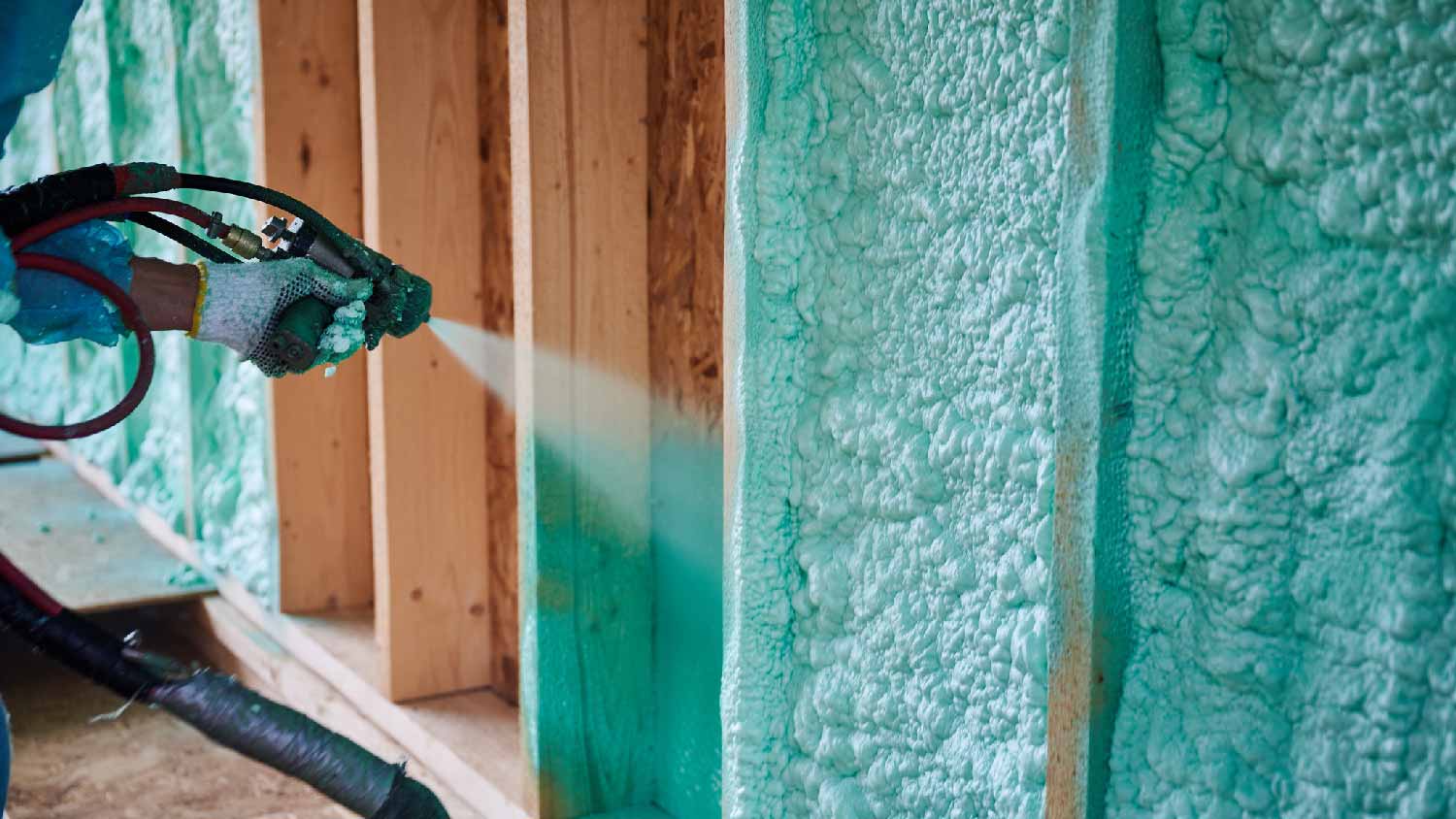
Are you stuck trying to decide between blown-in insulation and spray foam insulation? Factors like your budget and local climate will help you pick the right one.

We’ll walk you through how to install spray foam insulation in your home—and when it makes sense to call in a pro.

When comparing fiberglass insulation versus foam board, each has certain areas where it works better. Learn more about these home insulation options.