
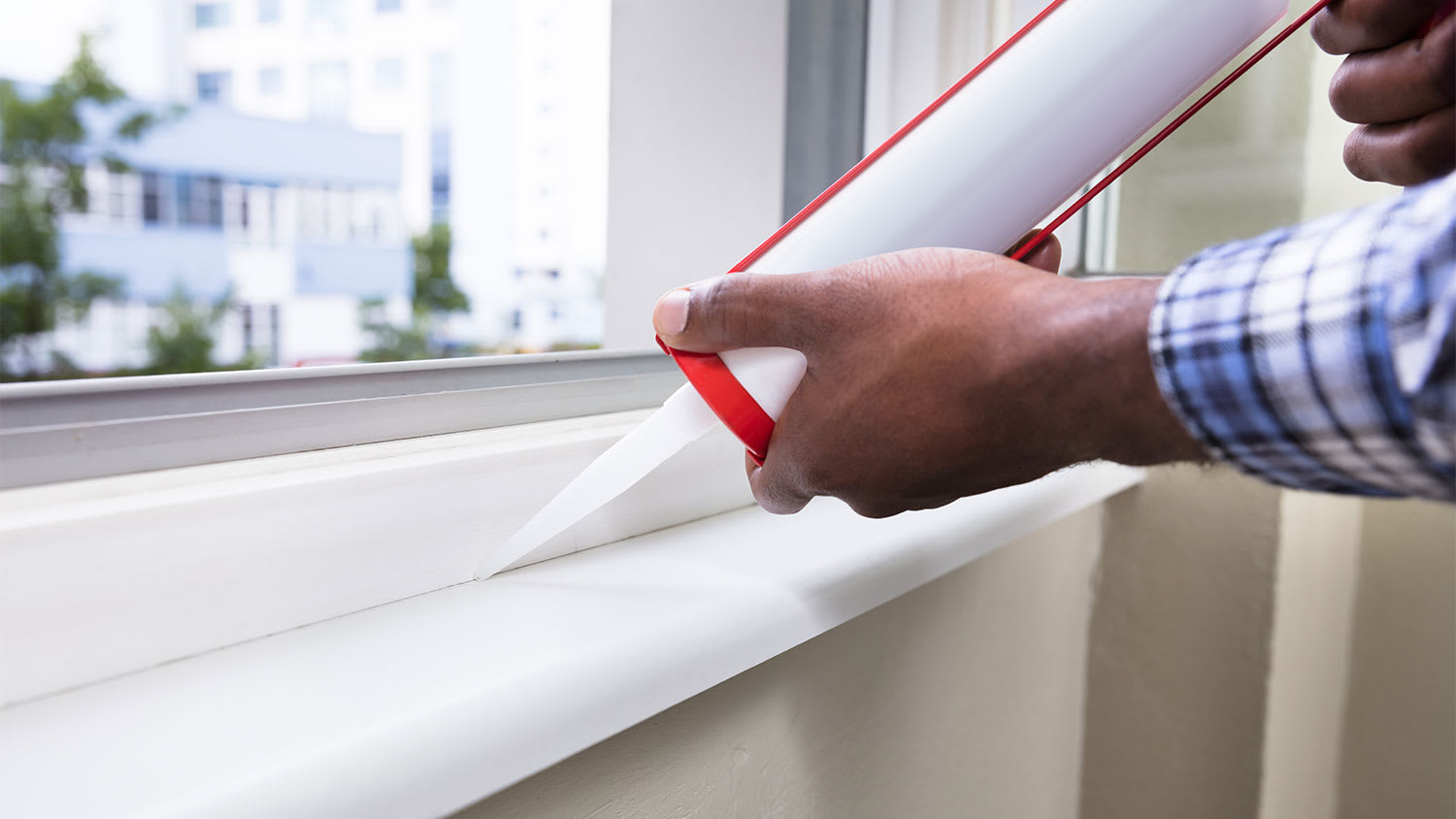
The average hurricane window cost varies by size, type, labor, and more. Read this guide to estimate the cost of your impact window installation.
These prep tips can help you stay safe during storms

Hurricane preparation requires stocking at least three days of food and water per person, charging devices, and securing yard debris before the storm hits.
Storm shelter costs range from $2,660 to $11,550, and installing hurricane shutters or impact windows helps protect your home from high winds and flying debris.
Your emergency supply kit should include prescription medications, first-aid supplies, flashlights with fresh batteries, and important personal documents stored in waterproof containers.
Hiring a local hurricane shutter professional provides reliable installation over windows and garage doors, helping protect your home from serious storm damage.
When a hurricane comes to town, it typically brings with it high winds and aggressive rainfall, leading to flying debris and flooding that can put you and your property at risk. By preparing ahead of time with tasks like building up a supply kit and prepping your vehicle for evacuation, though, you can better protect your family and your home. If you’re wondering how to prepare for a hurricane, follow these tips.

If you have to stay put in a storm, make sure you have plenty of emergency supplies at home to get you through several days without power or water, should the storm disrupt your utility services. You should have at least three days’ worth of food for each person and pet in the house and at least 1 gallon of water per day per person or pet, although it’s better to have enough food and water for everyone to last at least a week or two.
If you think your food and water supplies are fully stocked, be sure to double-check any expiration dates. Replace expired food, and make sure you’re refreshing your water supply every six months.
The emergency supply kit should also contain prescription medications, basic hygiene items (like travel toothbrushes and baby wipes), menstrual care products, as well as a first-aid kit with gauze, bandages, pain relievers, burn creams, and other medical essentials.

A hurricane may leave you without power, which means you won’t be able to see well in the stormy daytime or at night. You also won’t be able to charge up your phones or tablets once the batteries die. Make sure flashlights and satellite radios have fresh batteries, and keep additional batteries and flashlight bulbs stored with your emergency preparedness kit.
The best way to keep your family safe is to evacuate well in advance of a hurricane. Make a plan, including where you’ll evacuate to and the routes you’ll take to get there should GPS services be limited. Make sure you have a plan to reconvene in a safe area away from the storm should you evacuate at separate times or in different vehicles.

You may need to reach other family members or emergency services during or after a hurricane, whether you shelter in place or evacuate ahead of time. You may not be able to rely on the Wi-Fi to check in with loved ones online.
Write down the phone numbers of everyone in the house, family members, and local emergency services and utilities in case your home’s electrical or gas systems are damaged in the storm. You may want to store these phone numbers on paper and digitally, and be sure that everyone in the house knows how to access these phone numbers.
A go bag is a portable supply kit that you can take with you if you need to evacuate. Similar to your emergency supply kit, the go bag should contain medications, food, water, and first-aid supplies, along with extra clothing, your wallet, backup sets of home and vehicle keys, and anything you may need while you’re on the road.
Hurricane flooding could put your property in danger, and you don’t want to go through the headache of losing and replacing all of your important personal documents. Keep documents like social security cards, birth certificates, IDs, passports, wills, insurance documents, and other paperwork together, ideally in a safe or file folder that’s water- and fire-proof.
While you should keep these documents somewhere easy to access should you need to evacuate, storing them in a durable box or folder can help keep them safe if they are left behind.
If you live in an area prone to hurricanes and other severe storms, you should have an insurance policy in place that will help you out if your property is damaged by such storms. Review your car and homeowners insurance policy documents (as well as your policies for any other personal property), or talk to your agent to make sure you’re covered for storm damage. If not, make sure to add on the appropriate type of coverage.

Is your car ready to go when you get an evacuation notice? Make sure the gas tank is full in advance. If there are widespread evacuations, you could end up in traffic or long lines at the pump. While you’ll have your go bag to toss in the car during an emergency, you should also have some additional supplies and a first-aid kit in your vehicle. Your car should also already have necessary vehicle emergency items, like jumper cables and a spare tire.
If you’re at home during a hurricane, make sure your vehicle is stored in a garage or other enclosed space. If this type of coverage isn’t available to you, park your vehicle on high ground to keep it safe from flooding. If you drive after the hurricane, avoid driving through any flooded waters. Even when waters look shallow, they could be far deeper than they appear and may carry your vehicle away and increase the risk of drowning.
With hurricanes come strong, windy conditions that can carry large debris. You don’t want the rake that you left resting against the garage to smash a hole in your living room window, so make sure the yard is free of debris to minimize the risk of damage to your home. Even big items, like outdoor patio furniture or grills, should be moved into a covered space for better protection.

High winds and flooding can damage gas lines, electrical wires, circuit breakers, and other utilities. Educate yourself and your family on where to find utility shutoff switches and valves, and be sure to turn off these items just before the storm starts. That way, if a pipe comes loose or a line becomes damaged, a leak or faulty wire won’t pose greater threats. Be sure to have a professional come through and inspect your utility lines for damage before turning everything back on when the storm blows over.
If you live in an area prone to natural disasters like hurricanes or earthquakes, it may be worth it to install a gas shutoff valve that will stop the flow of gas to your home if the sensor detects a leak.
While you’ll want to keep some extra batteries around for flashlights and radios, you can also get more use out of other devices like phones and laptops by charging them fully in advance.
You may not be able to access the internet during or after the storm, and you probably won’t have power to recharge devices once the storm has started, but charging devices in advance may allow you to call for help in an emergency, check online for storm updates, or call family to check in. You may also want to invest in a power bank for your devices, in which case you’ll want to keep additional charging cables on-hand.
There are many actions you can take to hurricane-proof your home. A storm shelter costs about $2,660 to $11,550 and can be a life-saving investment for people in areas with hurricanes or tornadoes.
Install a storm door to protect your front door from high winds, and consider different types of hurricane shutters or window film to protect glass around the house. Hire a local hurricane shutter company to install shutters over windows and place hurricane fabric over garage doors and other openings to better protect against serious damage from high winds and rain. Schedule a roof inspection, and have a roofer make any repairs to minimize the risk of leaks and water damage.
Corey Carr was great. I had damage from a recent storm and needed to have my mast and other components replaced. The project entailed coordinating with AEP, and Corey helped make a stressful situation a lot less stressful. I really appreciated his dedication to service and the job very well done.
 Mr. Electric of Columbus
Great company! Price was competitive, technician showed up on time and completed the job (exterior electric Radon fan replacement) quickly. Would hire them again.
 MaGen Property Inspections and Radon Mitigation
Raven and crew does absolutely fantastic job. They are very professional if any concerns were to occur with any of her work she always took responsibility and finished out with a great job. I have worked with her business for a year and have always been satisfied. Very trusted business and...
 Creations of Transformation LLC
Best cleaning I've had at my property
The Cisco team did an exceptionally good job of painting (very detailed), and they were professional, courteous, helpful and just pleasant to have in our home for a week. I have already recommended Cisco to some neighbors.
 Cisco Finishes
Supreme Brick & Chimney is one of the best service providers I’ve interacted with. Extremely efficient, knowledgeable, and thorough. They took the time to walk me through their detailed full-service inspection and were extremely professional. Not to mention their turnaround time was...
 Supreme brick & chimney
I had Ace Fireplace Services install custom chimney caps for my home, and the results are stunning. They fit like a glove and have added a touch of sophistication to my chimney. I can't recommend their services enough.
 Ace Fireplace Services
Custom Paint Jobs LLC gave our office a fresh new look. Clients love it!
 Custom Paint Jobs, LLC
Storms Mobile Welding was great to work with. They were prompt, professional and did an overall excellent job on the project. I highly recommend.
On Sunday 2/26 I requested quotes via Angi from 4 refrigerator repair businesses. Northwest Appliance responded to me Monday morning (2/27) and my refrigerator was repaired by noon the same day. Great communication, they did everything they said they would. The technician had the parts on...
From average costs to expert advice, get all the answers you need to get your job done.
The average hurricane window cost varies by size, type, labor, and more. Read this guide to estimate the cost of your impact window installation.
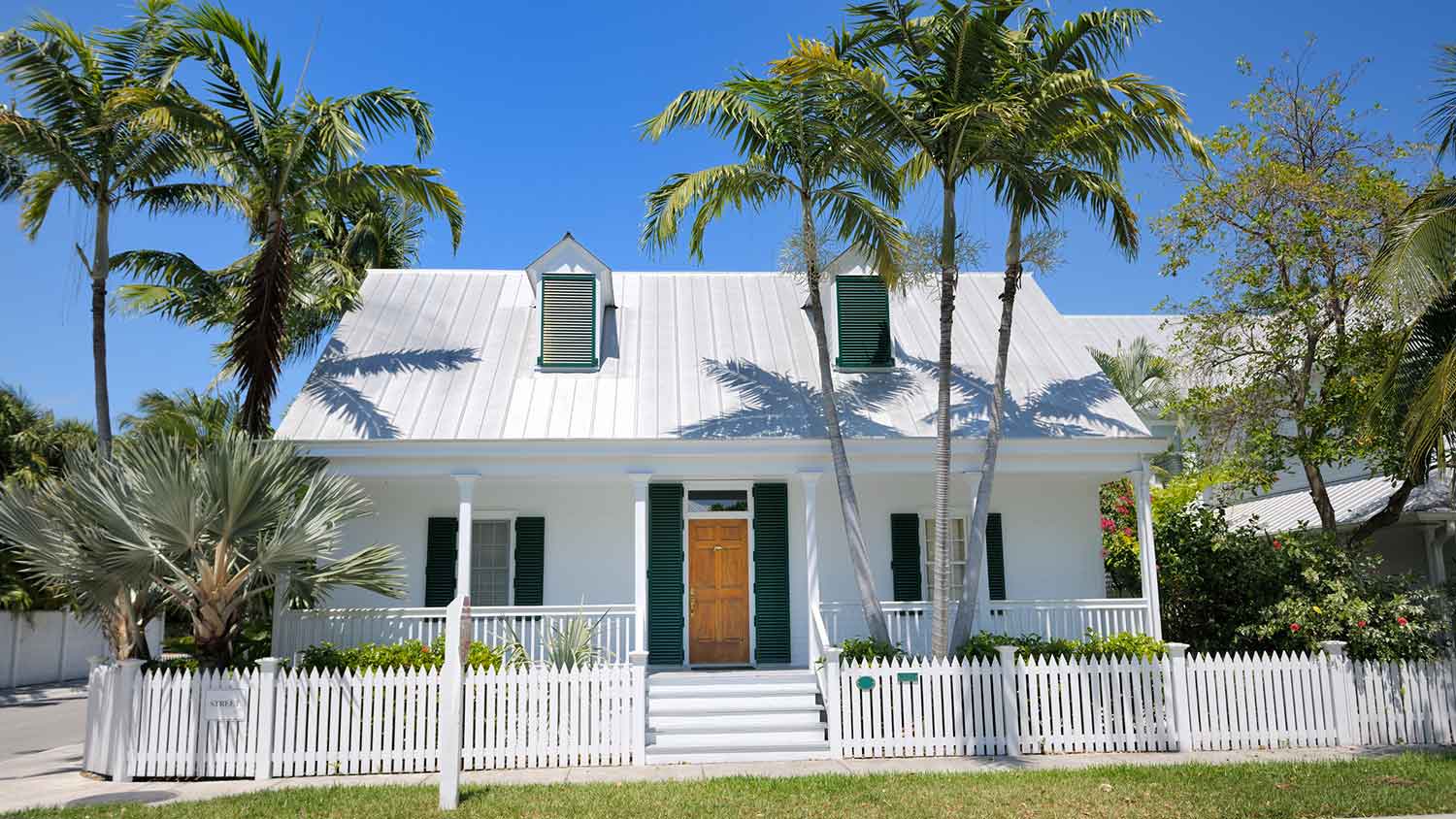
Hurricane shutter costs vary widely depending on many factors. Explore our breakdown of the elements that impact what you’ll pay for hurricane protection.
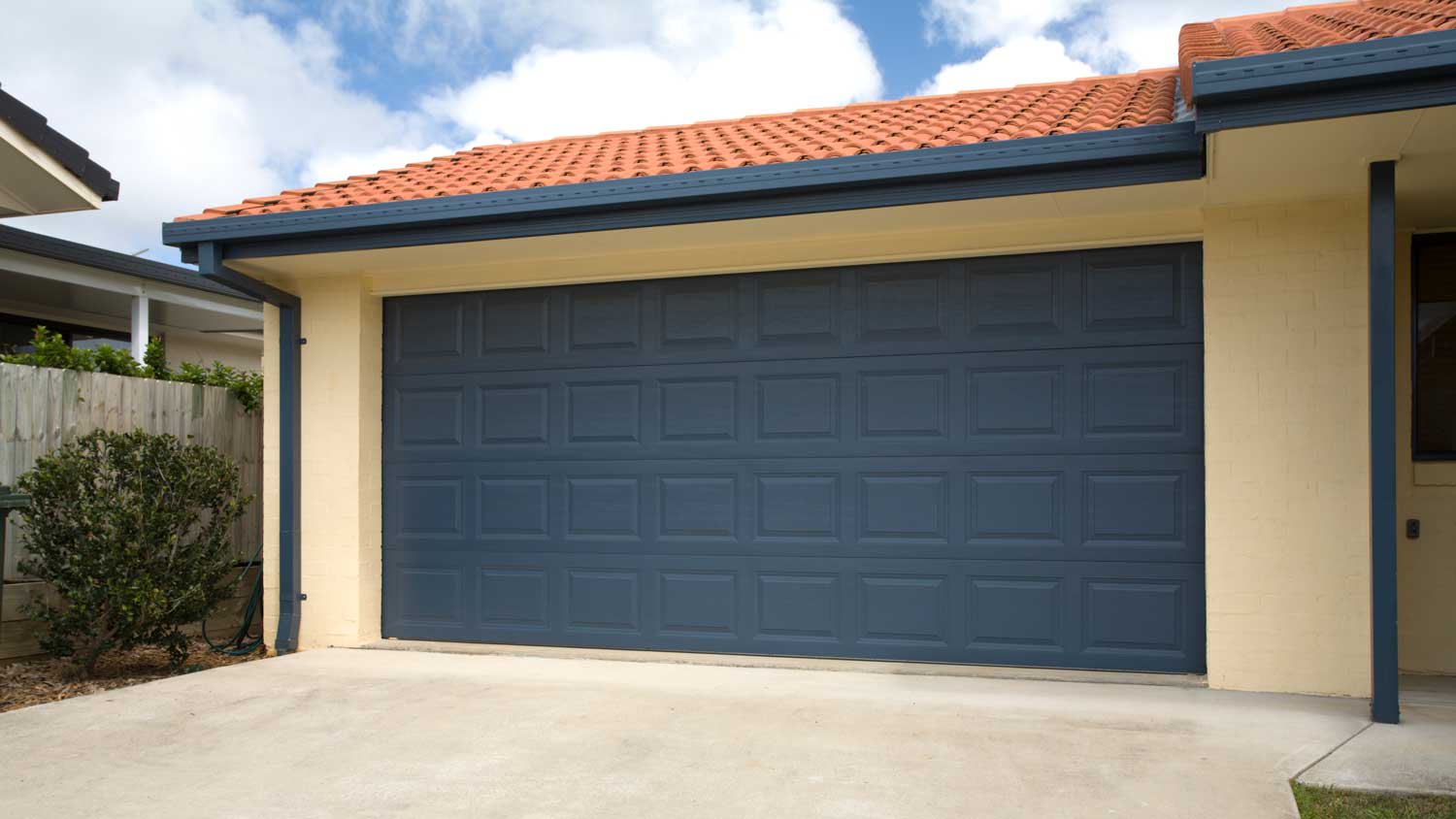
Want to ensure your home is secure for storm season? We discuss hurricane garage door costs and which factors influence the price tag.
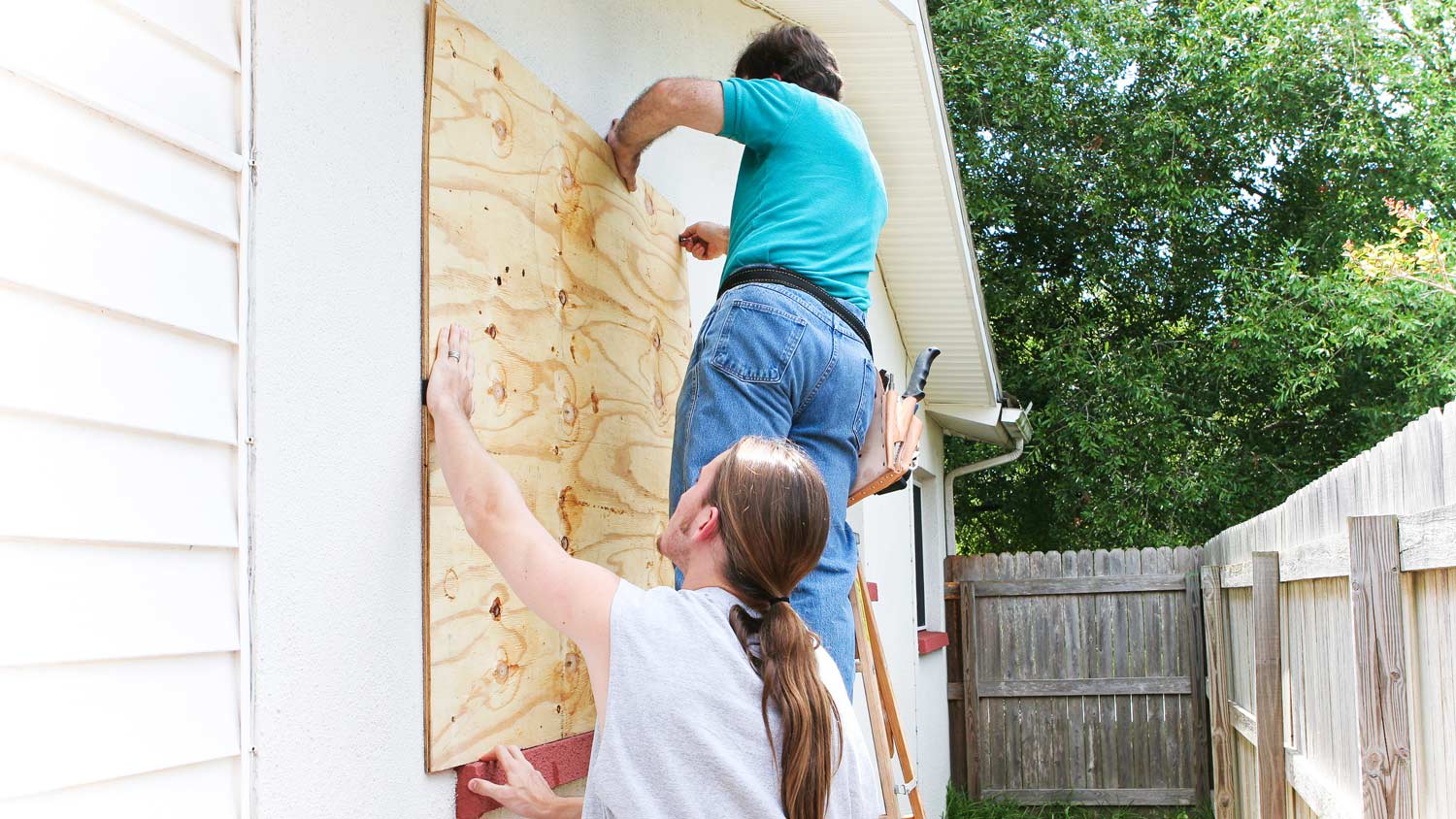
When a hurricane or natural disaster hits your home, you want to be prepared. This hurricane preparedness checklist will help your family and pets stay safe. Learn everything you need to do in the event of a severe storm or another disaster.
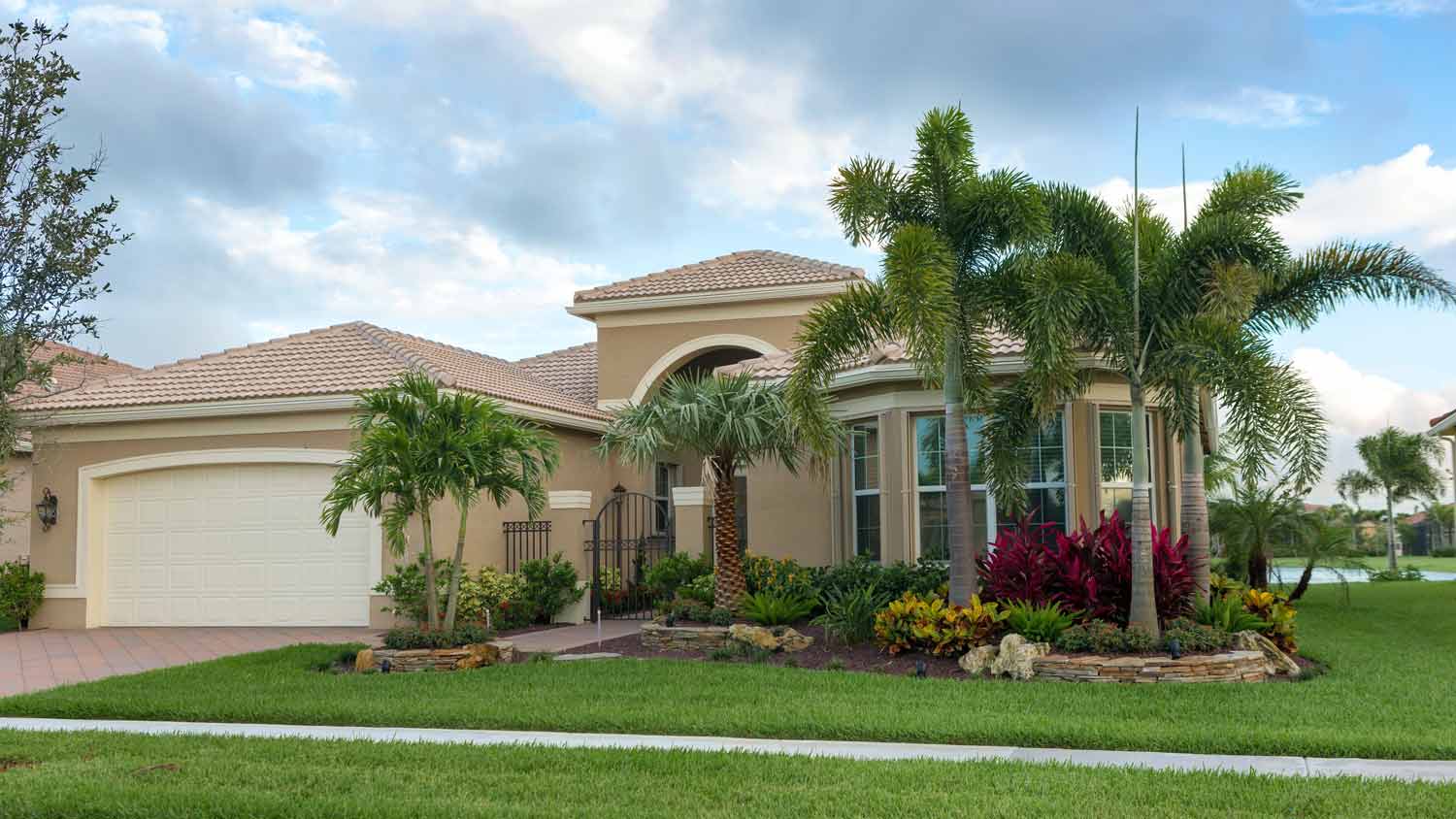
Do you live in a hurricane evacuation zone? Learn what damage a hurricane can cause, how to prevent it, and what to do after a cyclone or tropical storm.
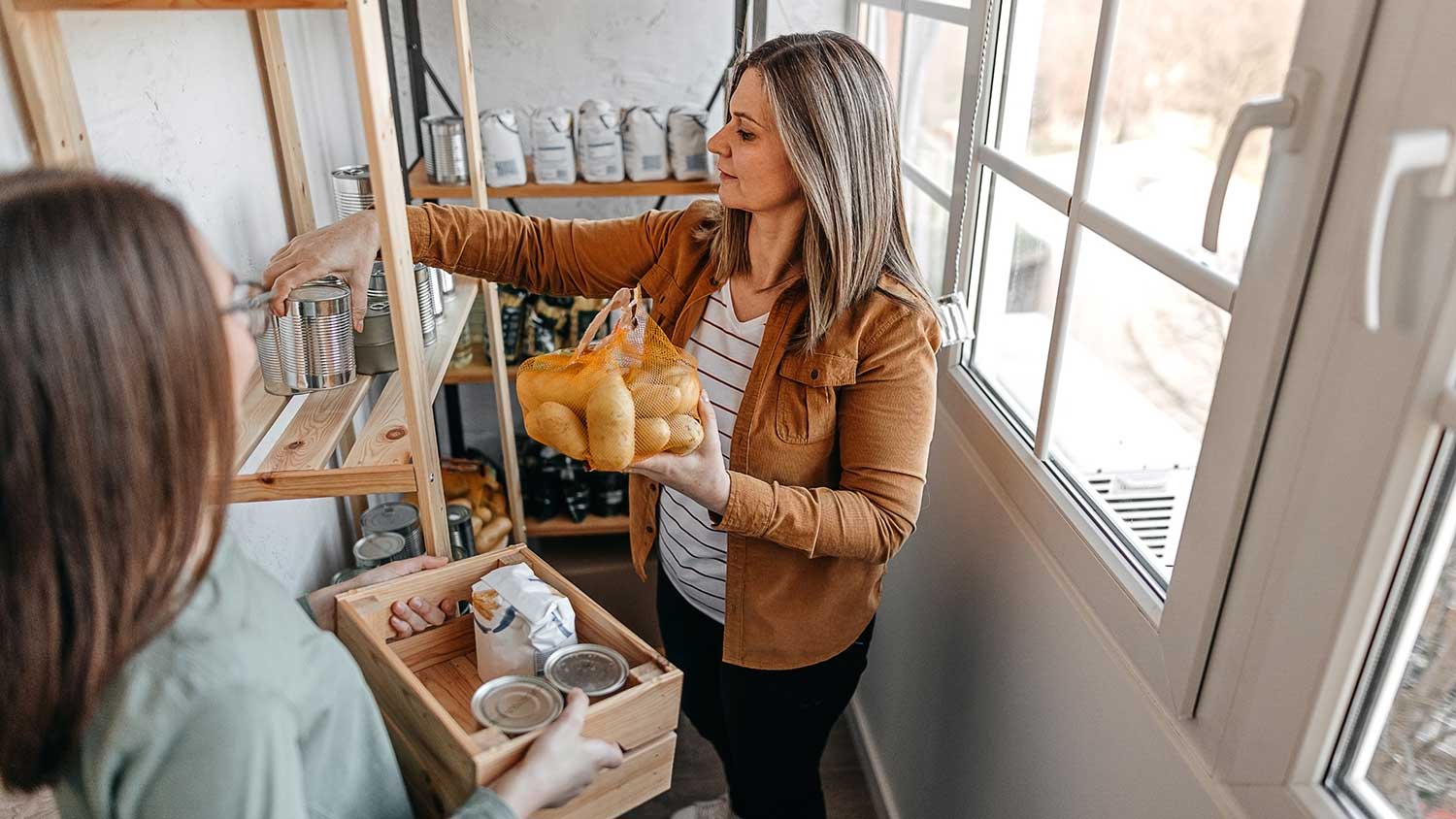
If you live in an area where tropical storms, nor’easters, or hurricanes are common, these hurricane prepping tips could be lifesaving in an emergency.