

A storm door can protect your front door and let in more fresh air. Find out how much storm door installation costs for materials, labor, and more.
Modular and mobile home remodel costs depend on your project and location. Check with a local pro for your specific job.

Professional tornado shelter installation costs between $2,892 and $13,281 depending on your shelter type, size, and location.
The shelter material you choose and whether you install aboveground or underground will determine your final project complexity and cost.
You should account for site preparation, delivery fees, building permits, and optional add-ons like ventilation systems and emergency exits when creating your budget.
Hiring a local storm shelter professional ensures your family stays safe during severe weather and guarantees the structure meets local building codes.
In 2026, the national average cost of a tornado shelter is $7,643, based on data from 129 verified projects by Angi Pros. Most homeowners pay between $2,892 and $13,281, with the spread driven by shelter type, size, and installation complexity. Your location and optional upgrades—like ventilation systems or additional emergency exits—can also push costs toward the higher end of that range.
The type of tornado shelter is the single biggest driver of project cost. Indoor prefabricated shelters cost far less than those built from scratch. The table below breaks down how the type of tornado shelter impacts the cost:
| Type of Tornado Shelter | Average Cost in 2026 |
|---|---|
| In-ground | $4,200–$30,000 |
| Aboveground | $2,600–$15,000 |
| Garage | $3,000–$9,000 |
| Under garage | $10,000–$15,000 |
| Basement | $6,000–$15,000 |
| Safe room | $3,000–$10,000 |
| Bed | $2,100–$4,500 |
In-Ground Shelter: In-ground or underground shelters cost $4,200 to $30,000, depending on excavation size, and waterproofing adds to the cost. An in-ground shelter under the garage makes it easier to access during storms without compromising space in the home.
Aboveground Shelter: Aboveground storm shelters cost $2,600 to $15,000. They're common in garages and basements, where they take up usable space and might be the only option if an in-ground shelter presents a flood risk.
Garage Shelter: Installing a garage storm shelter falls between $3,000 and $9,000. You can install an in-ground shelter below the garage floor (depending on your region and the water table level) for $10,000 to $15,000.
Basement Shelter: Expect to pay $6,000 to $15,000 for a basement storm shelter. An aboveground shelter is ideal if you're not utilizing your basement and don't need the space.
Safe Room: A safe room shelter costs $3,000 to $10,000 and can double as a storm shelter if built with the right design and materials. Closet safe rooms cost $4,500 to $6,000, while a safe room under the stairs costs $3,000 to $5,000.
Bed Shelter: A bed tornado shelter costs $2,100 to $4,500. This budget-friendly option takes up less space but only fits two people.

Aside from type, the storm shelter location, how many people it holds, and whether it's underground or aboveground are the main factors impacting price.
Shelter size directly affects cost, and the U.S. Federal Emergency Management Agency (FEMA) recommends at least 5 square feet per person. A shelter sized for six people comfortably runs between $3,000 and $8,000. For larger households or groups of 15 or more, costs can reach up to $30,000. The following table shows minimum shelter sizes based on the number of occupants:
| Maximum Occupants | Minimum Shelter Size (Square Feet) |
|---|---|
| 2 | 10 |
| 3 | 15 |
| 4 | 20 |
| 5 | 25 |
| 6 | 30 |
The material you choose for your tornado shelter directly impacts cost, with steel and Kevlar® at the higher end and concrete offering the most budget-friendly option. The table below compares average costs and key characteristics across the most common tornado shelter materials:
| Material | Average Cost in 2026 | Characteristics |
|---|---|---|
| Steel | $4,000–$30,000 | Lightweight, durable, best for protection against flying debris |
| Fiberglass | $3,000–$10,000 | Only installed underground, limiting who can install them |
| Concrete | $3,000–$7,000 | Most affordable, weather-resistant, brittle, and crumbles in extreme weather |
| Kevlar® | $5,000–$30,000 | Anti-ballistic (resistant to bullets), higher cost, more secure |
Whether you choose an aboveground or underground tornado shelter affects what you'll pay, with aboveground shelters costing about $3,000 to $12,000 for parts and labor and underground shelters running about $4,000 to $30,000. Aboveground shelters are typically installed in a basement or garage or on top of a concrete slab, and they’re better suited for areas with high water tables or a risk of flooding. Underground shelters cost more because they require excavation, concrete, and waterproofing to manage moisture buildup.
Where you live affects your tornado shelter cost, since regional differences in building material prices and construction labor can push your expenses higher. In areas with frequent severe weather, contractors may also charge more due to increased demand. The table below shows average tornado shelter costs in states where these projects are most common:
| Location | Average Cost in 2026 |
|---|---|
| Alabama | $7,000–$12,000 |
| Arkansas | $7,500–$11,000 |
| Colorado | $8,000–$10,000 |
| Kansas | $5,000–$13,000 |
| Missouri | $6,000–$13,000 |
| Ohio | $3,000–$8,000 |
| Oklahoma | $3,000–$8,000 |
| Texas | $5,000–$10,000 |
A prefabricated storm shelter is the more affordable route, with smaller pre-built units starting around $8,000, though the price increases as size requirements grow. Custom-built shelters cost more but allow you to tailor the design, layout, and materials to your household's specific needs. If you're adding a shelter during a new construction project, planning it into the basement floor plan from the start can reduce costs compared to adding it later.
Delivery and installation are not always included when you order a prefab storm shelter, so budget an additional $1,000 to $3,000 for these services if they are billed separately. Confirm with the manufacturer or seller before purchasing to avoid unexpected charges that can strain your budget.
Site preparation is one of the most commonly overlooked costs in a tornado shelter budget, particularly for underground installations or properties with uneven terrain or obstacles. Land excavation costs around $4,000, while yard leveling costs about $2,200. Getting a site assessment before finalizing your budget helps you avoid costly surprises once work begins.
Hiring a general contractor to install your tornado shelter costs $50 to $100 per hour, with project complexity and duration the primary drivers of your total labor bill. Most basic storm shelter installations take two to three hours to complete. More involved projects—such as underground shelters requiring excavation—will take significantly longer and increase your overall labor costs.
Several additional costs can catch homeowners off guard once a tornado shelter project is underway, so it pays to account for them before finalizing your budget. Permits, customizations, and feature add-ons are the most common sources of unexpected spending. Planning for these extras upfront helps you avoid mid-project surprises and keeps your total investment on track.
Most municipalities require a building permit to install a tornado shelter, with starting costs typically running $50 to $100. Adding electrical, plumbing, or other structural features to your shelter will likely raise permit costs. Check with your local building department early in the planning process to confirm what permits are required for your specific project.
If your family has specific needs, such as wheelchair accessibility, a unique storm shelter layout, or a larger-than-average household, consider working with a company specializing in storm shelter builds rather than ordering a standard prefab shelter.
If you want a tornado shelter that can keep your family safe for multiple days, adding features like backup power, plumbing, and upgraded ventilation is worth considering. These add-ons vary widely in cost depending on the installation's complexity and the quality of the components you choose. The table below outlines average costs for the most common storm shelter add-ons:
| Additional Storm Shelter Feature | Average Cost in 2026 |
|---|---|
| Portable backup battery | $150–$2,000 |
| Plumbing | $100–$5,000 |
| Upgraded ventilation | $100–$3,000 |
| Beds and mattresses | $300–$400 |
| Emergency exit | $500–$2,000 |
Labor for building a storm shelter typically accounts for 10% to 20% of the total project cost, which is a reasonable investment given the safety and durability a professionally built structure provides. A shelter built by a local storm shelter pro is constructed to last and engineered to protect your family during severe weather events. Pros also handle permitting, excavation, and code compliance, which adds significant value beyond the physical build itself.
You can expect these advantages when hiring a storm shelter pro for your project:
Your storm shelter contractor can build different types of shelters, from aboveground to in-ground options.
You'll receive expert advice on the best type of structure, size, and materials based on your budget and location.
Pros handle the excavation process for underground shelters, including soil testing.
It's possible to get a customized shelter, whereas DIYers are limited to prefabricated shelter options.
Your storm shelter pro can secure the necessary permits and ensure everything is built according to local codes.
Pros often offer guarantees and warranties, whereas a DIY mistake gone wrong can result in your shelter failing during a storm.
The pros can build the shelter in a timely manner, whereas a DIY job could take much longer, depending on your schedule and experience.
You'll need to hire a pro to build an underground or custom shelter—but if you opt for a prefabricated option, keep this in mind:
Find the right prefabricated, aboveground shelter to purchase and check that it's FEMA certified.
Consider the strength of tornadoes that hit your area and make sure that the shelter is rated to withstand them.
Choose the right-sized shelter by considering the number of people in your home.
Follow the instructions closely, paying particular attention to anchoring requirements.
Before any storm, make sure your emergency supply is updated and adequate. FEMA and the American Red Cross recommend that every person have at least 72 hours of food, water, and portable power in case of emergencies—you should have more if you live in a hurricane- or tornado-prone area.
You can get the shelter you need without breaking the bank. Check out these tips on how to save money on your storm shelter:
Check FEMA to see if you can apply for Hazard Mitigation Assistance (HMA) funding.
Opt for a bed shelter, which costs thousands less in some cases.
Check with your local or state government for rebate programs.
Choose a prefab storm shelter, which has a lower installation cost.
Build an aboveground shelter in an existing room, like your garage, closet, or basement.
Choose concrete as your building material, which is less expensive than steel or fiberglass.
Ask for recommendations for types of shelters, including in-ground or aboveground options.
Have an idea of which shelter material you’d prefer, whether that’s steel, fiberglass, concrete, or Kevlar®.
Be prepared to discuss the size of your family and your budget.
Inform your storm shelter pro of any special accessibility needs or if you require a specific layout.
Consider whether you’d like to add extras, such as a portable backup battery, upgraded ventilation, and plumbing.
Home is the most important place on earth, which is why Angi has helped more than 150 million homeowners transform their houses into homes they adore. To help homeowners with their next project, Angi provides readers with the most accurate cost data and upholds strict editorial standards. We survey real Angi customers about their project costs to develop the pricing data you see, so you can make the best decisions for you and your home. We pair this data with research from reputable sources, including the U.S. Bureau of Labor Statistics, academic journals, market studies, and interviews with industry experts—all to ensure our prices reflect real-world projects.
Want to help us improve our cost data? Send us a recent project quote to [email protected]. Quotes and personal information will not be shared publicly.
This company does it right. Firstly, I want to say that Landan was a joy to work with. He was so kind, transparent, and had everything under control. His entire team showed up ready to work and they were all very respectful of the fact that we were in an office space. A little backstory – we...
 Krumlauf Floors
Finished Basements Plus was wonderful from beginning to end! First, they came out quickly for an estimate. I had 4 estimates and theirs was by far the best. (2 of the estimates were more than $20K higher than for the exact same work). Beyond their fair pricing, the work was excellent. They...
 Finished Basements Plus Inc.
1st Choice Renew is simply the best! We hired them for a complete home renovation, and they transformed our space into something truly amazing. The team attention to detail and commitment to quality were evident throughout the project. They were easy to work with, very responsive, and always...
 Save A Dime
Supreme Brick & Chimney did an excellent job restoring the brick and mortar joints on my home. Their team was professional, knowledgeable, and completed the work on time. I highly recommend them and will hire them again in the future! Thanks!
 Supreme brick & chimney
Absolutely thrilled with the transformation of my home thanks to Custom Paint Jobs LLC! The attention to detail is outstanding.
 Custom Paint Jobs, LLC
We needed windows in our home, and we couldnt believe we got our entire home done for under $14,000. We have a lot of windows, and not only was it affordable, but it got done in a timely manner! Thanks guys, I truly appreciate you all!
 Window Depot USA of Central Ohio
The techs on my project, Shawn and Cliff, were great. They were prompt, courteous, and efficient. I am very happy with the results and would definitely contact Mr. Electric for any future electrical projects.
 Mr. Electric of Columbus
Working with Mike on our first home purchase was an absolute pleasure. Mike put us at ease and made the process of buying a home fun. Mike is knowledgeable, honest, professional, and punctual. He worked with our busy schedule and always made time for us. When a home came on the market that...
 Michael Marshall - Buyer's Resource Realty Svcs.
We were having 2”x 2” tile installed . There was a small installation error and the new additional replacement tile was from a different lot and the colors didn’t match. Joe assured us that he would rectify everything , which he did without hesitation. We decided to go with the 18” x 36” tile...
 CarifaTile
They work that 360 did on my kitchen cabinets is nothing short of amazing. I still cannot believe the difference from before and after. Jon and Jeff were both so incredibly professional throughout the whole process and their communications with me were constant and consistent. These guys...
 360 Painting Columbus
From average costs to expert advice, get all the answers you need to get your job done.
A storm door can protect your front door and let in more fresh air. Find out how much storm door installation costs for materials, labor, and more.

Storm windows keep your more expensive windows protected from impact. Use this storm windows cost guide to get an estimate for protecting your home.
Discover storm damage repair costs, key price factors, and ways to save. Get transparent estimates to plan your home repairs with confidence.
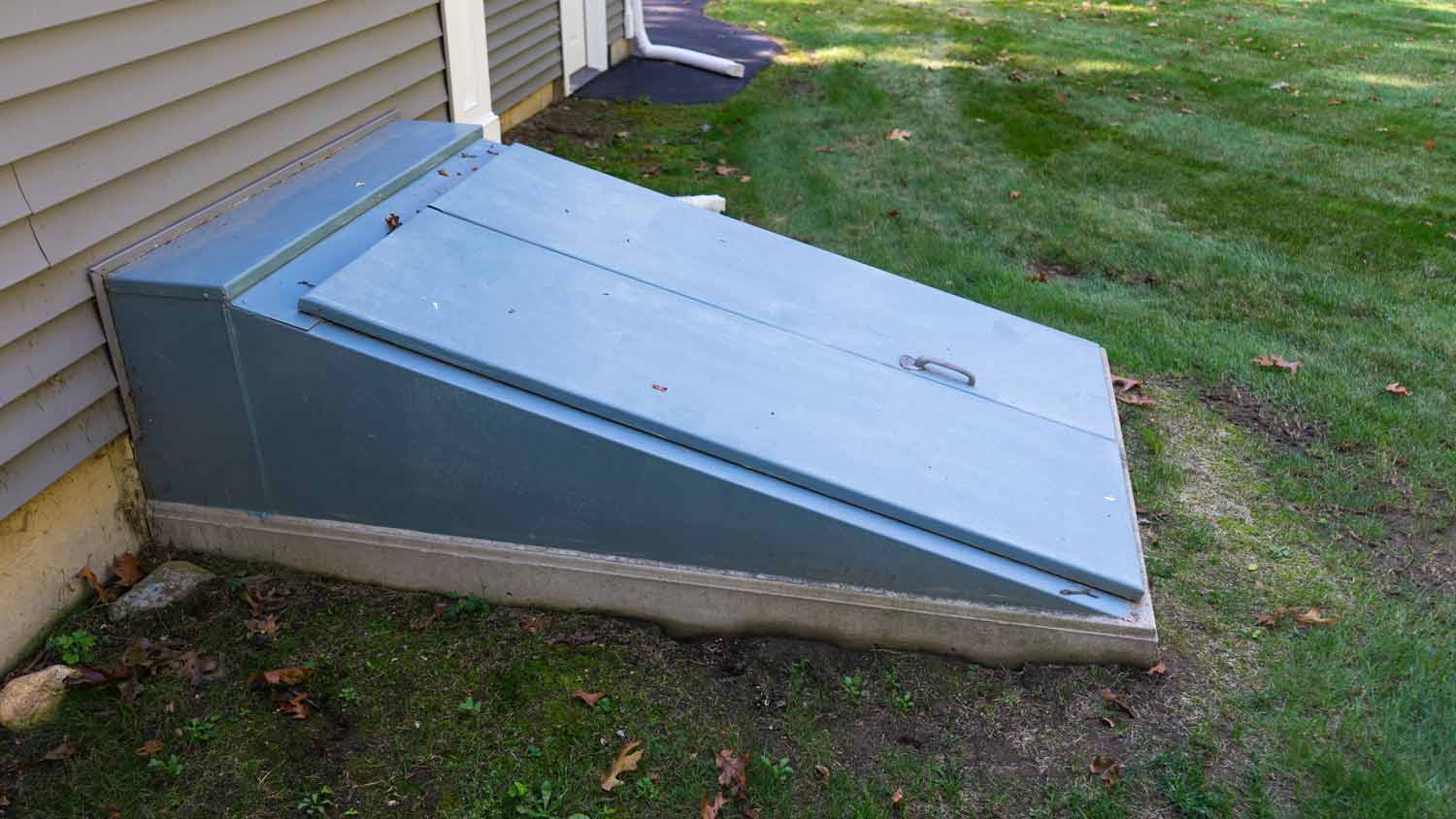
Learn how to find and hire a qualified storm shelter contractor. Get expert tips on qualifications, questions to ask, and what to expect.

What is a storm shelter? It can keep you safe during a tornado, hurricane, or other weather event. This guide will introduce you to the different types.
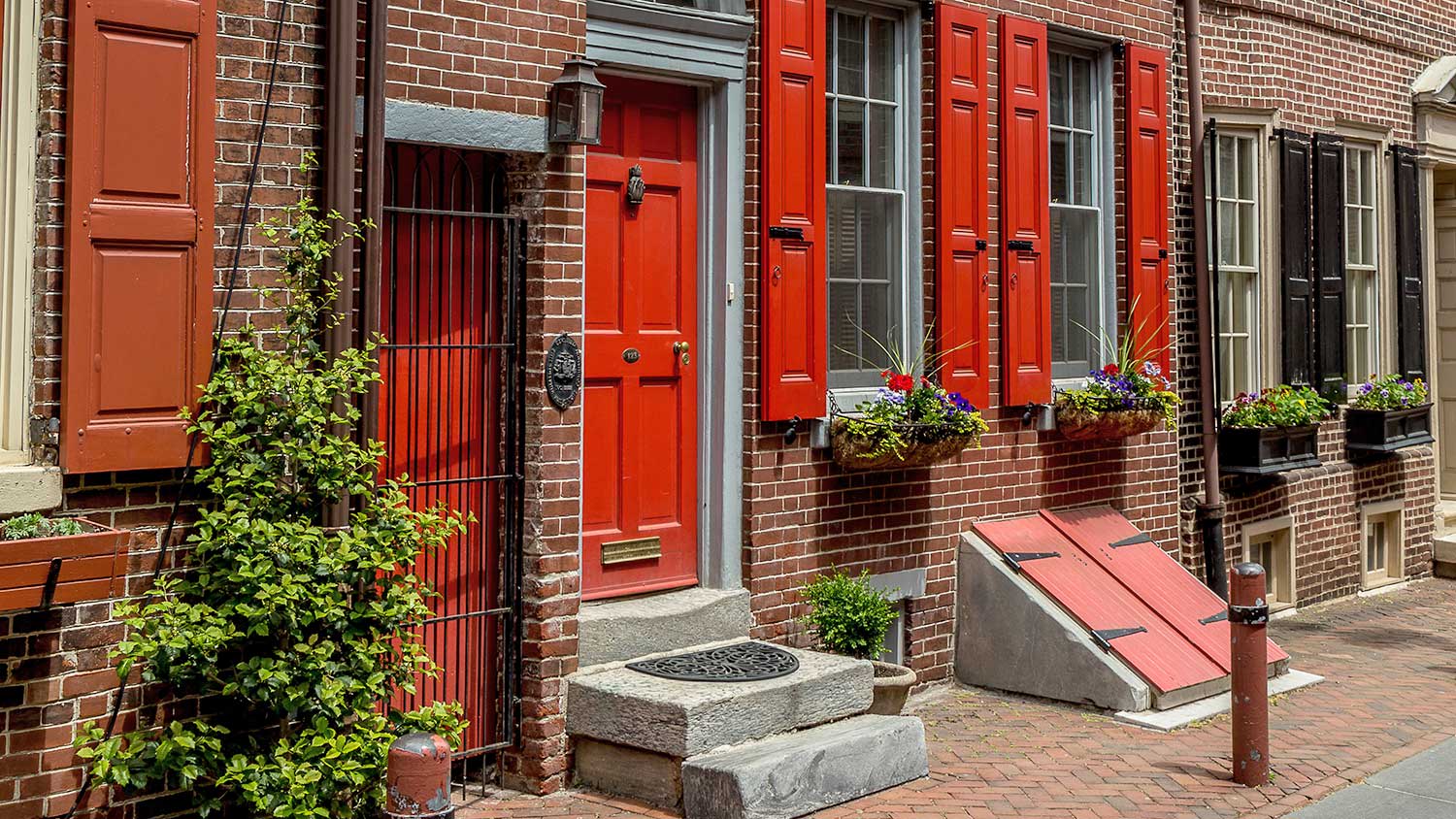
Above- or below-ground, which is the best storm shelter? Use this guide to determine which type of storm shelter best meets your needs.