
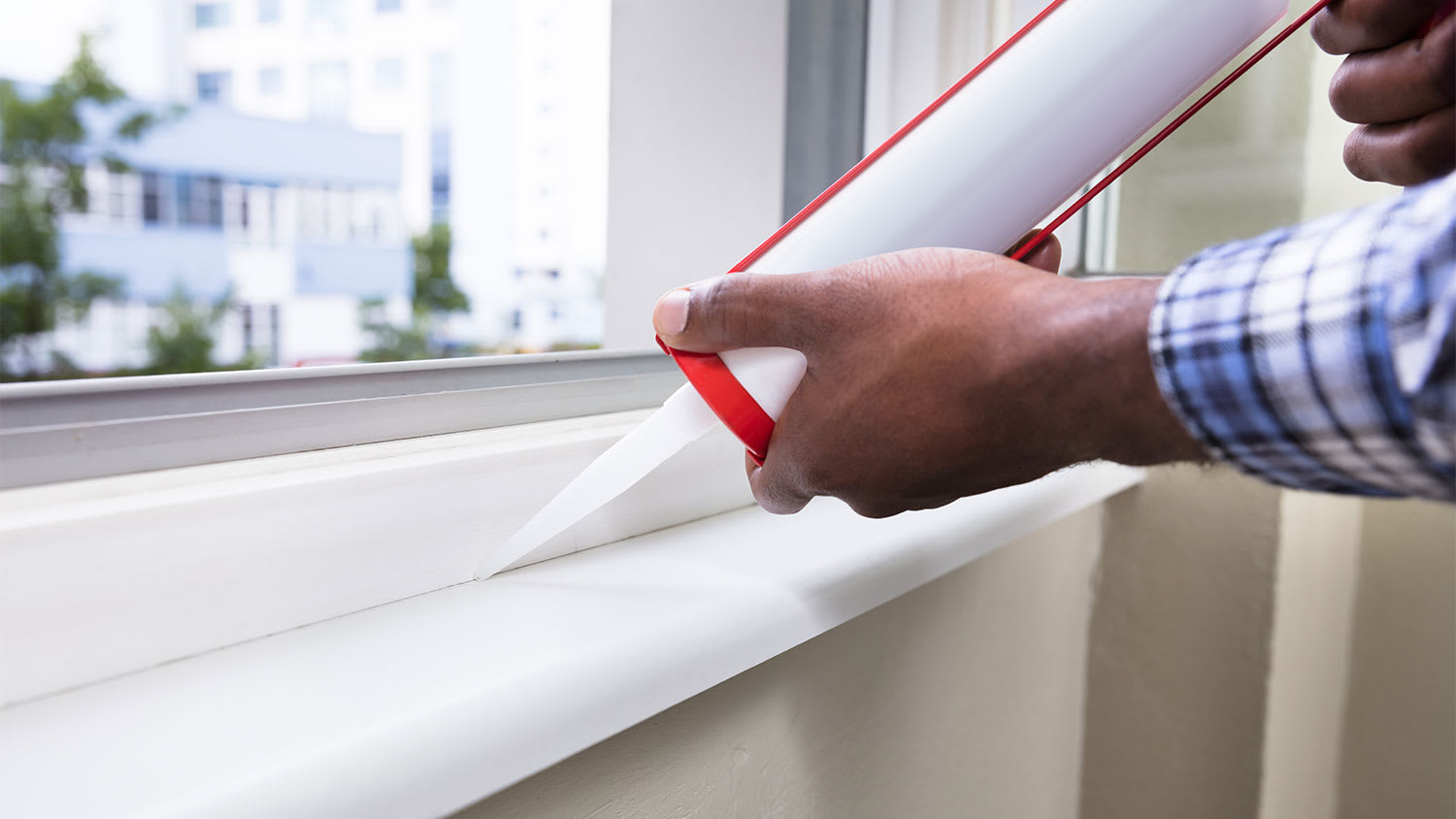
The average hurricane window cost varies by size, type, labor, and more. Read this guide to estimate the cost of your impact window installation.
When the storm rolls in, remember—you’ve got this

Hurricane preparedness tips help you protect your family and home by securing outdoor items, boarding windows, and creating a disaster kit before evacuation orders.
Your emergency supplies should include at least three days of food and water for everyone, plus a battery-powered radio, flashlights, first-aid items, and important documents.
Turn off your home's power before evacuating to prevent electrical hazards from downed lines or flooding, and communicate your evacuation plan with loved ones and neighbors.
Hiring a local hurricane shutter professional provides reliable installation and protection for your windows, helping you prepare your home before storm season arrives.
When officials issue a hurricane warning, you don’t have time to install storm shutters or build a safety shelter. But you can get ahead of the storm with some hurricane prepping. These storm preparation tips will help keep your family safe and minimize damage to your home.
Forecasters can begin to predict where hurricanes may land several days in advance. If a hurricane forms, look out for watches and warnings. Here’s the difference between the two:
Hurricane Watch: You’ll hear a watch about 48 hours in advance, meaning hurricane conditions may impact your area.
Hurricane Warning: Warnings typically come about 36 hours in advance. A warning means a hurricane will more than likely hit your area, so you should start to prepare. Watch the news or listen to the radio to keep up-to-date about the storm’s progress, as well as learn about its severity. Hurricanes are ranked by categories, and you can expect the following severity with each category:
Category 1: Winds up to 95 mph, which can cause minor damage to your roof, siding, gutters, and trees.
Category 2: Winds up to 110 mph, which can snap or uproot trees and cause major damage to the exterior of your home.
Category 3: Winds up to 129 mph, which can cause devastating damage to homes and trees. Expect power and water loss for days following the storm.
Category 4 and 5: The worst of the worst, these catastrophic storms can destroy homes, with Category 4 hurricanes producing winds up to 157 mph, and Category 5 hurricanes generating winds greater than 157 mph.

If you have time, move smaller objects such as patio furniture and grills indoors. If you can’t bring them in, do your best to secure them down as strong winds can blast these objects through your home. Try strapping your grill or furniture to your deck or fence posts or hold them down with rope and stakes.
It’s not just outdoor items that need securing ahead of a storm, however. The Environmental Protection Agency (EPA) suggests items like paint or cleaning agents are secured or stored properly to prevent the release of chemicals and hazardous substances.
Carbon monoxide poisoning can be deadly, and a big storm can cause a leak. Be sure your carbon monoxide alarms are working now so you know if there’s a dangerous leak when you return home.

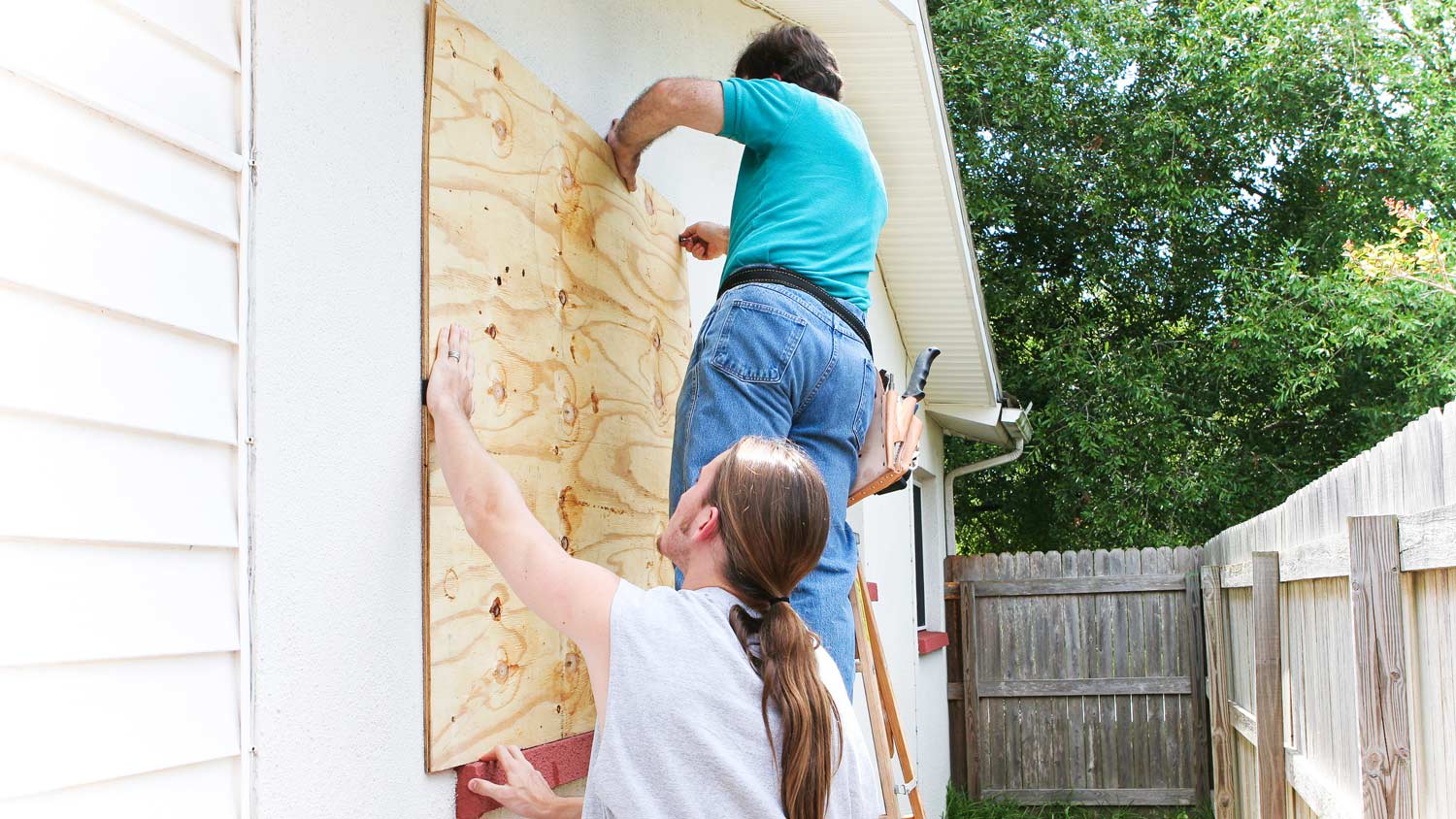
Board your windows with plywood if you don’t have hurricane shutters. You can cover each window with a piece of plywood using screws or lag bolts; just make sure to install the bolts along each edge of the wood and penetrate the wall studs.
The best prep starts months ahead of time though. You should protect your home from wind damage and check that your HVAC is ready for hurricane season in the late spring.
If you don’t have a disaster preparedness kit, make one and keep it nearby for the duration of the hurricane and its aftermath.
Pack at least three days’ worth of food and water. You’ll need one gallon per family member per day. Regarding food, pack canned foods, crackers, cereal, and other items you don’t need to prep or cook.
Your supply kit should also include:
First-aid supplies such as rubbing alcohol, bandages, gauze, pain relievers, and prescribed medications
A battery-powered radio and extra batteries
Flashlights and batteries
Phones and solar-powered phone chargers
Cash
Food and supplies for your pets
A paper map in case you can’t use the GPS on your phone
The Centers for Disease Control and Prevention (CDC) recommends printing out as many relevant important documents as you may need ahead of time, such as emergency phone numbers and insurance information, as you may not have access to the internet for a while. It will be useful in the days and weeks following the hurricane when you have to deal with making insurance claims.
Create an evacuation plan so you and your loved ones can safely escape. In the event of a hurricane, ask yourself and your family these questions ahead of time:
When will the city evacuation start and when do we need to leave to get out of the area in time?
What is the safest route to take out of the city and what are a couple of backup plans in case a road is closed?
Where will we stay until it’s safe to return home?
How many days will we be gone and how much do we need to pack?
If we have to take multiple cars to fit all the kids and pets, or we get separated for some other reason, where will we meet back up with each other?
Make sure you have your disaster preparedness kit packed and ready to go and you have secured a place to stay for the duration of the storm. If you can’t find a place to stay, the city will have a hurricane shelter set up in a local school gymnasium or event center where people can take cover for free. You can also find an open shelter near you via the American Red Cross.
Whether you’re able to evacuate your home or not, make sure you’ve told your loved ones and neighbors about your plans and how many people and pets are with you. This way, if no one hears from you that you’re safe after the evacuation or you become trapped in your house, someone will know to call emergency rescuers to help.
If you have to leave your home, the CDC recommends turning off the power before leaving, especially if you foresee downed power lines or flooding.
Evacuate if authorities order you to leave, or if you live in a mobile home or high-rise building. Also, you should evacuate if you live on the coast, near a river, or in a flood plain.
Follow these tips if you face a hurricane evacuation:
Keep a full tank of gas in your car; gas stations might be closed during the disaster or you could spend several hours sitting in slow traffic as others evacuate. Ready.gov has some more good tips on getting your car ready ahead of a storm.
Plan your evacuation route and where you’ll stay, and make sure to consider alternate routes and different destination options. The roads and streets you’re familiar with may become blocked.
If authorities issue an evacuation, follow their recommended evacuation routes.
If you can’t evacuate, close all interior doors and blinds. Ideally, it’s best to take cover in a storm shelter, but if your home doesn’t have one, take cover in the lowest level of your home in an interior room, closet, or hallway free of windows and exterior doors. Lie on the floor beneath a table. If you live in a low-lying area at risk of flooding, move to a higher level of your home.
Excellent, Prompt, Courteous Service!!! They were super friendly and quite personable. I felt very comfortable with the gentlemen that did the installation. They installed it exactly where I asked them to and they did an excellent job!! I loved their service so much.
 Tether House
Ace Fireplace Services' chimney sweep service is truly exceptional. They used advanced technology to ensure a thorough cleaning process, and my chimney has never looked better. I highly recommend their services.
 Ace Fireplace Services
Binion and Alex did such a good job. Fast, fair, efficient. Would def use them again. Best experience Iâ ve had in moving - someone should give them a raise. Will undoubtedly recommend this service.
 All My Sons Moving & Storage
Great customer service. The owner Ilia was wonderful to work with. Would definitely recommend this company.
 Window Depot USA of Central Ohio
I definitely recommend Ramonaâ s cleaning service! I have booked services with her many times and she arrives on time, ready to work and provides a great service.
 Your Cleaning Solutions LLC
Excellent experience! Left my place looking great. Friendly customer service too. Would recommend!
The service was excellent! They gave me a quote, and had it done 4 days later. My driveway looks amazing, very professional! I would definitely recommend their service to anyone. I have had neighbors stop by and ask for their information as well.
 All Star Paving and Sealing
Webb â s was priced well, flexible on scheduling, great with communication, and detailed in their work. Iâ ll definitely use their services again.
 Webbs Pressure and Paint LLC
They’ve been great to work with. All of my clients that have used them have nothing but good things to say about the experience. Quick responses and fast service. They’re a trustworthy team!
 Total Home Roofing
Mary cleaning service does an amazing job cleaning my home. They go over and beyond the cleaning services that I have had in the past. They are very punctual and thorough with cleaning my home, I’m extremely happy with the service they provide and I highly recommend them.
From average costs to expert advice, get all the answers you need to get your job done.
The average hurricane window cost varies by size, type, labor, and more. Read this guide to estimate the cost of your impact window installation.
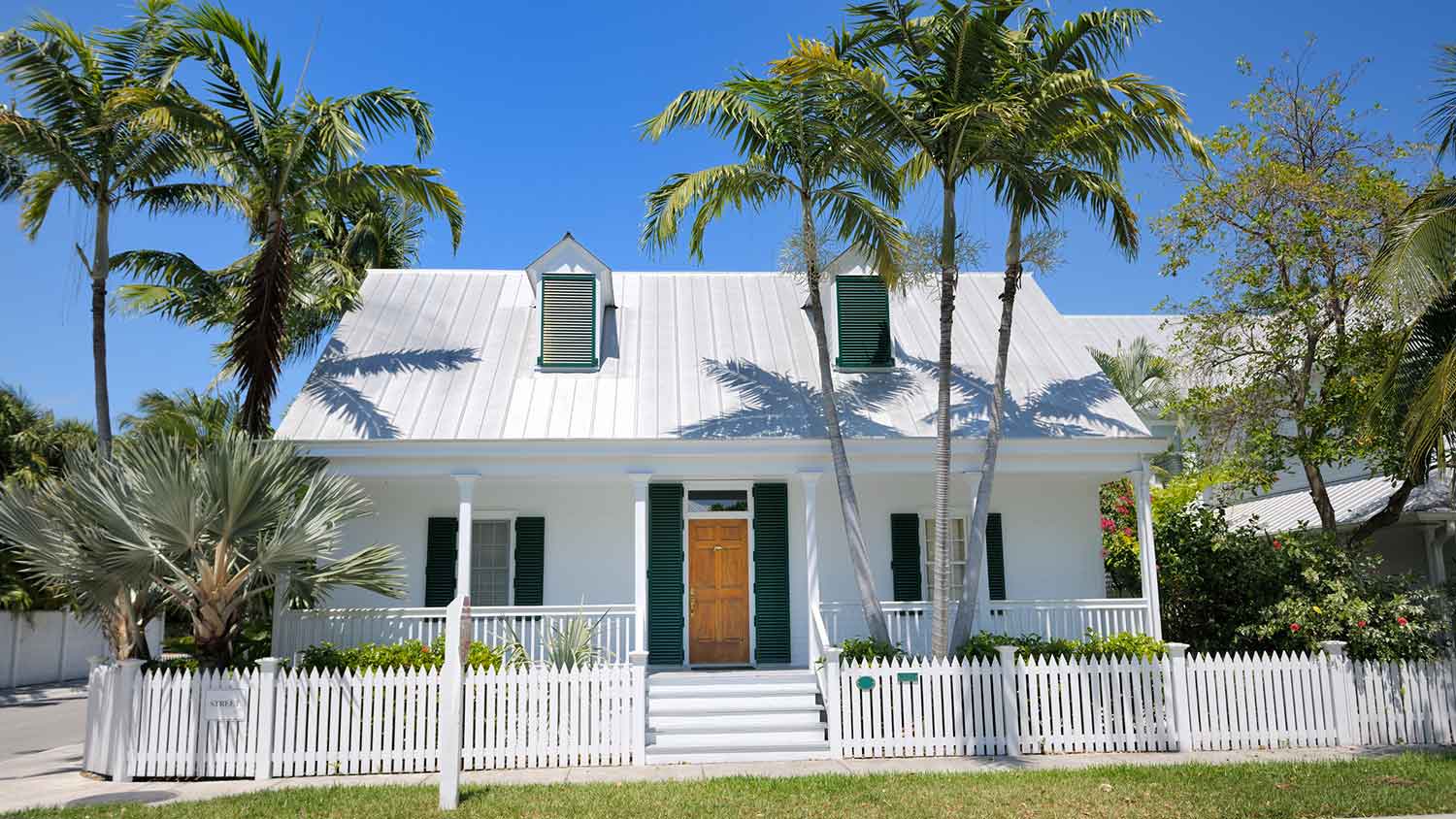
Hurricane shutter costs vary widely depending on many factors. Explore our breakdown of the elements that impact what you’ll pay for hurricane protection.
When a hurricane or natural disaster hits your home, you want to be prepared. This hurricane preparedness checklist will help your family and pets stay safe. Learn everything you need to do in the event of a severe storm or another disaster.

Hurricane winds and flooding are extremely dangerous, so follow this guide for how to prepare for a hurricane to keep yourself and loved ones safe.
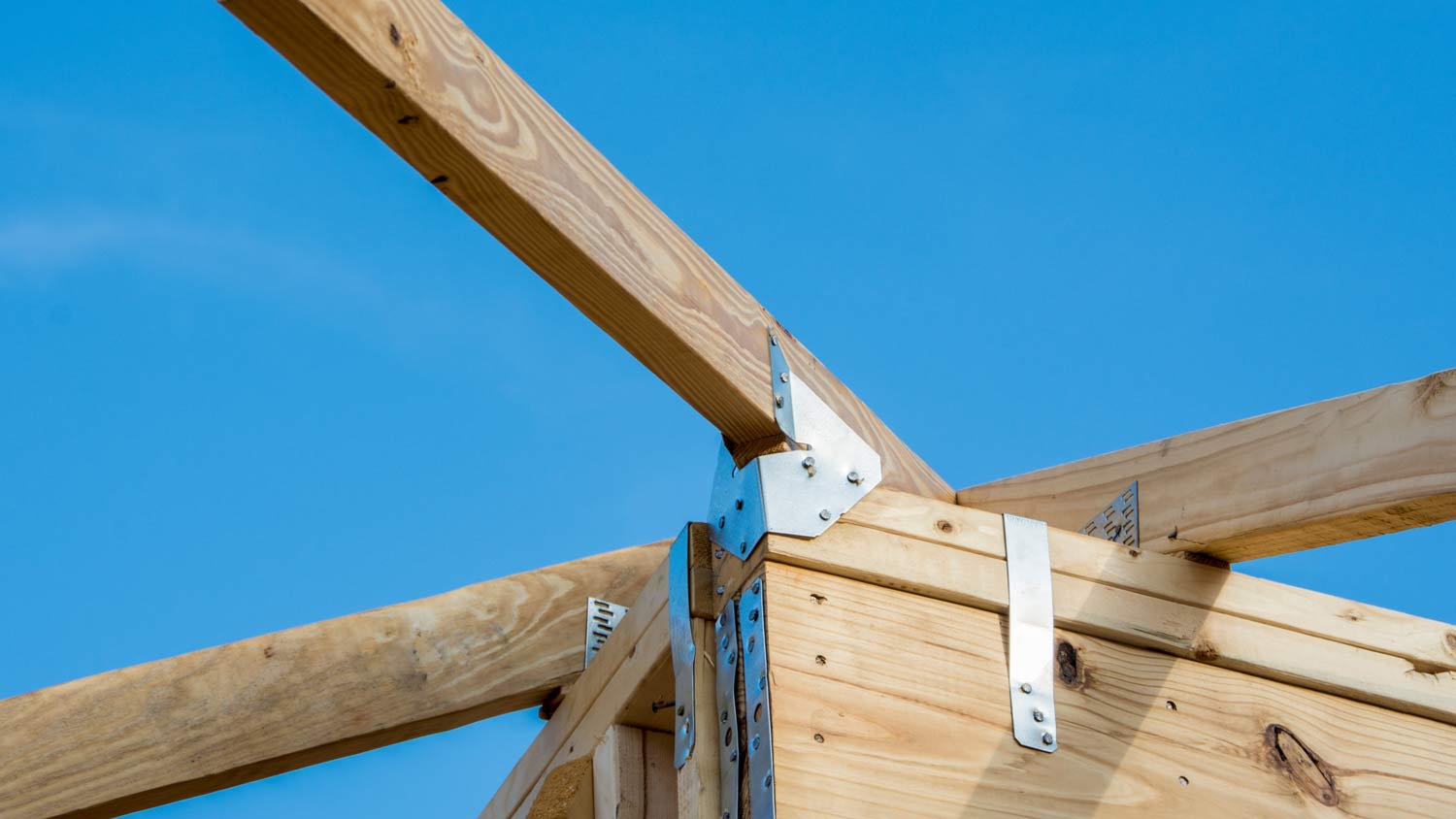
Follow these four straightforward steps to install hurricane ties. The number of ties and the demand load will impact the project.
Do you live in a hurricane evacuation zone? Learn what damage a hurricane can cause, how to prevent it, and what to do after a cyclone or tropical storm.