
•
Discover storm damage repair costs, key price factors, and ways to save. Get transparent estimates to plan your home repairs with confidence.
Get ready for hurricane season with these tips

Hurricane damage to your home comes from high winds, flooding, and storm surges that can tear off roofing, break windows, and collapse walls.
Your foundation, roof, walls, and home systems face structural damage from wind pressure, water intrusion, and shifting soil during severe hurricanes.
Secure your doors and windows, reinforce your roof, trim trees, and install hurricane shutters before storms arrive to protect your property.
Hiring a local roofing professional provides reliable help with roof inspections and repairs after hurricanes, keeping your home safe and sound.
If you live in a hurricane-prone area, you know these storms can cause catastrophic damage. They bring destructive winds and flooding to wide swaths of coastal locations. While you can do nothing to stop them, understanding the type of damage hurricanes cause will help you plan for and recover from them.

After a hurricane, it’s natural to want to go home and start the recovery process—but always follow directions from local authorities and wait until they give you specific clearance to enter or stay in your house. Review and follow safety guidelines from the U.S. Centers for Disease Control and Prevention (CDC) after the storm and during cleanup.
Here are the most common ways hurricanes impact houses and other buildings so you’ll know what to watch for after the storm has passed.
With sustained wind speeds over 74 miles per hour, hurricanes can tear off shingles, rip apart siding, blow in windows and doors, and collapse walls and roofs. In the worst storms, the wind and debris it carries will completely tear down homes.
From storm surges to torrential downpours, flooding is second only to wind for causing hurricane damage. When you pair the two, it’s easy to see why homes, buildings, vehicles, and landscaping can’t escape damage from even minor cyclones, tropical storms, and hurricanes.
Flood damage can look like warped drywall, loose or buckling flooring, roof and foundation cracks, broken and frayed electrical wires, damaged appliances, mold and mildew growth, clogged or overflowing septic systems, and contaminated water wells.
Any damage to your home’s foundation, roof, walls, or other major components is considered structural. It can be minor to major in scope, but hire a structural engineer to check it out and ensure your home is safe. Repair structural problems as soon as possible to keep your house in good condition and avoid future issues.
Foundation Damage: Hire a foundation contractor to inspect your home for shifting, cracking, water intrusion, and other issues. Your whole home sits on the foundation, so it needs to be strong to keep it safe.
Roof Damage: Wind, downpours, hail, and debris can damage and tear off shingles, overflow or break gutters, and damage the roof’s sheathing or framing. This can lead to leaks, holes, and even roof collapse. Local roofing contractors can inspect, repair, and replace roofs after hurricanes.
Wall Damage: From outer and foundation walls to drywall and load-bearing walls, it’s no surprise that hurricanes can damage your home’s inner and outer support systems. Wind, water, and shifting soil can cause damage or collapse. Watch for visible water damage, bowing, warping, leaning, and other signs of wall failure.
Almost every home system, from electrical and plumbing to HVAC and appliances, is vulnerable to damage during severe storms and hurricanes. Flooding, impact from debris, and power surges are the culprits. Never use electrical systems or appliances if water is present. Instead, call an electrician to verify it’s safe to use them.
Utilities like power, water, and sewer take a beating during hurricanes. Whether you rely on public utilities or have private systems, you’ll likely feel the storm's impact. Be prepared to live without power and water for days to weeks—or possibly longer—after a hurricane.
Even if the damage is minor, water intrusion can lead to mold and other issues. This can impact your drywall, flooring, other building materials, and furniture, which will soak up water. If the inside of your home gets wet, call a local water damage restoration company right away to remove all of the moisture and repair any visible damage.
Hurricanes bring high winds, flooding, and torrential downpours, and they can spawn tornadoes, giving them the strength of several storms in one. It’s common to experience uprooted trees, damage from flying debris, home flooding, lightning strikes, and wind damage.
The National Hurricane Center classifies hurricanes on a scale of 1 to 5, depending on the storm’s maximum sustained wind speed. It estimates property damage based on wind shear (strong winds), but rain and storm surges also contribute to the impact.
| Hurricane Category | Wind Speed (Mph) | Impacts |
|---|---|---|
| 1 | 74–95 | Some minor damage, power outages, tree limbs down |
| 2 | 96–110 | Major, extensive damage to home exteriors, trees toppled, power lines downed |
| 3 | 111–129 | Devastating damage to home walls and roofs, roads blocked, no electricity or water for days or weeks |
| 4 | 130–156 | Catastrophic damage, walls and roofs destroyed, trees uprooted and snapped, power outages for weeks to months |
| 5 | 157+ | Homes completely destroyed, major debris piles, roads impassable, communities uninhabitable for weeks to months |

Wondering how to hurricane-proof your home? We’ve got tips to get you started to protect your house and family.
Make a plan: If you live in a hurricane-prone coastal area, think about where you’ll evacuate, what you’ll take, and how you’ll stay in touch with loved ones.
Prepare an emergency kit: Many locations lose power, water, and travel access after a storm. Keep essential supplies like food and water, flashlights, batteries, communication devices, and medication on hand.
Purchase hurricane insurance: This will not prevent damage but can help you get back on your feet after a storm. Get flood insurance and other relevant policies on your home, vehicle, and belongings.
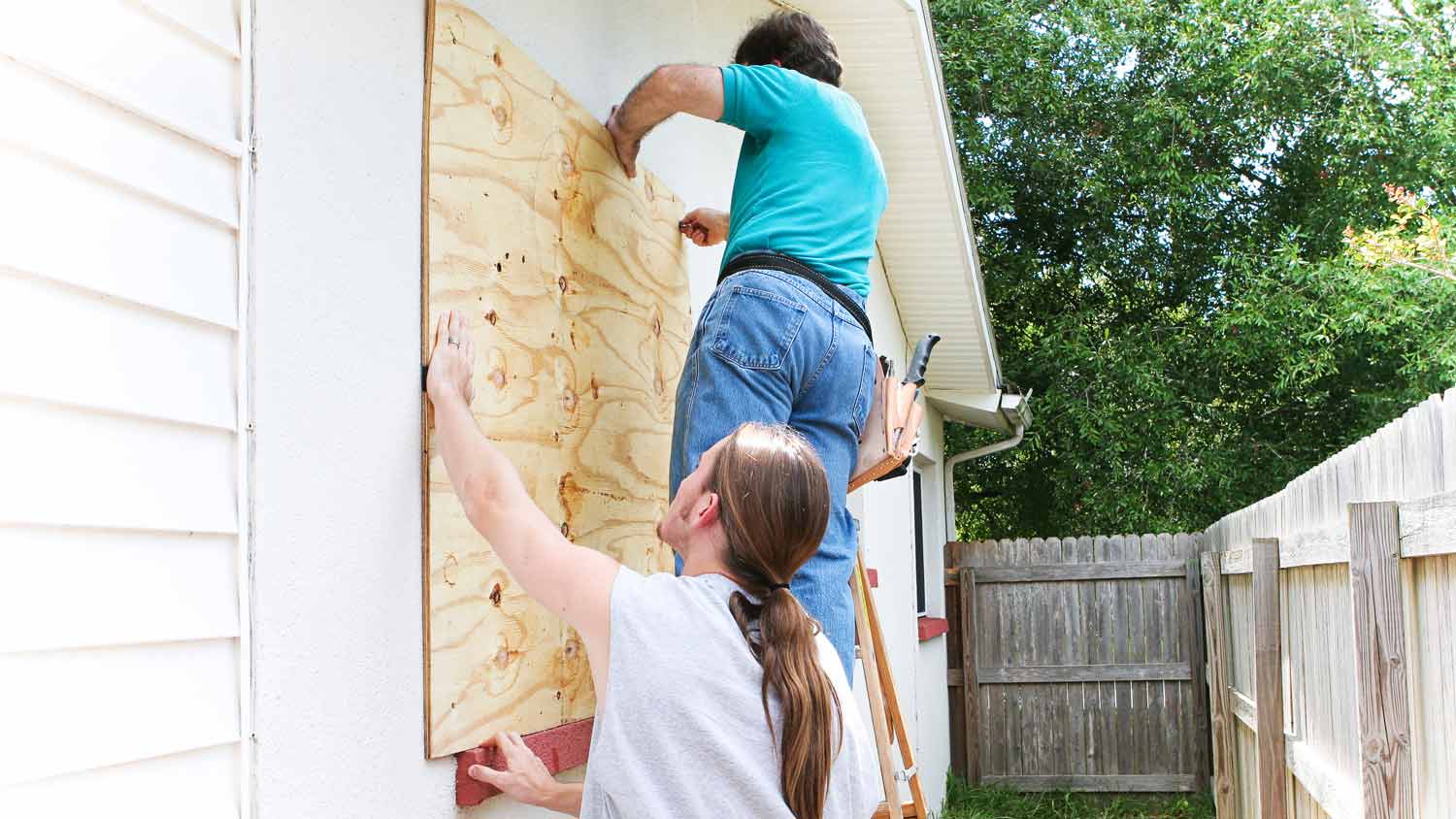
Reinforce doors and windows: Doors and windows are the weakest parts of a home. Invest in high-quality materials, install impact windows or hurricane shutters, deadbolts, locks, seals, and other protective measures. Upgrade or reinforce garage doors so they can handle strong winds. For extra safety, learn how to board up windows for a hurricane and have precut marine plywood on hand.
Secure the roof: Not all roofs are attached tightly enough, leaving them vulnerable to wind damage or even being torn off. Make sure your roof is tightly installed and secured to your home’s walls. If it isn’t, you can hire a roofer to add straps or clips to strengthen it.
Clear gutters: Heavy rains can overwhelm gutters, causing overflow, gutter damage, and water intrusion in the home. Keep your gutters clean and check them before storms.
Secure loose objects: Lawn furniture and decorations act like missiles during hurricane-force winds. Store them in your garage or basement before storms arrive.
Trim trees: Even low-grade hurricanes create strong winds that can tear off branches and bring down trees. To prevent additional damage, keep trees trimmed and remove dead, dying, or low-hanging branches. Hire a tree trimming pro for trees requiring a ladder and if your trees are close to a structure or power line.
Hire a pro: You can do a lot yourself, but hiring a professional to help you prep for possible storms is worth the investment. For example, hurricane shutter companies near you can recommend the best products to protect your windows.
Follow warnings: Evacuate if instructed to do so by the authorities, and follow advice from public officials. Sheltering in place during less severe storms is possible, but riding out a severe storm in a home can be dangerous. You’ll be safer in an evacuation shelter or somewhere outside the evacuation zone. FEMA has more details about how and where to evacuate.
Find hurricane preparedness suggestions, checklists, and assistance from the American Red Cross.

After a major storm, you might be in a hurry to return home. Here’s what to know before rushing back:
Only return when it’s safe: Hazards remain after storms have passed. Don’t drive on flooded roads, and stay away from downed power lines and trees. Only return home when local officials say it’s safe. Coming back too early may leave you without electricity, water, and emergency services, and it can stress local resources.
Prevent injuries: Avoid fallen electrical lines and shock hazards inside and outside. Wear protective clothing—including long pants and long sleeves, work gloves, boots or heavy-duty shoes—and safety gear, like eye and hearing protection, when cleaning up.
Prevent carbon monoxide poisoning: Gas-powered generators and those with internal combustion engines expel dangerous exhaust gases. If you use a generator, ensure you have working CO detectors in your home, and never run generators indoors or under open windows. Some types of portable generators, like solar or battery-powered models, may be used inside, but you must use them exactly as instructed by the manufacturer.
Find and report damage: Inspect your property, take photos or videos, and write notes for all damage. Submit claims to your insurance company as soon as possible.
Repair damage: Contact construction professionals to inspect and repair damage. Protect yourself by hiring licensed, insured, and local companies that offer quality work, fair pricing, and written warranties.
Get recovery help: Apply for assistance from FEMA, which offers emergency assistance, grants, and rebuilding help for disaster survivors.
"Before a storm, ensure your family knows the location of gas and other utility shut-off switches and valves in case you need to evacuate. Familiarize yourself with emergency routes and keep printed copies in your car's glove compartment and emergency supply kits. Know where shelters are in your area, and make sure your car has a full tank of gas."
— Allen Baler, CEO, 4Patriots, Nashville, Tennessee
Corey Carr was great. I had damage from a recent storm and needed to have my mast and other components replaced. The project entailed coordinating with AEP, and Corey helped make a stressful situation a lot less stressful. I really appreciated his dedication to service and the job very well done.
 Mr. Electric of Columbus
Great company! Price was competitive, technician showed up on time and completed the job (exterior electric Radon fan replacement) quickly. Would hire them again.
 MaGen Property Inspections and Radon Mitigation
Raven and crew does absolutely fantastic job. They are very professional if any concerns were to occur with any of her work she always took responsibility and finished out with a great job. I have worked with her business for a year and have always been satisfied. Very trusted business and...
 Creations of Transformation LLC
Best cleaning I've had at my property
The Cisco team did an exceptionally good job of painting (very detailed), and they were professional, courteous, helpful and just pleasant to have in our home for a week. I have already recommended Cisco to some neighbors.
 Cisco Finishes
Supreme Brick & Chimney is one of the best service providers I’ve interacted with. Extremely efficient, knowledgeable, and thorough. They took the time to walk me through their detailed full-service inspection and were extremely professional. Not to mention their turnaround time was...
 Supreme brick & chimney
I had Ace Fireplace Services install custom chimney caps for my home, and the results are stunning. They fit like a glove and have added a touch of sophistication to my chimney. I can't recommend their services enough.
 Ace Fireplace Services
Custom Paint Jobs LLC gave our office a fresh new look. Clients love it!
 Custom Paint Jobs, LLC
Storms Mobile Welding was great to work with. They were prompt, professional and did an overall excellent job on the project. I highly recommend.
On Sunday 2/26 I requested quotes via Angi from 4 refrigerator repair businesses. Northwest Appliance responded to me Monday morning (2/27) and my refrigerator was repaired by noon the same day. Great communication, they did everything they said they would. The technician had the parts on...
From average costs to expert advice, get all the answers you need to get your job done.
Discover storm damage repair costs, key price factors, and ways to save. Get transparent estimates to plan your home repairs with confidence.

A breakdown of the key differences between impact windows and hurricane windows, how they protect your home, and which option is best for storm safety.
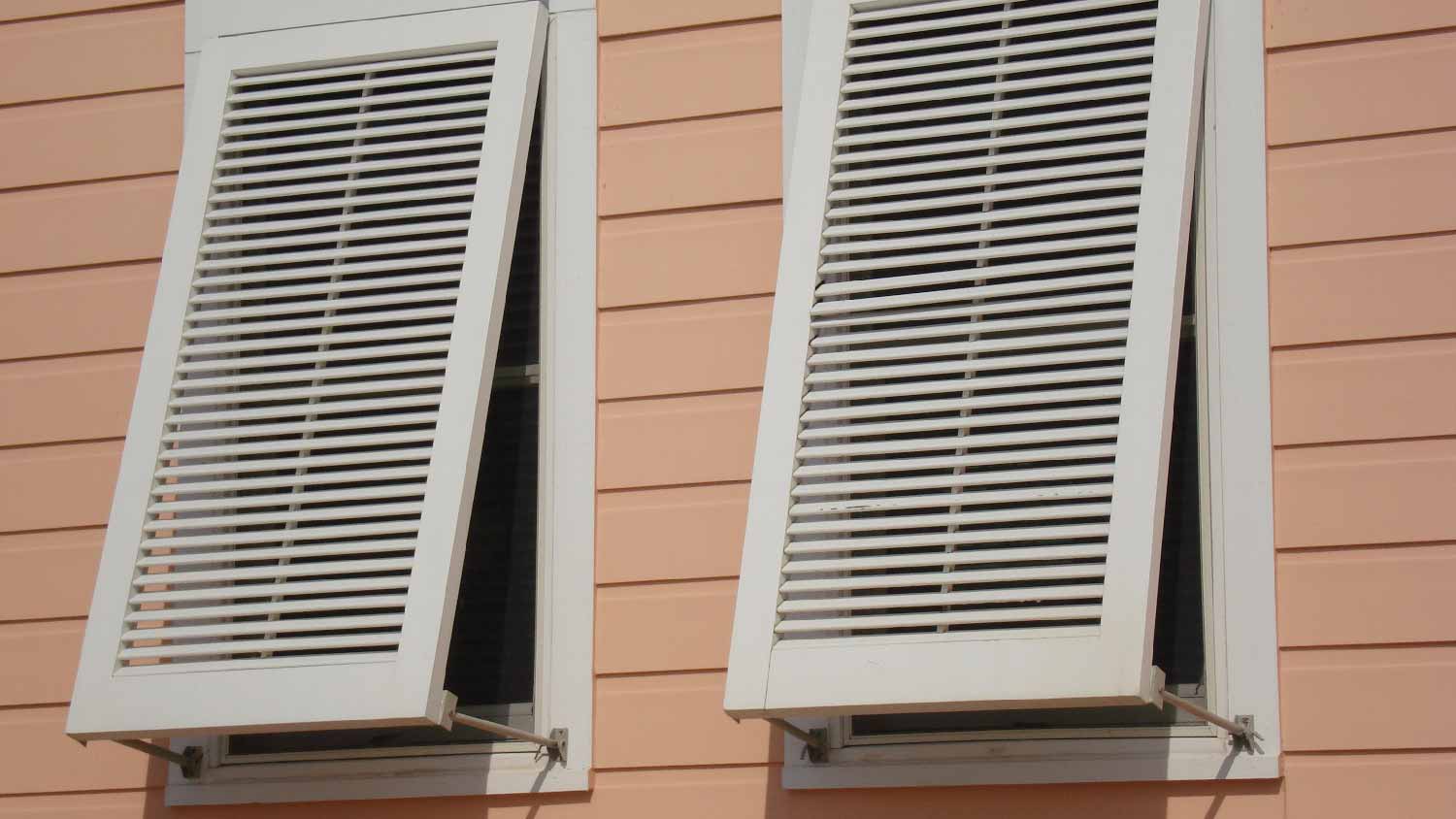
Who can you call to install hurricane film on windows? There are a couple of contractors to choose from, but it depends on the severity of the storm.
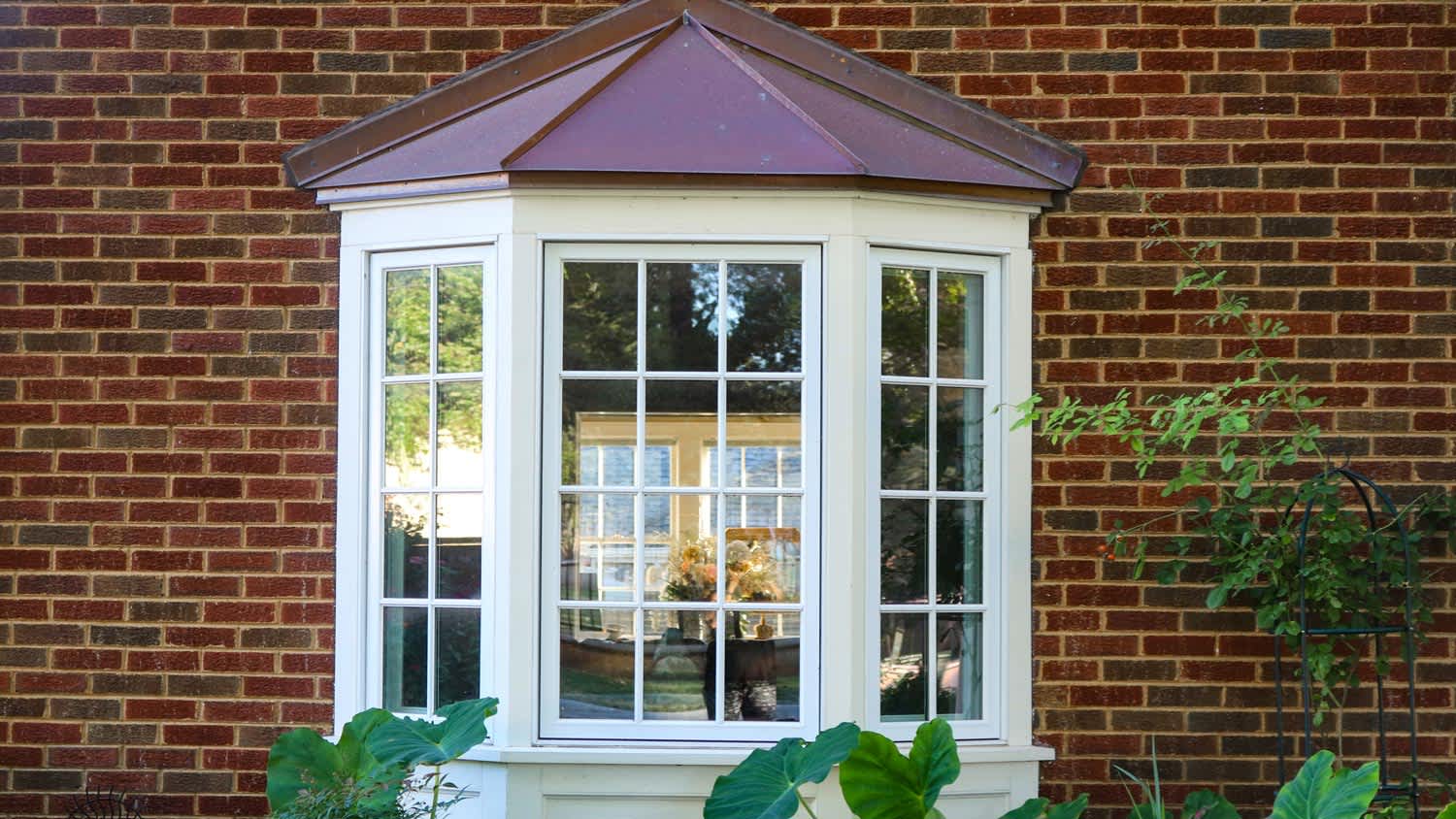
What is hurricane window film, and is it actually a viable option for home hurricane protection? Find out the facts and pros and cons of hurricane film here.
Has severe weather damaged your property? Learn about storm and hurricane recovery costs, warning signs, and how to hire the right local pro.
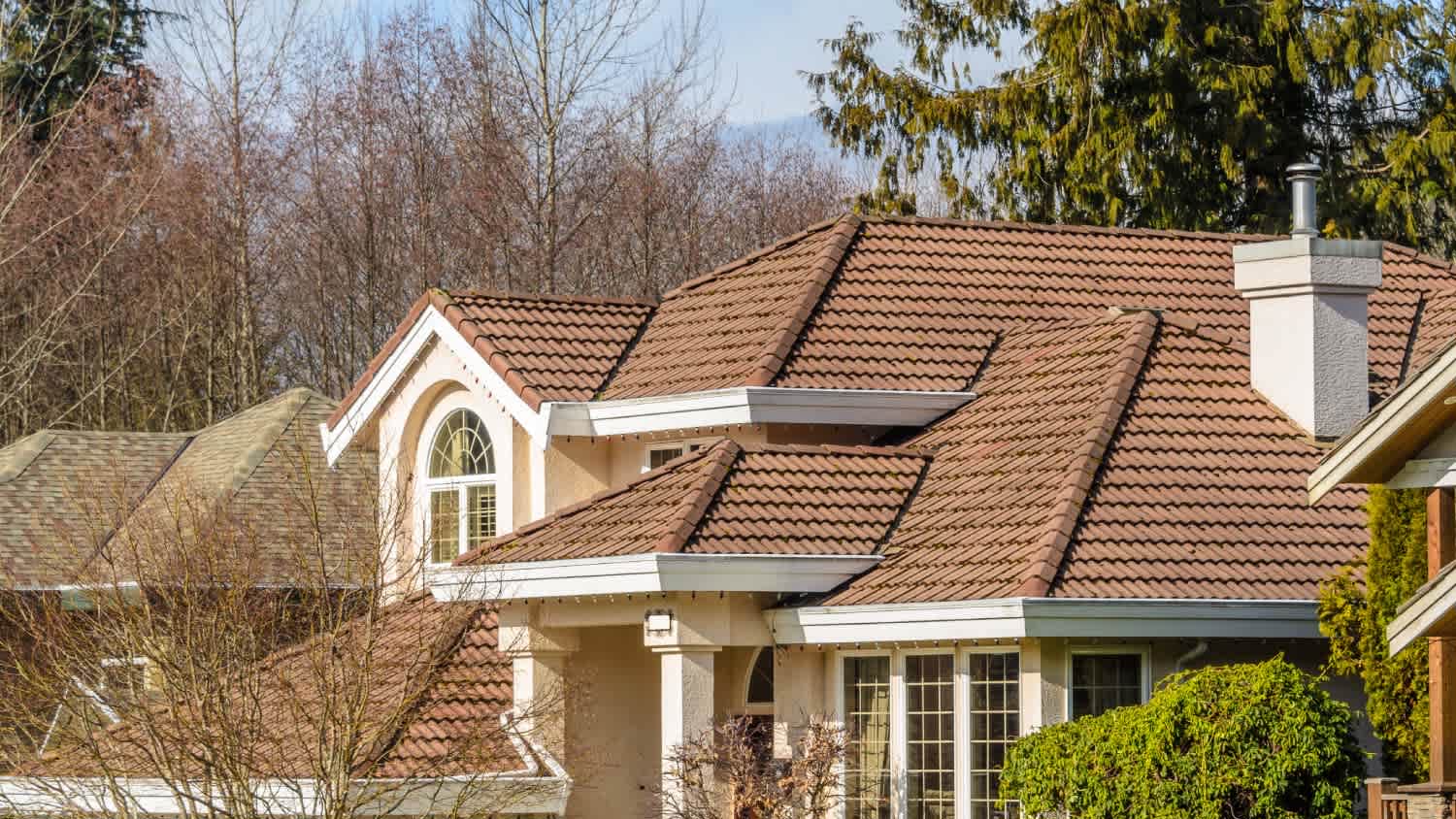
It’s never fun to find out that you have roof storm damage. If bad weather has gotten the best of your roof, explore this guide to see what you should do next.