

•
Get expert insights on shutter repair cost, including average prices, key cost factors, and tips to save money on your next shutter repair project.
Hurricane shutter service costs depend on your project and location. Check with a local pro for your specific job.

Hurricane shutter installation costs $1,440 to $5,830 on average, based on your shutter type and window size.
Your shutter material, window size, and window count drive labor time and your overall project scope.
Build your budget with permit fees of $150 to $200 and higher prices during hurricane season demand.
Hiring a local hurricane shutter professional keeps your home safe by meeting required storm impact and wind resistance ratings.
In 2026, the national average cost for hurricane shutters is $3,635, based on 372 verified projects from Angi Pros. Most homeowners pay between $1,440 and $5,830, with per-square-foot costs ranging from $2 to $60 depending on shutter type, window size, and window count. Costs can stretch as high as $11,000 or drop to as low as $255 based on the scale of your project and the time of year you schedule installation.
Hurricane shutters are a significant home improvement investment, and knowing what drives the price helps you evaluate any estimate with confidence. The main cost factors include shutter type, window size, number of windows, material, and labor. Understanding each category puts you in a better position to compare quotes and avoid surprises.
The type of hurricane shutter is one of the biggest factors in what you'll pay, with costs varying widely across available styles. Temporary options like storm panels and fabric shutters sit at the lower end of the price spectrum, while permanent solutions like roll-down and colonial shutters cost more upfront but offer long-term convenience. The table below breaks down the average price (per square foot) of different hurricane shutter types:
| Hurricane Shutter Type | Average Cost (Per Square Foot) in 2026 |
|---|---|
| Accordion | $15–$30 |
| Roll down | $25–$60 |
| Bahama | $20–$35 |
| Colonial | $25–$35 |
| Plywood | $2–$6 |
| Storm panels | $10–$20 |
| Fabric | $5–$15 |
Accordion hurricane shutters are permanent and open and close like an accordion made from aluminum. Accordion hurricane shutters cost $15 to $30 per square foot plus $45 to $100 for labor fees. While not aesthetically pleasing, these shutters are popular among homeowners for budget-friendly prices.
Roll-down shutters are a durable, permanent hurricane shutter solution. You can lower these shutters manually or automatically. They run about $25 to $60 per square foot, so a 7-square-foot window will cost about $220 to $520, including installation fees.

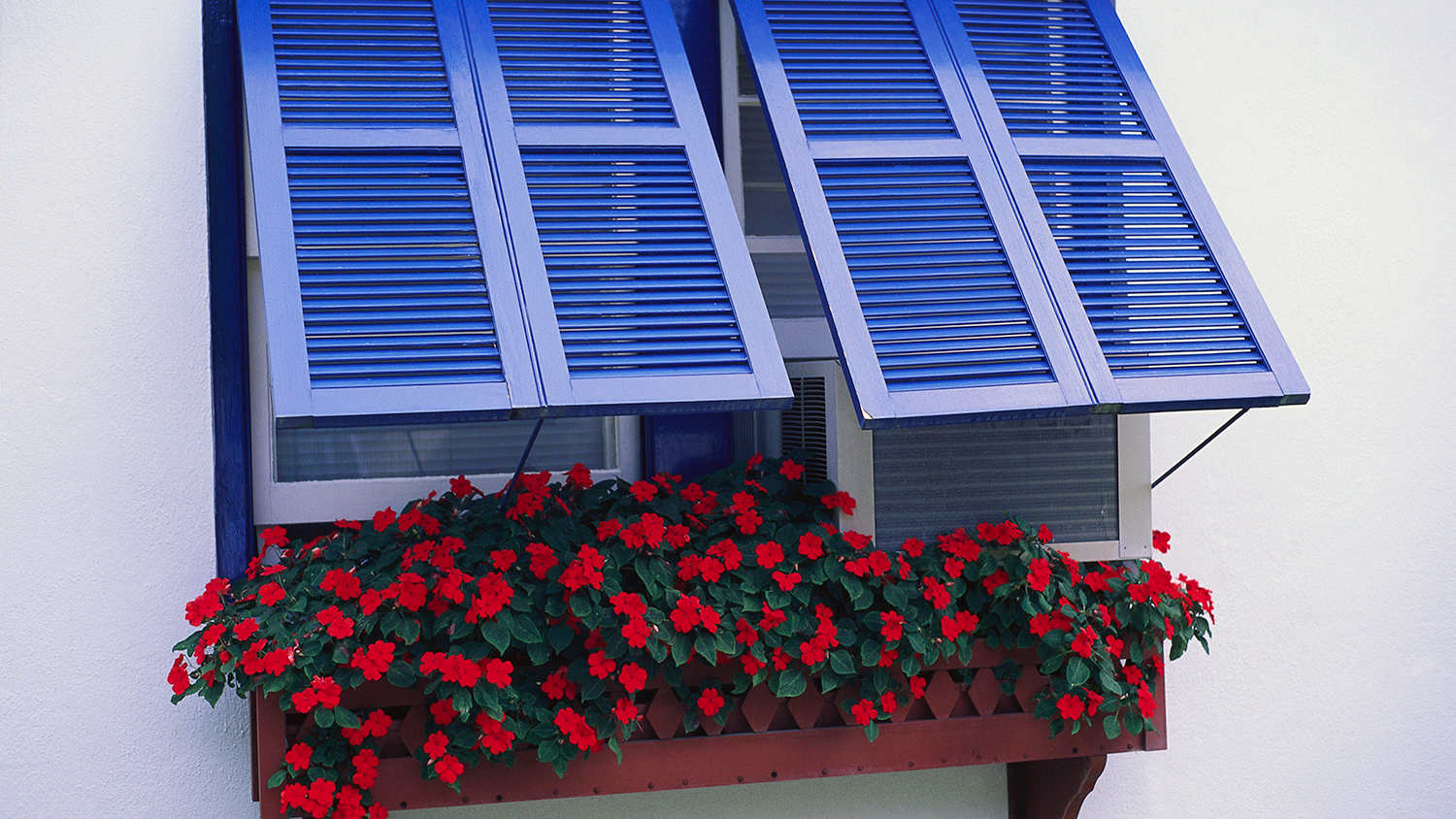
Bahama shutters are made from wood, aluminum, or composite, cost $20 to $35 per square foot, and average $185 to $345 for installation per 7-square-foot window. If you've ever been to the Caribbean, you've probably seen these sturdy, durable shutters that are aesthetically pleasing, low maintenance, and provide ample privacy and storm protection.
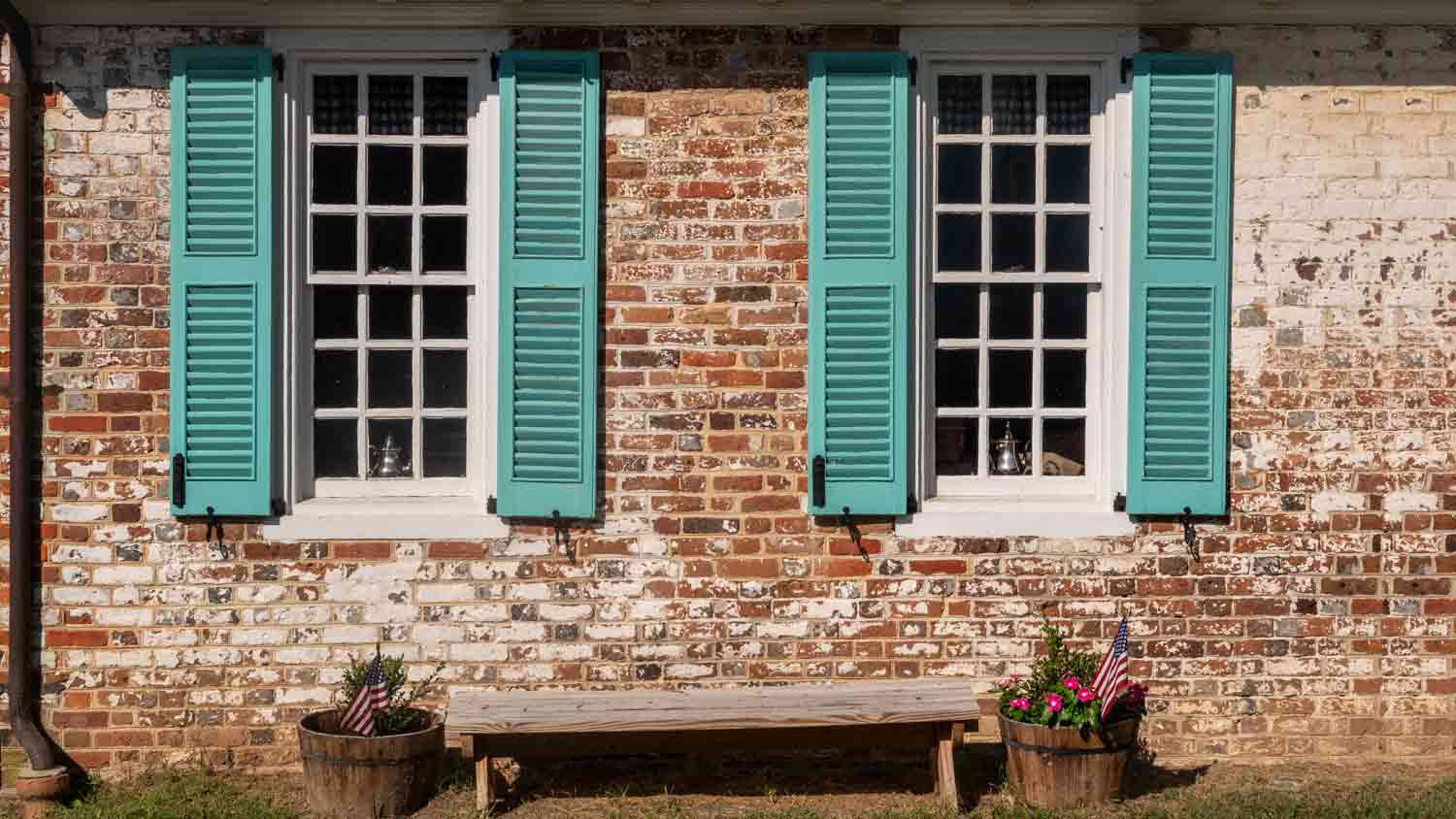
Colonial shutters cost $25 to $35 per square foot, totaling $220 to $345 for a 7-square-foot window. They are a permanent, durable solution with lots of historic charm. Their convenient design allows for easy opening and closing to protect your homes and windows from storm damage while allowing sun exposure and increased privacy.
Plywood hurricane shutters cost $2 to $6 per square foot for a total of $15 to $45 for a 7-square-foot window. While not precisely a shutter type, homeowners have used plywood as a hurricane shutter for decades. Commonly referred to as "boarding up," this temporary solution is cost-effective and offers some protection in low hurricane wind speeds.
Storm panels cost $10 to $20 per square foot, with an average of $115 to $240 for a 7-square-foot window. Made of steel or aluminum, they cover the entire window during hurricanes. Because of their design, these temporary solutions are only installed during hurricane threats.
Fabric storm shutters are made from reinforced PVC or mesh sheets and can be a temporary or permanent solution. The temporary option costs $5 to $15 per square foot, with an estimated $80 to $205 per 7-square-foot window. The permanent shutters cost $25 to $50 per square foot. They work as a shield between hurricane forces and your home.
Window size directly affects your hurricane shutter cost because larger windows require more material, and costs run $2 to $60 per square foot depending on the shutter type you choose. Smaller standard windows keep material costs low, while oversized or custom windows push totals higher. Measuring every window accurately before getting quotes helps ensure your estimate reflects your actual project scope.
The number of windows you need to cover has a direct impact on your total hurricane shutter project cost. More windows mean more material and labor hours, both of which add to your final bill. Getting a full window count before requesting quotes gives contractors the information they need to provide an accurate estimate.
Hurricane shutter material is a major cost driver, with prices ranging from $2 to $60 per square foot depending on what you choose. The four most common material options each offer a different balance of durability, cost, and ease of installation:
Metal: Metal hurricane shutters typically cost $5 to $60 per square foot, depending on the type and whether you choose aluminum or steel. Aluminum is lighter and easier to handle, while steel is heavier but offers greater durability.
Plastic: Clear polycarbonate shutters cost about $10 to $30 per square foot. These impact-resistant panels allow natural light into your home while providing storm protection.
Fabric: Removable fabric hurricane shutters cost around $5 to $15 per square foot. They're lightweight, easy to store, and relatively DIY-friendly, although permanent fabric systems cost more.
Wood: Plywood costs about $2 to $5 per square foot, making it one of the least expensive ways to protect windows during a storm. However, it's a temporary solution and generally offers less protection and convenience than rated hurricane shutter systems.
Where your shutters need to be installed affects your labor costs, particularly if your home has multiple stories. Installing shutters above the ground floor requires additional equipment and time, which drives up labor fees. If you need upper-floor coverage, factor that into your budget when comparing quotes from contractors.
Labor is a key part of your hurricane shutter budget, and a hurricane shutter installer near you typically charges $45 to $100 per hour for installation work. Heavier materials like steel and multi-story installations take more time, pushing labor costs toward the higher end of that range. Getting itemized quotes from multiple pros helps you understand how labor factors into each estimate.
The time of year you schedule your installation affects what you'll pay, with prices rising as hurricane season approaches due to increased demand. Installing shutters in the off-season—particularly mid-winter—gives you access to better pricing and greater contractor availability. Planning ahead before the June-to-November season begins is one of the most effective ways to keep your project cost down.
Not every hurricane shutter installation requires a permit, but some neighborhoods and homeowners associations (HOAs) do mandate one, so it's worth checking before your project begins. When a permit is required, you can expect to pay $50 to $200 for the permit itself. Confirming local requirements with your contractor early helps you avoid delays and unexpected fees once the project is underway.
Before any storm, make sure your emergency supply is updated and adequate. FEMA and the American Red Cross recommend that every person have at least 72 hours of food, water, and portable power in case of emergencies—you should have more if you live in a hurricane- or tornado-prone area.
Hiring a local hurricane shutter installation pro is the right call when you're working with heavy-duty materials like steel shutters or when you're unsure whether your installation will meet wind-load and impact ratings. Experienced installers understand local building codes, permit requirements, and safety standards that DIY work can easily miss. If you have prior shutter installation experience and confidence in your results, a DIY approach is possible for lighter materials. For most homeowners, professional installation is the safer investment.
Installing hurricane shutters can be more complex than it seems. Here's why it's best to hire an experienced pro for the job:
Professionals understand wind-load requirements and impact ratings to ensure your shutters protect your property during major storms.
Working with pros ensures your project meets local building codes, permit requirements, and safety standards.
DIY installation can lead to improper mounting, structural damage, and ineffective protection.
Professionally installed hurricane shutters improve home safety and insurance eligibility and can boost your resale value.
To assist your pro with the installation process, consider helping out with the following tasks:
Clear furniture, decor, and obstacles from the work area to provide easy access for your pro.
Help mark window and door openings to confirm he location of the shutters.
Hand tools and materials to your pro as directed.
Keep pets, kids, and other household members away from the work area.
Be ready to discuss with a pro which shutter material and type you want to install.
Provide your pro with the window sizes and the number of windows you want to install shutters on.
Ask about potential upgrades like motorization, decorative finishes, or custom colors.
Let your pro know about any landscaping, furniture, or obstacles that could affect the complexity or accessibility of your project.
Home is the most important place on earth, which is why Angi has helped more than 150 million homeowners transform their houses into homes they adore. To help homeowners with their next project, Angi provides readers with the most accurate cost data and upholds strict editorial standards. We survey real Angi customers about their project costs to develop the pricing data you see, so you can make the best decisions for you and your home. We pair this data with research from reputable sources, including the U.S. Bureau of Labor Statistics, academic journals, market studies, and interviews with industry experts—all to ensure our prices reflect real-world projects.
Want to help us improve our cost data? Send us a recent project quote to [email protected]. Quotes and personal information will not be shared publicly.
Corey Carr was great. I had damage from a recent storm and needed to have my mast and other components replaced. The project entailed coordinating with AEP, and Corey helped make a stressful situation a lot less stressful. I really appreciated his dedication to service and the job very well done.
 Mr. Electric of Columbus
Great company! Price was competitive, technician showed up on time and completed the job (exterior electric Radon fan replacement) quickly. Would hire them again.
 MaGen Property Inspections and Radon Mitigation
Raven and crew does absolutely fantastic job. They are very professional if any concerns were to occur with any of her work she always took responsibility and finished out with a great job. I have worked with her business for a year and have always been satisfied. Very trusted business and...
 Creations of Transformation LLC
Best cleaning I've had at my property
The Cisco team did an exceptionally good job of painting (very detailed), and they were professional, courteous, helpful and just pleasant to have in our home for a week. I have already recommended Cisco to some neighbors.
 Cisco Finishes
Supreme Brick & Chimney is one of the best service providers I’ve interacted with. Extremely efficient, knowledgeable, and thorough. They took the time to walk me through their detailed full-service inspection and were extremely professional. Not to mention their turnaround time was...
 Supreme brick & chimney
I had Ace Fireplace Services install custom chimney caps for my home, and the results are stunning. They fit like a glove and have added a touch of sophistication to my chimney. I can't recommend their services enough.
 Ace Fireplace Services
Custom Paint Jobs LLC gave our office a fresh new look. Clients love it!
 Custom Paint Jobs, LLC
Storms Mobile Welding was great to work with. They were prompt, professional and did an overall excellent job on the project. I highly recommend.
On Sunday 2/26 I requested quotes via Angi from 4 refrigerator repair businesses. Northwest Appliance responded to me Monday morning (2/27) and my refrigerator was repaired by noon the same day. Great communication, they did everything they said they would. The technician had the parts on...
From average costs to expert advice, get all the answers you need to get your job done.
Get expert insights on shutter repair cost, including average prices, key cost factors, and tips to save money on your next shutter repair project.
Discover exterior shutters cost, including average prices, installation factors, and ways to save. Get expert tips to plan your exterior shutter project.
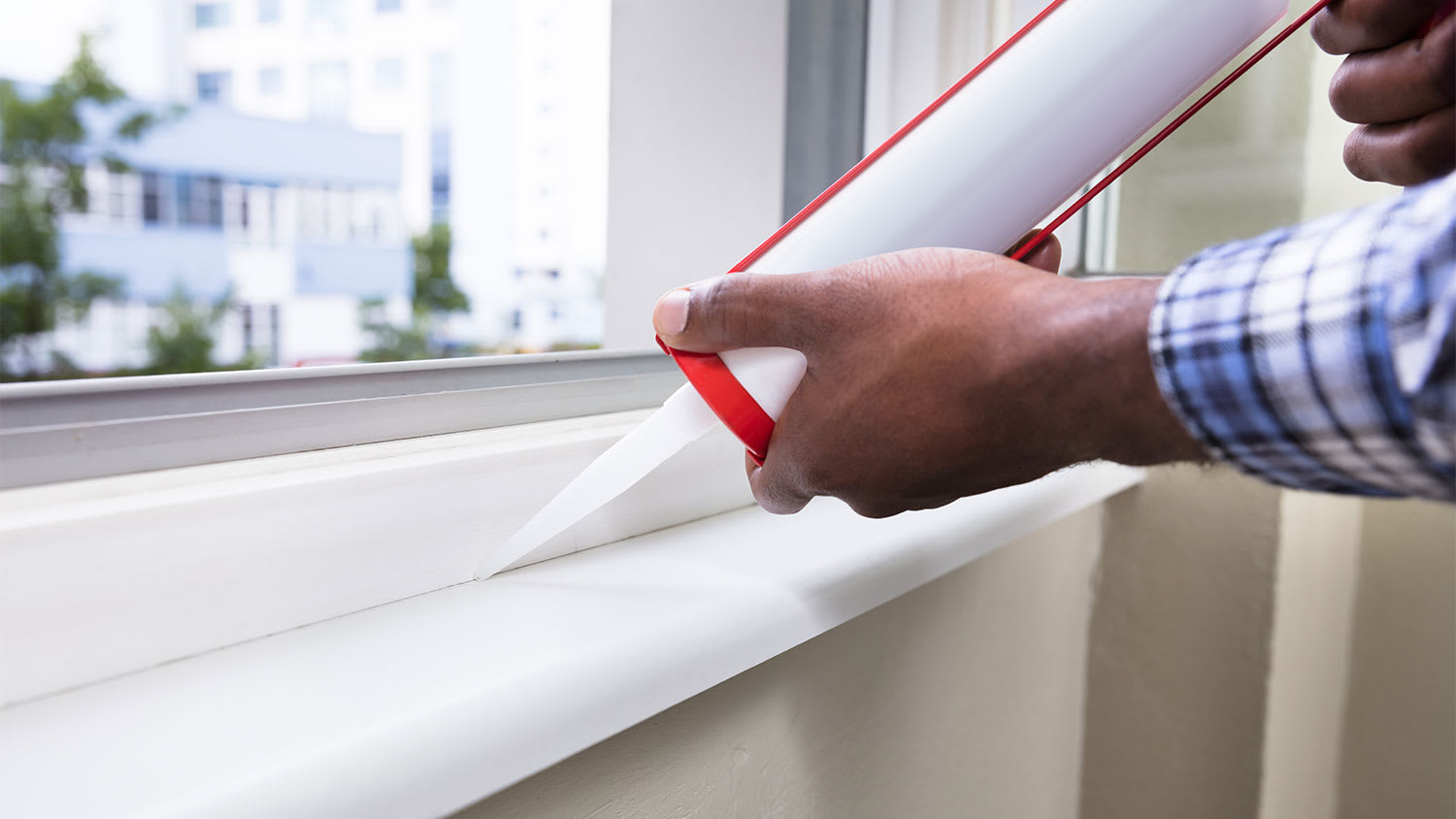
The average hurricane window cost varies by size, type, labor, and more. Read this guide to estimate the cost of your impact window installation.

Protecting your home and belongings from a hurricane is critical. Learn about plywood hurricane shutters, how to use them, and when to choose an alternative.
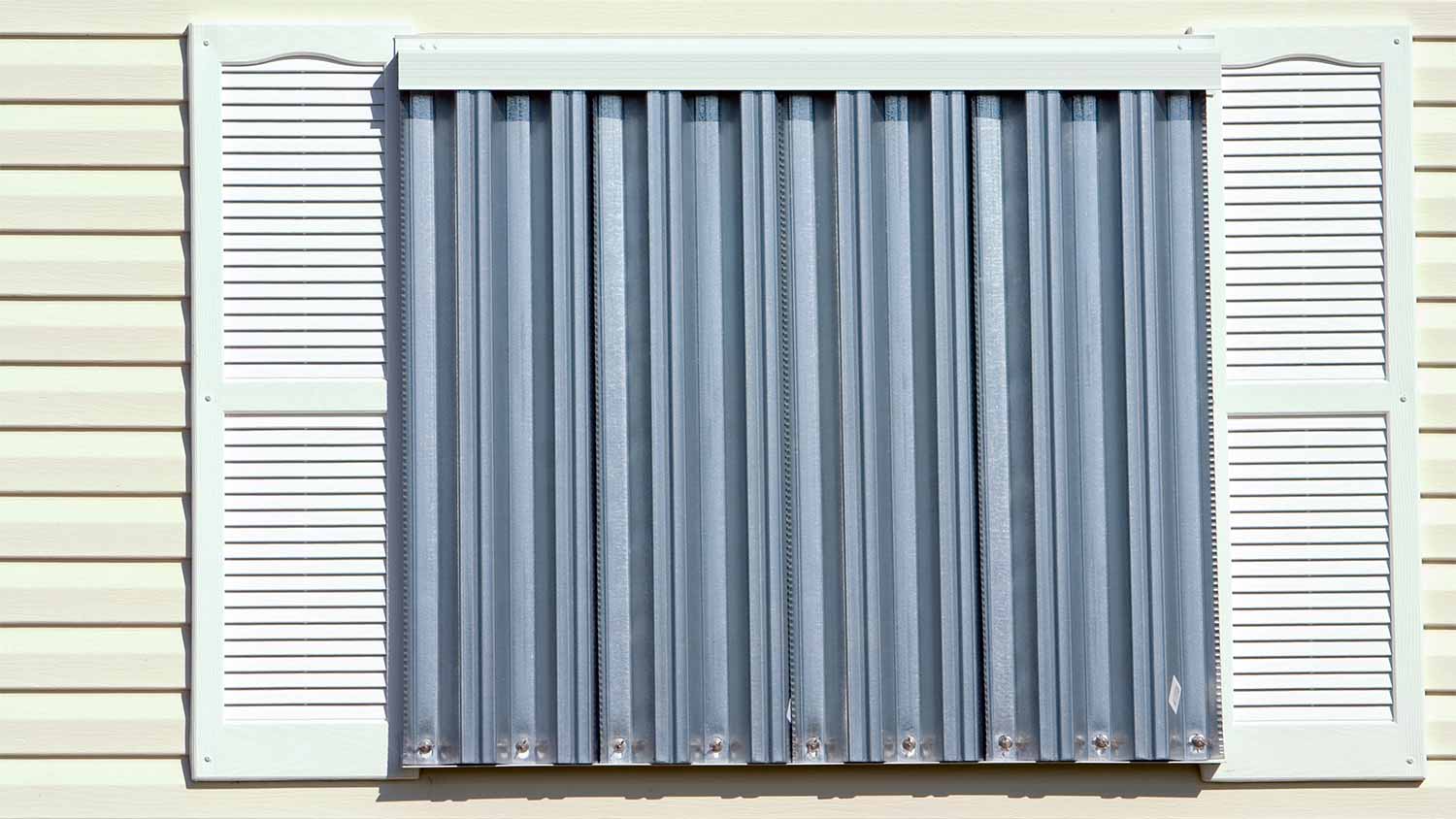
If you live in an area that’s prone to storms, putting up DIY hurricane shutters should be a project that’s on your list. Learn how to install them here.
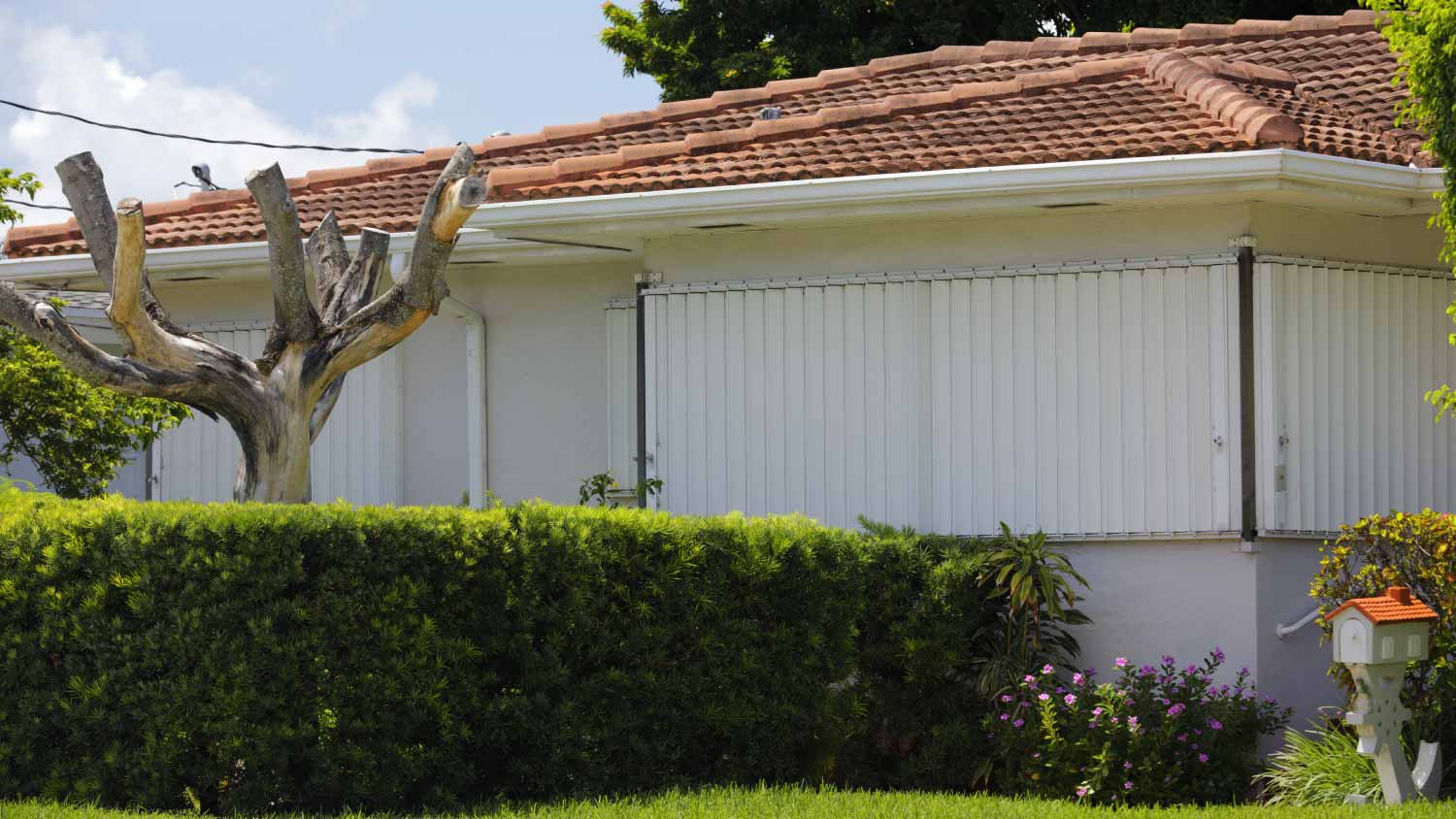
From accordion-style to roll-down to colonial, there are quite a few types of hurricane shutters to consider. Explore the top options in this guide.