

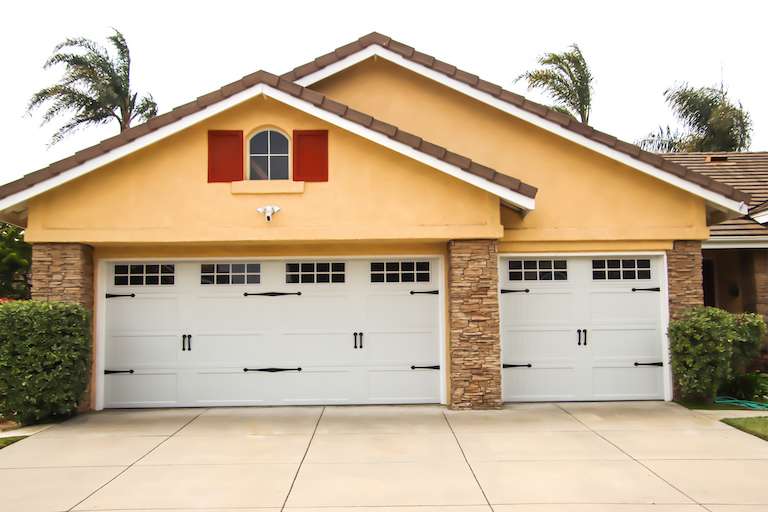
Garages increase curb appeal and have a high ROI. Use this guide to learn about the average cost to build a garage and budget for your project.
Garage service costs depend on your project and location. Check with a local pro for your specific job.

Professional RV garage construction costs between $36,000 and $140,000 depending on your garage size and the siding material you select.
The type of garage you choose and the materials used in construction determine your final project costs for protecting your vehicle.
Building permits range from $1,200 to $1,500 and site grading or utility connections increase your total expenses when building your garage.
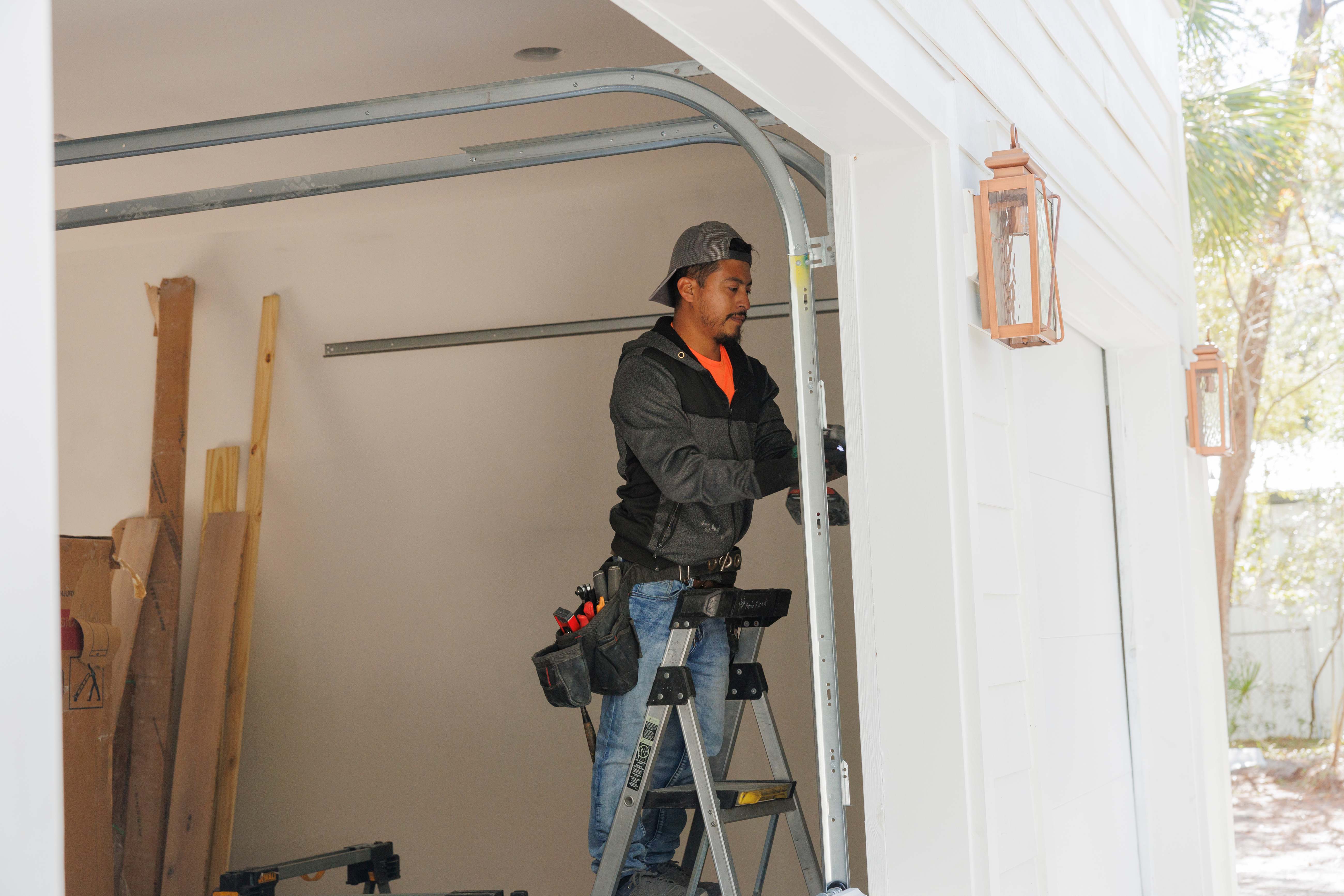
Hiring a local garage building professional ensures your RV garage is structurally sound and saves you from handling heavy construction materials alone.
In 2026, the national average cost to build an RV garage is $90,000, often ranging from $36,000 to $140,000, depending on your garage size and the materials you choose. On the low end, a basic RV garage can cost as little as $9,000, while large garages with premium add-ons can run upwards of $180,000.

Most RV garages measure roughly 14 feet by 50 feet, or about 700 square feet total. They cost anywhere from $40 to $140 per square foot, depending on design, garage type, and materials. For a more precise quote tailored to your property and RV's dimensions, contact a garage builder near you for a written estimate.
The table below breaks down the estimated cost to build an RV garage based on size:
| RV Garage Size (Square Feet) | Average Cost in 2026 |
|---|---|
| 700 | $28,000–$98,000 |
| 800 | $32,000 –$112,000 |
| 850 | $34,000–$119,000 |
| 900 | $36,000–$126,000 |
Keep in mind that you should plan on sizing up your garage if you also want it to serve as a place to store your primary vehicle.
The siding material you choose for your RV garage significantly affects the final price. Vinyl is the most affordable option at $3 to $12 per square foot. The table below shows estimated siding costs for a 700-square-foot RV garage:
| Siding Material | Cost for Siding Material Alone in 2026 |
|---|---|
| Vinyl | $2,100–$8,400 |
| Wood | $700–$10,500 |
| Brick | $7,000–$14,000 |
| Metal | $2,100–$11,200 |
Labor to build an RV garage averages $20 to $75 per square foot, accounting for about 50% of the total project cost. Garage builders generally don't charge by the hour, so getting competitive quotes from at least three contractors is the most reliable way to evaluate your options. Comparing multiple quotes also helps you build a more accurate overall budget before committing to a contractor.

Beyond the core construction costs, several additional expenses can increase the total cost of your RV garage. Utilities, garage doors, insulation, and site preparation are among the most common budget additions to plan for. Keeping a close eye on these extras from the start will help you avoid surprises as the project progresses.
Most RV garages require oversized doors to accommodate the vehicle, and RV garage doors cost anywhere from $1,300 to $7,000. Aluminum doors tend to fall toward the lower end of that range, while fiberglass or wood-composite doors push toward the higher end. Garage door openers cost around $450 each, and even if you're handling other parts of the build yourself, hiring a professional for installation is strongly recommended, as openers may not work properly if installed by an inexperienced DIYer.
Adding HVAC vents and ducts to an attached RV garage costs between $475 and $2,100 when connecting to an existing system. A detached garage requires a standalone HVAC system instead, with a ductless mini split being a common choice at around $4,000. If climate control is a priority, factor this cost in early, as it can vary based on your garage's configuration.
Adding plumbing to your RV garage costs anywhere from $375 to $1,900, with the primary cost factor being whether you can tie into existing water lines or need entirely new lines installed. Connecting to existing plumbing keeps costs toward the lower end of that range, while running new lines from scratch pushes costs higher. If your garage site is far from your home's plumbing, budget accordingly before finalizing the location.
Running electrical lines to your RV garage costs around $125 to $300 for an attached garage with easy access to existing wiring. For a detached RV garage, the cost to run electricity to your structure falls between $1,000 and $2,500. Each additional switch, outlet, or light fixture adds $75 to $150 to your electrical budget.
The cost to insulate a garage ranges from $0.50 to $1.25 per square foot, which comes to $350 to $875 for the average 700-square-foot RV garage. Insulation is a worthwhile investment for year-round use, helping regulate temperature and protect your RV from extreme weather. Adding an insulated garage door on top of standard insulation can cost an additional $4,000.
RV garage kits come in two main types—attached and detached—and the right choice depends on your available space, budget, and personal preferences. Attached garages are less expensive upfront, though you'll spend more on items like insulation that a detached structure may not require. Most homeowners choose a detached style for its flexibility, since it can be placed anywhere on the property that accommodates the RV's size and turning radius. Detached garages cost less in some cases because the greater flexibility in material selection can help reduce overall expenses.
If the ground needs to be graded to a level surface or requires drainage work, both your costs and your project timeline will increase. The same applies if you plan to run power or water to the garage, but the site is far from your home's existing plumbing and electrical systems.
Most municipalities require a building permit before you can construct or install an RV garage, and the cost averages between $1,200 to $1,500. Your town or city may charge more or less depending on local regulations, so check with your municipality early in the planning process. Your general contractor can often help navigate the permitting process if needed.
While it’s possible to build your own RV garage (especially with a fabricated kit), we always recommend working with a local garage contractor on this project. Even if you opt for a prefab kit, these pros will complete the project much faster, all while ensuring the structure is sound and stable for years. And if you want to build something custom, these experts will help bring your vision to life. Though they charge $20 to $75 per square foot, the benefits of pro garage builders make the costs more than worth it.
There are a few reasons you should consider working with a pro to build an RV garage, such as:
Ensuring the structure is safe and sturdy
Ensuring code compliance
Avoiding injury caused by moving heavy building materials
Access to work warranties and guarantees
Help securing permits, if needed
Help creating a custom garage to fit your needs and preferences
While we don’t recommend taking this entire project on by yourself, there are still a few ways to save by handling the prep yourself:
Come up with a list of needs for your RV garage to ensure an accurate quote
If using a prefab kit, order it yourself and get professional help with assembly
Clear the area where the garage will be built
Make sure you know how much space your garage will need to fit your RV, and don’t forget to add some extra space for clearance and storage
Installing an RV garage can be a significant investment. To save money on the project, consider the following tips:
Comparison shop for different methods of building your RV garage: Even if you’re leaning towards a DIY experience with a garage kit, check out how much it would cost to have one built based on available plans versus hiring a specialist to design and assemble one for you.
Get at least three quotes or prices from contractors: This is the most effective way to evaluate your options and make sure you’re getting the best possible price.
Explore different materials: You may be able to save some money by choosing a different material for your garage.
Keep it simple: It’s tempting to shoot for the moon and install plumbing, HVAC, and full electrical work, but these will all drastically increase your installation costs.
DIY what you can: While it’s best to hire a professional for major construction, you can save money by DIYing simpler projects, like installing garage organization solutions, finishing interior walls, and installing light fixtures.
An RV garage can increase your home’s value thanks to the additional storage space it offers. On average, homeowners can see a 65% return on investment (ROI) on a new RV garage. Although the ROI isn’t quite as high as adding a traditional garage, you could see a higher return if you add a workspace to the RV garage or convert part of it to a living space.
Measure the size of your RV and ask your pro how big of a garage they recommend to ensure ample room for the vehicle and storage
Ask for advice on the best siding material for your needs, preferences, and budget
See what it will cost to install utilities (e.g., HVAC, electrical, plumbing, etc.) in the garage
Don’t forget to factor in your pro’s insulation costs
Home is the most important place on earth, which is why Angi has helped more than 150 million homeowners transform their houses into homes they adore. To help homeowners with their next project, Angi provides readers with the most accurate cost data and upholds strict editorial standards. We extensively research project costs to develop the pricing data you see, so you can make the best decisions for you and your home. We rely on reputable sources, including the U.S. Bureau of Labor Statistics, academic journals, market studies, and interviews with industry experts—all to ensure our prices reflect real-world projects.
Want to help us improve our cost data? Send us a recent project quote to [email protected]. Quotes and personal information will not be shared publicly.
Company came to look at my garage door that was off track. They also said I needed a brace on the other garage door. They put the door back on track, and I paid to install the brace. The technician told me I needed a new garage door opener, and it would cost $1000. Red flags went off in...
 Precision Overhead Garage Door Service
I highly recommend KTM construction! I will look no where else for anything that needs to be done, in or out side of our property. The level of craftsmanship is 5 star service across the board! The level of detail, knowledge and professionalism is 5 star service across the board! Ken is a...
 KTM Construction, LLC
Replace garage doors: Fast response, competitive estimate, timely work done well.
 Village Garage Door
Called Mark on a Thursday morning. Not really knowing if he could help me or not. I was having driveway, flooding issues due to a clogged channel drain and I was trying to figure out what direction to take. Heavy rains had come on Monday and again on Thursday leading to flooding in my garage...
 Mark Rodgers Construction
Not well. I originally emailed Garage Gurus on 8/6, again on 8/9, and again on 8/11. In the meantime I left two voice messages with their answering service; both times I was told that an estimator would "get right back" to me. Not even the courtesy of a reply of any kind. Extremely...
This company is amazing! My garage door broke this afternoon and was stuck in the open position. I couldn't leave with the door open so I called Sanford and Sons because the company was recommended by the manufacture of my garage door motor. Nancy answered the company phone and problem...
The workers parked large trucks and trailers in the street that, on many occasions, over several months time precluded me from being able to get my car out of my garage. Additionally, it made for difficult movement of traffic on the street. Frequent request to the workers and to the property...
We had two outdoor fixtures swapped for motion sensing fixtures and a GFCI outlet added to the outside of the garage for the bird bath heater. <br /> He arrived at the agreed upon time and I was surprised and impressed at how quickly everything was completed. <br /> I would definitely...
 Powers Electric LLC
I received a glowing recommendation of RoofWise from my accountant & contacted them regarding a stubborn leak I've battled where the family room addition meets the original house. I also asked for a recommendation regarding ongoing garage leaks. Following a detailed inspection Roofwise...
 RoofWise Roofing Inc
Met with and received a detailed estimate from the owner who also answered all the questions I had about the work. Work was delayed by unusually rainy weather, but I did receive periodic scheduling updates by email. When the weather broke, the painting was completed in an extremely...
 Fresh Touch Custom Painting Inc.
From average costs to expert advice, get all the answers you need to get your job done.
Garages increase curb appeal and have a high ROI. Use this guide to learn about the average cost to build a garage and budget for your project.
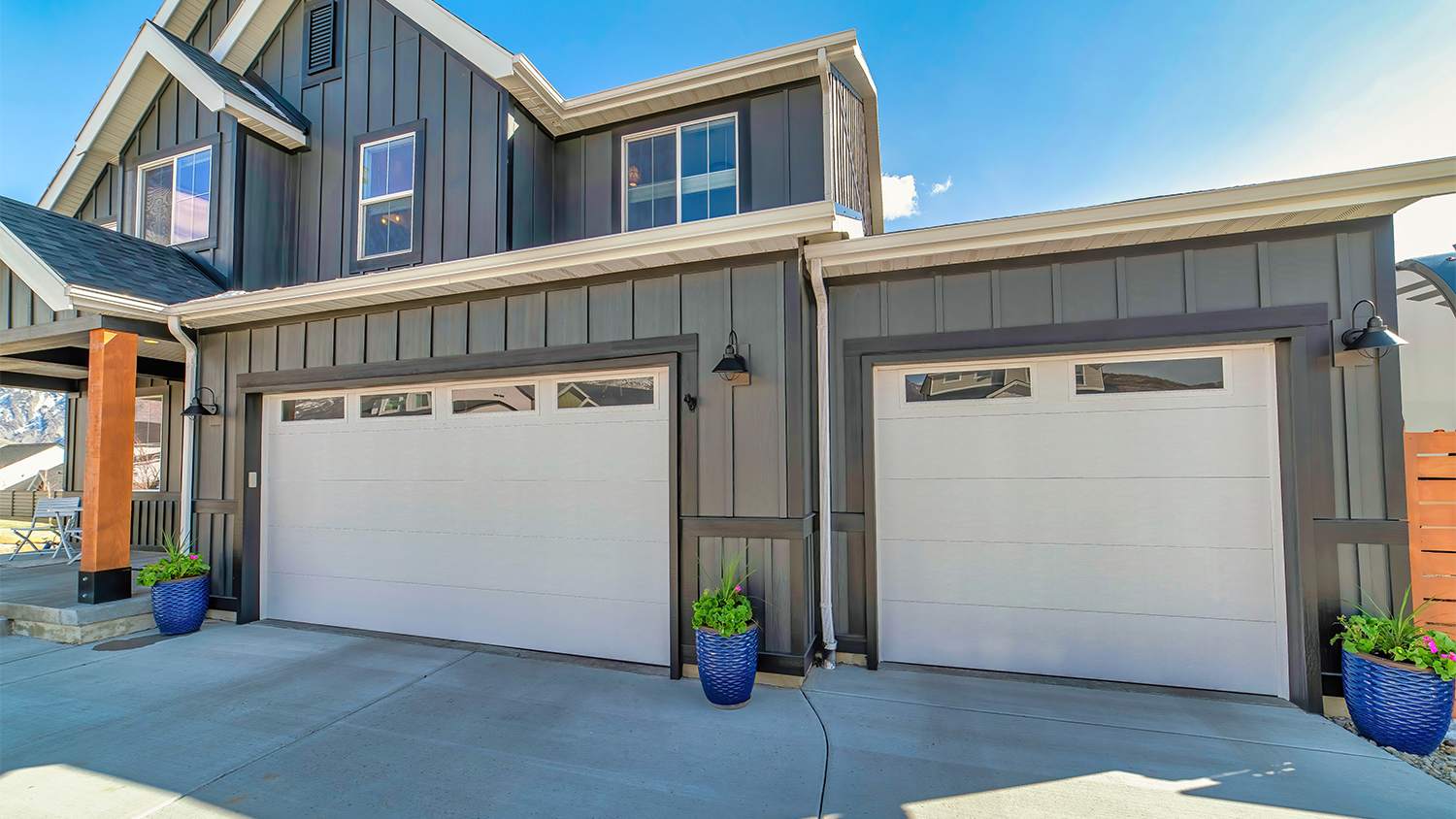
A garage extension is a great way to add space for work, hobbies, and storage. Learn how much a garage extension costs so you can budget accordingly.

Want to revamp your garage and add some utility? Use this garage remodel cost guide to see what your project will cost before you get started.
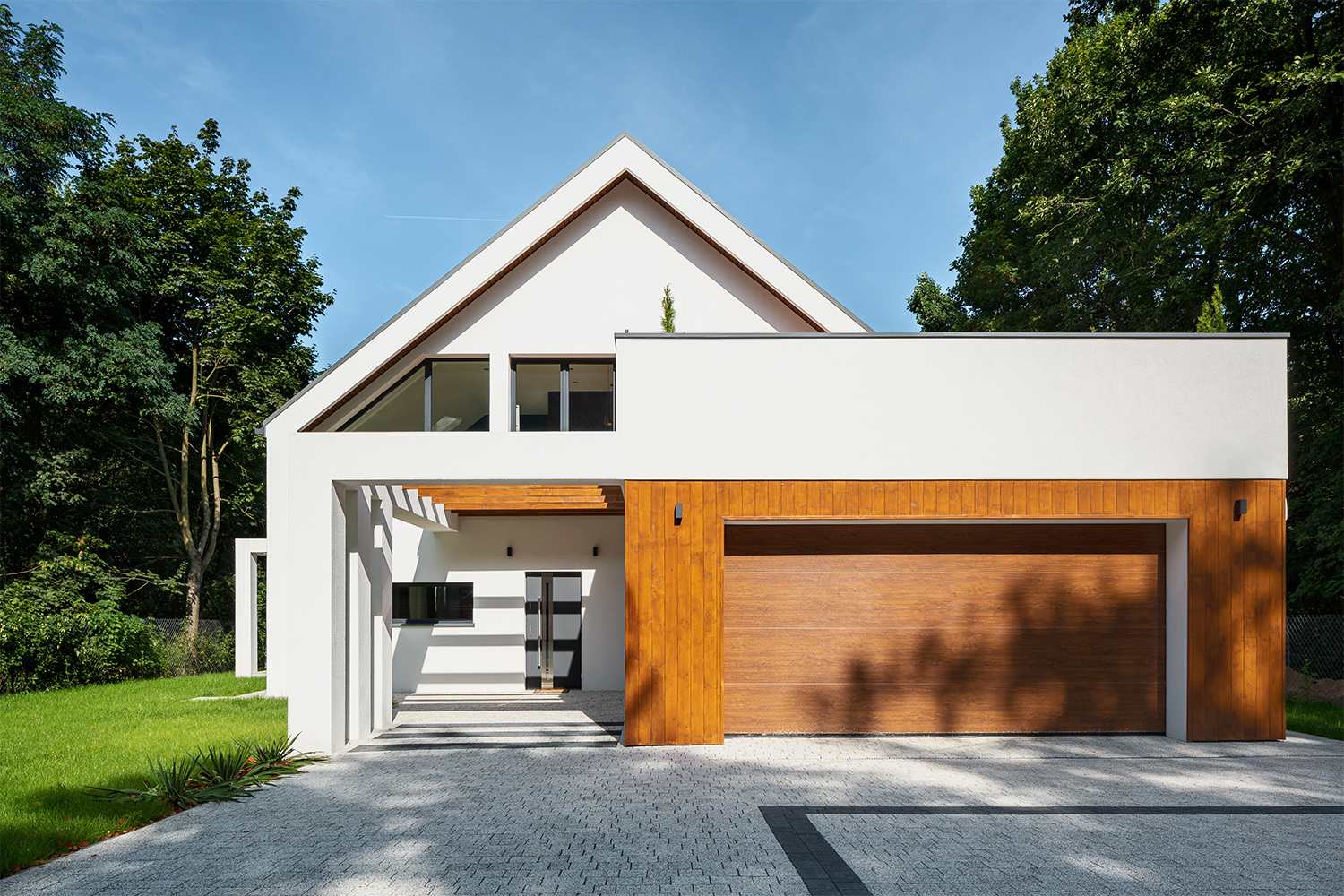
Building a garage can increase your home’s value, add space, and protect your belongings. Follow this guide on how to build a garage.
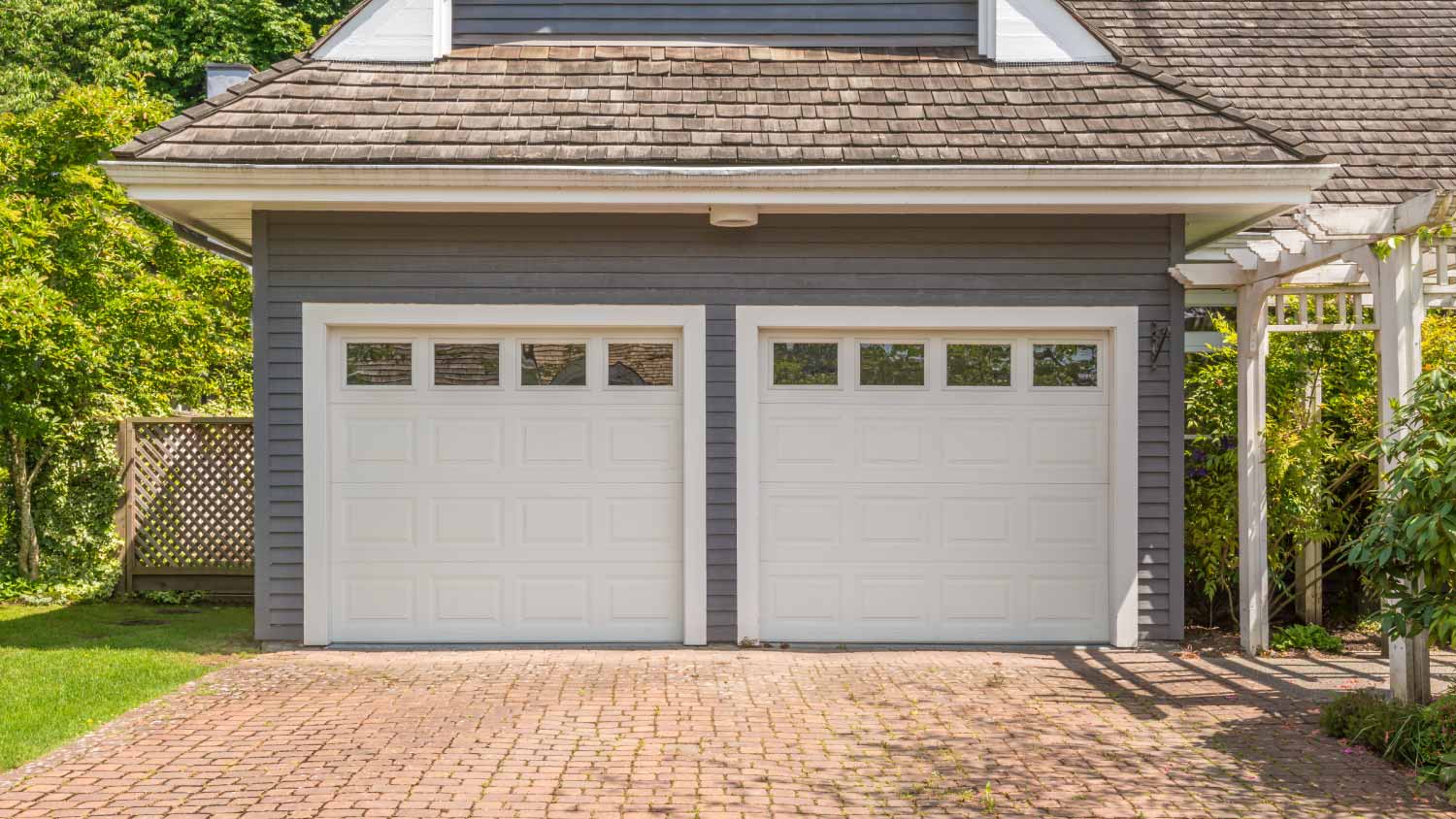
Ever wondered: How much does a garage add to home value? This addition can raise your home’s value significantly, providing convenience and storage. Here’s why adding a garage is worth it.
Learn how to hire the right garage builder by comparing costs, checking credentials, and avoiding common mistakes.