

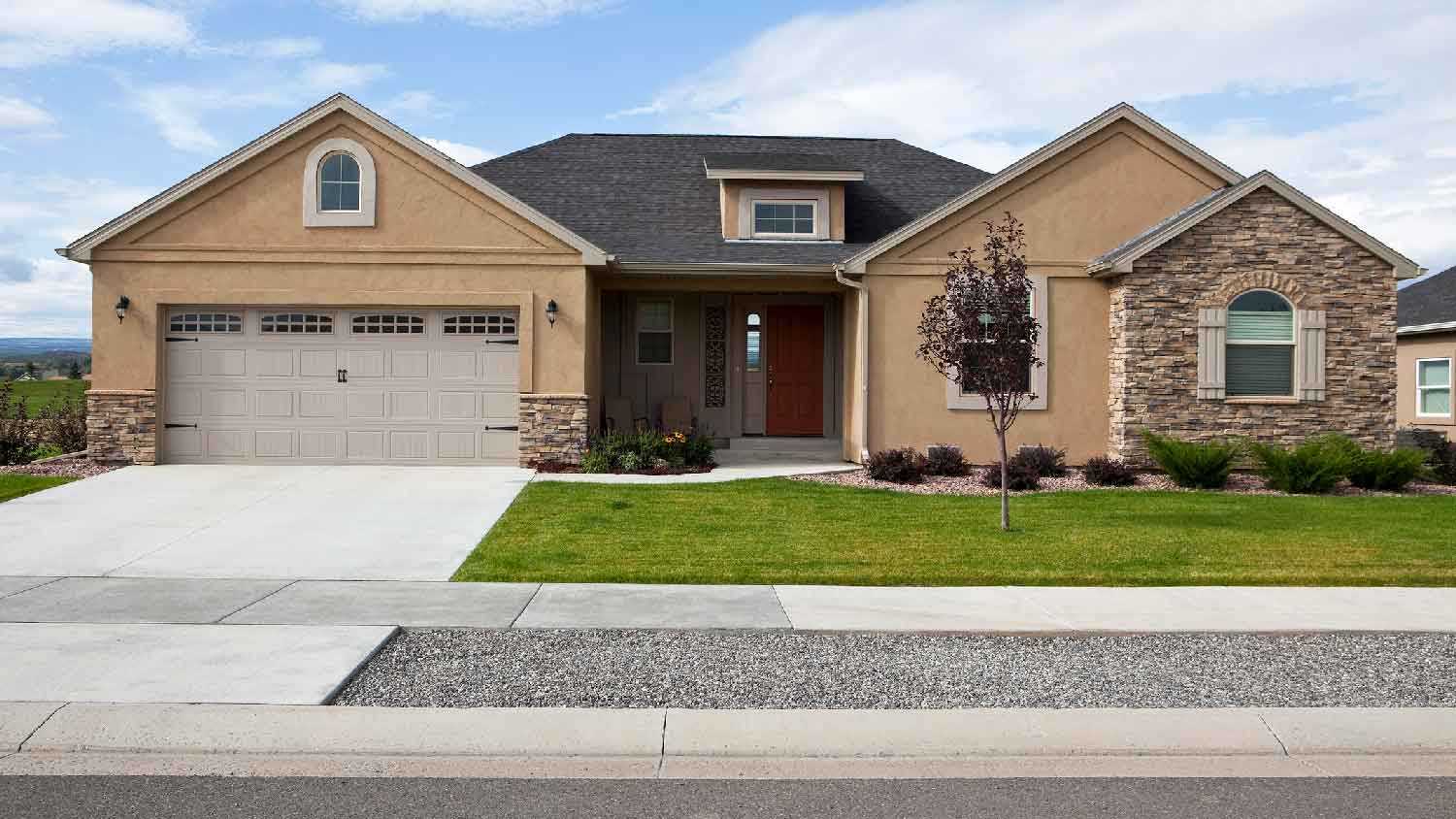
Replacing a garage door sensor is one of the least expensive fixes for a garage door. Learn how you may not need to totally replace it if it only requires an alignment or cleaning.
Garage door service costs depend on your project and location. Check with a local pro for your specific job.

Garage door replacement costs $754 to $1,707 per door, and your material choice drives the price.
Your door size and layout, one double or multiple singles, change labor and materials for the project.
You should account for old door removal, permit fees, and potential structural repairs when creating your garage door replacement budget.
Hiring a local garage door company keeps your household safe by handling high-tension springs and aligning tracks properly.
In 2026, the national average cost for a garage door replacement is $1,231, based on data from 15,434 verified projects by Angi Pros. Most homeowners pay between $754 and $1,707, with the range driven by door size, material choice, and the complexity of installation. If you're eyeing premium materials or specialty features, your total could climb toward the higher end of that range.

Garage door replacement typically costs between $754 and $1,707, with specialty features and add-ons pushing the price as high as $8,000. Homeowners replace their doors for many reasons, including when their garage door won't open, functionality issues, damage, lack of automation, or security concerns. The factors below break down exactly what drives the final cost of a new garage door.
The type of garage door you choose is one of the most direct drivers of total project cost. Standard options like sectional and roll-up doors cost less than custom styles such as French or carriage house doors. The further you move from common materials and designs, the higher the price will climb.

Material choice is one of the biggest factors in what you'll pay for a new garage door, with prices varying from $600 to $8,000 for different options.
Here is a breakdown of cost ranges by material type:
| Garage Door Material | Cost Range per Door in 2026 |
|---|---|
| Aluminum | $600–$2,900 |
| Wood | $900–$4,500 |
| Steel | $650–$3,200 |
| False wood or composite | $650–$4,800 |
| Vinyl | $800–$2,500 |
| Fiberglass | $800–$2,700 |
| Glass | $2,500–$8,000 |
Insulated garage doors cost between $1,100 and $4,200, which is more than standard garage doors, but they save energy and help lower utility bills. They are worth considering if you spend significant time working in your garage or store temperature-sensitive items there. Those who live in colder climates may be more likely to get an insulated garage door.
Garage door manufacturers provide ratings, known as R-values, that range from 0 to 20 for the insulation capacity of each garage door. While 0 represents a door with no insulation, 20 represents the highest level of insulation possible.
The average cost for a door for a one-car garage starts at $500, while a door for a three-car garage with three single doors can reach $7,200. The standard single-car garage door measures 7 to 10 feet wide and 7 to 8 feet tall, and larger configurations cost more to replace.
Two-car and three-car garage doors require more materials and labor, raising the overall price. Choosing multiple single doors instead of one double door increases costs further, since each door requires its own installation work. Custom-sized doors cost more than standard sizes regardless of configuration.
The following table breaks down average costs based on garage door size:
| Garage Door Size | Cost Range per Door in 2026 |
|---|---|
| One-car | $500–$3,000 |
| Two-car with one double door | $800–$5,000 |
| Two-car with two single doors | $1,200–$4,900 |
| Three-car with one double and one single door | $1,400–$7,000 |
| Three-car with three single doors | $1,700–$7,200 |

Upgrading to an automatic garage door adds $200 to $1,300 to your budget compared to a manual door. Automatic doors come with a garage door opener and offer added safety, convenience, and a boost to your home's resale value.
The higher end of that range reflects smart garage door openers that connect to an app. Some homes will also need new electrical wiring to support an automatic opener, which may require hiring an electrician.
Labor for garage door replacement typically runs between $200 and $500, with an average cost of $350 when priced separately from materials. Most installers bundle labor into an all-inclusive fee, but some provide a separate line item in their estimate. Your final labor cost depends on location, the number of workers needed, project complexity, and any additional features being installed.
Removing your old garage door can cost between $50 and $200 if your installer charges for it separately, though many will haul it away at no extra charge. Always ask your installer upfront whether removal is included in their quote. Removal services typically cover the door panels, hardware, and old tracks.
Structural repairs to an older garage door can add between $155 and $380 in garage door repair costs if water damage, rot, or other issues are discovered during installation. Repairing a garage door opener runs between $100 and $500 and requires a professional. These repairs are often unavoidable when updating an aging door, so it's worth budgeting for them before the project begins.
A permit for garage door replacement typically costs between $40 and $120 when one is required, though most standard replacements don't need a permit under local codes. Permits become more likely when you're altering the structure to fit a new door—such as widening a wall, enlarging the opening, or removing a pedestrian door to make room for a two-car garage door. Check your local codes before starting, and expect your installer to pull the permit on your behalf if one is needed.
Adding security features such as smart locks, keypads, motion-activated lights, or sensors will increase your total garage door replacement cost—often by $200 to $1,200 or more. These upgrades are optional but can meaningfully improve both safety and convenience. Factor them into your budget early if you plan to include them.
Customizations can add significantly to the cost of a garage door replacement, ranging from as little as $800 for minor upgrades to well over $10,000 for larger, more elaborate projects. Common customizations include windows, specialty hardware, soundproofing, and decorative accents. If you're considering any of these, get a detailed quote before committing so you can weigh the cost against the value they add.

The type of garage door you choose directly determines your replacement cost, with styles ranging between $400 and $8,000. Many homeowners invest in higher-end doors to boost curb appeal, while others prioritize how the door operates.
Here is a breakdown of popular garage door types and their price ranges:
| Garage Door Type | Average Cost in 2026 | Description |
|---|---|---|
| Sectional | $500–$1,800 | Good clearance, easy to install door opener, opens on a track |
| Tilt-up | $400–$1,600 | Used primarily for sheds and barns, must be opened manually |
| Carriage house | $1,200–$8,000 | Country-inspired aesthetic, most feature windows |
| Roll-up | $600–$3,000 | Commonly used for storefronts or storage units, very durable |
| Glass roll-up | $1,000–$7,000 | Used in commercial buildings, offers farmhouse-industrial look |
| French | $2,000–$6,000 | Rarely used, suited for country-inspired architecture |
| Walk-through | $700–$6,000 | Useful for garages without wall space for pedestrian entry |
Hiring a garage door installation pro near you may cost more upfront, but it saves time, prevents mistakes, and ensures your new door operates safely. Pros bring specialized tools and hands-on experience that deliver a properly aligned, long-lasting installation.
Replacing a garage door is a complex project, and you should hire a pro for these reasons:
Garage door springs are under high tension and can cause serious injury if mishandled.
Professional installers ensure the door, tracks, springs, opener, and surrounding structure aren't damaged during removal or installation.
They have the tools and expertise to properly align tracks and balance the door, assuring the motor won't burn out prematurely.
Working with a pro guarantees your garage door operates smoothly and seals properly.
Pros ensure your garage door meets safety standards, reducing the risk of injuries and malfunctions.
Bundling garage door replacement with opener installation, track upgrades, or insulation improvements can help lower overall project costs.
Garage door manufacturers may void the warranty if the door isn't installed by a certified pro.
Installers often handle the removal and disposal of old garage doors.
Professional installers are familiar with local building codes and permit requirements, and they often carry insurance.
If you want to save time and labor costs, you can handle some preparation tasks before the garage door installer arrives:
Clear out the garage and driveway to provide safe, unobstructed access for installers.
Measure the garage opening and ceiling clearance to help confirm the correct door size.
Remove stored items, vehicles, or wall-mounted equipment near the door that could interfere with installation.
Here are some ways to save on the cost of a new garage door.
Prioritize function over aesthetics. Picking a basic model without frills enables you to get a functional, high-quality door for a lower price.
Limit customizations. Windows, glass panels, wood overlays, high-end metal hardware, raised panels, faux finishes, and other special touches add significant cost. Prioritize which features are most important to you.
Choose your material wisely. Steel or aluminum garage doors are the least expensive. While vinyl is considered a mid-priced option, some homeowners are attracted to its low lifetime cost because it requires very little maintenance and doesn't degrade like wood or steel.
Find the best price. Get quotes from a few different garage door contractors to compare cost estimates.
If you're serious about sticking to a budget, ask local garage door installers to review options within your price range. They can help you prioritize must-have features, weigh pros and cons, and more.
Be prepared to discuss with a pro the size, style, and material of your existing garage door, as these factors affect removal, installation time, and cost.
If your budget allows, ask your pro about optional upgrades such as insulation, smart openers, decorative hardware, or window inserts.
Make sure there is clear access to the garage and driveway on installation day, since equipment and door panels require ample space to maneuver.
Plan for potential unexpected costs, including repairs to tracks, framing, or the opener system that may be discovered once the old door is removed.
Home is the most important place on earth, which is why Angi has helped more than 150 million homeowners transform their houses into homes they adore. To help homeowners with their next project, Angi provides readers with the most accurate cost data and upholds strict editorial standards. We’ve surveyed over 10,000 real Angi customers about their project costs to develop the pricing data you see, so you can make the best decisions for you and your home. We pair this data with research from reputable sources, including the U.S. Bureau of Labor Statistics, academic journals, market studies, and interviews with industry experts—all to ensure our prices reflect real-world projects.
Want to help us improve our cost data? Send us a recent project quote to [email protected]. Quotes and personal information will not be shared publicly.
Jason has helped me with multiple household projects, with the most recent being new door installation. He has always showed up on time and organized and has done an incredible job! Jason is very professional and he's now my go-to for anything around my house that needs to be fixed or...
 Huff Garage Rescue, LLC
Company came to look at my garage door that was off track. They also said I needed a brace on the other garage door. They put the door back on track, and I paid to install the brace. The technician told me I needed a new garage door opener, and it would cost $1000. Red flags went off in...
 Precision Overhead Garage Door Service
On Sunday 2/26 I requested quotes via Angi from 4 refrigerator repair businesses. Northwest Appliance responded to me Monday morning (2/27) and my refrigerator was repaired by noon the same day. Great communication, they did everything they said they would. The technician had the parts on...
Excellent customer service and knowledge. I was recommend to him from my neighbour. My front door and window came in great and were installed beautifully perfectly, I m very satisfied with their excellent work, so decided to order one more big bow window for my living room. I cant wait for...
 Window Depot USA of Central Ohio
Called ahead and worked quickly to install keyless locks on vintage wooden doors.
 Expert Lock and Key, LLC
Scott did not get appropriate access to the property prior to the scheduled inspection which required us to come back later in the day to complete it. He also, unprofessionally, knocked on a neighbor?s door in his attempts to reach someone with access. His overall report was fine though the...
 Security First Home Inspections
I highly recommend KTM construction! I will look no where else for anything that needs to be done, in or out side of our property. The level of craftsmanship is 5 star service across the board! The level of detail, knowledge and professionalism is 5 star service across the board! Ken is a...
 KTM Construction, LLC
Door Depot was very responsive - they came out the day after my call to assess my needs, then returned at my convenience to complete the work. They arrived early, and the work was completed in a shorter period of time than estimated. Very pleased with the results. I would definitely use them...
 Door Depot LLC
Replace garage doors: Fast response, competitive estimate, timely work done well.
 Village Garage Door
I would have given an "A" rating were it not for the devil being in the details. 1. The van rear doors, when open, expose the track area and that had not been cleaned. Noticeable only when you look for it and then it's obvious. 2. Was able to get 99.5% of the dog hair out of the cargo area...
 614 Detail
From average costs to expert advice, get all the answers you need to get your job done.
Replacing a garage door sensor is one of the least expensive fixes for a garage door. Learn how you may not need to totally replace it if it only requires an alignment or cleaning.
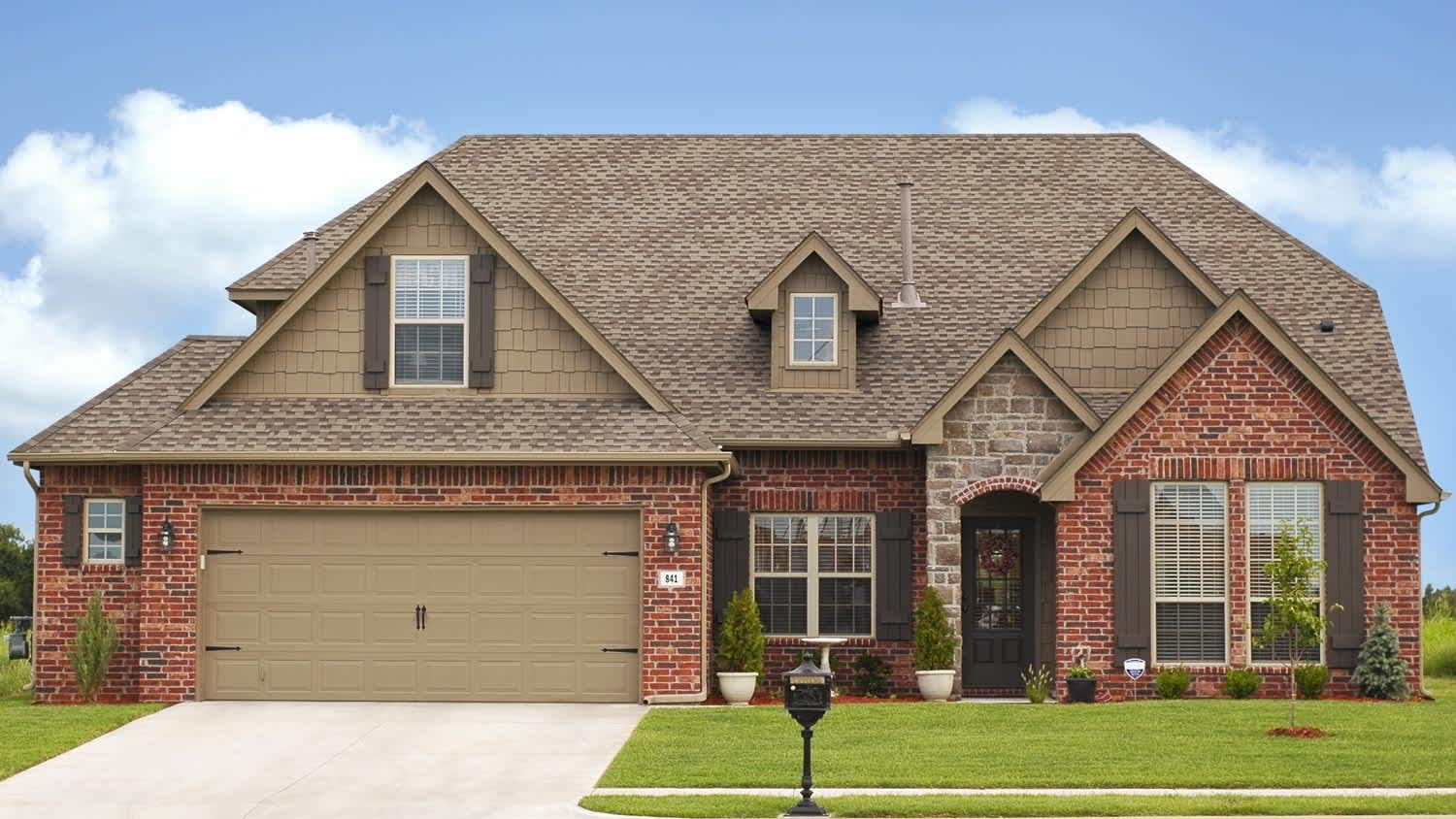
Discover how much garage door panel replacement costs based on factors like the panel size, material, style, and local labor rates.

A garage door repair costs less than you might think, considering you can sometimes repair individual panels. However you can’t do many fixes yourself—learn why you need a pro.
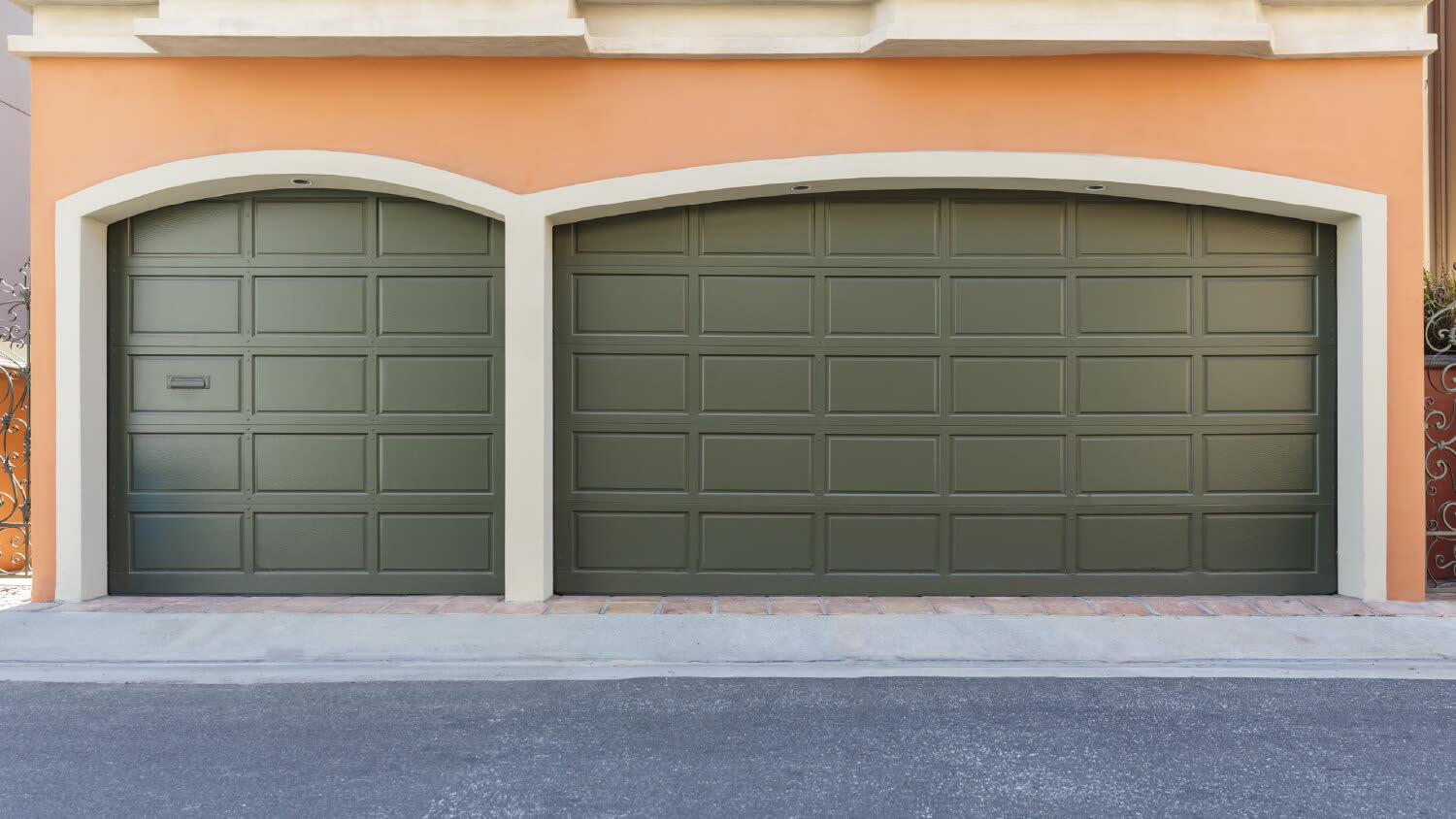
Wondering who to hire for garage door services? Learn who to call for repair or installation, plus how pros get it done.
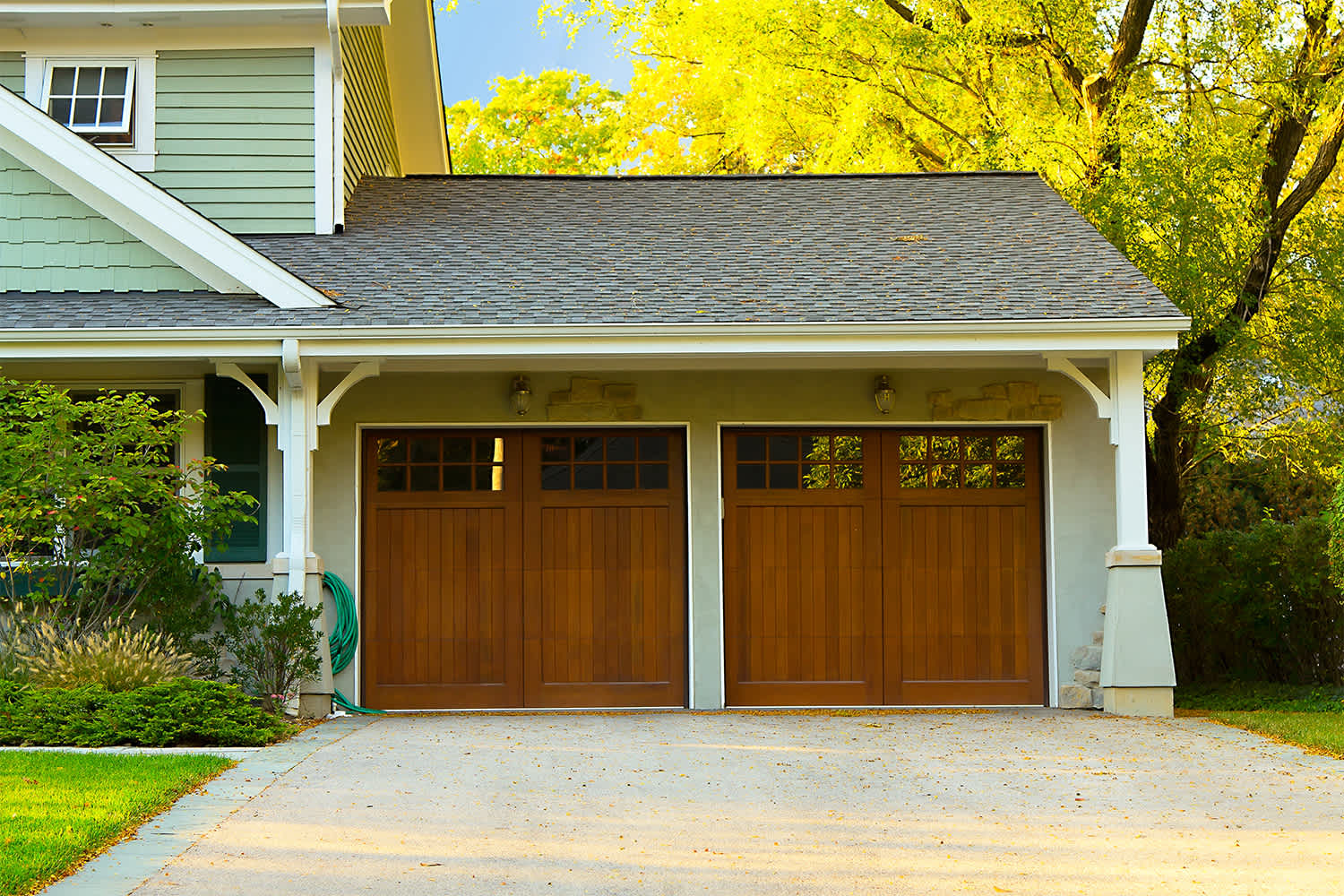
Choosing your garage door opening style is a major consideration for both your wallet and your home. Learn the types of garage doors to find the one that best suits your style.
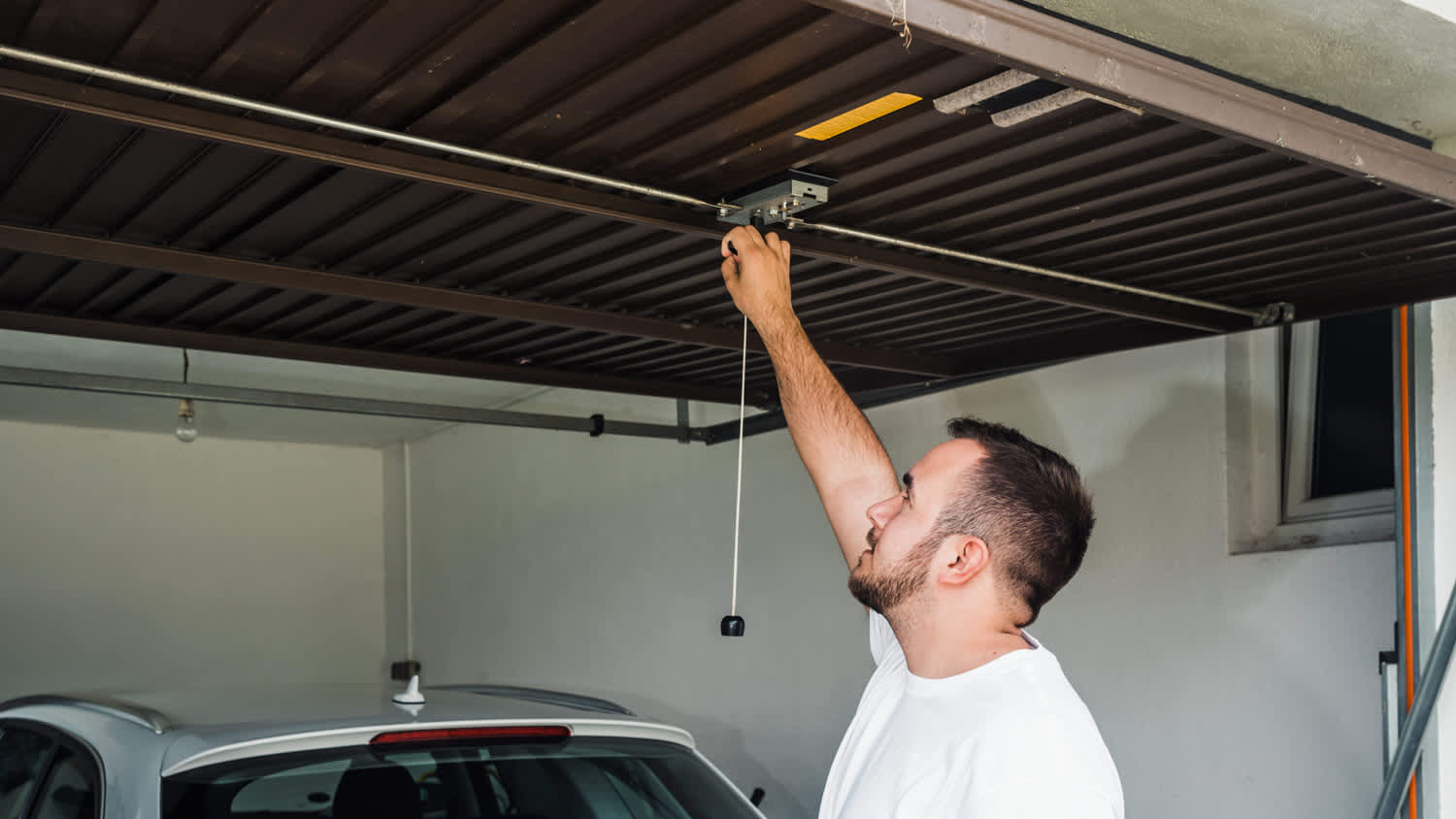
Though you can install a garage door on your old tracks, you might not want to. Keep reading to learn if you can install a new garage door on old tracks.