

A heater is essential if you spend any time in your garage. Find out the average garage heater installation cost based on fuel type, run time, and labor.
You can’t beat a little garage heat

The BTU output needed to heat your garage depends on square footage, with 20 to 30 BTUs per square foot recommended for most spaces.
Expect to pay $1,500 to $4,000 for a new garage heater, with average installation costs around $2,075 depending on your garage size.
Your garage heater size choice depends on insulation quality, ceiling height, climate, and the heater type you select for your space.
Hiring a local insulation company provides helpful guidance on measuring your garage correctly and choosing the right heater size for your needs.
Choosing the right garage heater size is crucial to achieving a cozy space for your car or workspace. The size of your garage plays the biggest role in determining the right heater size. Before installing a garage heater, you should learn about the various sizes available, how to measure your garage, and what to do if you have the wrong size heater.
The standard size of a garage heater varies based on the size of your garage. Check out the recommended heater sizes for the following garage types.
A recommended garage heater size for a one-car garage is about 8,000 to 12,000 BTUs. Keep in mind that smaller spaces heat faster, so you won’t need a garage heater with as much power and range as larger garages.
A recommended garage heater size for a two-car garage is about 30,000 to 50,000 BTUs. Consider other factors when choosing a garage heater size, including the amount of insulation, the type of heater, and its voltage.

Consult this guide before installing a garage heater to get an idea of which size might be right for your garage based on these popular sizes:
5,000–10,000 BTUs: Suitable for small garages or workshops (up to 300 square feet) and ideal for spot heating or maintaining a moderate temperature in a limited space.
10,000–20,000 BTUs: Appropriate for medium-sized garages (300 to 600 square feet) and provides more substantial heating capacity for improved coverage.
20,000–30,000 BTUs: Ideal for larger garages or workshops (600 to 900 square feet) and offers increased heating power for colder climates or less insulated spaces.
30,000–50,000 BTUs: Suitable for spacious garages or workshops (900 to 1,500 square feet) and provides high heating capacity for colder climates or larger, less insulated areas.
50,000 BTUs and above: Designed for extra-large garages or commercial spaces (1,500 square feet and beyond) and offers robust heating performance suitable for extensive areas or high heat demand.
There are a few factors you will want to keep top of mind when choosing a garage heater for your home. You can follow these steps to accurately measure and determine the appropriate size for your garage heater, but if you’re unsure if you’re heading in the right direction, you can always hire an insulation company near you to help.
The initial step is measuring the square footage of your garage by determining its length and width. Multiply these dimensions to calculate the total square footage.
Once you have the square footage measurement, consider the insulation quality in your garage. Well-insulated spaces require less heating capacity than poorly insulated ones. Adjust the BTUs per square foot range based on your insulation assessment; use the lower end for well-insulated garages and the higher end for those with poor insulation.
Next, refer to the guideline of 20 to 30 BTUs per square foot to determine the total BTUs needed for your garage. Multiply the square footage by this recommended range. For instance, a 500-square-foot garage would require 10,000 to 15,000 BTUs.
The type of heater you choose also plays a crucial role. Decide on the heater type—whether forced air, infrared, or radiant tube—considering your preferences, heating needs, and garage layout. Adjust the required BTUs based on the efficiency levels of the chosen heater type and whether you need targeted or overall heating.
If you reside in a colder region, leaning toward the higher end of the BTU range ensures effective heating during the colder months.
Don’t forget to consider the height of your garage ceiling. Higher ceilings often require a more powerful heater to distribute heat effectively throughout the space.
Check the manufacturer's recommendations for specific models, as manufacturers often provide guidelines on the suitable garage size for each heater.
Discovering that you have the wrong size garage heater can be inconvenient, but there are solutions. Here’s what to do if you find yourself in this predicament.
Assess the heating performance: Evaluate how well the current heater is performing in your garage. Note any areas where heating is insufficient or excessive.
Calculate the discrepancy: Revisit the square footage of your garage and compare it to the BTU output of your existing heater. Calculate the discrepancy to understand the difference between the requirements and your current setup.
Adjust usage patterns: Modify how you use your garage during colder periods. Concentrate activities in areas where the heater is more effective or consider staggering usage in different zones.
Improve insulation: Enhance the insulation in your garage to reduce heat loss. Insulating doors, windows, and walls can make a significant difference in maintaining warmth.
Consult the manufacturer: Contact the manufacturer of your current heater. They may offer guidance on maximizing its efficiency or suggest modifications to better suit your garage.
Upgrade the heater: If the discrepancy is substantial, consider upgrading to a larger heater. Use the lessons learned from your initial selection to choose a new model that aligns better with your garage's heating needs. A new garage heater costs between $1,500 and $4,000, with an average price of $2,075.
Explore different heating types: If the current heater type isn't delivering the desired results, explore alternative types that may better suit your garage layout and requirements.
Optimize heating system: Ensure that your heating system is optimized for efficiency. Regular maintenance, cleaning, and proper ventilation can contribute to better performance.
Evaluate long-term solutions: If modifications and adjustments prove insufficient, evaluate long-term solutions. This might include a comprehensive overhaul of the heating system or investing in a more advanced solution for larger or differently shaped spaces.
Consult professionals: Seek advice from local furnace and heating professionals. They can assess your garage, consider the existing setup, and recommend the best heater size.
Company came to look at my garage door that was off track. They also said I needed a brace on the other garage door. They put the door back on track, and I paid to install the brace. The technician told me I needed a new garage door opener, and it would cost $1000. Red flags went off in...
 Precision Overhead Garage Door Service
I highly recommend KTM construction! I will look no where else for anything that needs to be done, in or out side of our property. The level of craftsmanship is 5 star service across the board! The level of detail, knowledge and professionalism is 5 star service across the board! Ken is a...
 KTM Construction, LLC
Replace garage doors: Fast response, competitive estimate, timely work done well.
 Village Garage Door
Called Mark on a Thursday morning. Not really knowing if he could help me or not. I was having driveway, flooding issues due to a clogged channel drain and I was trying to figure out what direction to take. Heavy rains had come on Monday and again on Thursday leading to flooding in my garage...
 Mark Rodgers Construction
Not well. I originally emailed Garage Gurus on 8/6, again on 8/9, and again on 8/11. In the meantime I left two voice messages with their answering service; both times I was told that an estimator would "get right back" to me. Not even the courtesy of a reply of any kind. Extremely...
This company is amazing! My garage door broke this afternoon and was stuck in the open position. I couldn't leave with the door open so I called Sanford and Sons because the company was recommended by the manufacture of my garage door motor. Nancy answered the company phone and problem...
The workers parked large trucks and trailers in the street that, on many occasions, over several months time precluded me from being able to get my car out of my garage. Additionally, it made for difficult movement of traffic on the street. Frequent request to the workers and to the property...
We had two outdoor fixtures swapped for motion sensing fixtures and a GFCI outlet added to the outside of the garage for the bird bath heater. <br /> He arrived at the agreed upon time and I was surprised and impressed at how quickly everything was completed. <br /> I would definitely...
 Powers Electric LLC
I received a glowing recommendation of RoofWise from my accountant & contacted them regarding a stubborn leak I've battled where the family room addition meets the original house. I also asked for a recommendation regarding ongoing garage leaks. Following a detailed inspection Roofwise...
 RoofWise Roofing Inc
Met with and received a detailed estimate from the owner who also answered all the questions I had about the work. Work was delayed by unusually rainy weather, but I did receive periodic scheduling updates by email. When the weather broke, the painting was completed in an extremely...
 Fresh Touch Custom Painting Inc.
From average costs to expert advice, get all the answers you need to get your job done.
A heater is essential if you spend any time in your garage. Find out the average garage heater installation cost based on fuel type, run time, and labor.

A mini-split allows for zoned cooling, helpful for cooling spaces like garages. Learn the cost to install a mini-split unit in a garage with this guide.
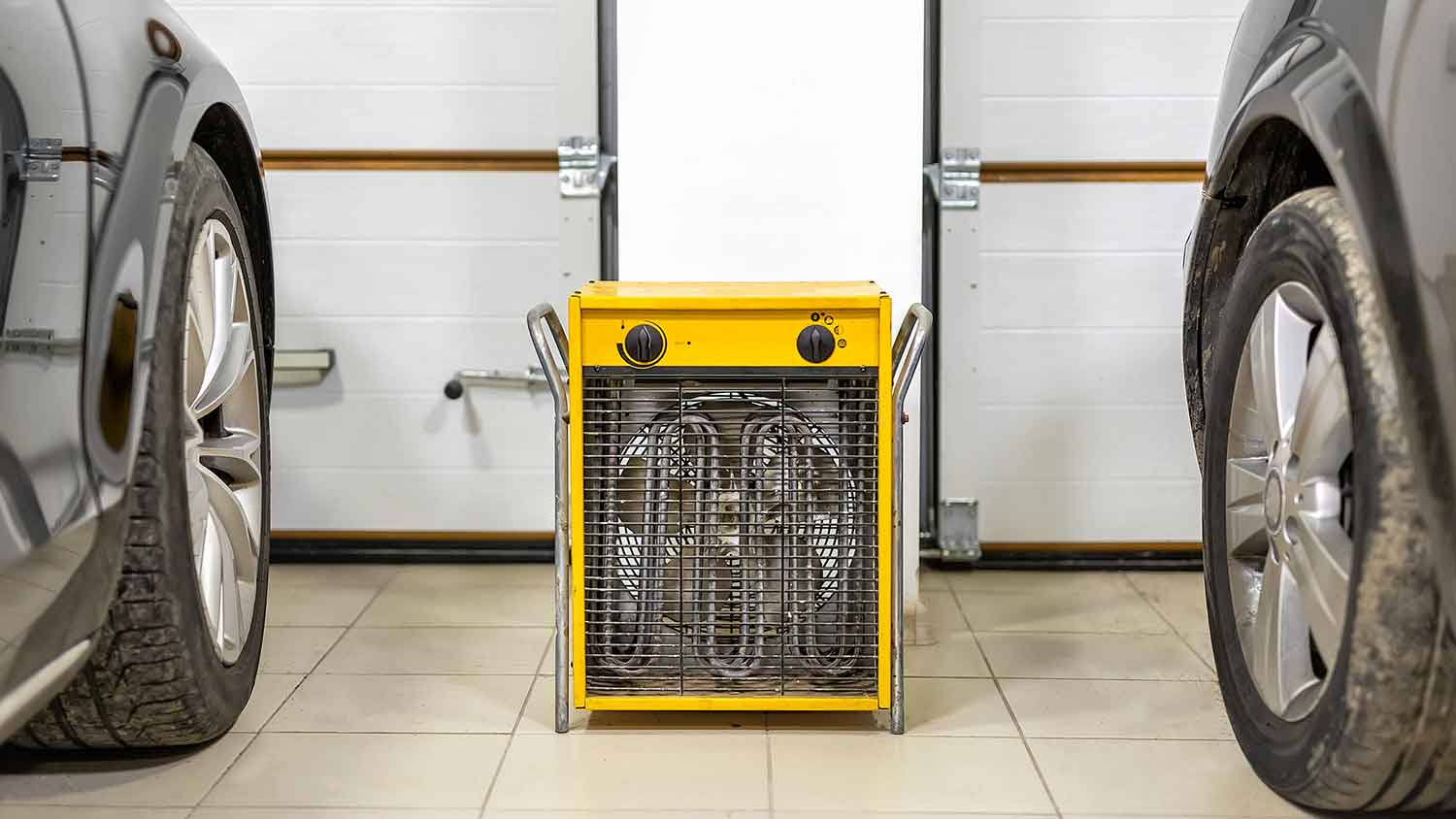
You may wonder, "Who do I hire to install an electric garage heater?" Use our advice to find the right professional to install your garage heater safely.
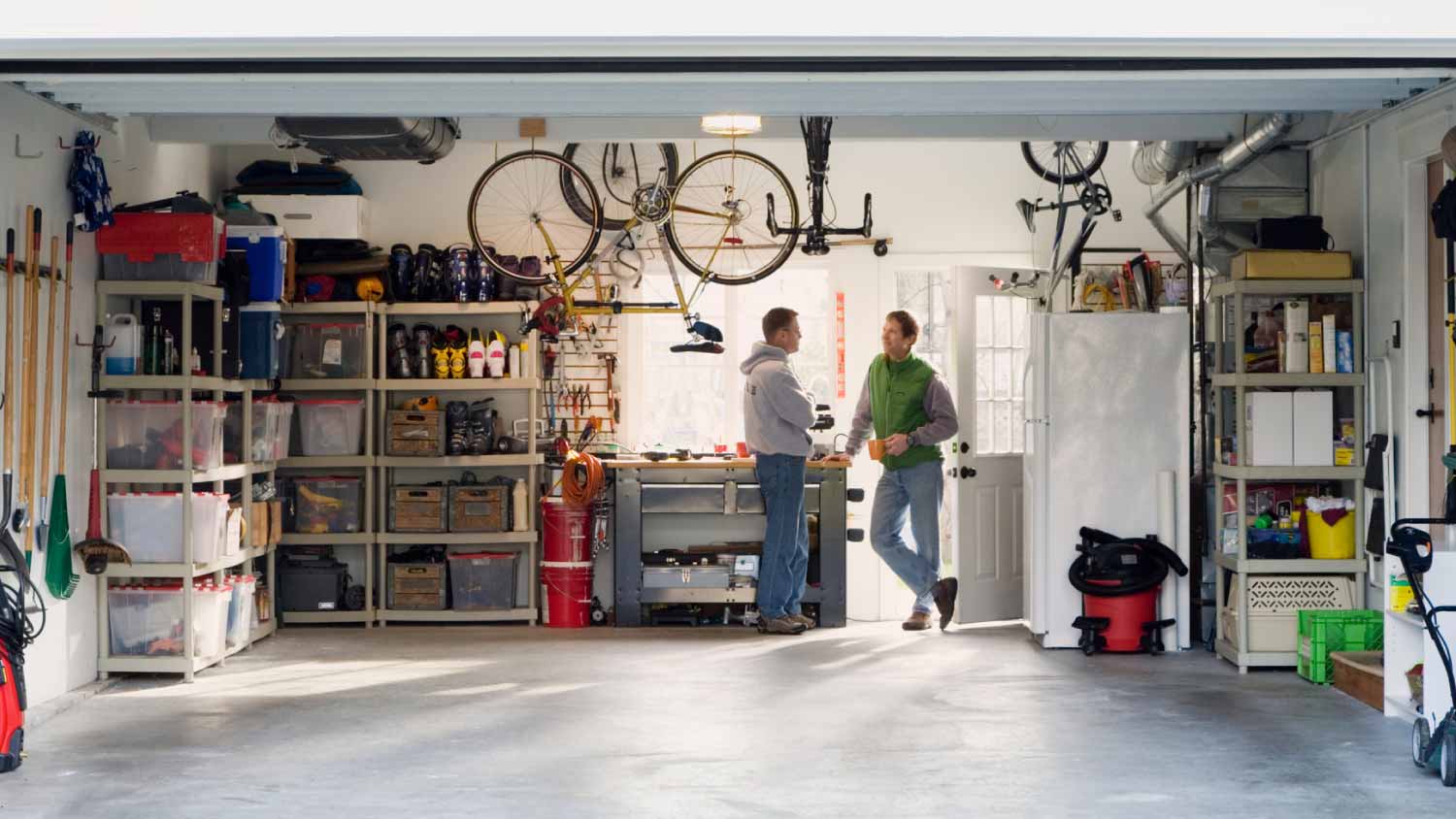
You can work in your garage all winter long with the help of a portable heater. Read our guide to see if you can repurpose your patio heater.
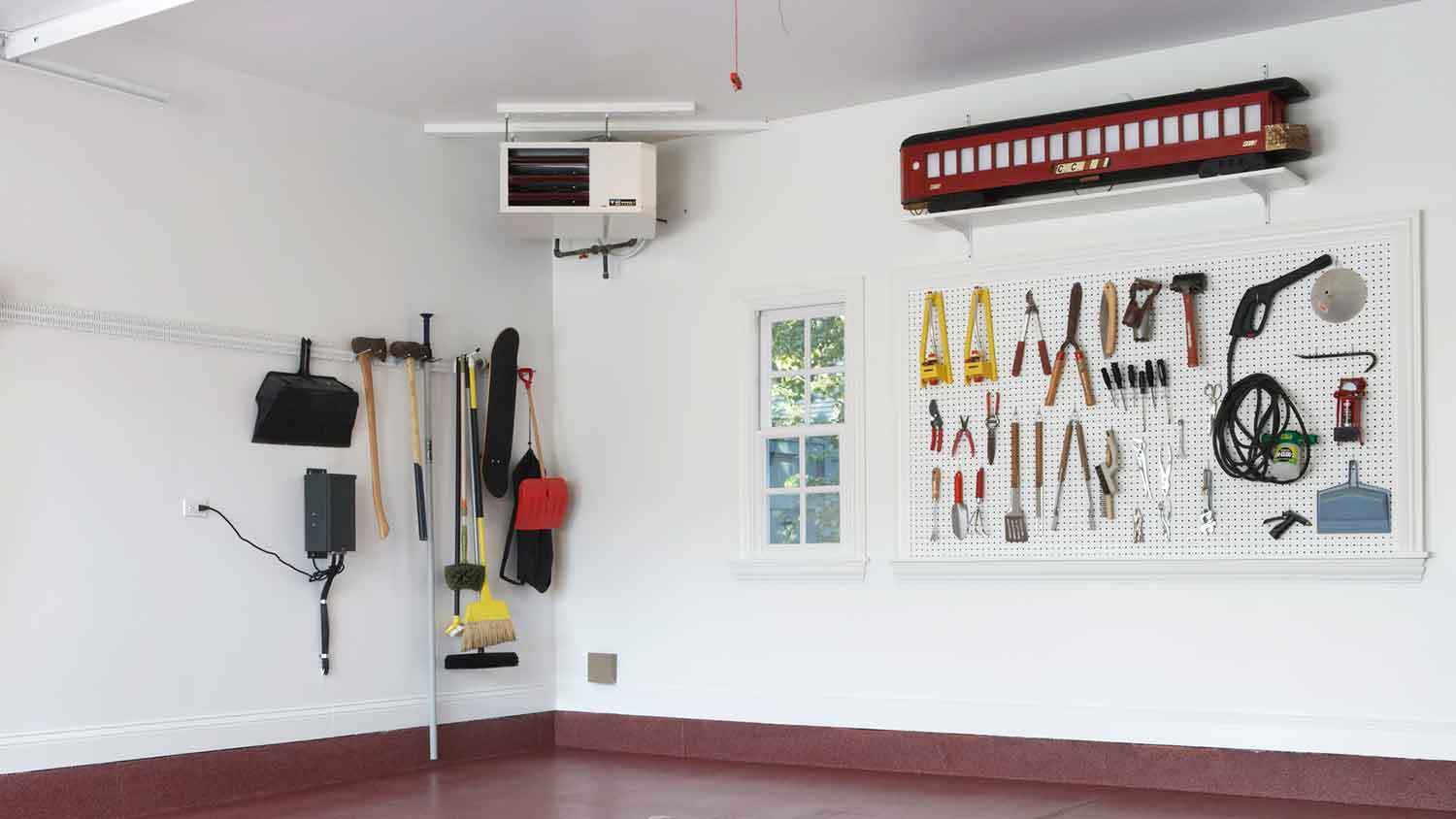
Make the most out of your garage by installing a garage heater for ultimate comfort. Our guide will walk you through the entire process.

When winter rolls around, you can enjoy the comfort of your garage with a propane heater. Our guide can help you ensure you’re using the heater safely.