

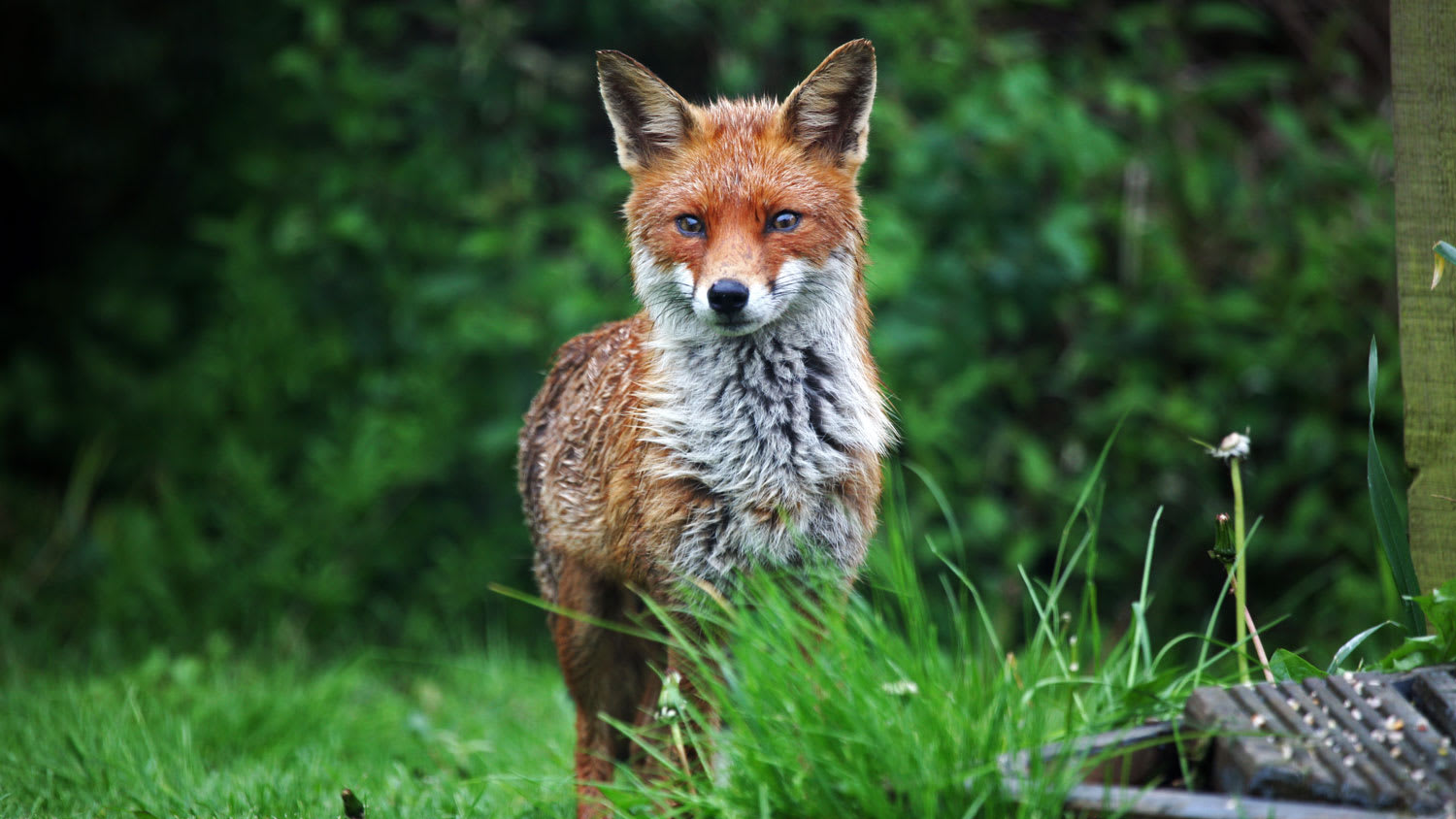
When calculating fox removal costs, factor in whether you take a DIY approach or call in the pros, the number of animals involved, and the location.
Animal removal costs depend on your project and location. Check with a local pro for your specific job.

Professional wildlife removal costs between $198 and $636 depending on access needs and your infestation severity overall.
Where pests nest in your home and how many follow-up visits you need drive your final price.
Budget for your repairs like drywall or insulation after removal, with costs ranging from $300 to $6,000.
Hiring a local skunk control professional keeps your household safe from diseases like rabies and Salmonella carried by wild animals.
In 2026, the national average cost of wildlife removal is $402, based on 7,827 verified projects from Angi Pros. Most homeowners pay between $198 and $636, with the spread driven by how long animals have been in your home, where they've nested, and how many follow-up visits are needed. After removal, budget for repairs such as drywall or insulation, which can range from $300 to $6,000 depending on the damage.
The cost to remove wildlife from your property depends on the species you are dealing with and the complexity of the exclusion process. Common cost drivers include the type of animal, the accessibility of its nesting site, and whether structural repairs are needed afterward. Understanding these factors upfront helps you budget accurately for trapping, cleanup, and any follow-up visits your pro recommends.
Many animal species would love to make your home or garden their permanent residence, and removal costs vary widely depending on the species. Each critter comes with its own removal methods, and humane options like live traps and exclusion are always preferable. The table below breaks down removal costs by animal type:
| Animal | Cost to Remove in 2026 |
|---|---|
| Bats | $230–$700 |
| Birds | $100–$300 |
| Groundhogs | $150–$200 |
| Moles | $100–$550 |
| Possums | $250–$500 |
| Rats and mice | $175–$550 |
| Raccoons | $400–$600 |
| Skunks | $300–$600 |
| Squirrels | $200–$600 |
Raccoon removal costs average $300 to $450 and cover live trapping, sealing home entrances, and relocation. Raccoons must always be removed by a professional — many states protect them by law and require proper removal and relocation procedures. Attempting to handle raccoons yourself risks both injury and legal penalties.
Squirrel removal costs range from $250 to $450, with pros using live trapping as the standard method. Squirrels are highly active once inside a home and must be removed quickly before they destroy walls, insulation, and siding while building their nests. Factor in repair costs on top of removal, since structural damage is common with squirrel infestations.
Skunk removal costs average $300 to $600, covering live trapping, sealing home entrances, and relocation. Skunks often find their way into crawlspaces and basements while foraging for mice, insects, or rats. Because their spray is notoriously difficult to eliminate, calling in a pro for skunk removal is strongly recommended, and you can use DIY tactics afterward to get rid of the skunk smell.
Possum removal costs $150 to $350, covering live trapping and sealing off your home from future visitors. Opossums can cause significant damage quickly, so identifying and removing them as soon as possible is essential. Ask your pro about exclusion measures at the same time to prevent re-entry.
Rat, mice, and rodent removal costs average $175 to $550, with live trapping as the most common removal method. Wildlife removal pros reserve poison as a last resort because it can harm humans and household animals. Act quickly to remove rats and mice, since they breed rapidly and a small problem can escalate fast.
Yard mole removal costs average $100 to $550, with live trapping and relocation being the standard approach. Less humane methods, such as poisonous bait and fumigation, are available but are rarely recommended. Because moles typically stay in your yard rather than inside your home, trapping them is often less expensive than removing animals from interior spaces.
Groundhog removal costs average $150 to $200 for live trapping and relocation. Like moles, groundhogs are easier to catch than animals nesting inside your home or crawlspace. Budget separately for repairs to your foundation, lawn, and house, since groundhogs can cause meaningful structural damage over time.
Bat removal costs average $230 to $700, covering live trapping, releasing the bat back into the wild, and sealing entry points to your home. Bats are a protected species, and killing them is illegal in many parts of the United States, so professional removal is not optional. Budget separately for bat-droppings cleanup, which can cost $600 to $8,500 depending on the size of the infestation.
Bird removal costs range from $100 to $300 for standard removal, but an active nest can cost up to $2,000. A wildlife pro will humanely remove an inactive nest, sanitize the area, and discard it. Preventative services like spike installation run $20 to $35 per 10 feet and are worth considering to keep birds from returning. Nests in hard-to-reach areas will push your costs toward the higher end of the range.
| Type of Bird | Removal Cost in 2026 |
|---|---|
| Crow | $100–$300 |
| Pigeon | $100–$3,000 |
| Robin | $100–$350 |
| House Martin | $300–$500 |
| House Sparrow | $300–$500 |
| Barn Swallow | $100–$650 |
| Woodpecker | $450–$650 |
Wildlife removal costs vary widely because there is no set price for dealing with unwanted house guests. Before any work begins, hiring a professional inspector to assess your property is the best way to determine the right course of action. The factors below will have the greatest impact on your final wildlife removal cost.
Animals nesting in your home can cause severe damage to walls, ceilings, insulation, electrical wiring, and ductwork. Repair costs vary widely depending on what was damaged and how long the infestation went undetected. The typical costs to repair damage from a wildlife infestation include:
Drywall repair costs: $300–$900
Insulation replacement costs: $1,100–$2,700
Electrical wiring repair costs: $2–$4 per square foot
Duct repair costs: $12–$25 per linear foot
Siding repair costs: $360–$1,500
Crawl space repair and cleaning costs: $2,000–$6,000
The longer animals have been living in your home, the greater the chance one has died inside, which adds to your removal complexity and cost. Dead animal removal runs $150 to $250, depending on accessibility, with the primary cost factor being how easy it is to reach the carcass. Expect to pay additional fees for animals in hard-to-reach spots, such as removing critters from your attic.
The number of animals in your home directly affects your total removal cost. Larger infestations require more traps, higher labor costs, and several follow-up visits to ensure every critter has been properly removed. Getting a professional inspection early helps you understand the full scope before committing to a removal plan.
A local animal removal service typically charges a flat fee of $150 to $250 for basic trapping and removal, with the primary cost factor being the animals' accessibility. Costs rise significantly when animals are in hard-to-reach places like attics, walls, or chimneys. These spaces include:
| Location | Cost in 2026 |
|---|---|
| Attic removal costs | $200–$1,500 |
| Inside walls removal costs | $375 on average |
| Chimney removal costs | $180–$560 |
Attic removal costs: $200–$1,500
Inside walls removal costs: $375 on average
Chimney removal costs: $180–$560
Hiring a wildlife removal pro near you costs $150 to $1,500, depending on the complexity of the job. Accessing wildlife in hard-to-reach areas is difficult without professional equipment, and some species carry diseases that make direct contact genuinely dangerous. Large infestations are especially time-consuming to contain, and a pro has the skills and tools to get your property back under control efficiently.
While hiring a pro tends to cost more than doing it yourself, it's much safer to stick with the professionals, and here's why:
Some wild animals are dangerous and can cause injury during trapping or release. For example, removing venomous snakes should only be handled by an expert.
Wild animals can carry diseases like rabies and Salmonella. Infected ticks, often found on certain animals, can even carry Lyme disease.
You could injure the wild animal.
Depending on the species, some wild animals must be released following specific protocols.
You might need a permit to relocate some wild animals.
Catching multiple wild animals can be a long and laborious process if you don't have the skills and equipment to do so effectively.
We don't recommend removing wildlife yourself. However, if the animal you want to remove isn't protected by state or federal laws, there are several steps you can take to remove it without the expertise of a pro:
Make sure you know local regulations for removing wildlife near you.
You may need to acquire prior authorization from the state park and wildlife department before releasing wildlife in a new location.
Wear safety equipment when handling wildlife to avoid exposure to diseases or injuries, including bite-resistant gloves and protective eyewear.
Investigate the area for signs of nests and offspring, as this could change the strategy for catching the wildlife.
Take photographs of the wildlife to help identify the type of wildlife on your property.
Purchase necessary supplies, like nets, capturing poles, cages, germicidal detergent, and graspers.
Make your property more accessible if you hire a pro.
Afterwards, take steps to prevent future wildlife, such as removing attractants like food sources, making it more challenging for animals to access habitats, and closing off access points.
While you should always consult a wildlife professional, there are ways to save on animal removal costs, including:
Interview at least three animal removal services to ensure you’re choosing the best service for your infestation.
Act fast and call a wildlife removal specialist at the first sign of an infestation. Swift action will stop animals from reproducing in your home.
Set and reset mouse traps quickly.
Humanely remove an inactive bird’s nest.
Check your home’s foundation for cracks and seal them up.
Seal off your roof, vents, and pipes from curious animals.
Be familiar with access points, number of critters, and any other pertinent information that can help your wildlife pro visualize the extent of the removal services.
Make sure that the pro you choose is well-versed in local, state, and federal regulations to ensure they have the credentials to remove wildlife from your property.
Be prepared to make your property as accessible as possible to ensure your pro can capture any wildlife quickly.
Anticipate discussing ways to prevent wildlife from re-entering your property at a later time.
Home is the most important place on earth, which is why Angi has helped more than 150 million homeowners transform their houses into homes they adore. To help homeowners with their next project, Angi provides readers with the most accurate cost data and upholds strict editorial standards. We’ve surveyed over 10,000 real Angi customers about their project costs to develop the pricing data you see, so you can make the best decisions for you and your home. We pair this data with research from reputable sources, including the U.S. Bureau of Labor Statistics, academic journals, market studies, and interviews with industry experts—all to ensure our prices reflect real-world projects.
Want to help us improve our cost data? Send us a recent project quote to [email protected]. Quotes and personal information will not be shared publicly.
One of my old tall evergreen trees was suddenly leaning toward the busy street in front of my house. I submitted a request for an emergency tree inspection, and Alejandro, owner of Cajete Tree Service, contacted me immediately and arrived to look at it just 20 minutes later. We agreed the...
 Cajete Tree Service LLC
Wonderful. I am going to have them remove and replace my driveway in the spring.
 All Star Paving and Sealing
Lyle did a great job removing asbestos shingles from our front porch roof. They worked together with our roofer to make sure that the new roof was able to be installed on the same day that Lyle removed the asbestos shingles.
 Lyle Environmental
Involved an extensive bathroom remodel, including removing tub & installing walk in shower, new drywall, custome tile work to ceiling, plumbing, etc. Overall, job was done on time and on budget. Nick & his team were very professional and had high attention to detail. Quality was great. Highly...
 Stamos Flooring and Remodeling LLC
Extremely well. Ohio Tree Care is my go to company for all tree care and snow removal services. they are professional, knowledgeable and affordable. I manage five camps in 33 counties and Ohio Tree Care has serviced every one of our properties. Highly recommend.
 Ohio Tree Care Inc
A team of 2 spent 5 hours, cleaning top to bottom (removed all light fixture and cleaned.... impressive!!!)
 Luzia's Cleaning
I would have given an "A" rating were it not for the devil being in the details. 1. The van rear doors, when open, expose the track area and that had not been cleaned. Noticeable only when you look for it and then it's obvious. 2. Was able to get 99.5% of the dog hair out of the cargo area...
 614 Detail
Great Job!!! Martin called me after I requested a estimate on Home Advisor. He was very professional and actually went the same day and looked at the tree I needed removed gave us a estimate and I felt it was very aggressive so I did not even call for any other bids. I asked him how soon he...
 Reyes Tree Service LLC - Home Facebook
Mike and his crew did a great job working through a very challenging task. The job required a full demolition of our ceiling, removing the blown in insulation and removing all the material from the site daily. It involved multiple inspections from the city and many challenges to get the...
 Rising Height Unlimited
Removed various items (furniture, lamps, other junk) from my home. They were on time, personable, professional, etc. I can't say enough positive things about this company. <br />
From average costs to expert advice, get all the answers you need to get your job done.
When calculating fox removal costs, factor in whether you take a DIY approach or call in the pros, the number of animals involved, and the location.

When budgeting for possum removal costs, consider number of animals, location, method of removal, and whether you do it yourself or hire a professional.
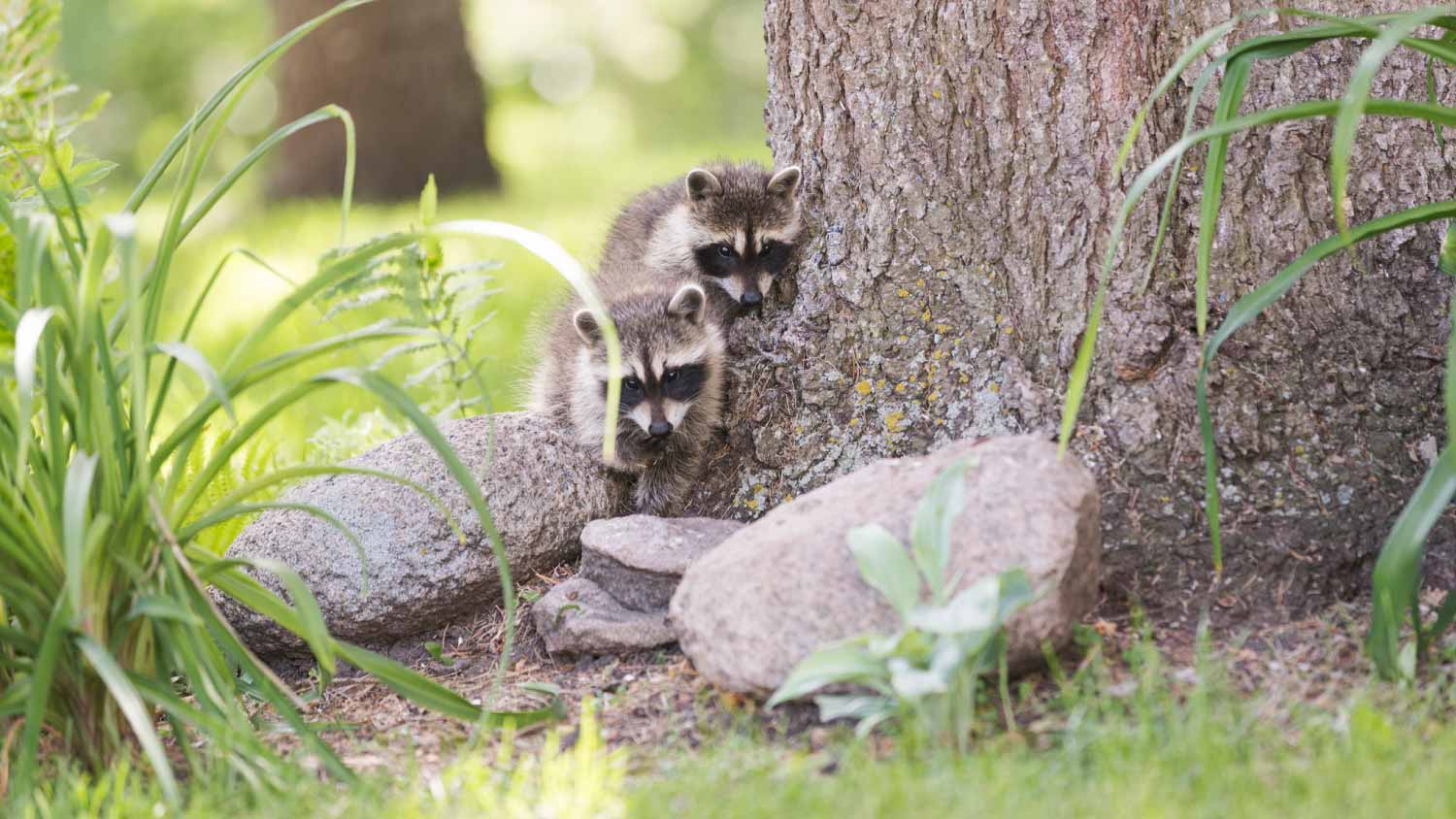
Raccoons on your property can cause a lot of damage to your home and yard. This guide breaks down raccoon removal costs so you can budget accordingly.

Find out how to keep unwanted animals out of your yard with these easy tips and tricks so you can enjoy your property in peace.
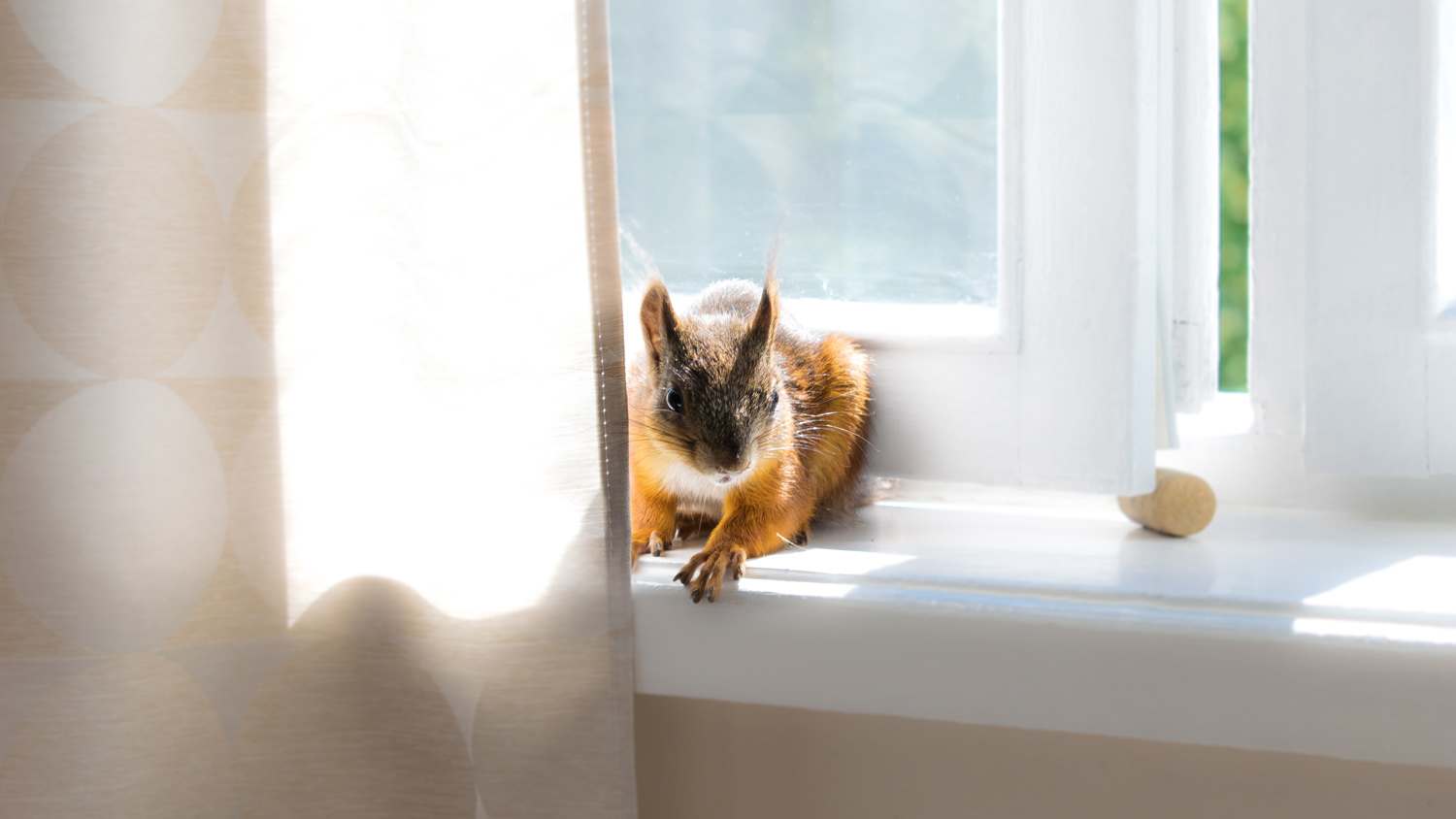
Using this guide, you’ll learn who to call for a wild animal in the house. The answer comes down to what type of animal has entered the home.
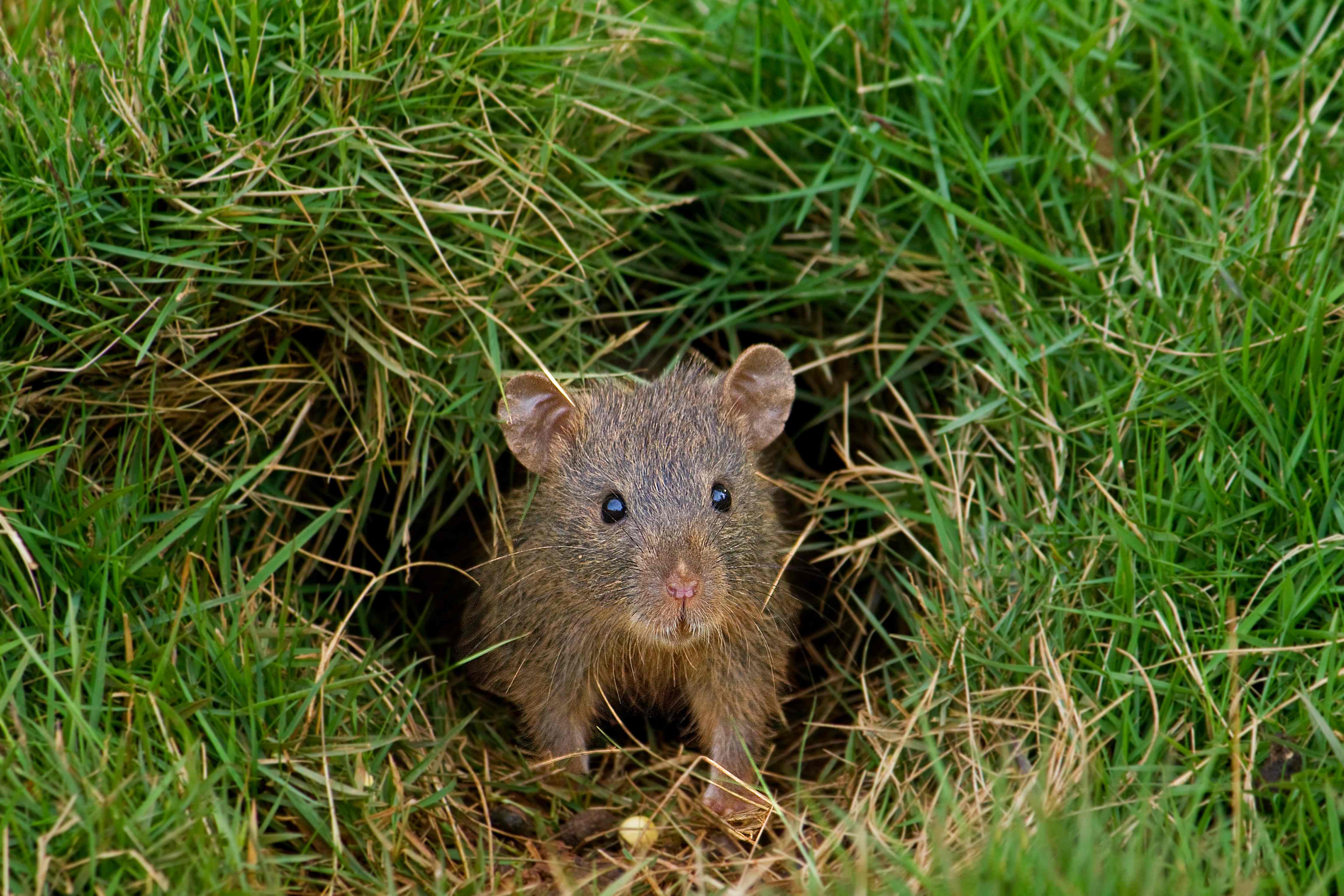
Dealing with unwanted wildlife? Learn how to hire a wildlife removal pro, compare experience and costs, verify credentials, and ensure safe, humane removal.