
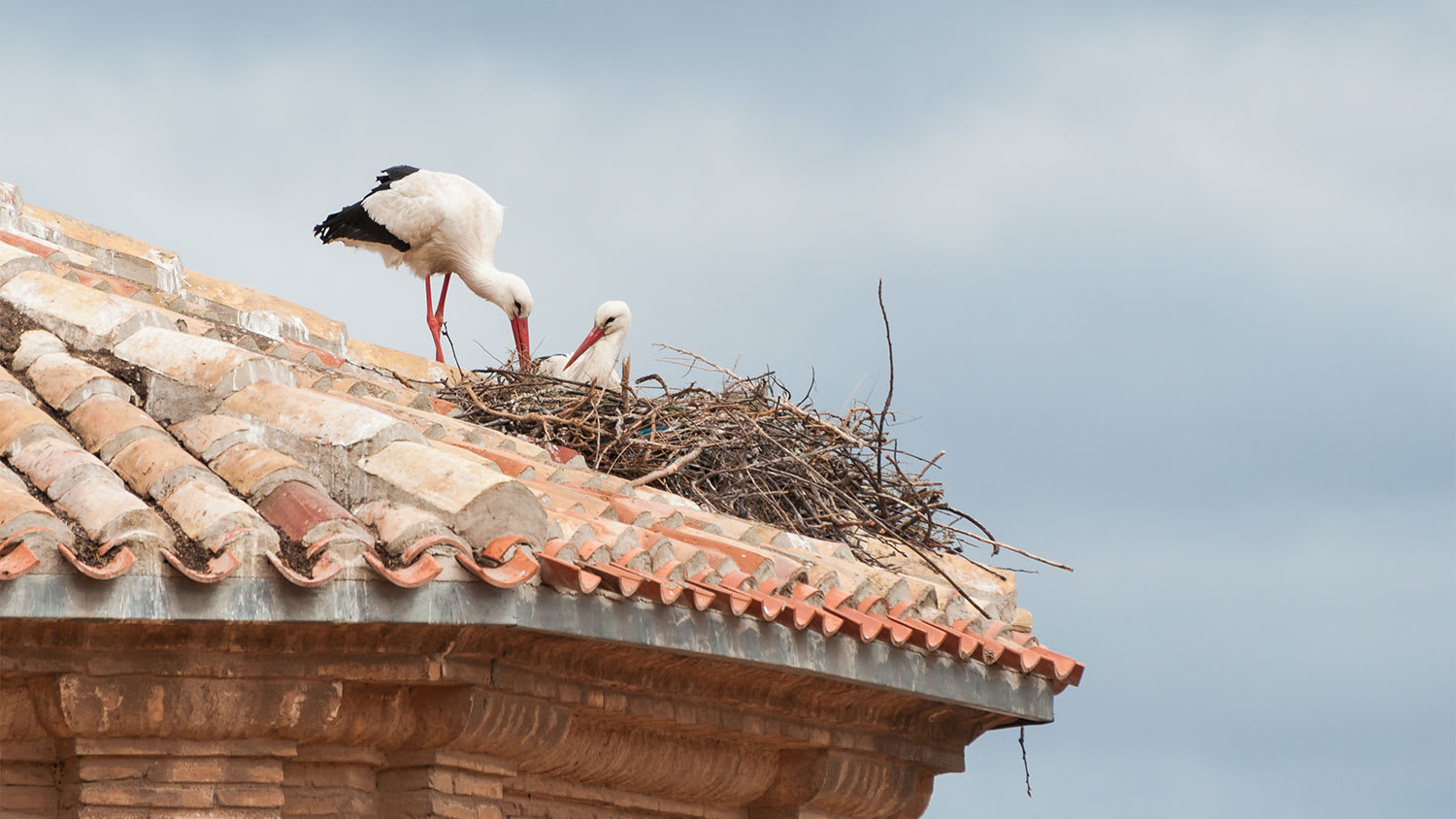
Sometimes birds nest in unwelcome places. Find out how much bird nest removal will cost based on factors like location, bird species, and preventative measures.
Get rid of a bird’s nest in just a few steps

Removing a bird nest from your house requires checking federal protection laws first, as active nests with eggs or chicks are protected by law.
Bird nest removal costs range from $100 to $2,000 depending on location and accessibility, so addressing concerns early helps you plan ahead.
You can prevent future nesting by securing vents with mesh screens, clearing underbrush, installing gutter guards, and using visual repellents around your property.
Hiring a local wildlife control professional provides peace of mind with humane nest relocation and legal compliance, keeping your home protected without harming wildlife.
As a homeowner, birds are a vital part of your backyard’s ecosystem. Many homeowners try to attract birds to their yards because they are excellent pollinators and eat unwanted insects that can ravage your plants.
While birds provide great viewing pleasure, you might not want them nesting close to your home. If you’ve found a nest in a dangerous spot or want to remove a vacant nest, learn how to get rid of a bird’s nest below.
First, familiarize yourself with the U.S. Fish and Wildlife Service’s Migratory Bird Treaty Act (MBTA). This act makes it illegal to destroy a nest currently inhabited by bird eggs or chicks, or if young birds depend on the nest for survival. In addition, the MBTA also restricts removing or destroying the nests of certain species of migratory birds altogether.
We recommend consulting a wildlife removal pro in your area to safely and humanely (and legally) remove an active or inhabited bird’s nest that’s in an unsafe area like a chimney, drainage pipe, car bumper, or busy walkway.
If you’re unsure how to identify whether a bird’s nest is active or if a species has protection under conservation laws, you should call a local wildlife professional before getting started.
Follow the steps below for inactive nests only. If you have an active nest in a dangerous location that needs to be moved, you’ll have to call in a local rescue organization or professional bird removal company near you to ensure proper and humane relocation.
As per the MBTA, it is illegal for homeowners to relocate active birds’ nests (yes, even on your property).

Make sure the nest is completely empty with no eggs present and inactive (there are no eggs, babies, or adult birds present for several days) before attempting to remove it. If possible, you should wait until the nesting season is over. Spring is the typical mating season for most bird species.
Put on long sleeves, long pants, latex gloves, and a respiratory mask. Bird droppings can leave behind bacteria and viruses that are dangerous to humans, according to Washington State University. Also, mites or other active parasites may be camping out in the nest.
Spray abandoned nests with an antibacterial spray and carefully remove them. Now, you can compost the nest (leaving it outside to naturally decay) or get rid of it entirely by putting it in a sealed trash bag and throwing it away.

Take a strong disinfectant or bleach and clean the nesting area if on a surface. A solution of 1 part chlorine bleach with 9 parts water works well. Let the area dry (but don’t rinse it).
Afterward, wash up. Remove your gloves, throw them away, and scrub your hands. Take your clothes and wash them immediately in hot water.
Once the nesting space is clean, you’ll want to add humane repellents to the same spot to deter birds from nesting there again.
Use bird repellent: You can buy a cruelty-free repellent gel for surfaces made with white pepper and mineral oil that deters birds from nesting in that area for around $25.
Add bird control spikes: Stainless steel blunted spikes aren’t harmful to birds but deter them from nesting. You’ll pay $90 to $140 for spike installation.

There’s nothing better than sipping a cup of coffee on a Saturday morning and watching beautiful birds in your garden.
Birds provide many benefits to local ecosystems and habitats. Not only do they pollinate plants and disperse seeds, but they also keep bug and pest populations under control by feeding on various rodents, insects, and small animals.
Nesting birds are more likely to make your house their home when you:
Add seeds, birdhouses, and bird baths to your yard
Plant elms, willows, and birch trees
Add bright, colorful flowers to your garden—especially those prime for pollinating, such as cosmos and zinnias
Kick chemicals to the curb by forgoing conventional pest and weed control sprays

You can take steps to prevent birds from starting their nests in and around your home, including:
Lock trash can lids and clear your yard of food or scraps.
Go light on the bird seed. Place bird feeders and bird baths at a reasonable distance from your home.
Look out for nests and remove them before birds finish building them (just make sure there are no eggs or inhabitants yet).
Use an insecticide to keep bugs and pests away from your home (birds mainly feast on these bugs). Remember to limit the amount of insecticide you use to reduce chemical contamination around your property.
Cover all vents and exposed roofing with mesh screens.
Clear out underbrush, shrubs, and sticks ripe for building a nest.
Install guards on your gutters and downspouts.
Place visual repellents around your yard, such as plastic owls, snakes, and hawks. Move them around frequently, so birds don’t get comfortable around them.
Purchase a hanging bird diverter. The reflective foil humanely scares birds away.
Depending on the location (and how hard it is to reach), bird nest removal costs between $100 to $2,000. The most common places birds like to nest are chimneys, eaves (roof overhang), roofs, vents, attics, and gutters.
Before deciding to remove a bird’s nest, consult your local Department of Natural Resources first. In many places, moving an active bird’s nest is illegal, even if it is on private property. If there’s an immediate danger to the birds or eggs from pets or maintenance equipment, it might be all right to move the nest to a safe location, but doing some research first is a good idea.
If you’re not up for too much homework, hire a pro for the job instead. Remember, a mother bird will be protective of her young and might see you as a threat. A dive-bombing bird can cause injury, so take that into consideration when you’re making your plan.
To ensure a wildlife conservation pro or a local animal removal specialist will humanely get rid of an active bird’s nest, ask these questions:
Are you trained in bird’s nest removal?
Are you licensed and insured?
Are you well-versed in the Migratory Bird Treaty Act?
Do you use non-harmful techniques to remove and relocate birds’ nests?
One of my old tall evergreen trees was suddenly leaning toward the busy street in front of my house. I submitted a request for an emergency tree inspection, and Alejandro, owner of Cajete Tree Service, contacted me immediately and arrived to look at it just 20 minutes later. We agreed the...
 Cajete Tree Service LLC
Wonderful. I am going to have them remove and replace my driveway in the spring.
 All Star Paving and Sealing
Lyle did a great job removing asbestos shingles from our front porch roof. They worked together with our roofer to make sure that the new roof was able to be installed on the same day that Lyle removed the asbestos shingles.
 Lyle Environmental
Involved an extensive bathroom remodel, including removing tub & installing walk in shower, new drywall, custome tile work to ceiling, plumbing, etc. Overall, job was done on time and on budget. Nick & his team were very professional and had high attention to detail. Quality was great. Highly...
 Stamos Flooring and Remodeling LLC
Extremely well. Ohio Tree Care is my go to company for all tree care and snow removal services. they are professional, knowledgeable and affordable. I manage five camps in 33 counties and Ohio Tree Care has serviced every one of our properties. Highly recommend.
 Ohio Tree Care Inc
A team of 2 spent 5 hours, cleaning top to bottom (removed all light fixture and cleaned.... impressive!!!)
 Luzia's Cleaning
I would have given an "A" rating were it not for the devil being in the details. 1. The van rear doors, when open, expose the track area and that had not been cleaned. Noticeable only when you look for it and then it's obvious. 2. Was able to get 99.5% of the dog hair out of the cargo area...
 614 Detail
Great Job!!! Martin called me after I requested a estimate on Home Advisor. He was very professional and actually went the same day and looked at the tree I needed removed gave us a estimate and I felt it was very aggressive so I did not even call for any other bids. I asked him how soon he...
 Reyes Tree Service LLC - Home Facebook
Mike and his crew did a great job working through a very challenging task. The job required a full demolition of our ceiling, removing the blown in insulation and removing all the material from the site daily. It involved multiple inspections from the city and many challenges to get the...
 Rising Height Unlimited
Removed various items (furniture, lamps, other junk) from my home. They were on time, personable, professional, etc. I can't say enough positive things about this company. <br />
From average costs to expert advice, get all the answers you need to get your job done.
Sometimes birds nest in unwelcome places. Find out how much bird nest removal will cost based on factors like location, bird species, and preventative measures.
Bird netting and fake owls help to keep your seeds safe, but read on to learn other unconventional ways to keep birds from eating grass seed.
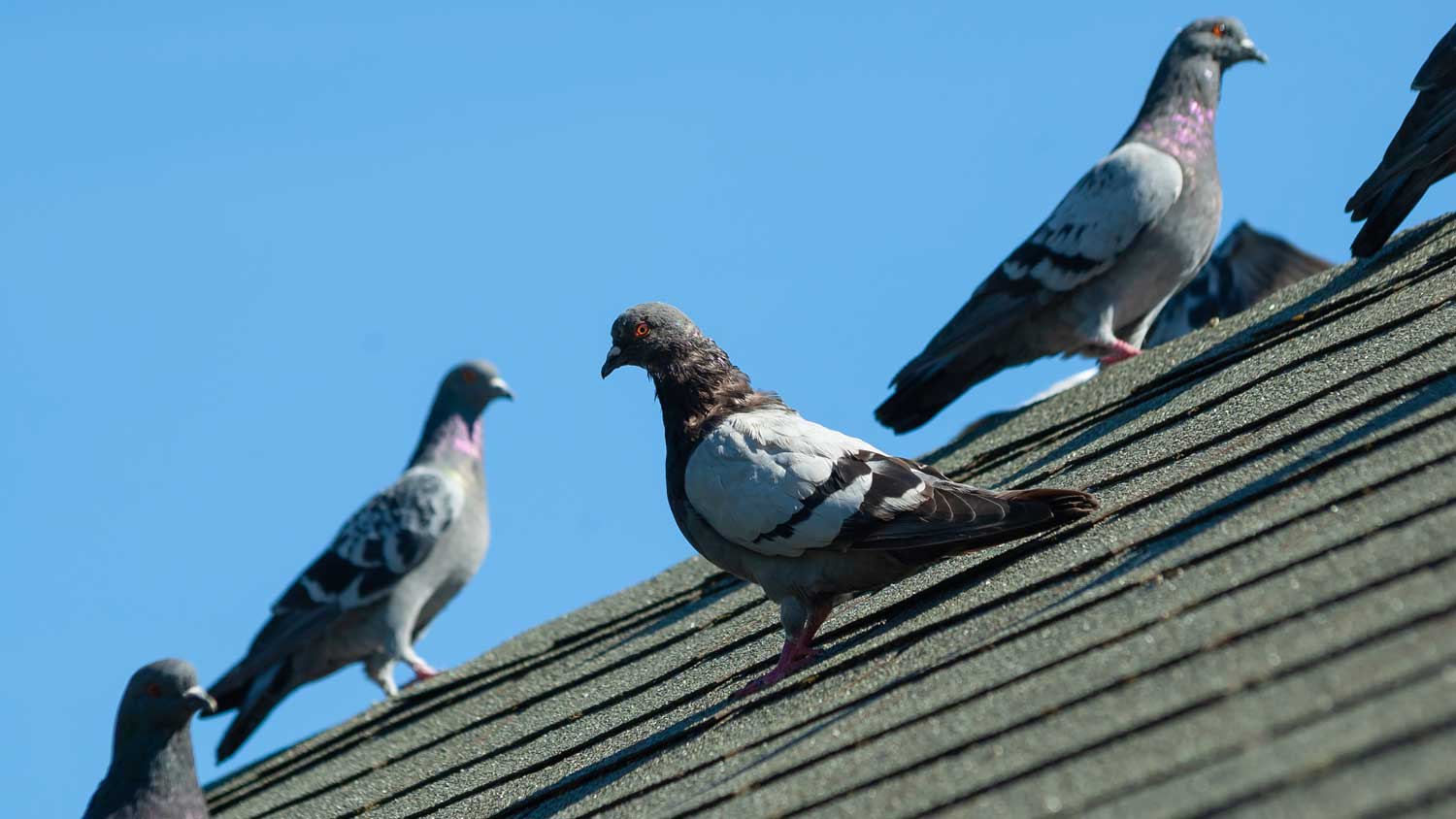
Discover effective methods for how to get rid of birds. From cleaning your yard to adding decoys, learn about humane strategies to shoo avian guests.
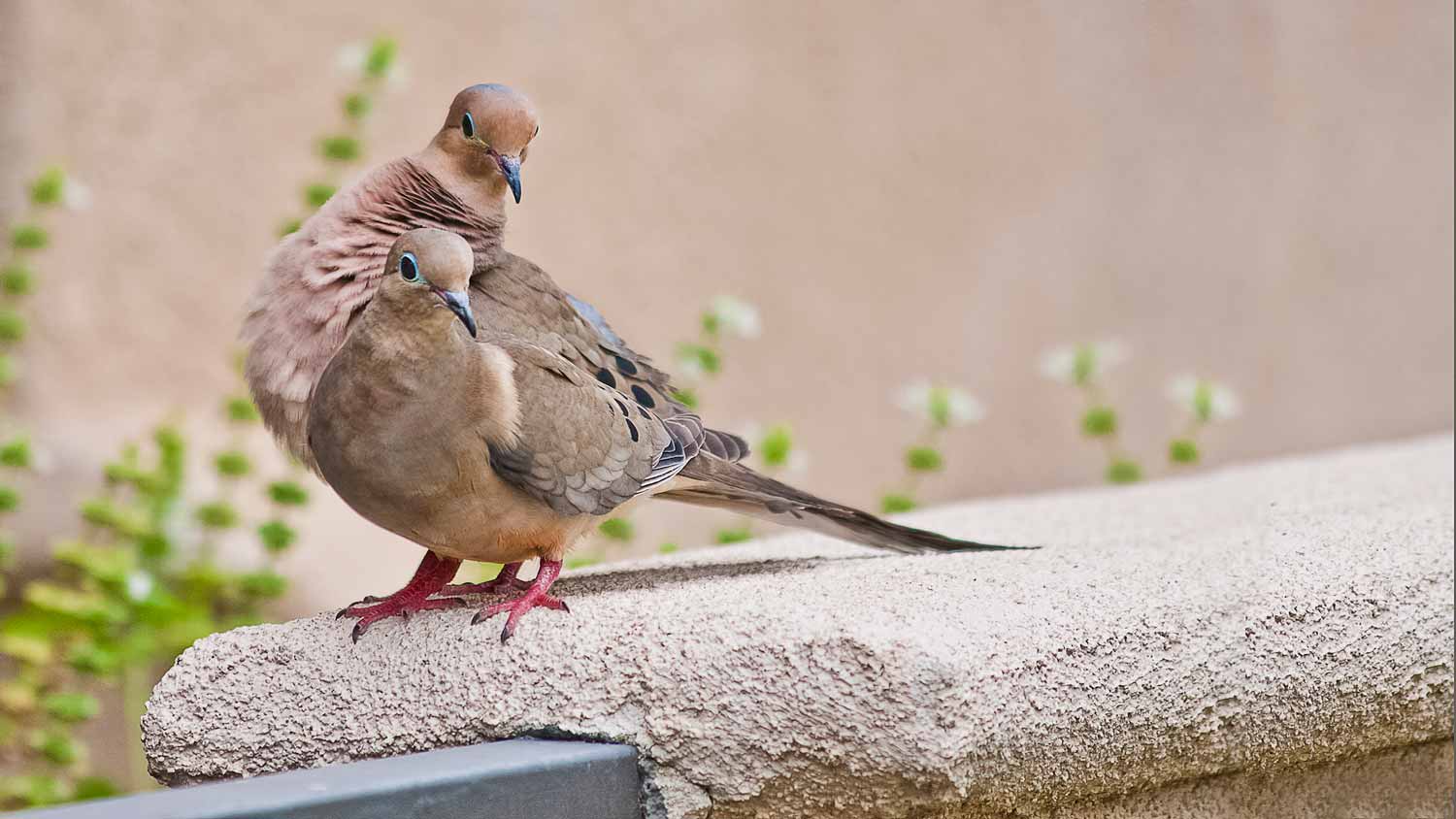
Tired of birds taking over your space, creating noise, and leaving messy droppings? Learn how to keep birds off your porch with this simple guide.
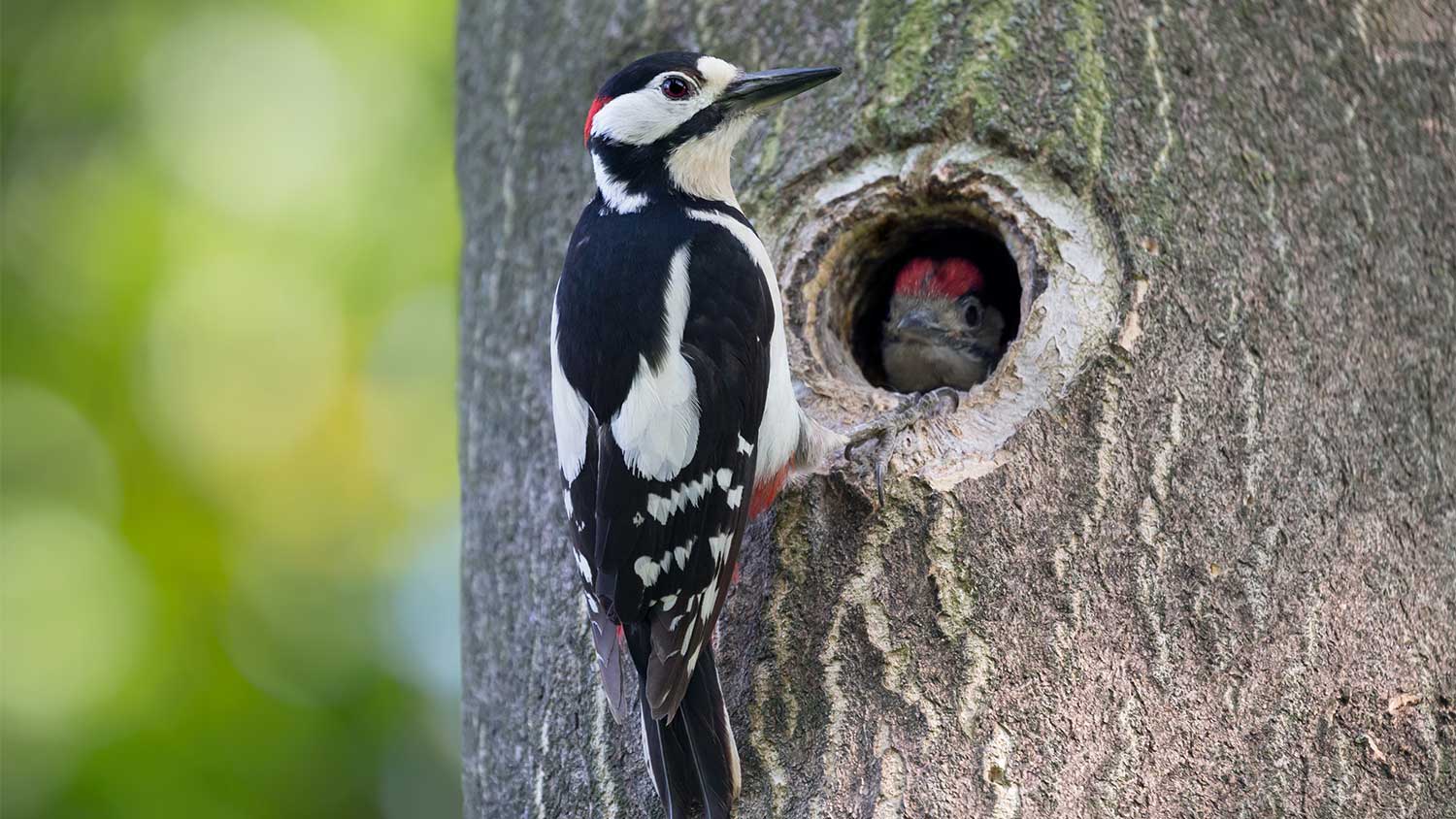
Woodpeckers are pretty birds with a bad habit of drilling holes all over your property. Here's how to get rid of woodpeckers humanely—and for good.

If pigeons have taken over your yard, it’s time to send them packing. Find out how to humanely get rid of pigeons and reclaim your space.