

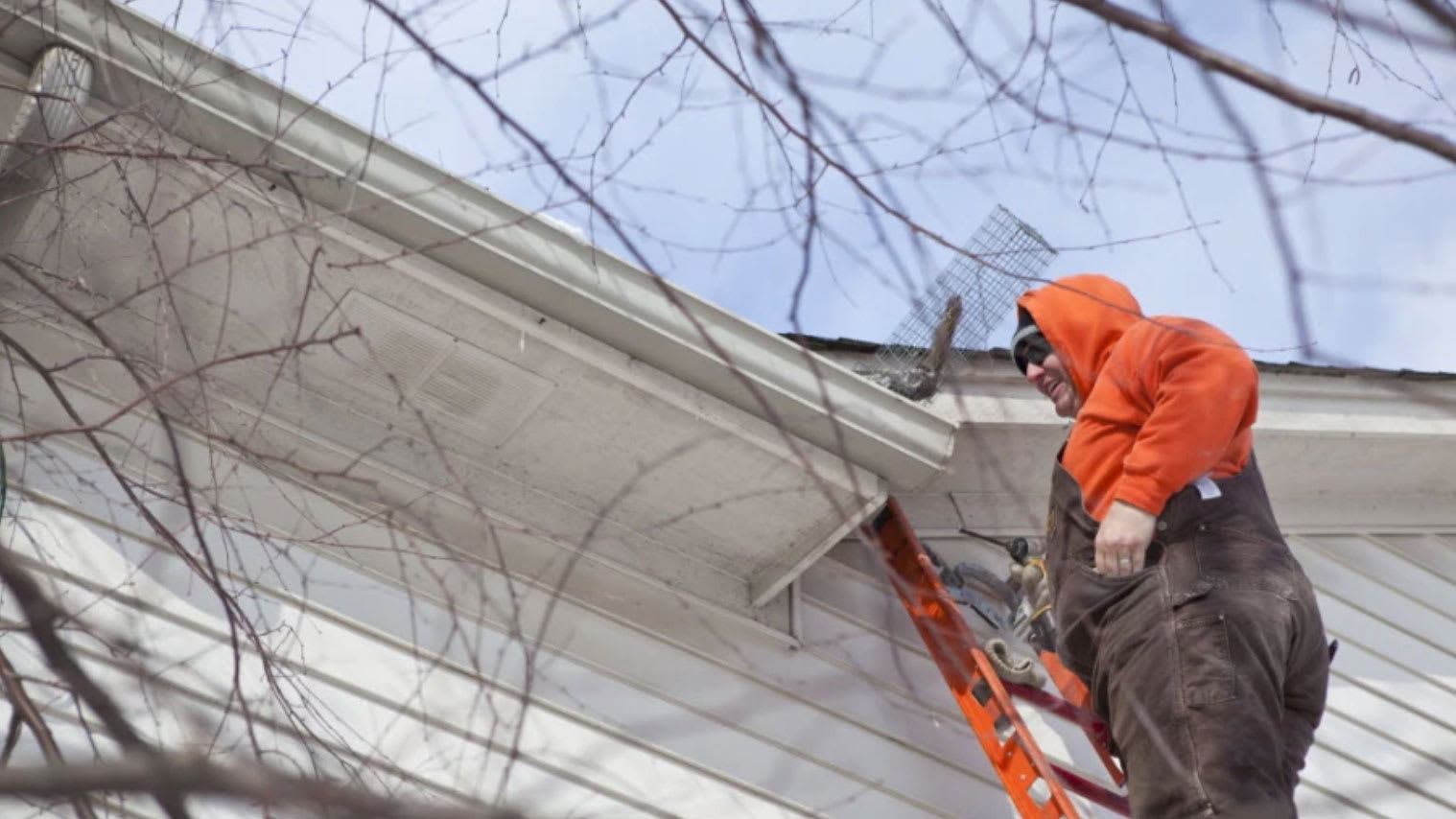
When calculating wildlife removal costs, you’ll need to consider the type, size, and amount of animals. Our guide will show you the wildlife removal cost.
Animal removal costs depend on your project and location. Check with a local pro for your specific job.

Professional squirrel removal costs between $250 and $450, and your total depends on method and squirrels.
Squirrel location affects your price, ceiling infestations cost more than attics because traps take longer to place.
Plan your budget for inspection fees and prevention work, plus repairs, which can add $150 to $1,000 or more.
Hiring a local squirrel control professional helps remove squirrels safely and reduces risks from structural damage and health hazards.
In 2026, the national average cost for squirrel removal is $300, with most homeowners spending between $250 and $450 depending on the removal method, number of squirrels, and their location in your home. Budget extra for inspection fees, prevention work, and any repairs, which can add $150 to $1,000 or more to your total.
How much you spend on squirrel removal depends on several factors, including the removal method, the size of the infestation, and the location. Understanding each factor helps you build a realistic budget before calling a pro.
The methods used to remove squirrels affect your final bill. Local squirrel control professionals may use a multi-pronged approach, depending on the location and extent of the infestation, local laws, and what you're comfortable with them doing. Here’s what to know about the most common squirrel removal methods:
Trap-and-release: This common and effective strategy costs $200 to $500. It involves setting up baited traps before relocating the critters to a suitable location. You need a license in many states to trap and relocate, so this job is best left to the professionals.
One-way doors: Costs range from $200 to $400. The pros can help you identify squirrel entry points into your home and install doors that let the critters out but not back into the property. While the pros might not need to return, they often have to make adaptations to install these doors, and the extra time and equipment add to the costs.
Squirrel-specific snap traps: This is the least expensive option, costing up to $300 (but can be much less if you DIY). However, if the pros are involved, they might need to return to deal with snapped traps and reset them. And, of course, snap traps aren't as humane as the other options.
Dead squirrel removal: Professional removal of a dead squirrel in a difficult-to-reach place on your property costs $150 to $250.
The table below breaks down squirrel removal method costs:
| Squirrel Removal Type | Average Cost in 2026 |
|---|---|
| Trap and release | $200–$500 |
| One-way door | $200–$400 |
| Snap traps | Up to $300 |
| Dead animal removal | $150–$250 |
The cost to trap a family of squirrels is usually higher than getting rid of one pesky visitor because it requires extra time for setup and repeat visits. The pros might also need additional equipment. The table below breaks down the cost to remove squirrels based on the number of critters:
| Amount of Squirrels | Removal Cost in 2026 |
|---|---|
| Single | $200–$300 |
| Small group | $300–$450 |
| Large nest | $450–$600 |
| Infestation | $600+ |
Where squirrels are nesting on your property is one of the biggest drivers of removal cost, with prices ranging from $200 to $300 for easy-to-access trees up to $600 or more for wall cavities or chimneys. Removing a nest from a hard-to-reach spot in your attic costs $300 to $500. The more difficult it is to set up and access traps, the higher your final bill will be. Here’s a breakdown of squirrel removal costs by location:
| Location | Cost in 2026 |
|---|---|
| Attic | $280–$920 |
| Chimney | $210–$400 |
| Ceiling | $775–$1,550 |
| Roof | $225–$325 |
| Basement | $225–$325 |
| Crawl Space | $600 or more |
| Garage/Shed | $300–$600 |
Labor costs for squirrel removal vary by company—some charge per trapped animal while others bill by visit. Additional charges may apply for trap setup time, squirrel relocation, or adjustments needed for one-way door installations.

Beyond the base removal fee, the extent and location of your squirrel situation can bring additional expenses into play. Factoring these costs into your budget upfront helps you avoid surprises once the work begins. Here is a breakdown of common additional cost factors when hiring a pro for squirrel removal:
| Additional Cost Factor | Average Cost in 2026 |
|---|---|
| Inspection | $100–$150 |
| Repairs | $100–$1,000 or more |
| Preventative measures | $50–$300 |
| Supplemental visits | $150–$1,000 |
| Flea extermination | $75–$400 |
If you suspect squirrels have set up a home inside your house, a professional inspection costs between $100 and $150. A nest in a tree is usually easy to spot, but hidden infestations inside walls or attics often require a closer look. Some companies waive the inspection fee when the presence of squirrels is obvious and begin removal work immediately.
Squirrel damage can range from minor gnawing on shingles to major holes in your roof, siding, drywall, or electrical wiring. If squirrels have been living in your home for a while, repair bills can add up quickly across multiple areas of the house. Some repair costs you could be looking at include:
Roof repair costs: $150–$1,000
Attic cleaning costs: $150–$1,000
Rewiring costs: $2–$4 per square foot
Siding repair costs: $2–$16 per square foot
Drywall repair costs: $300–$900
An integrated pest management strategy is the best way to prevent future squirrel problems, and preventative measures could cost another $50 to $300 depending on what you need to put in place. This means thinking about how to keep squirrels away from your home and how to keep squirrels away from your yard, not just removing the ones already there. Professionals can advise on chemical or ultrasonic repellents, blocking access holes, and eliminating attractants.
If your property is in a squirrel hotspot, follow-up visits from a removal company cost $150 to $1,000 annually. The frequency of visits will determine your total bill, so discuss a schedule with your pro based on how active the squirrels are in your area.
Some states require special permits for trapping or exterminating certain squirrel species, so it is important to check your local regulations before starting any removal work. If you are going the DIY route, you may need to pay for the permit yourself before setting any traps.
Squirrels can carry ticks, lice, and fast-spreading fleas, so a nest inside your wall cavities may leave behind more than just structural damage. Flea extermination costs $75 to $400, making it a worthwhile line item to include in your budget if squirrels have been living inside your home.
When you call an animal removal service near you, it is worth checking whether other critters have also set up a home on your property. Bundling multiple species into one service call can save you money compared to scheduling separate visits. Other common pest control costs include:
Skunk removal costs: $300–$600
Rat removal costs: $175–$580
Mole removal costs: $100–$550
Groundhog removal costs: $150–$200
Bat removal costs: $225–$715
Even if you don't want to do full DIY squirrel removal, there are ways you can cut costs on the final bill.
Buy and set up traps yourself: Some pros may be happy just to come to do the relocation part.
Get multiple quotes: Ask for prices from at least three reputable, licensed animal removal companies rather than settling on the first one you contact.
Be on point with preventatives: Don't forget to seal up entry points and remove squirrel attractants. Otherwise, you might be calling in squirrel control again in a few weeks or months.
While removing a squirrel yourself might be tempting due to its lower cost, the potential risks of damaging your property, hurting yourself, or simply failing to remove the rodent could hit you with far higher expenses and time wasted. Meanwhile, hiring a wildlife control company for squirrel removal is far more efficient and hassle-free. On average, hiring a pro to remove squirrels on your property costs between $50 and $100 . Adding preventative measures may result in an additional $50 to $300 bill.
There are many reasons why hiring a wildlife control company for squirrel removal is a wise decision. The main advantages of doing so include:
Suresafe removal: A pro is guaranteed to remove the offending rodent completely and properly.
Can spot other pests: A pro knows what to look for. Therefore, they might spot traces of other pests that have been visiting your home.
Early repairs: A pro can spot areas the squirrels have damaged, and either handle repairs themselves or refer you to someone else. The point is, you won't be sitting with damaged siding or exposed cords until they turn into bigger problems.
Preventative measures: Most pros will offer you suggestions on preventative methods you can either purchase and install yourself after the removal, or add onto your service agreement with the pro.
DIY squirrel removal can be tricky, depending on how deeply the squirrels have invaded your home. Here are a few simple DIY methods to get rid of the furry pests:
Baits and traps: Place squirrel baits and traps in your yards to lure them out and capture them.
Block entry points: If squirrels have gained access to your siding and walls, identify the potential entry points and seal them to prevent further intrusion.
Assess and repair any damage: Check for damaged siding, chewed up insulation, broken cords and wiring, etc. You might need to hire a pro for specific repairs.
Seal your trash cans: Squirrels are scavengers, so it's important to prevent any access to your trash or food waste.
Spray some repellent: There are squirrel repellents you can use. However, the efficiency of these products is questionable, and the chemicals may cause more harm than good. Use with caution.
Ask for an on-site inspection so the pro can check for other pests and damages
Check for the cost of preventative measures and follow-up services
Get multiple quotes from different pros so you can have the best deal. Some may also price-match competitors.
Check insurance, licensing, and past customer reviews for quality control.
Ask for referrals if additional repairs are needed from a roofer or siding expert.
Schedule your removal.
Home is the most important place on earth, which is why Angi has helped more than 150 million homeowners transform their houses into homes they adore. To help homeowners with their next project, Angi provides readers with the most accurate cost data and upholds strict editorial standards. We extensively research project costs to develop the pricing data you see, so you can make the best decisions for you and your home. We rely on reputable sources, including the U.S. Bureau of Labor Statistics, academic journals, market studies, and interviews with industry experts—all to ensure our prices reflect real-world projects.
Want to help us improve our cost data? Send us a recent project quote to [email protected]. Quotes and personal information will not be shared publicly.
One of my old tall evergreen trees was suddenly leaning toward the busy street in front of my house. I submitted a request for an emergency tree inspection, and Alejandro, owner of Cajete Tree Service, contacted me immediately and arrived to look at it just 20 minutes later. We agreed the...
 Cajete Tree Service LLC
Wonderful. I am going to have them remove and replace my driveway in the spring.
 All Star Paving and Sealing
Lyle did a great job removing asbestos shingles from our front porch roof. They worked together with our roofer to make sure that the new roof was able to be installed on the same day that Lyle removed the asbestos shingles.
 Lyle Environmental
Involved an extensive bathroom remodel, including removing tub & installing walk in shower, new drywall, custome tile work to ceiling, plumbing, etc. Overall, job was done on time and on budget. Nick & his team were very professional and had high attention to detail. Quality was great. Highly...
 Stamos Flooring and Remodeling LLC
Extremely well. Ohio Tree Care is my go to company for all tree care and snow removal services. they are professional, knowledgeable and affordable. I manage five camps in 33 counties and Ohio Tree Care has serviced every one of our properties. Highly recommend.
 Ohio Tree Care Inc
A team of 2 spent 5 hours, cleaning top to bottom (removed all light fixture and cleaned.... impressive!!!)
 Luzia's Cleaning
I would have given an "A" rating were it not for the devil being in the details. 1. The van rear doors, when open, expose the track area and that had not been cleaned. Noticeable only when you look for it and then it's obvious. 2. Was able to get 99.5% of the dog hair out of the cargo area...
 614 Detail
Great Job!!! Martin called me after I requested a estimate on Home Advisor. He was very professional and actually went the same day and looked at the tree I needed removed gave us a estimate and I felt it was very aggressive so I did not even call for any other bids. I asked him how soon he...
 Reyes Tree Service LLC - Home Facebook
Mike and his crew did a great job working through a very challenging task. The job required a full demolition of our ceiling, removing the blown in insulation and removing all the material from the site daily. It involved multiple inspections from the city and many challenges to get the...
 Rising Height Unlimited
Removed various items (furniture, lamps, other junk) from my home. They were on time, personable, professional, etc. I can't say enough positive things about this company. <br />
From average costs to expert advice, get all the answers you need to get your job done.
When calculating wildlife removal costs, you’ll need to consider the type, size, and amount of animals. Our guide will show you the wildlife removal cost.
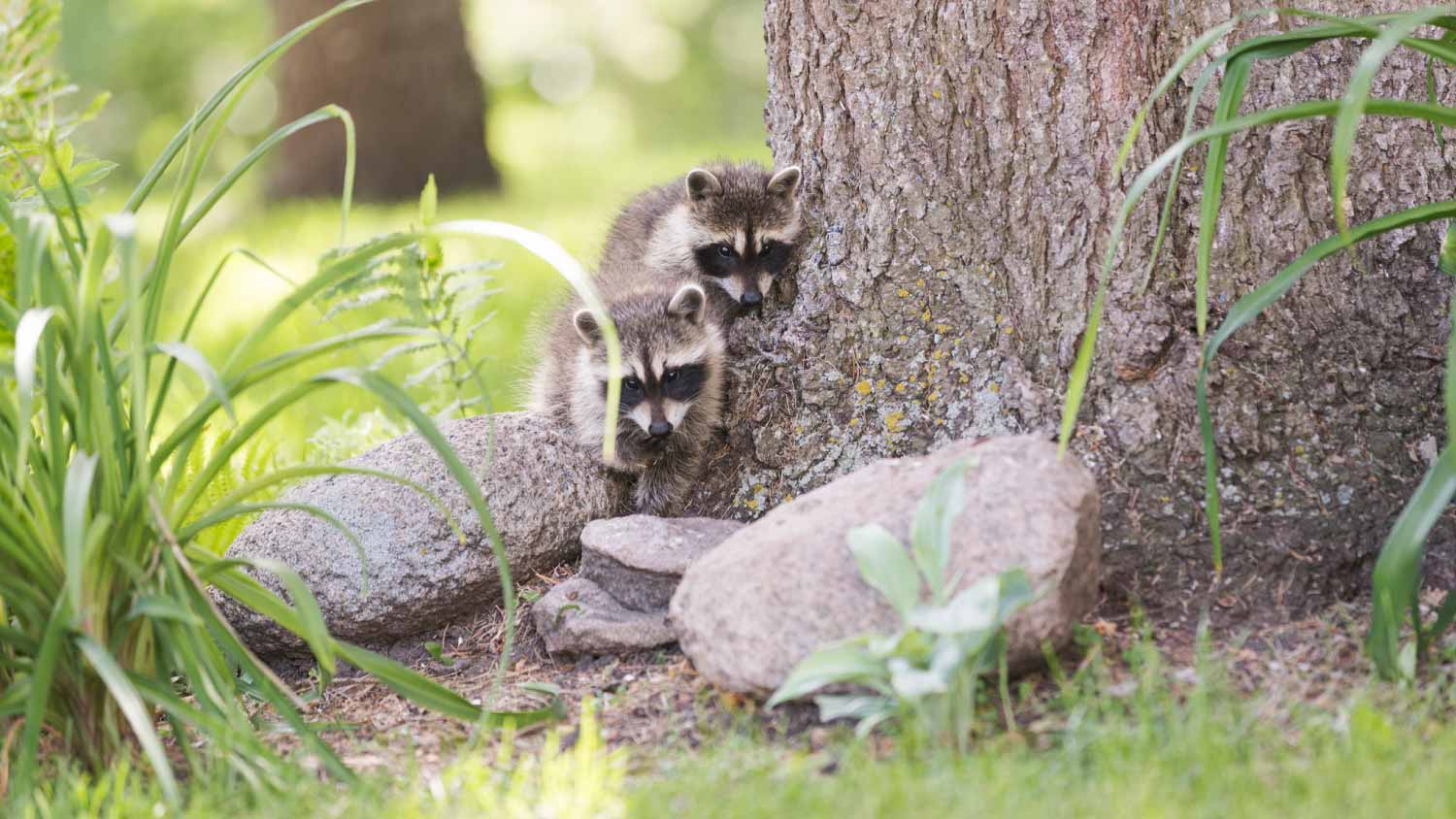
Raccoons on your property can cause a lot of damage to your home and yard. This guide breaks down raccoon removal costs so you can budget accordingly.
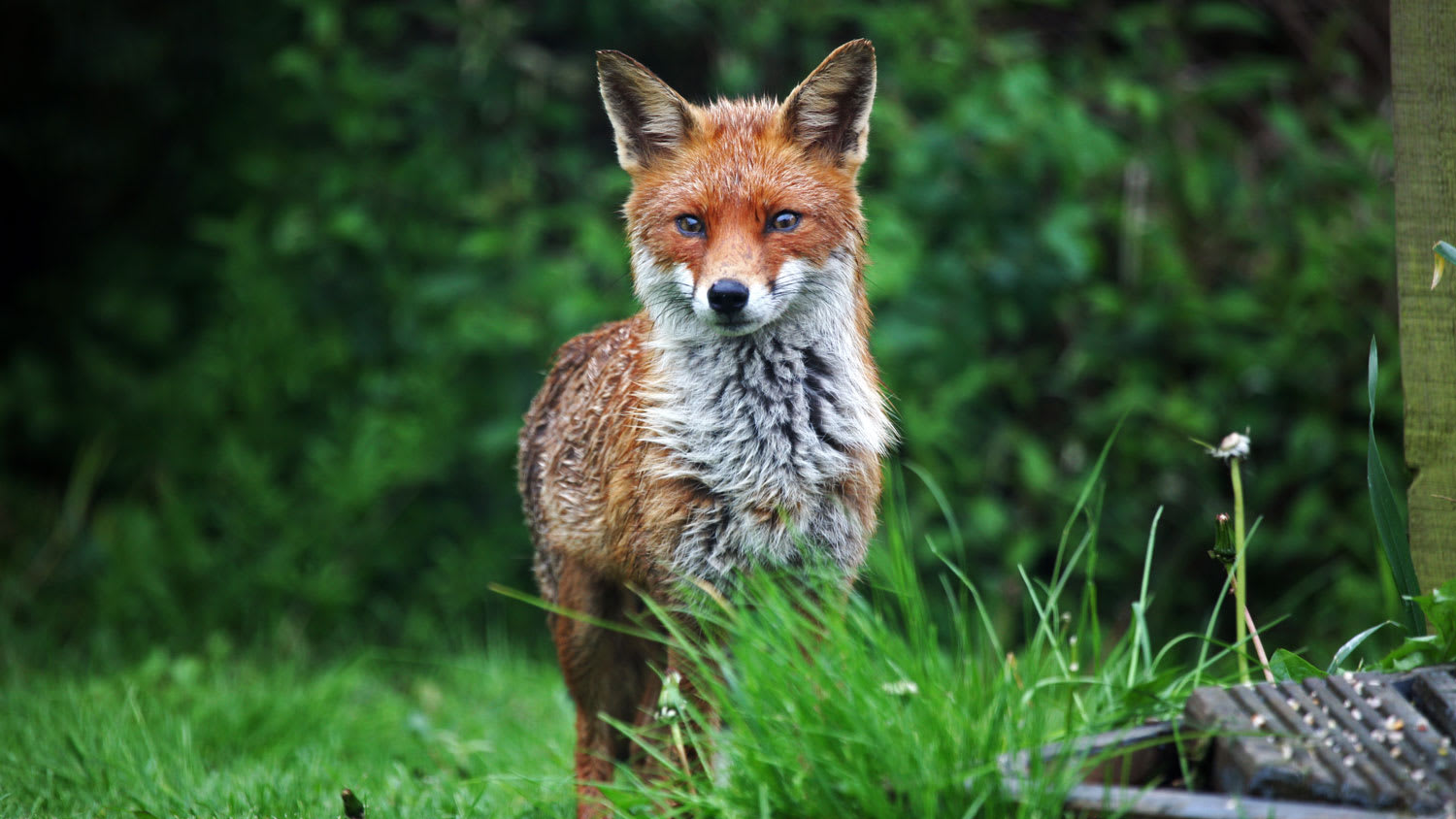
When calculating fox removal costs, factor in whether you take a DIY approach or call in the pros, the number of animals involved, and the location.
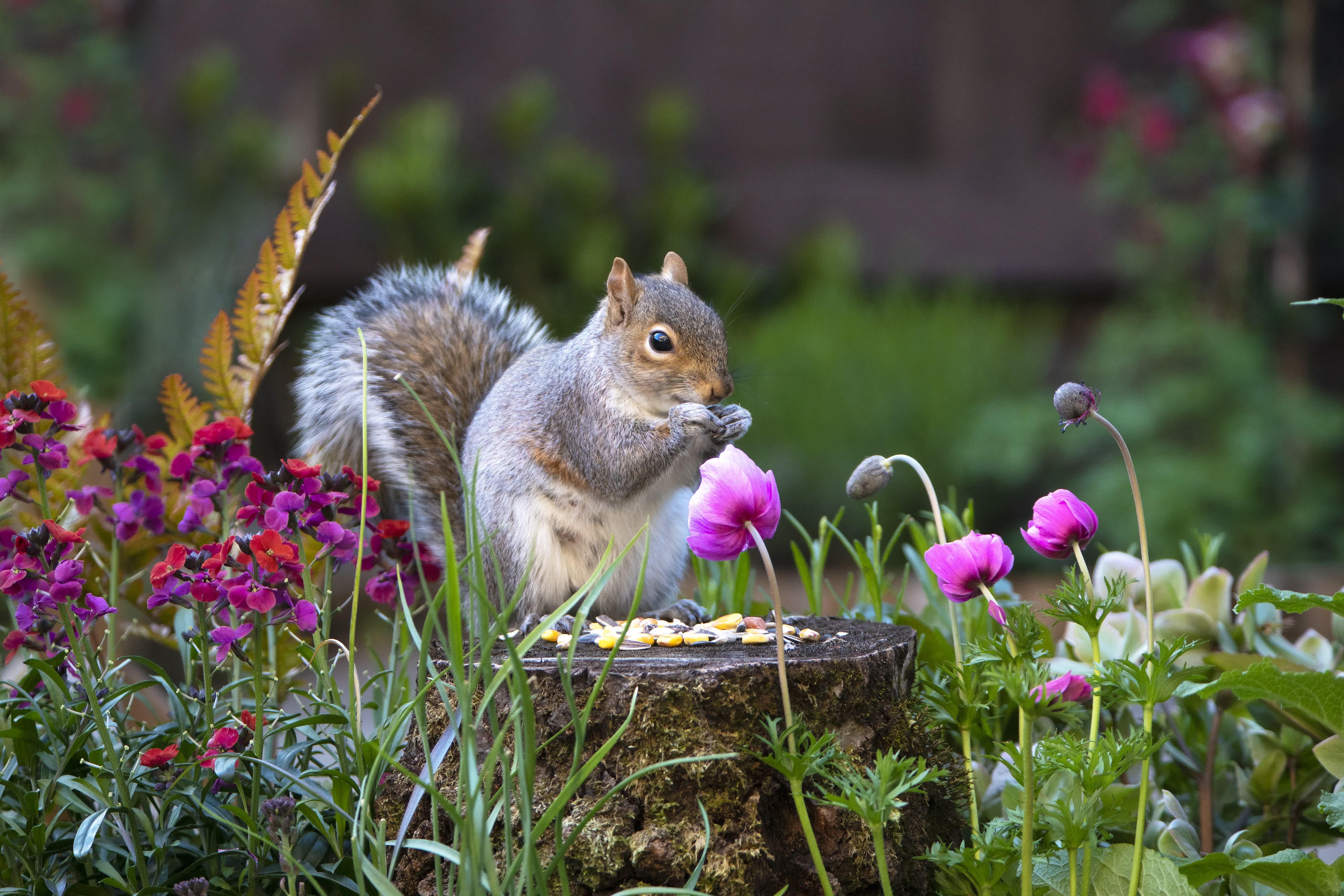
Wondering how to get rid of squirrels in your yard without going nuts? Here’s what to know about keeping squirrels away from your walls, attic, and yard.
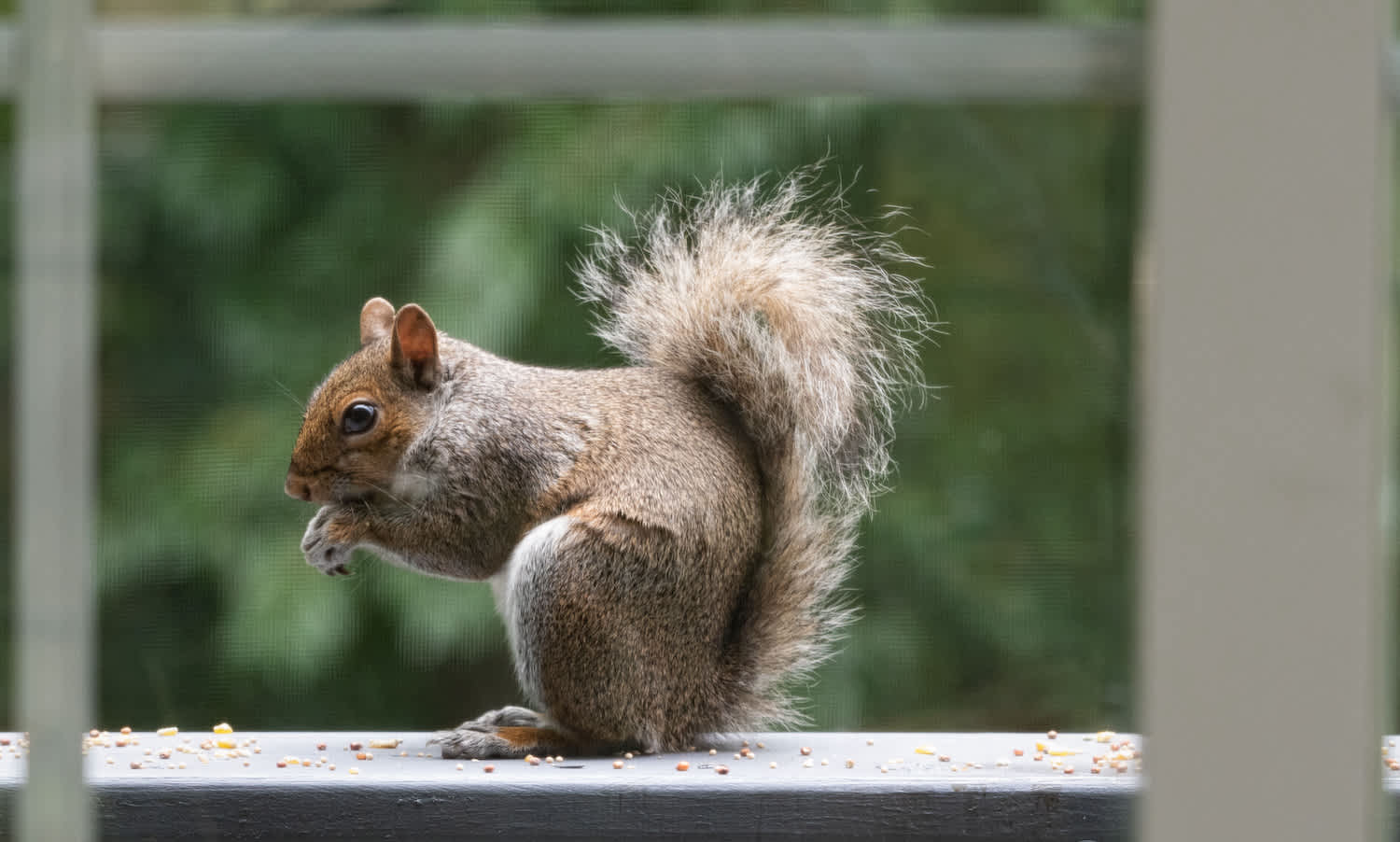
Removing squirrels humanely from your yard can be tricky if you’ve never done it before. Here’s what you need to know about using bait for a squirrel trap.
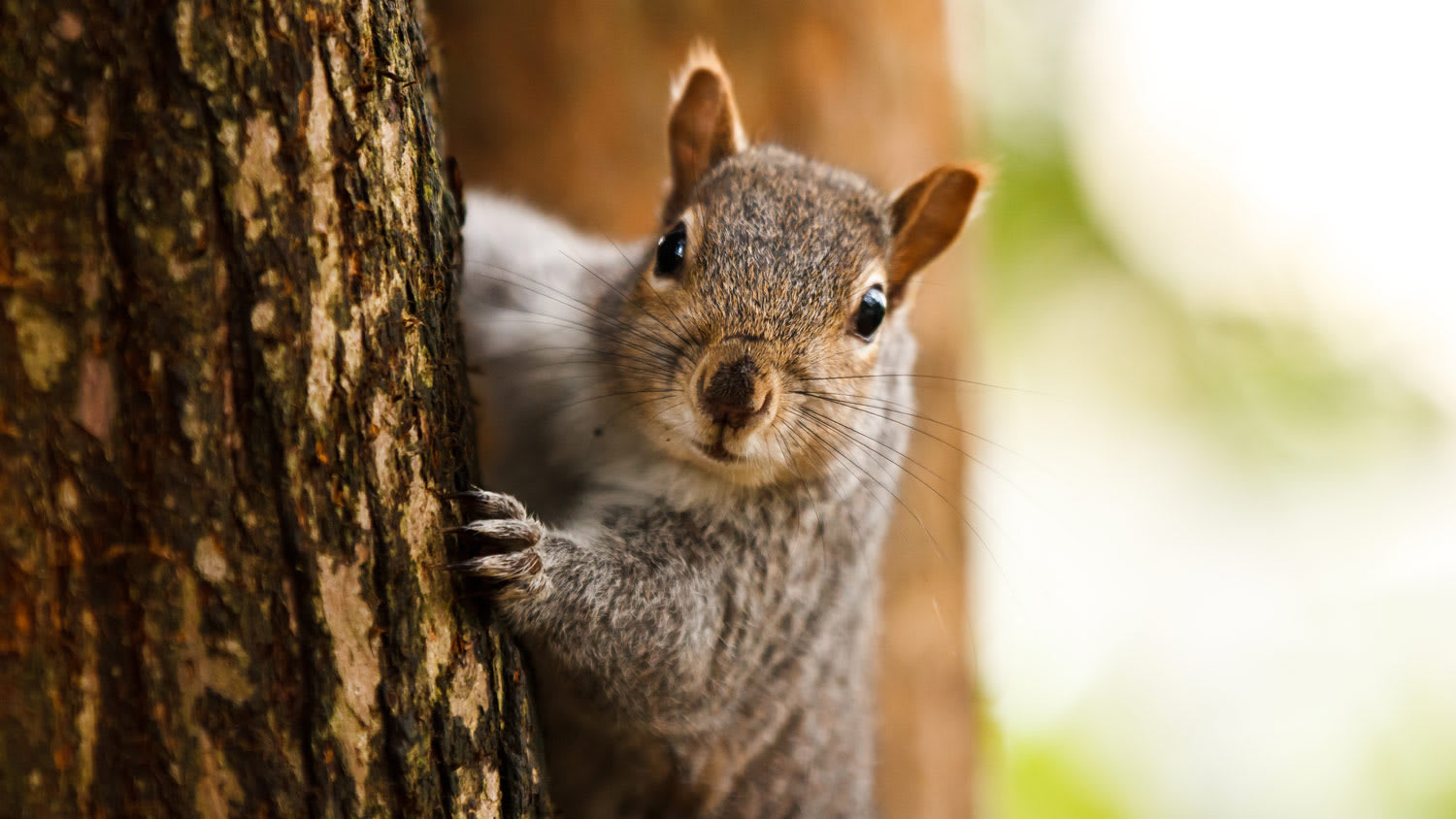
Find and hire a qualified squirrel removal company with confidence. Learn what services they offer, key questions to ask, and how to choose the right pro.