
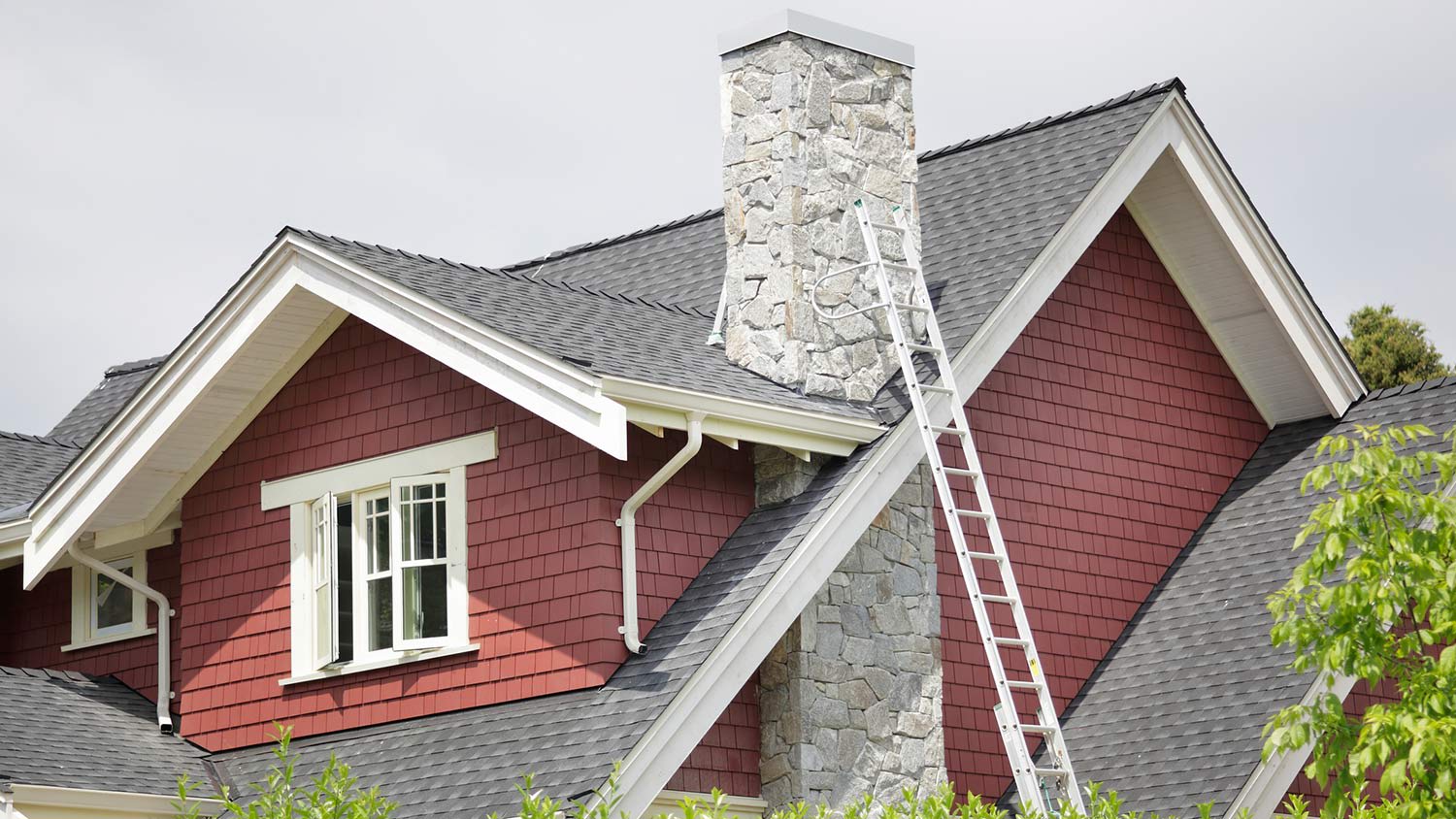
The typical chimney removal costs between $1,000 and $10,000, but much of that price depends on whether it’s a full or partial removal. Get the full cost breakdown here.
Because climbing down the chimney is reserved for Santa

Chirping, scratching, or thumping sounds from your chimney confirm an animal is trapped inside, whether it fell accidentally or chose your chimney as a nesting spot.
Professional wildlife removal costs $200 to $625 on average, and addressing the issue early helps you avoid the higher costs of bat or bird nest removal.
Closing your damper immediately prevents trapped animals from entering your home while you arrange safe removal, especially for raccoons, bats, or persistent squirrels.
Hiring a local wildlife control professional keeps you safe from disease-carrying animals and ensures humane removal, plus they can install chimney caps to prevent future problems.
You’re cozied up on the couch to catch up on your favorite show when—what’s that sound? You’ve got a visitor in your chimney, and Christmas is months away. Before you end up with a squirrel running through your house, learn how to get an animal out of your chimney the right way.
The easiest way to get an animal out of your chimney is to identify it first, or at least whether it's a bird or mammal. You can often tell by the sounds. If it chirps, squawks, or flaps, it's probably a bird. If it sniffs, claws, or scratches, it's likely a mammal.
You may also notice debris like soot or nesting material falling into the fireplace, even if the damper (the plate you keep closed to prevent air from escaping) is closed.
Knowing whether the animal arrived by accident or on purpose can help you figure out how much help it needs to get out and what remedial measures you'll need to ensure it doesn't happen again.
Some wildlife, like squirrels, birds, and mice, accidentally fall into the chimney while trying to evade predators. But the inside of the chimney is slick, so they often can't get a good enough grip to clamber out again. Animals who inadvertently get stuck make their presence known through loud noises.
Other animals, particularly raccoons and bats, think your unprotected chimney makes a secure and secluded residence. Wildlife that has chosen to make your chimney their home will only make noticeable noise at certain times of the day or night.
If you know what animal you're dealing with and you understand the different parts of your chimney, it's time to take action.
If heights don’t bother you and the squirrel is above the damper, it's a pretty straightforward process. Follow these steps to help the squirrel out safely:
Make sure the damper is closed.
Take all reasonable safety precautions, such as securing the ladder and having a second person steady it.
Climb a ladder onto your roof.
Tie a rope, at least three-quarters of an inch thick, around the chimney breast and hang it down the chimney. Make sure it's long enough to reach the damper.
Climb down and give the squirrel plenty of space.
Assuming the squirrel is healthy, it’ll climb out on its own within a few hours. Then, you can retrieve the rope and cap the chimney.
If this process doesn't work and you don't have fireplace doors to place a humane animal trap, call a squirrel removal pro for assistance.
Bats are tricker to remove because many species are legally protected, carry disease, and are often reluctant to leave. They’re best left to a qualified or licensed bat removal specialist to handle the job. Many states also prohibit harming or killing them, so the technician will find the most efficient and humane way to get the bat out and advise on or perform remedial action so it doesn't come back.
A wildlife removal pro will inspect all entry points and then seal up all but one to encourage the bats to leave. Once the animals are gone, they’ll seal the remaining entry point and add exclusion netting to the chimney top so that the bats can’t come back to their cozy roost. Bat removal costs around $470 on average.
Note: One thing you can do immediately without a pro’s help is to close the damper so that bats don't get into your house.
Your best bet when it comes to raccoons? Make sure the damper is closed and call a raccoon removal expert.
If you live in an area where there's an abundance of these animals and your chimney isn't capped, there's a high possibility that a mother raccoon will take up residence and give birth to and raise her young. Some, especially those who are nesting, seem impervious to repellents and deterrents.
Once you hire a pro, they'll assess the situation and most likely trap the mom, safely snare the babies and then release the family to somewhere more suitable. They'll advise on the remedial action you need to take, like capping your chimney to prevent any more critters from calling it home.
Rats and mice are opportunistic: If they can find a way in via a cracked or uncapped chimney, they’ll gladly move in and start building a nest. In addition to causing damage through chewing, rats carry diseases, so you should call a pest control company to deal with the problem.
If you've got a bird nesting in the chimney with her young, it's illegal in most states to disturb them. So before you take any action, wait for the babies to fledge and the whole family to fly off.
If you have a single bird in the chimney that fell in there by accident, you can take immediate action. Call a local bird removal professional or emergency animal control if a bird is stuck and you're not comfortable trapping and removing it yourself.
Often, animals that are attracted to chimneys are seeking out shelter. For example, if you live in an especially cold climate, squirrels may make their way inside your chimney during the winter months to find warmth. Raccoons, on the other hand, may seek out your chimney in the spring when they’re looking for a safe place to deliver their babies. Your chimney can also act as a place for birds and rats to nest, since they’re easy to access and can sometimes be mistaken for trees.
A number of signs can help you identify animals inside your chimney and what steps to take next to get rid of them.
You’ve settled down for the night when the unmistakable sound of something scratching inside your chimney strikes. Before you panic, know that any frantic, repetitive noises inside your chimney can point to an animal that’s stuck inside and trying to get out, especially if you hear flapping or screeching.
The odds that the animal will escape your chimney and make its way into your house are low, but the sounds you’re hearing are a surefire sign of an animal in your chimney, and that is a problem that will need to be dealt with.
From urine and droppings to vegetation and food, animals can bring along foul odors that can permeate your home. An especially foul odor could indicate that an animal has potentially died inside your chimney. A professional animal removal service can pinpoint and inspect any strange smell. The only solution to get rid of the scent is to locate and remove the animal from your chimney.
A spare feather or two, clumps of fur, or droppings provide all the physical evidence you need that some type of animal is likely inside your chimney. If you notice any of these signs inside or around your fireplace, it’s safe to assume you’re dealing with some kind of bird, squirrel, rodent, or raccoon. Although none of these animals present an immediate danger, they can multiply and cause more issues as time goes on, so it’s best to immediately contact an expert.
Preventing animals from invading your chimney is essential to avoid potential damage and safety hazards. Remember, by taking these preventative measures, you can help ensure your chimney remains free from unwanted critters.
A chimney cap is a mesh or wire cover that fits over the top of your chimney. It allows smoke and gases to escape while keeping animals and debris out. Ensure the chimney cap you choose has a mesh size small enough to prevent animals from entering.
Schedule regular chimney inspections and cleanings to identify potential entry points or damage that might allow animals to enter. A local professional chimney inspector can pinpoint and help you address any issues effectively.
Remember, some animals, like raccoons and squirrels, are excellent climbers. Trim tree branches and vegetation near the chimney to prevent animals from gaining access from above.
Some animals can enter the chimney through the open damper, after which they can build a nest or invite themselves into your home. When your fireplace is not in use, keep the damper closed to block access to the chimney. Another advantage to closing the damper is that it creates a barrier that prevents water infiltration and downdrafts.
Have a professional inspect the chimney structure for gaps or cracks and seal them with appropriate materials, such as mortar, caulk, or wire mesh.
To reduce residue buildup, you can burn chimney sweep logs in addition to regular chimney cleaning. Chimney sweep logs can help break down creosote and reduce odors that might attract animals.
Depending on the situation, it might be relatively easy to free a stuck animal—particularly if you've got fireplace doors and you're comfortable working with wildlife. Some animals, such as bats and raccoons, can carry diseases dangerous to humans and pets.
Or you may be afraid of or aren’t comfortable working with wild creatures in general. For these instances, call a local wildlife removal specialist trained to deal with animal emergencies.
Engaging the services of a local wildlife control company is the most effective approach for humane trapping, relocation, cleaning, and prevention. While costs vary based on the location and critter situation, you can expect to pay between $190 and $615. If an active bird’s nest needs removal, your out-of-pocket cost could be up to $2,000.
Sure, you could save money with DIY wildlife removal, but we do not recommend it. Failing to follow your state's wildlife management guidelines could get you in a lot of trouble if you attempt a DIY removal. Specific animals require special licenses for trapping and release. For instance, only a licensed professional can handle raccoon removal in many parts of the country.
One of my old tall evergreen trees was suddenly leaning toward the busy street in front of my house. I submitted a request for an emergency tree inspection, and Alejandro, owner of Cajete Tree Service, contacted me immediately and arrived to look at it just 20 minutes later. We agreed the...
 Cajete Tree Service LLC
Wonderful. I am going to have them remove and replace my driveway in the spring.
 All Star Paving and Sealing
Lyle did a great job removing asbestos shingles from our front porch roof. They worked together with our roofer to make sure that the new roof was able to be installed on the same day that Lyle removed the asbestos shingles.
 Lyle Environmental
Involved an extensive bathroom remodel, including removing tub & installing walk in shower, new drywall, custome tile work to ceiling, plumbing, etc. Overall, job was done on time and on budget. Nick & his team were very professional and had high attention to detail. Quality was great. Highly...
 Stamos Flooring and Remodeling LLC
Extremely well. Ohio Tree Care is my go to company for all tree care and snow removal services. they are professional, knowledgeable and affordable. I manage five camps in 33 counties and Ohio Tree Care has serviced every one of our properties. Highly recommend.
 Ohio Tree Care Inc
A team of 2 spent 5 hours, cleaning top to bottom (removed all light fixture and cleaned.... impressive!!!)
 Luzia's Cleaning
I would have given an "A" rating were it not for the devil being in the details. 1. The van rear doors, when open, expose the track area and that had not been cleaned. Noticeable only when you look for it and then it's obvious. 2. Was able to get 99.5% of the dog hair out of the cargo area...
 614 Detail
Great Job!!! Martin called me after I requested a estimate on Home Advisor. He was very professional and actually went the same day and looked at the tree I needed removed gave us a estimate and I felt it was very aggressive so I did not even call for any other bids. I asked him how soon he...
 Reyes Tree Service LLC - Home Facebook
Mike and his crew did a great job working through a very challenging task. The job required a full demolition of our ceiling, removing the blown in insulation and removing all the material from the site daily. It involved multiple inspections from the city and many challenges to get the...
 Rising Height Unlimited
Removed various items (furniture, lamps, other junk) from my home. They were on time, personable, professional, etc. I can't say enough positive things about this company. <br />
From average costs to expert advice, get all the answers you need to get your job done.
The typical chimney removal costs between $1,000 and $10,000, but much of that price depends on whether it’s a full or partial removal. Get the full cost breakdown here.

Chimney sweep costs can be dramatically affected by the type of chimney, its location, and how dirty it is.
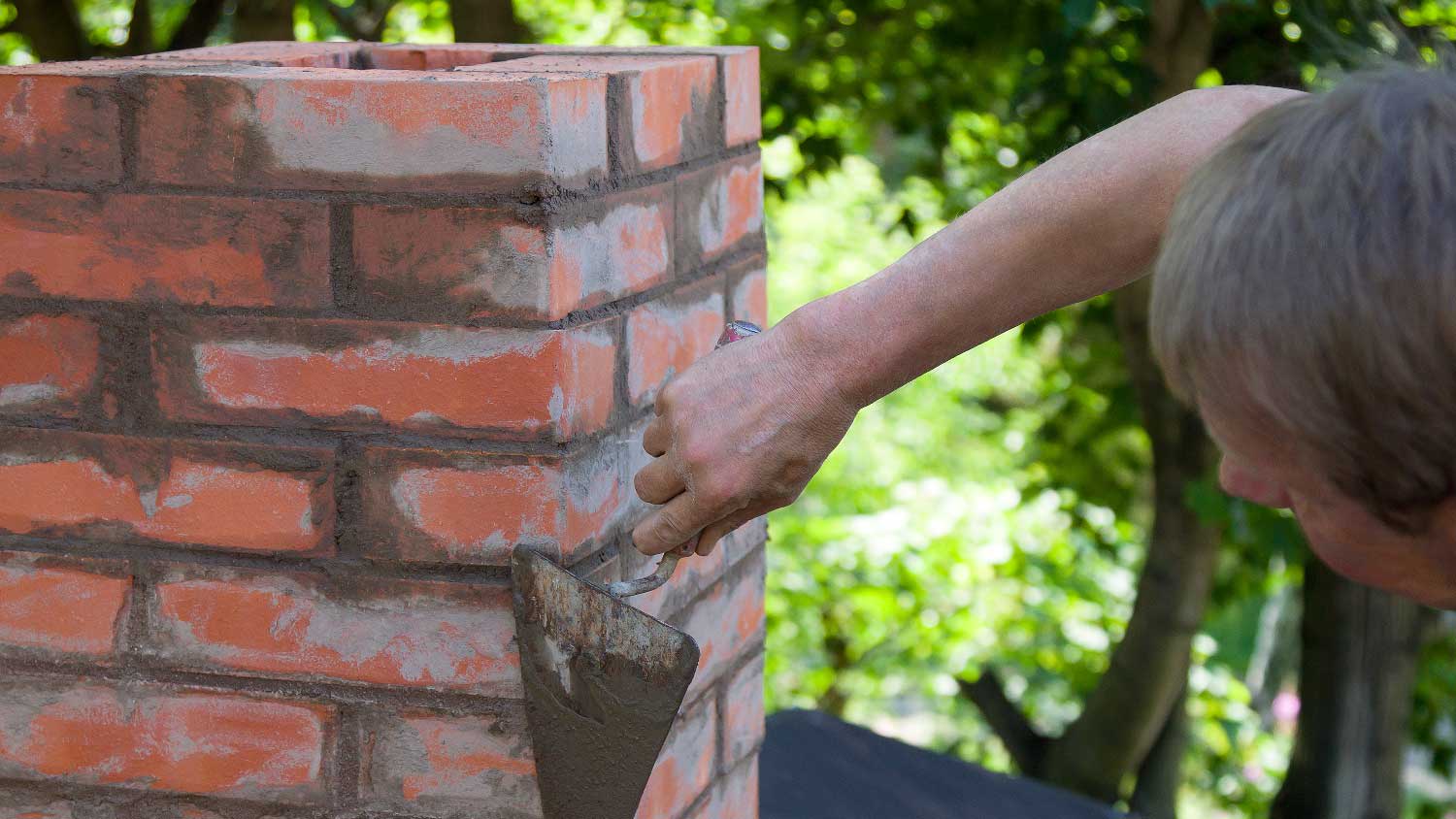
Discover the average chimney tuckpointing cost, key price factors, and expert tips to help you budget and save on your next chimney repair project.
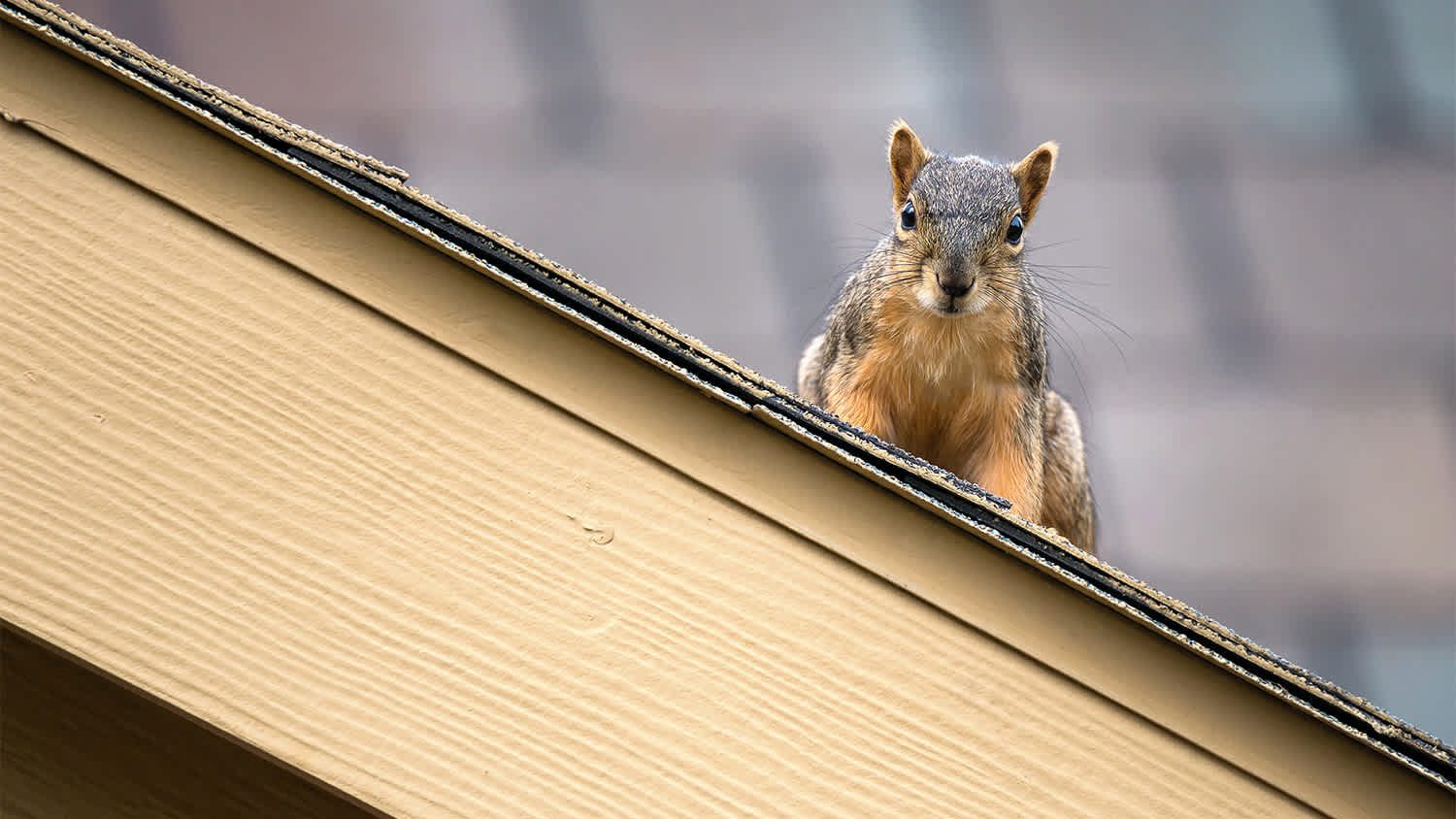
Not sure how to get rid of animals in your attic? Get comprehensive tips to identify what’s up there and how to send them packing from your home.
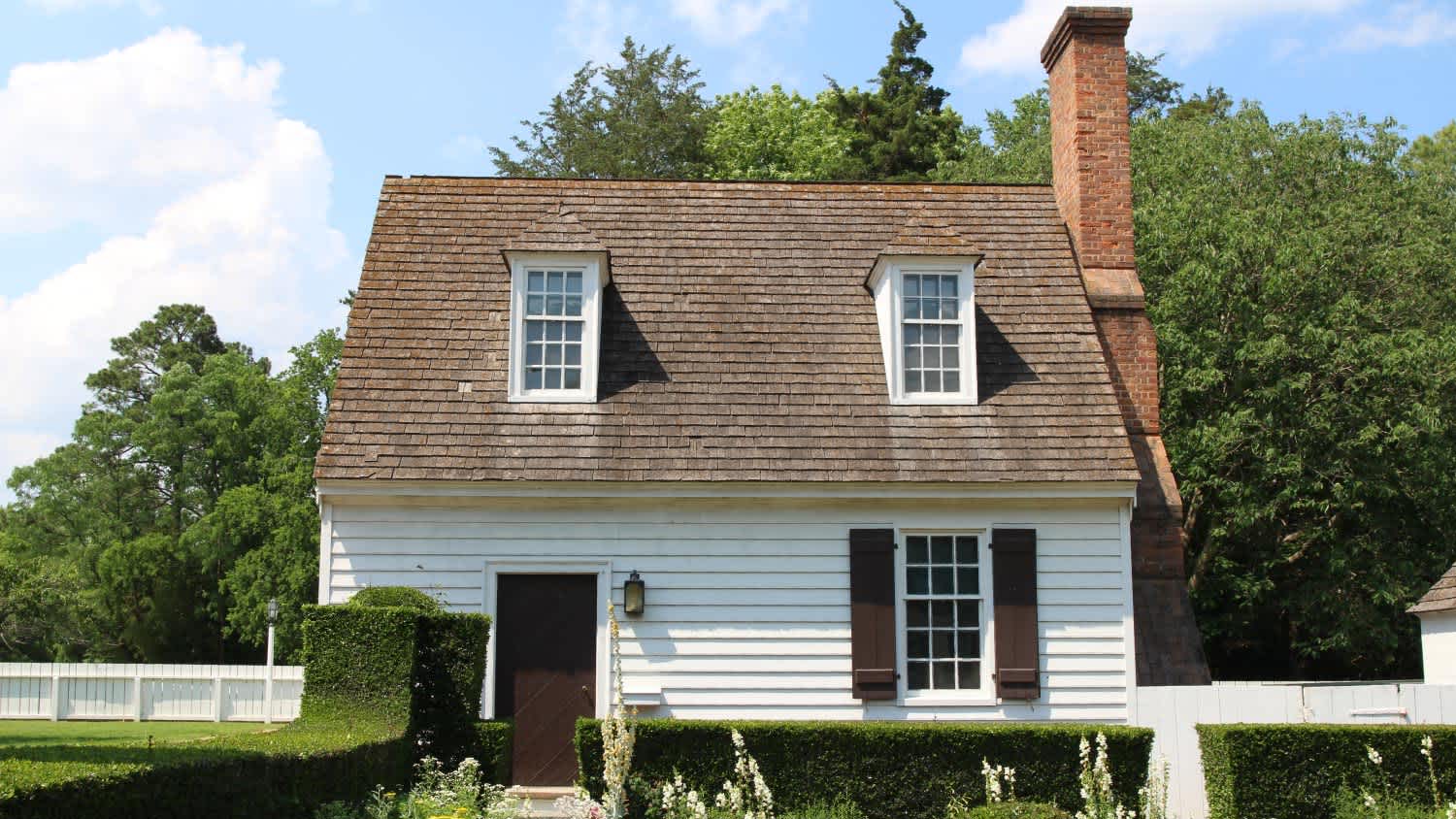
Wondering how often to clean a chimney? Our guide will walk you through the recommended frequency, best time of year, and common signs your chimney’s due for a cleaning.

Find out how to keep unwanted animals out of your yard with these easy tips and tricks so you can enjoy your property in peace.