

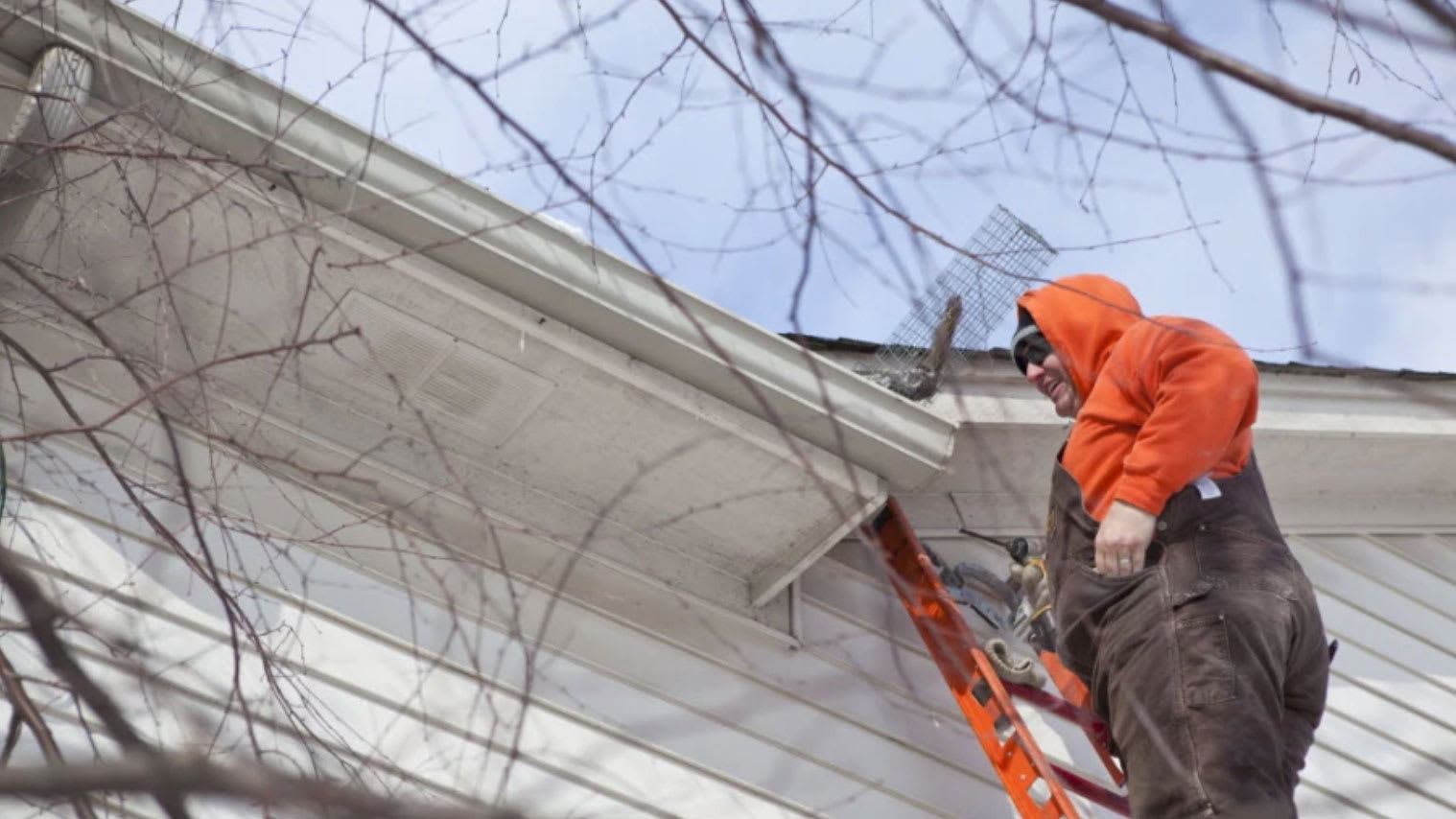
When calculating wildlife removal costs, you’ll need to consider the type, size, and amount of animals. Our guide will show you the wildlife removal cost.
Animal removal costs depend on your project and location. Check with a local pro for your specific job.

Professional trap-and-release raccoon removal runs $150 to $300 per animal, so you can budget accurately.
Your removal location drives labor, yard jobs stay simpler than attic or chimney work needing roof access and sealing.
You should budget $250 to $500 for cleanup and sanitation, plus drywall repairs and insulation replacement.
Hiring a local raccoon control professional keeps your household safe from rabies risk and stops further property damage.
In 2026, the national average cost for raccoon removal is $400. Most homeowners pay between $300 and $450, with the final cost driven by the raccoon's location on your property, the severity of the infestation, and the removal method used. Attic or chimney jobs—where roof access and sealing are required—tend to run higher than simpler yard removals.
Several key factors drive raccoon removal costs, from infestation size and removal method to the location where raccoons have settled on your property. Understanding these variables helps you anticipate what you'll owe before a pro arrives.
The removal method your pro uses to remove raccoons affects the price, which ranges from $150 to $750. Most states legally require humane raccoon removal methods, making poisoning off the table due to serious health risks. Manual removal—using a snare-catch pole and netting—is typically used for small or young raccoons in indoor spaces like attics, with costs rising when a full nest is involved.
The most common outdoor approach is trap and release, where raccoons are caught in live traps and safely relocated from your property:
| Removal Method | Average Cost in 2026 |
|---|---|
| Manual removal (one raccoon) | $150–$250 |
| Trap and release (one raccoon) | $150–$300 |
| Manual removal (raccoon nest) | $300–$750 |
Infestation size is one of the most direct cost drivers in raccoon removal, since a single animal ($150 to $300) is far less complex to handle than a full nest ($300 to $725).
The more raccoons involved, the more time and effort the job demands from your removal pro:
| Infestation Size | Average Price Range in 2026 |
|---|---|
| One raccoon | $150–$300 |
| Raccoon nest | $300–$725 |
Most pest removal services charge flat rates, and when you hire a raccoon removal company near you, expect a minimum of $150 to trap and remove a single raccoon across two visits — one to set the trap and one to pick up and relocate the animal. If the trap captures a non-target animal, additional visits to reset the trap cost $250.
Where raccoons have settled on your property is one of the biggest cost drivers, with outdoor yard removals being the most straightforward ($150 to $300) and chimney or attic jobs adding significant complexity and expense ($400 to $3,500). Attic infestations are especially challenging because young raccoons don't respond to bait the way adults do, which complicates the trapping process.
Once all raccoons are removed from an attic, entrances must be sealed—work that typically requires roof access and may mean hiring an additional pro.
Here are the costs that vary for raccoon removal based on location:
| Location | Average Cost in 2026 |
|---|---|
| Yard | $150–$300 |
| Roof | $325–$700 |
| Chimney | $400–$3,500 |
| Attic | $550–$975 |

A professional raccoon inspection typically costs $80 to $150, though many pros will waive that fee if you move forward with hiring them for removal. Scheduling an inspection early helps confirm the extent of the infestation before committing to a removal plan.
Removing and disposing of a dead raccoon costs $150 to $350, while post-removal cleanup and sanitation of indoor areas runs $250 to $500. That cleanup scope can include nest removal, feces disposal, damaged insulation, and other debris left behind by the infestation.

Beyond the initial removal, the size of your infestation can generate additional costs — from ongoing trapping efforts to structural repairs once the raccoons are gone. Budgeting for these follow-on expenses upfront helps you avoid surprises.
Persistent or large raccoon infestations may require ongoing monitoring with multiple traps, costing an average of $85 to $125 per animal. If raccoons keep returning, your pro can assess entry points and recommend longer-term prevention strategies alongside continued trapping.
If a raccoon becomes trapped inside a wall, you'll need to cut through drywall to remove it before decomposition sets in, and drywall repair costs at least $300. Attic insulation damage is also common, with replacement running $1 to $7 per square foot. Indoor raccoon infestations often leave behind repair work once the animals are gone, since raccoons can damage insulation or fall into wall gaps.
It’s best to consult the local raccoon control pros if you have a critter problem around your home to ensure your personal safety and prevent further damage to your property.
When dealing with raccoon removal, it’s best to hire professionals sooner rather than later.
Raccoons can be large and aggressive, and may have rabies. They are dangerous for homeowners to try to capture and remove by themselves.
Raccoon control professionals have the best capture techniques for raccoons and know where to place traps.
Experienced pest control companies that offer live capture know where to drop raccoons off afterward so returning coons are unlikely.
Serious raccoon problems often have a cause, from holes to a nearby source of food. The pros can identify those causes and recommend ways to handle them.
If you want to start with DIY steps before contact local raccoon control, there are several things to keep in mind:
Start with less-invasive treatment options that you can find in a home improvement store, like coyote urine sprays and similar barriers.
Don’t try to confront or chase away raccoons directly. If you need to remove raccoons, stick with traps that are specifically rated to handle them.
Seal up all access to trash and food around your property. Sometimes a new, locked trashcan can deter raccoons from showing up.
Seal up attics sheds while raccoons are away so they cannot gain entry again and will eventually look for somewhere else to spend time.
Consult local raccoon control services about their rates and availability for removing raccoons.
If raccoons are nesting inside your home, including the attic, consider escalating to emergency raccoon services to remove them ASAP.
Make sure raccoon control has full access to the areas where you’ve noticed raccoon activity during the home inspection.
Discuss with your pro options for repair or insulation services to control damage and prevent future raccoon entry.
After raccoons are removed, your animal control pro may recommend sealing entry points to prevent their return, which can include animal-proof vents at $300 to $450 each or one-way metal mesh exclusion barriers at $10 to $25 per linear foot. Many general animal control services also offer bundled pricing when you combine raccoon removal with other pest services, which can help reduce your overall cost.
Examples include:
Groundhog removal: $100–$500
Squirrel removal: $200–$600
Bat removal: $100–$1,500
Check your local regulations before attempting to remove an animal. Some species may be protected or you may need a permit to relocate them.

The best way to save on raccoon removal is to prevent the need for removal in the first place. Raccoons have a strong sense of smell, so one way to keep them away is to apply scents they dislike around areas where they gather or nest.
Hot peppers
Garlic
Peppermint oil
Onion
Epsom salt
Repellents don’t always work, however. If you deal with removal year after year, you can pay an animal control company to inspect your property regularly as a preventative measure. This can cost about $50 per month or $200 per quarter, as opposed to the average $400 cost for a one-time visit.
Home is the most important place on earth, which is why Angi has helped more than 150 million homeowners transform their houses into homes they adore. To help homeowners with their next project, Angi provides readers with the most accurate cost data and upholds strict editorial standards. We survey real Angi customers about their project costs to develop the pricing data you see, so you can make the best decisions for you and your home. We pair this data with research from reputable sources, including the U.S. Bureau of Labor Statistics, academic journals, market studies, and interviews with industry experts—all to ensure our prices reflect real-world projects.
Want to help us improve our cost data? Send us a recent project quote to [email protected]. Quotes and personal information will not be shared publicly.
One of my old tall evergreen trees was suddenly leaning toward the busy street in front of my house. I submitted a request for an emergency tree inspection, and Alejandro, owner of Cajete Tree Service, contacted me immediately and arrived to look at it just 20 minutes later. We agreed the...
 Cajete Tree Service LLC
Terrible experience. Walls/trim/floors/cabinets/doors all have drip marks, overspray, etc. Tiling at the fireplace had to be redone by another vendor due to incorrect and shoddy install by Profect. Contractor had his children in our house while he was on site without prior authorization or...
 Profect painting & exteriors
Incredible workers! Very skilled with the machinery, climbing, cutting, roping, and removal. Handled everything. Professionals!
 Hoffman Expert Tree Services
Wonderful. I am going to have them remove and replace my driveway in the spring.
 All Star Paving and Sealing
Jeff was a consummate professional. Responsive, courteous, and focused on meeting our needs. I had a small project of installing and replacing two ceiling light fixtures. He responded to my Home Advisory inquiry within 24 hours and in a span of two weeks our light fixtures were installed. ...
Lyle did a great job removing asbestos shingles from our front porch roof. They worked together with our roofer to make sure that the new roof was able to be installed on the same day that Lyle removed the asbestos shingles.
 Lyle Environmental
Involved an extensive bathroom remodel, including removing tub & installing walk in shower, new drywall, custome tile work to ceiling, plumbing, etc. Overall, job was done on time and on budget. Nick & his team were very professional and had high attention to detail. Quality was great. Highly...
 Stamos Flooring and Remodeling LLC
Extremely well. Ohio Tree Care is my go to company for all tree care and snow removal services. they are professional, knowledgeable and affordable. I manage five camps in 33 counties and Ohio Tree Care has serviced every one of our properties. Highly recommend.
 Ohio Tree Care Inc
A team of 2 spent 5 hours, cleaning top to bottom (removed all light fixture and cleaned.... impressive!!!)
 Luzia's Cleaning
I would have given an "A" rating were it not for the devil being in the details. 1. The van rear doors, when open, expose the track area and that had not been cleaned. Noticeable only when you look for it and then it's obvious. 2. Was able to get 99.5% of the dog hair out of the cargo area...
 614 Detail
From average costs to expert advice, get all the answers you need to get your job done.
When calculating wildlife removal costs, you’ll need to consider the type, size, and amount of animals. Our guide will show you the wildlife removal cost.
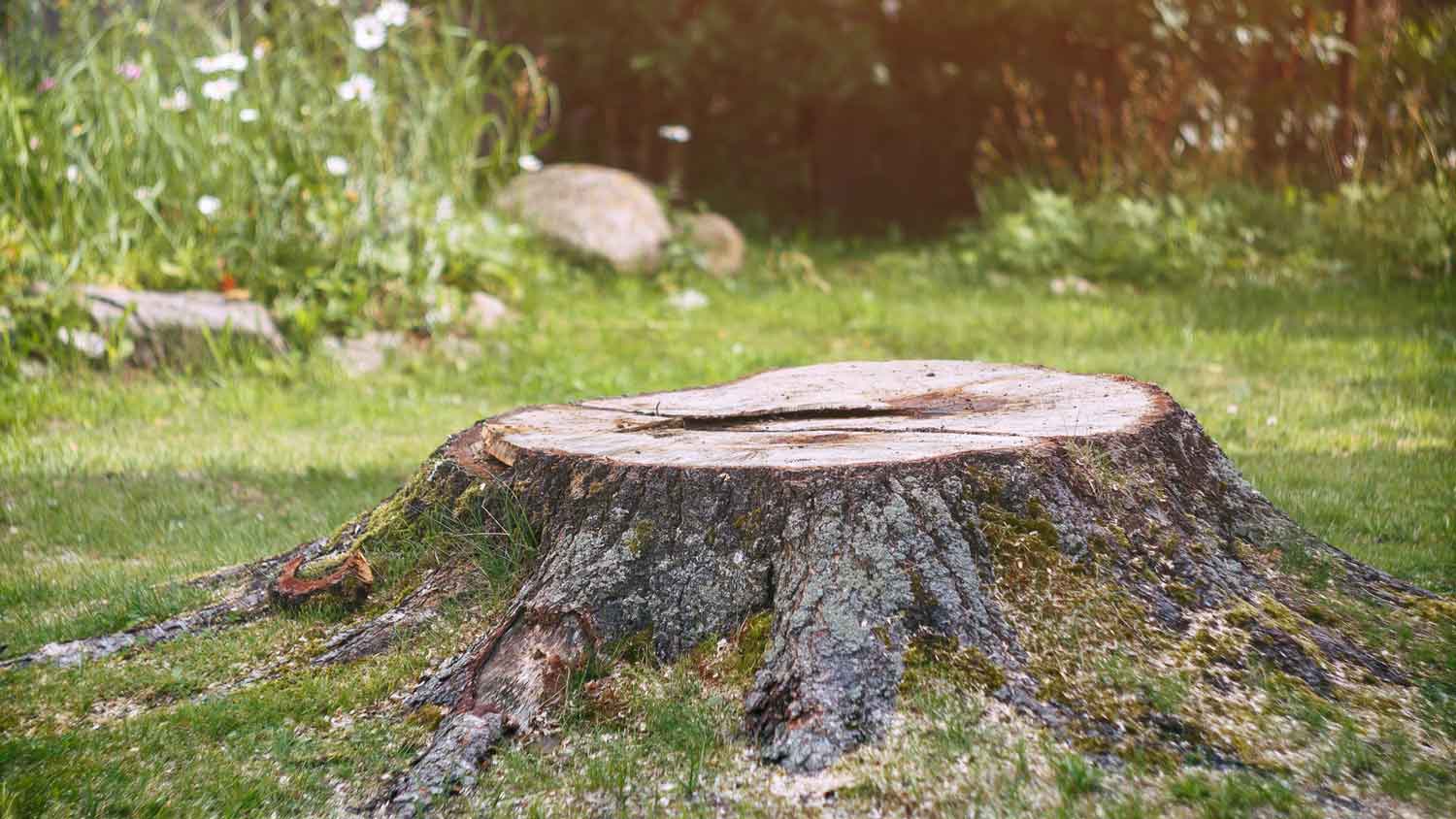
The cost of tree stump removal depends on size, removal method, location, and more. Our guide will show you how much stump removal costs.
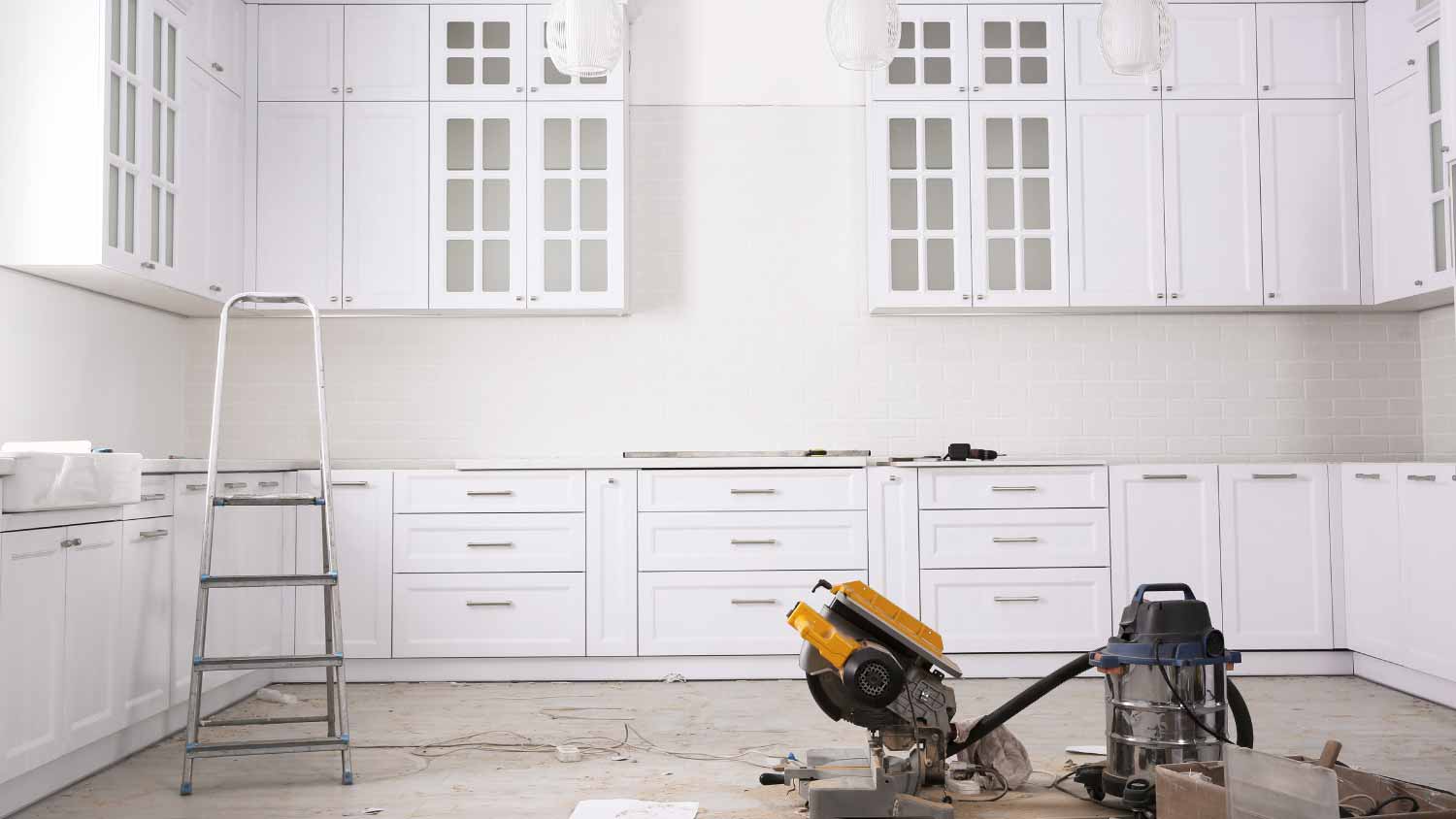
Your cabinet removal cost will depend on kitchen size and labor expenses. Find out what your budget could look like.

Hearing scratching in the attic or finding torn roof shingles? Learn about raccoon removal costs, warning signs, and how to hire the right local pro.
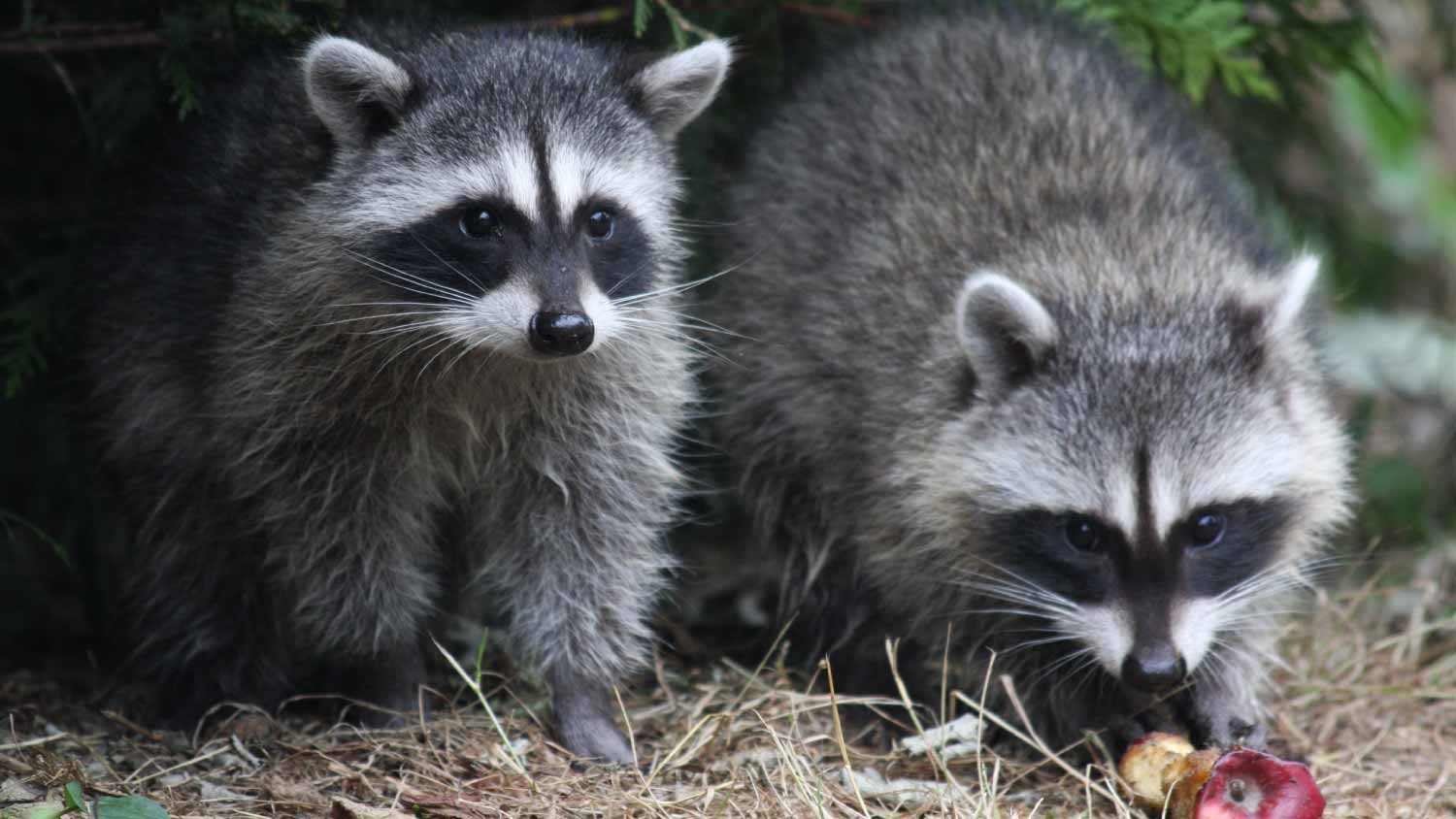
Learn how to hire a raccoon removal pro with confidence. Find qualified wildlife experts, ask the right questions, and protect your home safely.
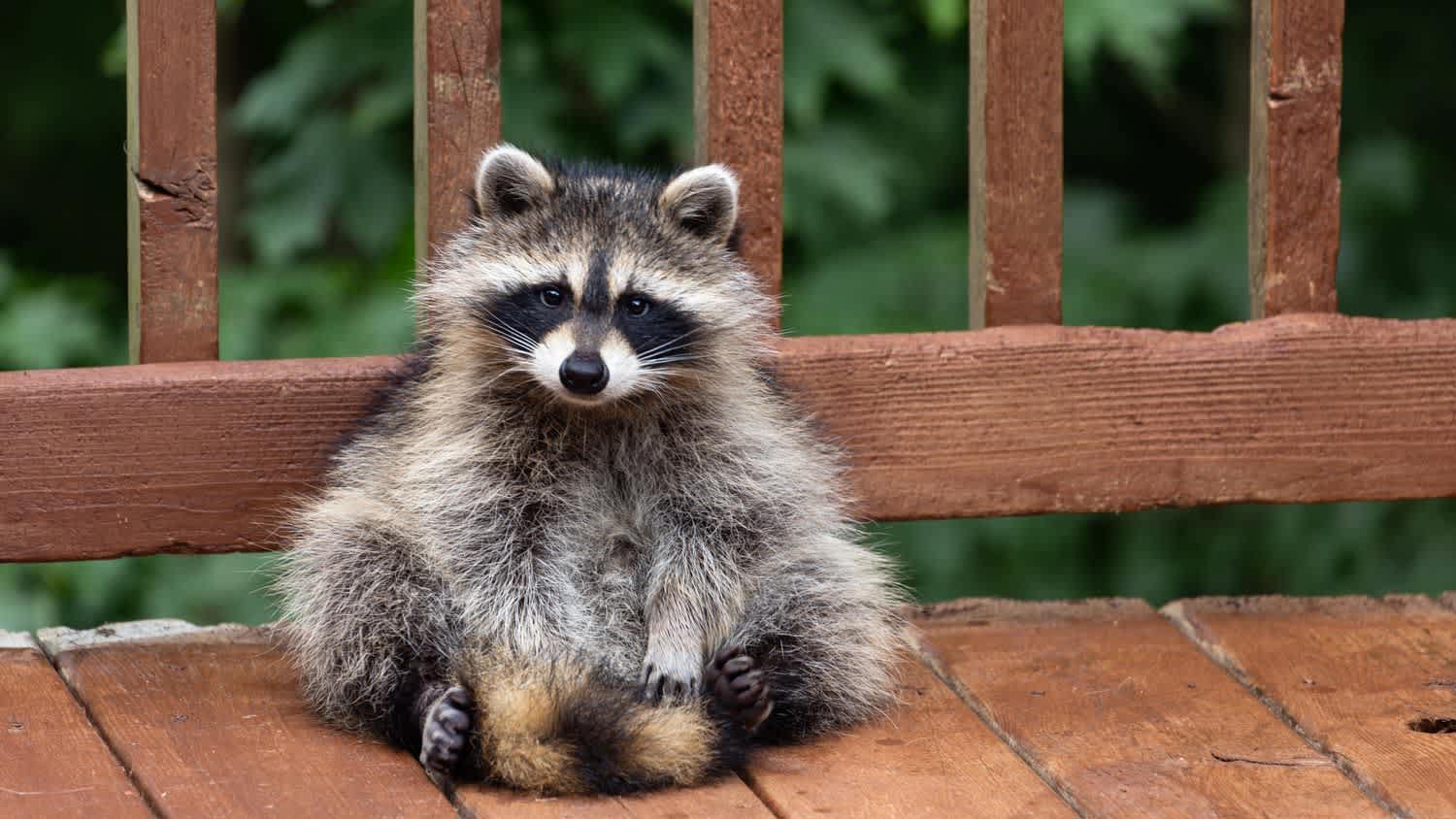
Learn how to hire a raccoon removal pro with confidence. Find qualified wildlife experts, ask the right questions, and protect your home safely.