


Most people wrap floor removal into a larger project, but the itemized cost to remove laminate flooring depends on the size and state of the floor.
Flooring costs depend on your project and location. Check with a local pro for your specific job.

Professional laminate floor repair averages $1,243, and your total ranges from $385 to $2,102 based on damage.
The laminate type, finish, and texture you choose affect your replacement price and how well your floor hides wear.
Your budget should include threshold replacement and subfloor repairs, which can add $150 to $250 or more.
Hiring a local laminate floor repair professional helps match planks and install moisture barriers, so repairs last.
In 2026, the national average cost for laminate floor repair is $1,243, based on 968 verified projects from Angi Pros. Most homeowners pay between $385 and $2,102, with the spread driven by the extent of damage, whether you DIY or hire a pro, and any add-on services you choose. For repairs involving subfloor damage or threshold replacement, budget an additional $150 to $250 or more.
Most laminate floor repairs have a similar cost breakdown, with the main factors being the type of laminate, the type of repair, and labor fees.

Laminate floor repair costs range from $75 for surface stain removal to $1,200 for full spacing correction, which involves subfloor or underlayment work. Surface-level fixes like scratches, stains, and squeaky floors are the most affordable at $75 to $300, while structural problems like spacing, cupping, and water-damaged planks require more extensive work at $250 to $1,200.
The table below compares average repair costs across seven common laminate floor problems, along with a description of each one:
| Repair Type | Average Cost Range in 2026 | Description |
|---|---|---|
| Scratch or gouge | $100–$300 | Small scratches can be DIY-fixed with wax filler or furniture markers for under $20; larger damage requires professional repair |
| Plank replacement | $3–$11 per square foot | Required for deep cuts, cracks, or water-damaged planks; cost depends on the number of planks and accessibility |
| Spacing | $300–$1,200 | Most complex repair; requires full floor relayout and potential subfloor or underlayment work if boards are warped or loose |
| Squeaky floor | $75–$300 | Caused by subfloor, underlayment, or moisture issues; a pro uses adhesive or screws to secure problem areas |
| Floor bubbles | $3–$11 per square foot | Usually caused by water damage; small bubbles may be fixable, but larger areas require plank replacement |
| Cupping | $250–$750 | Caused by moisture imbalance; planks sinking in the middle or peeling at edges signal underlayment or subfloor moisture issues |
| Stains | $75–$300 | Cost estimate reflects a surface-level fix; large or set-in stains may require plank replacement |
The replacement cost of natural materials like hardwood flooring lookalikes depends on the laminate's material type, texture, finish, and abrasion coefficient (AC) rating, which measures durability and stain resistance. High-end imitations like hickory, textured surfaces, glossy finishes, and higher AC ratings all carry a higher replacement price than their standard counterparts. Laminate with a higher AC rating costs more upfront but reduces long-term repair expenses due to its greater durability, and glossy or textured planks tend to hide minor imperfections better than smooth or matte options.
Local laminate flooring installers charge between $0.60 and $4.00 per square foot for their work. Replacing a 100-square-foot section of flood-damaged laminate, for example, could run upward of $400 in labor alone. Labor is often the largest share of laminate flooring repair costs because the material itself is relatively inexpensive.
Laminate floor repairs often extend beyond the planks themselves, with add-on costs ranging from $0.29 per square foot for underlayment replacement to $450 for laminate painting in a standard room. Subfloor and underlayment replacement are the most significant add-ons—triggered by water damage, warping, or persistent squeaking—and they should be addressed during repair to avoid more expensive structural damage later.
The table below outlines average costs for five common laminate floor repair add-ons:
| Additional Services | Average Cost Range in 2026 | Description |
|---|---|---|
| Threshold replacement | $100–$250 | Covers transitional areas like doorways; heavy foot traffic accelerates wear on threshold laminate |
| Laminate painting | $250–$450 | Cost estimate applies to standard 200 sq. ft. rooms; the price varies by floor size and paint type selected |
| Subfloor replacement | $1–$7 per square foot | Required when warping, water damage, or persistent squeaking indicates structural deterioration |
| Underlayment replacement | $0.29–$0.79 per square foot | Supports the floor and reduces noise; replacement triggered by water damage or compression failure |
| Maintenance | $75–$175 per visit | Professional cleaning preserves floor finish; cost varies by home size and location |
Minor laminate issues like scratches and gouges can be fixed with a DIY kit for under $20, while hiring a pro for the same damage runs $100 to $300. Laminate is not the most forgiving material, so deep cuts, cracks, and water damage typically require full plank replacement rather than a simple repair. For extensive damage affecting multiple planks or the subfloor, replacement is often more cost-effective than repeated repairs.
For extensive damage affecting multiple planks or underlying issues with the subfloor or underlayment, replacement can be more cost-effective than sinking money into multiple repairs. If your laminate is looking worn but the subfloor remains in good condition, painting the existing floor can refresh the appearance at a lower cost.
Regularly cleaning your flooring can go a long way in not only making it shine but also making it last. Dirt and debris can scratch your floor and create more problems. Clean your floors with the products and equipment recommended by the manufacturer.


Laminate flooring is popular and user-friendly, but DIY laminate floor repairs aren't as simple as you might think. Matching planks, removing damaged boards, and replacing old planks takes a surprising amount of time and skill. So, unless you have prior experience, it's best to hire a laminate flooring repair company near you to tackle the project.
A few types of laminate repairs are doable yourself, but many homeowners prefer to let a pro handle bigger jobs and the trickier parts for these reasons:
Professional laminate flooring installers know how to remove damaged boards without breaking surrounding pieces.
They can match texture, color, and pattern to blend the repair with the existing floor.
A flooring repair pro can tell when a damaged area is a symptom of a bigger moisture or subflooring issue and can address the underlying problem.
Experts know how to install replacement laminate planks tightly and level so edges won't lift over time.
They have the right tools to prevent accidental damage and install the flooring correctly the first time.
Leave everything but light repairs to the experts—that said, here's what's reasonable for handy homeowners to tackle:
Covering surface wear with filler or color-match markers
Addressing small spills or moisture by thoroughly drying the flooring
Replacing quarter-round or trim pieces after the laminate installation
Snapping in new floating boards in easy-to-reach and exposed areas
Laminate is extremely durable, but it does have some weaknesses. It's prone to water damage and minor scratches. These tips can help you extend the lifespan of your laminate and save on repair costs.
The best way to save on laminate floor repair is prevention. Put down rugs and carpets in high-traffic areas to avoid scratching the floor. Slip off high heels, boots, and heavier footwear. If you have to move furniture, lift instead of drag.
There's no use crying over spilled milk. Even a small spill can cause laminate flooring to bubble and warp. To prevent water damage, clean up spills as soon as they happen. You can also use a dehumidifier to lower your home's overall humidity and remove moisture that might have leaked into the subfloor or underlayment.
A laminate touch-up kit is a great tool for fixing minor scratches, gouges, and marks. They cost less than $20 and are DIY-friendly.
If your laminate floor is looking worse for wear but your subfloor and underlayment are in good condition, consider hiring a pro to paint the laminate. This can hide discoloration and minor imperfections costs less than replacing all of the planks or tiles.
Let your floor repair pro know how the damage occurred and how long it's been there.
Provide specifics about the laminate floor manufacturer, color, and age.
Confirm whether matching planks are still available or if you’ll need transition planks.
Ask if the laminate flooring company recommends moisture testing or subfloor assessment.
Find out how long the repairs will take and how long you’ll need to stay off the floor.
Home is the most important place on earth, which is why Angi has helped more than 150 million homeowners transform their houses into homes they adore. To help homeowners with their next project, Angi provides readers with the most accurate cost data and upholds strict editorial standards. We survey real Angi customers about their project costs to develop the pricing data you see, so you can make the best decisions for you and your home. We pair this data with research from reputable sources, including the U.S. Bureau of Labor Statistics, academic journals, market studies, and interviews with industry experts—all to ensure our prices reflect real-world projects.
Want to help us improve our cost data? Send us a recent project quote to [email protected]. Quotes and personal information will not be shared publicly.
If you’re good people wanting to do business with good people, hire Matt. He is a consummate professional and utterly competent. He installed a water heater in my home at a price that beat competitors by hundreds of dollars with a promise to support the unit for its life (even after its 6 yr...
 Greene's Plumbing Services
Joseph did a great job with the staircase and trim. Timely and efficient, clear communication about the work, very fair pricing. For the stairs in particular, done very skillfully in an old house (1893) in a tight spiral, and very creative with how to do the handrail. Did a nice job with...
 Vouis Trim Carpentry L.L.C.
This company does it right. Firstly, I want to say that Landan was a joy to work with. He was so kind, transparent, and had everything under control. His entire team showed up ready to work and they were all very respectful of the fact that we were in an office space. A little backstory – we...
 Krumlauf Floors
Finished Basements Plus was wonderful from beginning to end! First, they came out quickly for an estimate. I had 4 estimates and theirs was by far the best. (2 of the estimates were more than $20K higher than for the exact same work). Beyond their fair pricing, the work was excellent. They...
 Finished Basements Plus Inc.
Very professional, knowledgeable and helpful! Completed the install on time and as expected.
 Ward's Services
Cole has been handling plumbing and general contracting for our four properties over the past three years, and he’s always done a great job. Most recently, he installed a sink and countertop in our retail store where none existed before, and it turned out exactly how we needed. He’s...
 ANB Renovations LLC
Excellent, Prompt, Courteous Service!!! They were super friendly and quite personable. I felt very comfortable with the gentlemen that did the installation. They installed it exactly where I asked them to and they did an excellent job!! I loved their service so much.
 Tether House
Window Depot did an amazing job installing the windows in my basement! The process from start to finish was by far more than what I expected. I would highly recommend Window Depot if you want professionalism from the the consultation to the installation. Dont settle for mediocre when you can...
 Window Depot USA of Central Ohio
AFS was excellent from start to finish. Jess, the sales associate, was fantastic...very knowledgeable and very professional. The installation crew was excellent. I couldn't be more pleased with the process. Best of all, my new floor looks fantastic!
 America's Floor Source
We were having 2”x 2” tile installed . There was a small installation error and the new additional replacement tile was from a different lot and the colors didn’t match. Joe assured us that he would rectify everything , which he did without hesitation. We decided to go with the 18” x 36” tile...
 CarifaTile
From average costs to expert advice, get all the answers you need to get your job done.
Most people wrap floor removal into a larger project, but the itemized cost to remove laminate flooring depends on the size and state of the floor.

The cost to rip up carpets and install laminate depends on factors like labor prices, materials, and location. Use this guide to get a detailed cost overview.

Laminate is a solid choice for many homes because it's durable and budget-friendly. Check out this guide to learn about laminate flooring installation costs.
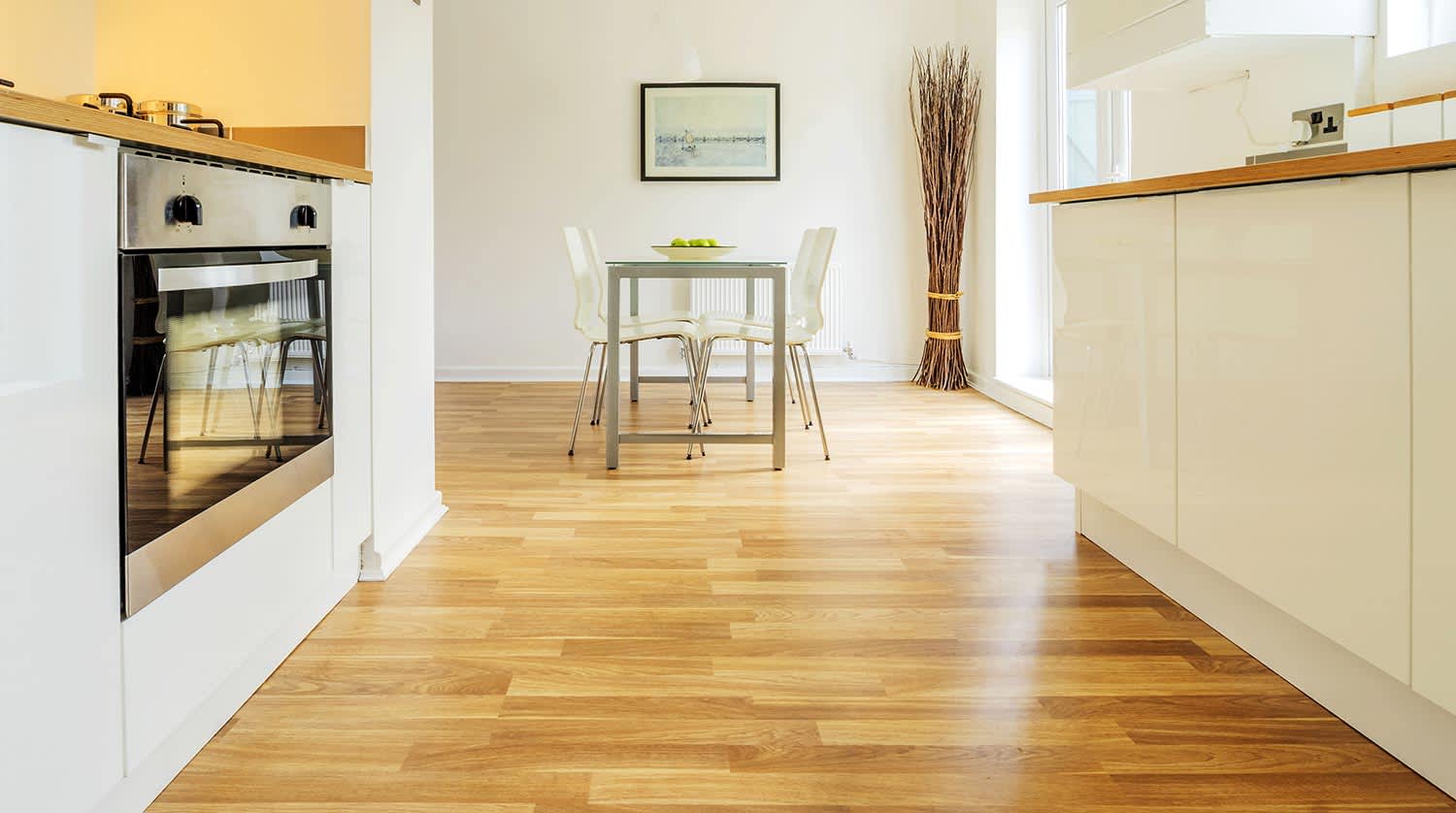
Unsure who to hire to repair laminate floors? See which pros to call, who can repair laminate floors, and how to get it done.

Did you find a problem with your laminate flooring? Read this guide to learn about common laminate flooring issues and how to fix them.
Find a qualified laminate flooring repair pro with ease. Learn what questions to ask, credentials to check, and how to hire the best pro for your repair project.