

Need to open up your living space or make room for a home addition? Use this guide to estimate the cost to remove a wall in your home before you start.
Structural engineering costs depend on your project and location. Check with a local pro for your specific job.


Removing a load-bearing wall in your single-story home costs $1,400 to $1,200, while multi-story homes range from $10,000 to $15,000.
Your wall material impacts demolition costs, with drywall costing less and brick requiring more labor for your project.
You should account for building permits ranging from $500 to $2,000 and potential rerouting of electrical wiring or plumbing lines.
Hiring a local structural engineering professional prevents structural damage and ensures your wall removal meets building codes and passes inspections.
In 2026, the national average cost to remove a load-bearing wall is $5,700. Most homeowners spend $1,400 to $10,000, with costs driven by the number of stories in your home, wall material, and whether electrical or plumbing lines need rerouting.
Wall size directly affects removal costs, with demolition running $0.30 to $6.40 per square foot and beam installation adding $3 to $35 per linear foot, depending on the material. Taller ceilings require taller beams, which increases both material and labor costs. Get a detailed quote from a licensed contractor once you know your wall dimensions and ceiling height.
The cost of a general contractor typically runs 10% to 20% of the total project cost, which is the most common pricing structure for this type of work. On the rare occasion a contractor charges hourly, expect to pay $50 to $150 per hour or $300 to $500 per day. If the job requires a helper, budget an additional $150 to $250 per day.
Since removing a load-bearing wall can seriously impact the structure of your home, you'll want to hire a licensed general contractor to manage the project. Not only do they have a deep understanding of building code and the expertise to undertake large construction projects, but they'll also manage a team of subcontractors, which could include plumbers, electricians, and structural engineers.
Labor makes up a significant share of load-bearing wall removal costs, with hourly rates ranging from $40 to $250. Most projects require more than just a general contractor. You'll likely need a local structural engineer or architect to confirm structural integrity, plus electricians, plumbers, and HVAC technicians to handle anything routed through the wall.
Here are the typical rates for each specialist you may need to hire:
Architect: 8%–20% of the total project
Structural engineer: $350–$800
Electrician: $50–$100 per hour
Plumber: $45–$200 per hour
HVAC technician: $100–$250 per hour
Carpenter: $40–$125 per hour
Drywall is the least expensive wall material to demo ($0.30 to $0.45 per square foot), while brick requires significantly more labor and cost ($2.90 to $6.40 per square foot). Your wall's material is a key cost driver for the demolition phase of a load-bearing wall removal.
Here is a breakdown of removal costs by material type:
| Load-Bearing Wall Material | Average Cost Range Per Sq. Ft. in 2026 |
|---|---|
| Drywall | $0.30–$0.45 |
| Wood | $0.40–$0.60 |
| Plaster | $0.45–$0.75 |
| Brick | $2.90–$6.40 |
Beyond wall size, material, and labor, several additional factors can significantly affect the total cost of removing a load-bearing wall. The wall's location—interior versus exterior—the number of stories in your home, and what's routed inside the wall all play a major role in the final price. Understanding these variables before you get quotes will help you set a more accurate budget.
Removing a load-bearing wall in a single-story home costs $1,200 to $3,000, while the same project in a two- or three-story home runs $3,200 to $10,000. The added complexity of supporting multiple floors above the removed wall drives up both engineering and labor requirements. Get a structural engineer involved early if you have a multi-story home, since the scope of work is considerably more involved.
Removing an interior load-bearing wall costs $1,200 to $2,500 on average, depending on the material and whether lines or ducts inside need rerouting. Exterior wall removal is a far more complex undertaking—most contractors avoid it entirely because these walls are fundamental to your home's structure. If exterior removal is unavoidable, you'll need to hire a structural engineer, an architect, and a general contractor, and should budget for up to $10,000.
Pulling a permit is required for load-bearing wall removal, and the average cost for a building permit is $1,700, though costs range from $500 to $2,000 depending on project scope. Permitting agencies require this review because load-bearing walls are critical to your home's structural integrity. Your contractor can typically pull the necessary permits on your behalf before work begins.
Completing a project without a permit could result in major fines or having to tear it down and start over. A reputable contractor can pull the necessary permits for you prior to starting a project.

Hidden mold or asbestos inside a load-bearing wall can add significant costs to your removal project, with mold remediation running $10 to $25 per square foot, depending on severity. Asbestos removal costs an average of $5 to $20 per square foot and must be handled by a licensed abatement professional. If your home was built before 1980 or has a history of water damage, have the wall inspected for both issues before demolition begins.
Any electrical wires running through a load-bearing wall must be rerouted before or during removal, and an electrician will charge $50 to $150 per hour for this work. Project complexity and wiring type are the main variables that affect the total hours required. Ask your electrician for a scope estimate before demolition starts so you can budget accurately.
A plumber charges $45 to $200 per hour to reroute plumbing lines, while gas line relocation runs $15 to $25 per linear foot. If your load-bearing wall contains plumbing or gas lines, rerouting them adds to your project cost. Confirm with your contractor whether any lines run through the wall before finalizing your budget.
A fresh paint job costs $2 to $6 per square foot, plus $20 to $50 per hour for a painter to complete the work. After wall removal, you'll need to budget for paint or wallpaper touch-ups to restore the surrounding surfaces. This is one finishing task many homeowners choose to handle themselves to reduce overall project costs.
Retexturing a ceiling or adjoining wall after load-bearing wall removal costs $1.80 to $3.80 per square foot on average, or around $45 for a 35-square-foot area. The type of texture and whether you need to retexture a wall, a ceiling, or both will affect the final cost. Get a separate quote for this finishing work so it doesn't catch you off guard at the end of the project.
Rerouting HVAC ducts during a load-bearing wall removal costs $25 to $55 per linear foot. The type of ductwork and whether any components need to be updated are the main factors that can push costs higher. Have an HVAC technician assess the duct layout before demolition so you can account for this expense upfront.

Replacing a load-bearing wall with a support beam costs $3,300 on average, though the final price depends on the beam type you need. Beam material, length, width, and installation labor all influence the cost. Before selecting a beam, consult a pro who removes load-bearing walls to ensure you choose the right option for your home's structural requirements.
Removing a load-bearing wall isn't a safe DIY job. Since these walls double as crucial support points for your home, improper removal can lead to structural damage, foundation issues, or even collapse. Hiring a licensed local structural engineer ensures your home's structure stays intact and construction is done safely in compliance with local building codes.
Removing a load-bearing wall requires specialized expertise and permits, so it's not something you can DIY. Here's why hiring a structural engineer is an absolute necessity:
Pros can determine whether a wall is load-bearing, which is something most homeowners can't identify confidently.
Licensed structural engineers ensure the wall removal follows building codes and passes required inspections.
Pros help avoid costly mistakes like structural failures, wall cracking, or additional repairs from DIY errors.
Electrical wires, plumbing, gas lines, and HVAC ducts inside the wall may also need to be rerouted by certified electricians, plumbers, or HVAC technicians.
If you'd like to potentially save on labor hours, here are a few smaller DIY-safe tasks to consider:
Prep the area by removing any decor, furniture, or other obstructions
Cover nearby surfaces and flooring to protect them from dust during demolition
Clean and dispose of leftover construction materials

While DIYing this project isn't feasible for most homeowners, that doesn't mean your project's total cost is set in stone. If you're up for a weekend project, it's possible to save money when removing your wall. Here are a few ways you can do so:
Repaint Yourself: If you're removing a portion of your wall, it and your ceiling may need to be repainted to keep everything looking good as new. You can bypass hiring a painter by tackling this part of the project yourself.
Hang New Wallpaper: Your wallpaper will look worse for wear if you only remove part of your load-bearing wall. So, you can install a fresh layer of wallpaper yourself to save some bucks.
Choose Budget Beams: There are different types of beam materials on the market, and if you have a little flexibility, you can look for the most budget-friendly option that still meets your needs. For example, an LVL beam costs around $3 to $12 per linear foot, while a steel beam costs about $6 to $20 per linear foot.
Let your pro know which type of wall you need to remove, such as load-bearing, non-load-bearing, or partition.
Be prepared to discuss any electrical wiring, plumbing, or HVAC considerations with your pro.
If there is room left in your budget, you can talk with a pro about add-ons like built-in shelving, recessed lighting, or accents.
Ask your pro about the necessary permits, timeline, and debris disposal process.
Home is the most important place on earth, which is why Angi has helped more than 150 million homeowners transform their houses into homes they adore. To help homeowners with their next project, Angi provides readers with the most accurate cost data and upholds strict editorial standards. We extensively research project costs to develop the pricing data you see, so you can make the best decisions for you and your home. We rely on reputable sources, including the U.S. Bureau of Labor Statistics, academic journals, market studies, and interviews with industry experts—all to ensure our prices reflect real-world projects.
Want to help us improve our cost data? Send us a recent project quote to [email protected]. Quotes and personal information will not be shared publicly.
This company does it right. Firstly, I want to say that Landan was a joy to work with. He was so kind, transparent, and had everything under control. His entire team showed up ready to work and they were all very respectful of the fact that we were in an office space. A little backstory – we...
 Krumlauf Floors
Professional Team, smooth to communication chain and schedule flexibility. Follows proper construction procedure and completes task on time.
 Pegasus Concrete
I cannot recommend Inspired Design Contracting highly enough! From start to finish, working with Jim Venetucci was an absolute pleasure. His vast knowledge and keen understanding of design were evident in every conversation. What truly set Jim apart was his incredible patience and genuine...
 Inspired Design & Contracting
We have bought and sold numerous times over the past 50 years. Sherman Hall and Top Line are top notch. Thorough and detailed, he explains every possibility, probability, and eventuality. High class and pleasant. The best.
 Top Line Home Inspections, LLC
Excellent experience in mounting our 77 inch TV with in wall cable management. Service was efficient and would highly recommend!
 Tether House
Storms Mobile Welding was great to work with. They were prompt, professional and did an overall excellent job on the project. I highly recommend.
The techs on my project, Shawn and Cliff, were great. They were prompt, courteous, and efficient. I am very happy with the results and would definitely contact Mr. Electric for any future electrical projects.
 Mr. Electric of Columbus
Excellent choices and quality of materials. Workmen were very efficient and took their work very seriously. Pride of workmanship and cleaned up beautifully at end of job. Would recommend this company highly.
 Window Depot USA of Central Ohio
The guys at PaveWay are top notch. From the estimate to the job being completed,all was done in a timely and professional manner. I myself was a DOT Engineer Inspector(know what to look for) and got to talking with Cameron and he himself was a Contract inspector for a few years,same job as...
 All Star Paving and Sealing
Car interior was immaculate, brand new. You could eat off the engine it was so clean. Truly showroom quality. Clint shows you the water from the interior cleaning, and my daughter would have gagged had she known. Now, a father's daughter loves the car even more, thanks to Clint.
 Auto Detail Doctor
From average costs to expert advice, get all the answers you need to get your job done.
Need to open up your living space or make room for a home addition? Use this guide to estimate the cost to remove a wall in your home before you start.
Whether you're remodeling a previously owned home to suit your tastes or updating your own previous renovations, removing mirrors glued to a wall can be an important part of personalizing your home to match your aesthetic.

Get transparent wallpaper removal cost info to learn average prices, key cost factors, and tips to save on your wallpaper removal project.

Before you can start a major remodel, you need to know how to tell if a wall is load-bearing. Learn what a load-bearing wall is and how to identify one.

If your home lacks effective flow, removing walls can open it up nicely—but it must be done correctly. Here’s how to remove a load-bearing wall safely.
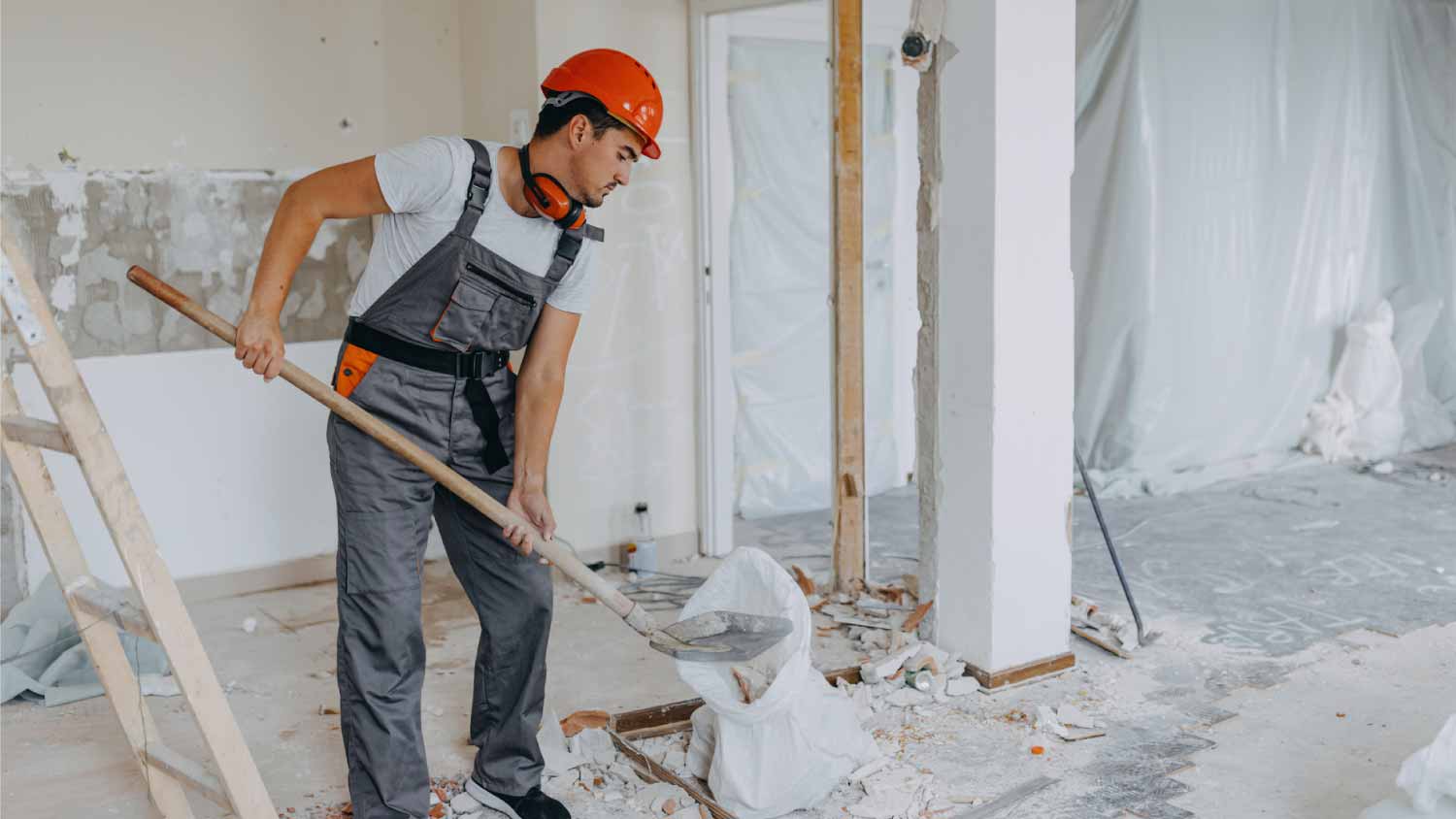
Looking to open up your living space and need to remove a wall? Learn who to hire to knock down a wall, whether it's load-bearing or non-load-bearing.