


Do you have a load-bearing wall standing between you and your projects that you want to remove? Learn about the cost of removing a load-bearing wall.
Structural engineering costs depend on your project and location. Check with a local pro for your specific job.

Professional LVL beam installation costs between $1,500 and $4,000 for your materials and labor combined.
The length of your desired span and the thickness of the beam you need determine your final project total.
You should also account for the cost of building permits and potential foundation reinforcement when you create your project budget.
Hiring a local general contractor ensures your home structure remains sound and prevents parts of your home from collapsing.
The average cost to install an LVL beam in your home is around $2,500, but prices can range from $500 all the way up to $6,000, depending on the size of the beam you need, the location in your home, and some other factors. You can expect to pay between $50 and $200 per linear foot for materials and labor.
The size of your LVL beam will play the biggest role in your installation costs. Longer and thicker LVL beams cost more for materials and take more effort and time to install, which drives up labor costs.
Most homeowners will choose LVL beams over traditional lumber because they want to open up their living space. The cost of the beam can depend on how long you want the span in your home without vertical supports. The longer the span, the thicker your LVL beam will need to be, with the thickest LVL beams available for residential use able to span between 20 and 30 feet.
Since a wider span without support is often the goal of installing an LVL beam, you can use the table below to figure out what size beam you’ll need and how much it will cost based on the span.
| Span Goal (linear feet) | Dimensions (inches) | Average Cost |
|---|---|---|
| 10 | 2x6 | $500–$2,000 |
| 12 | 2x8 | $600–$2,400 |
| 15 | 4x10 | $800–$3,000 |
| 20 | 4x12 | $1,000–$4,000 |
| 25 | 4x15 | $1,250–$5,000 |
| 30 | 4x16 | $1,500–$6,000 |
LVL beams are structural components of your home, whether you’re installing one as part of a new construction project or retrofitting your home with one to open up the living space. As such, you’ll need to hire a structural engineer to design the beam, confirm appropriate dimensions, and ensure the new beam will support the weight above it without issues.
The cost of a structural engineer averages around $550 for a project like installing an LVL beam, but prices can fluctuate between $350 and $800 depending on the size of your beam and whether you need additional structural changes to your home to support the LVL beam.
While a structural engineer designs and signs off on your construction plans, you’ll also need a local general contractor to carry out the actual installation. The cost to have a general contractor install your LVL beam will often fall between $40 and $190 per linear foot, making up between 80% and 95% of the total cost.
Average costs for materials and installation labor sit around $2,500 total. Your prices could be higher or lower, depending on the length of the beam you’re installing, how much demolition work is necessary to expose the beam you’re replacing, and how much build-back you need done after the job is complete.
Installing an LVL beam often means removing vertical support beams or load-bearing walls in your home, which could also involve rerouting electrical wiring and plumbing lines. If that’s the case for your project, you’ll also need to budget for the cost of an electrician and a plumber.
Electricians charge between $50 and $130 per hour or an average of $350 to move electrical boxes and switches on the wall you’re removing. Hiring a plumber costs between $45 and $200 per hour, or a total of around $400, to move water supply lines and drain lines in the wall you’re removing and replacing with an LVL beam.
Most of what you’ll pay to install an LVL beam goes toward labor, and labor costs tend to scale with the local cost of living. You’ll see different beam installation costs depending on where you live, with higher prices expected in more expensive states and near major metropolitan areas.
| State | LVL Beam Cost |
|---|---|
| California | $3,580 |
| Florida | $2,560 |
| Georgia | $2,270 |
| Illinois | $2,370 |
| Michigan | $2,270 |
| New York | $3,090 |
| North Carolina | $2,440 |
| Ohio | $2,350 |
| Pennsylvania | $2,380 |
| Texas | $2,290 |
There are some additional cost factors that your structural engineer and general contractor may or may not include in the pricing mentioned above. You should speak with your professionals to see what is and isn’t included, and pay attention to the following to get accurate totals.
All municipalities will require building permits for any work that alters the structure of your home, like installing an LVL beam. In most cases, permits cost anywhere between $100 and $500 for this project. If you’re installing LVL beams as a part of a new construction project, total permit costs will be higher, but only a small portion will be associated with the LVL beam itself.
Most general contractors will include build-back in their estimates to install an LVL beam, but some won’t. If you’re an avid DIYer, you can tackle things like patching sheetrock and installing flooring over the gap where you remove your load-bearing wall or vertical supports. If not, you could pay between $400 and $2,000 for build-back after LVL beam installation, depending on the length of the beam.
Installing LVL beams changes how the load of your home sits on the foundation. In some cases, you might have to pay additional fees to reinforce the parts of the foundation that will receive additional load. In most cases, this will involve placing supportive piers beneath the affected areas. This could cost between $1,000 and $3,000 per pier, and a structural engineer may need to conduct a foundation inspection to determine how many piers are required.
Nearly 95% of the cost to install an LVL beam is the labor, but you should never skip hiring a local structural engineer and general contractor for this type of work. It is essential for the structural integrity of your home.
Under no circumstances should homeowners attempt to design an LVL beam, remove load-bearing walls and vertical supports, and install the LVL beam. Here’s why you need to work with a contractor:
Load-bearing walls, vertical beams, and LVL beams are all crucial to the structural integrity of your home. Removing one without the proper support or installing one incorrectly could quite literally result in parts of your home collapsing.
In many municipalities, local building code requires that LVL beams be designed by certified structural engineers and installed by certified general contractors.
Removing load-bearing walls often involves additional work, like rerouting plumbing and electrical. These are tasks also best left to professionals.
There is an opportunity for errors at every stage of this project; inexperienced homeowners risk damage to their home and harm to themselves by tackling the work themselves.
Structural engineers and general contractors carry liability insurance, which covers them (and thus you) in the event of an expensive error.
If you already have an LVL beam installed and find that it’s damaged or cracked, you’ll have to decide between a replacement or repair. Replacing the beam will cost between $50 and $200 per linear foot, while repairing or reinforcing will cost significantly less, depending on the extent of the damage. The most affordable option could be to frame a new wall underneath the existing beam for added support, but this will change the floor plan of your home.
While repairing or reinforcing will save you money, it’s often better to replace instead of repair when it comes to structural components that are relatively easy to access, like LVL beams. Replacing will give you greater peace of mind and should provide more value, as the replacement beam will last longer than a repair. Just be sure to address the underlying issue that caused the damage to avoid repeat issues.
LVL beam installation can reach up to around {{nationalMaxCost}}, making it an expensive project. There are a few things you can do to help keep costs down.
DIY the build-back. While you should always leave the design and installation of your LVL beam to the pros, you can save some money on labor by patching drywall and finishing flooring around the vertical supports or load-bearing walls you’re removing.
See if your structural engineer will do the construction work. Some structural engineers can both design and install your new LVL, and you may get a small discount on the installation labor if you have your engineer do both.
Consider LVL alternatives. You can consider more affordable options, like solid lumber with vertical supports of glulam beams instead of LVL. These don’t cost as much, but they also can’t span as large of a distance without vertical supports.
In most cases, yes, installing LVL beams will increase your home value because they allow for wider gaps in your living space without vertical supports. Most homebuyers now prefer open floor plans, and LVL beams are more suited for these than solid lumber and other LVL beam alternatives that can’t provide the same open spans. In most cases, you can expect to see between an 80% and 90% return on investment (ROI) when installing LVL beams to open up your living space.
If you’re looking to maximize the bump in your home value, you could opt instead for a steel I-beam over a wooden beam. This is a more expensive option, but you can span much greater distances for an even more open floor plan that will appeal to buyers.

Discuss the benefits of an LVL beam vs. a steel beam with the structural engineer; use their expertise to help you decide.
Talk to your general contractor about what other subcontractors might be required for this project, such as plumbers and electricians, so you can better anticipate who’s going to be in your home and how much work will be done.
Determine if there are related projects you’d like to tackle at this time. You might get a discounted rate by having the general contractor tackle additional work in the same area of your home.
Ask the contractor who is responsible for obtaining the permit for this project before work begins.
Home is the most important place on earth, which is why Angi has helped more than 150 million homeowners transform their houses into homes they adore. To help homeowners with their next project, Angi provides readers with the most accurate cost data and upholds strict editorial standards. We extensively research project costs to develop the pricing data you see, so you can make the best decisions for you and your home. We rely on reputable sources, including the U.S. Bureau of Labor Statistics, academic journals, market studies, and interviews with industry experts—all to ensure our prices reflect real-world projects.
Want to help us improve our cost data? Send us a recent project quote to [email protected]. Quotes and personal information will not be shared publicly.
This company does it right. Firstly, I want to say that Landan was a joy to work with. He was so kind, transparent, and had everything under control. His entire team showed up ready to work and they were all very respectful of the fact that we were in an office space. A little backstory – we...
 Krumlauf Floors
Professional Team, smooth to communication chain and schedule flexibility. Follows proper construction procedure and completes task on time.
 Pegasus Concrete
I cannot recommend Inspired Design Contracting highly enough! From start to finish, working with Jim Venetucci was an absolute pleasure. His vast knowledge and keen understanding of design were evident in every conversation. What truly set Jim apart was his incredible patience and genuine...
 Inspired Design & Contracting
We have bought and sold numerous times over the past 50 years. Sherman Hall and Top Line are top notch. Thorough and detailed, he explains every possibility, probability, and eventuality. High class and pleasant. The best.
 Top Line Home Inspections, LLC
Excellent experience in mounting our 77 inch TV with in wall cable management. Service was efficient and would highly recommend!
 Tether House
Storms Mobile Welding was great to work with. They were prompt, professional and did an overall excellent job on the project. I highly recommend.
The techs on my project, Shawn and Cliff, were great. They were prompt, courteous, and efficient. I am very happy with the results and would definitely contact Mr. Electric for any future electrical projects.
 Mr. Electric of Columbus
Excellent choices and quality of materials. Workmen were very efficient and took their work very seriously. Pride of workmanship and cleaned up beautifully at end of job. Would recommend this company highly.
 Window Depot USA of Central Ohio
The guys at PaveWay are top notch. From the estimate to the job being completed,all was done in a timely and professional manner. I myself was a DOT Engineer Inspector(know what to look for) and got to talking with Cameron and he himself was a Contract inspector for a few years,same job as...
 All Star Paving and Sealing
Car interior was immaculate, brand new. You could eat off the engine it was so clean. Truly showroom quality. Clint shows you the water from the interior cleaning, and my daughter would have gagged had she known. Now, a father's daughter loves the car even more, thanks to Clint.
 Auto Detail Doctor
From average costs to expert advice, get all the answers you need to get your job done.
Do you have a load-bearing wall standing between you and your projects that you want to remove? Learn about the cost of removing a load-bearing wall.

Beam installation costs are an important consideration if you’re building a home or doing renovations. Learn about average costs and factors in this guide.

Need to open up your living space or make room for a home addition? Use this guide to estimate the cost to remove a wall in your home before you start.
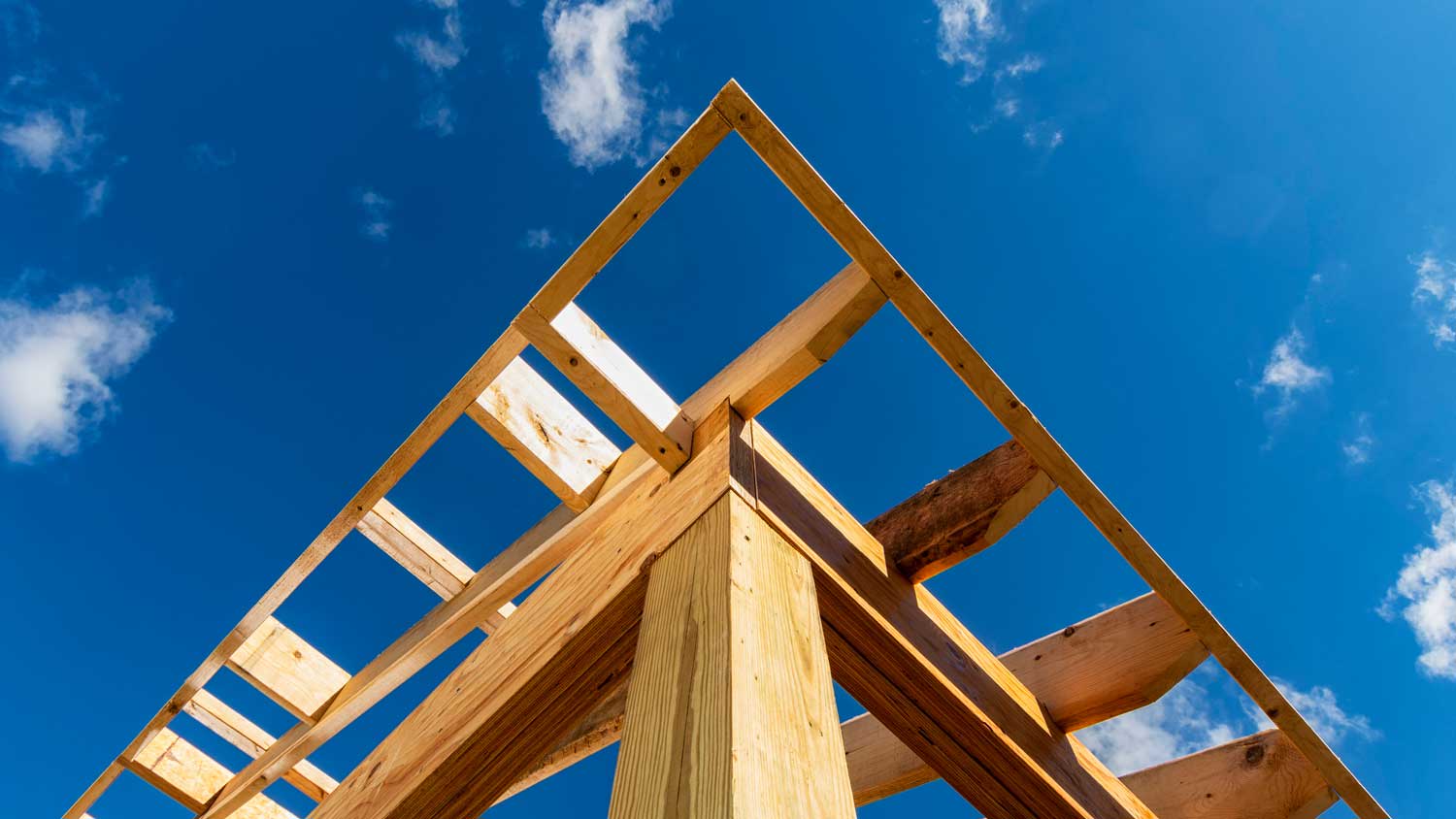
What is an LVL beam? Read about LVL beams to determine if this material is safe and suitable for your project.

Before you can start a major remodel, you need to know how to tell if a wall is load-bearing. Learn what a load-bearing wall is and how to identify one.
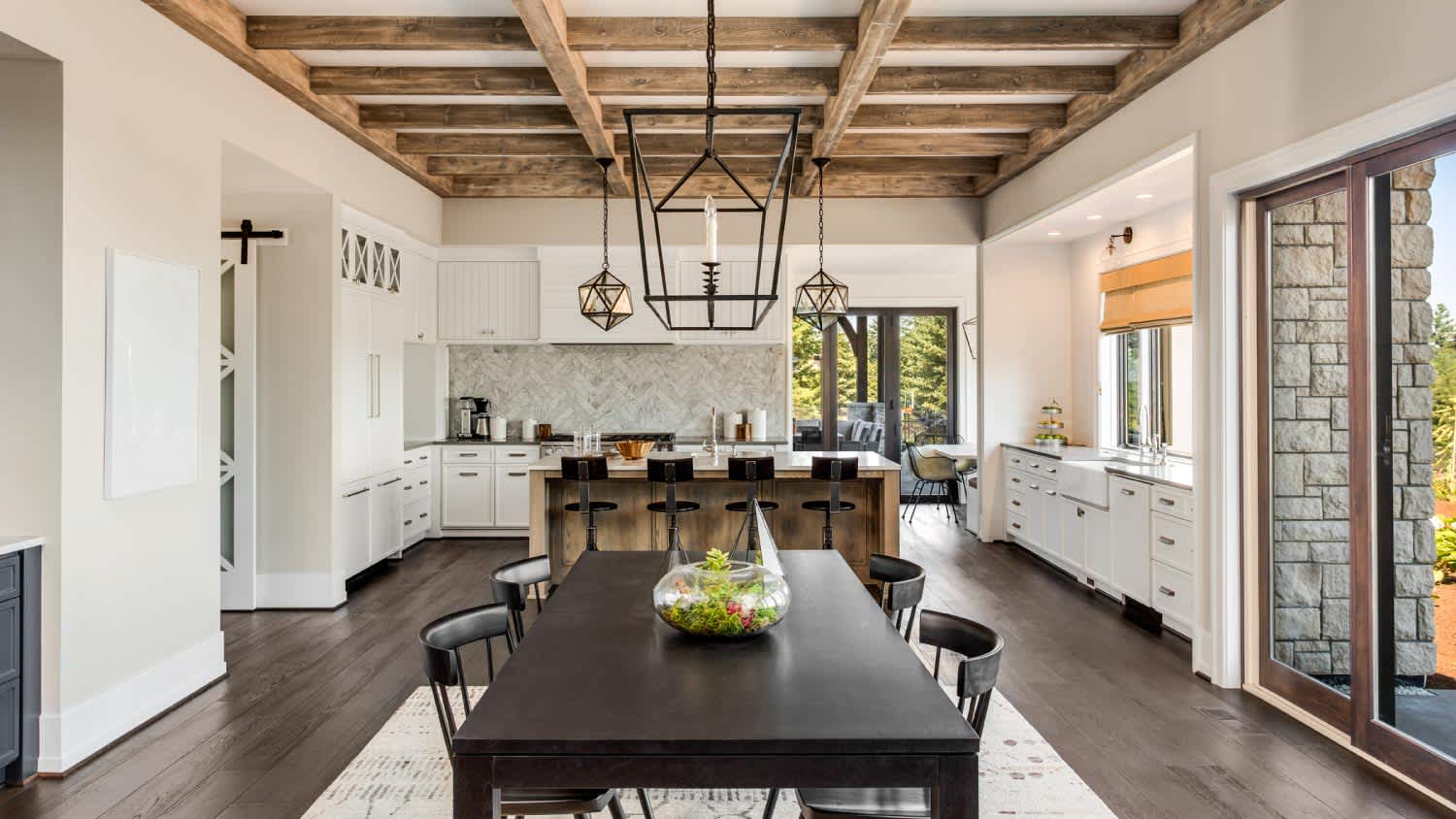
Faux wood ceiling beams add an extra layer of coziness to any room in your home. Learn how to DIY faux beam installation with this step-by-step guide.