
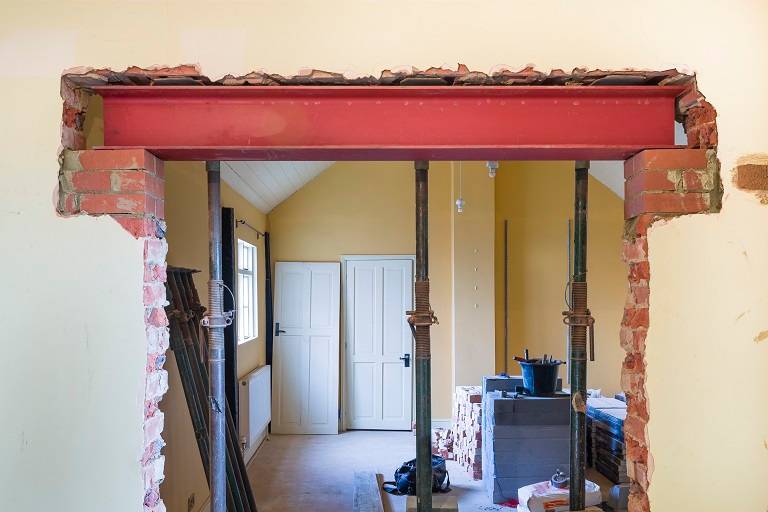
A new steel I-beam is more durable than a wooden one. Learn what factors can affect steel I-beam installation costs and how to budget for this project.
You’ll beam with pride at your newfound knowledge about these construction materials

Steel structural beams support heavier weight than wood beams, while wood beams cost less and are readily available for your project.
Wood beams are prone to rot, swelling, and termite damage over time, while treated steel resists rust for long-lasting support in your home.
Steel beams work best for large open spaces in your home, while wood beams suit your budget-conscious project and are easier to install.
Hiring a local structural engineering professional provides clear guidance on beam selection and load calculations, keeping your construction project structurally sound.
If you’re building a new house, adding on to your house, or doing major renovations, your construction project will need structural beams to support the weight of the house. Steel and wood are the two most common materials for structural beams, and each has its own pros and cons. Learn the differences between structural steel beams and wood beams so you can choose the right material for your building project.
Whether you need to replace a main house support beam, install a basement support beam, or build a new house, structural beams are a fundamental part of making your house structurally sound. Structural steel beams are more durable and less prone to damage than wood beams, but they cost more and are much heavier to work with. Wood beams are more cost-effective and easier to install but are prone to rot and insect damage.
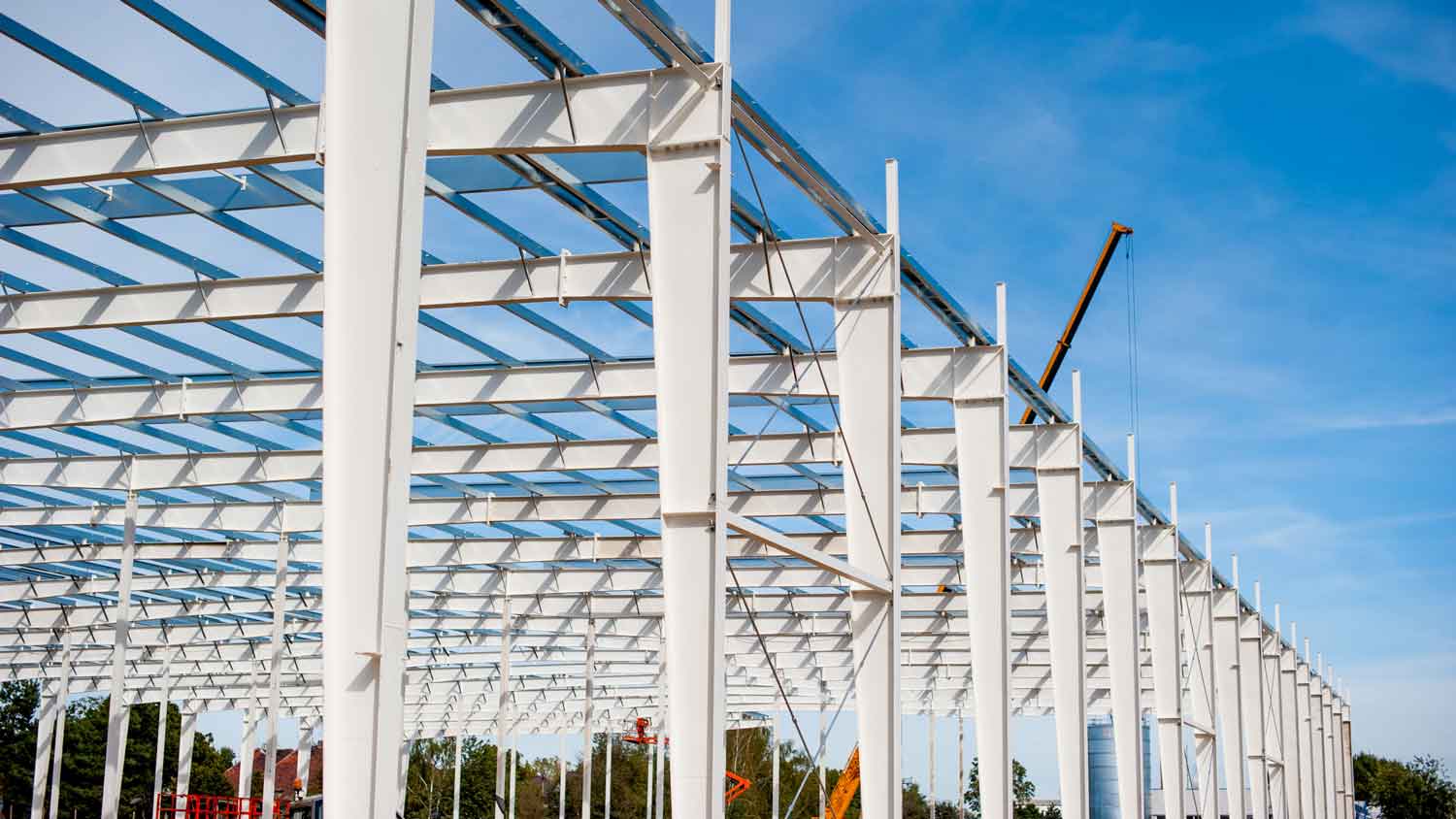
Structural steel beams are a popular choice for building materials due to their strength and durability. These beams can support heavier weight than wood and require fewer vertical supports, so they’re often used in large, open spaces to avoid interruption by columns. They can also be used for increased strength to support extended rooflines and exterior features like balconies.
The added strength does come at a price, though. In addition to costing more in materials, the cost to install steel beams is higher than wood because steel beams are much heavier and may require special equipment for installation. They may also take longer to fabricate and ship to the job site.
| Pros | Cons |
|---|---|
| Higher weight-bearing strength | More expensive |
| Extremely durable | Much heavier than wood |
| Corrosion-resistant | Difficult to install |
Best for: Homes with large open interior spaces, homes in areas prone to moisture and termite damage
When it comes to durability, steel beams have a much longer life span than their wood counterparts. Steel isn’t prone to rot, swelling, corrosion, or termite damage, and because steel can handle heavier weight, it’s less likely to bow, bend, or break. The higher weight-bearing strength also means steel beams can effectively support taller and larger buildings with fewer vertical supports.
While steel beams can support much more weight than wood beams, they’re also much heavier. The added weight makes them more difficult to install, and they may require special equipment and handling during construction. Steel beams also take longer to obtain since they have to be fabricated off-site and shipped to the job site.

Wood beams are widely used in residential construction and have been since long before steel beams became available. Wood is a fairly plentiful resource and an extremely versatile material that can easily be cut to size for various uses. Wood beams can be solid timber or made from composite lumber glued together, known as LVL beams. Both are less expensive than steel, and timber and LVL are similar in price.
Wood beams are budget-friendly, easy to obtain, and easy to work with, but they’re prone to warping, shrinking, moisture, and termite damage, and they don’t last as long as steel.
| Pros | Cons |
|---|---|
| Cost-effective | Prone to rot and termite damage |
| Easier to install | Less structural strength |
| Easily cut to size | Shorter life span |
Best for: Budget-conscious homeowners, building projects on a tight schedule
Wood beams are so common in houses because they’re affordable and readily available. They’re also a good choice if construction time is limited since they’re easy to obtain, can be cut to specifications right at the job site, and don’t require additional specialized equipment to install.
While wood is a more budget-friendly material than steel, it also doesn’t last as long. Wood is prone to termite damage, shrinking, swelling, and rot, and wood beams need to be replaced more often than steel ones. Wood also has less weight-bearing strength than steel, so more beams and vertical supports are needed to support the same amount of weight.
When it’s time to decide which material to choose for your construction project, consider the following factors so you can make the right choice. A local structural engineer can also help you assess the right material for your needs—a structural engineer can cost between $200 and $1,500 to hire, depending on the job.
The up-front cost for wood beams is significantly lower than steel, so you’ll pay less in material costs when building. Depending on how long you own your home, though, wood may end up costing more over time if you need to replace or repair damaged beams.
If you have a damaged beam that needs to be replaced, it’s easier to replace a wood beam than a steel one. Replacing steel beams will require additional equipment due to the material’s weight.
When it comes to installing beams, wood is easier to work with and carries a lower beam installation cost than steel. Wood beams can be obtained and installed faster than steel and don’t need specialized equipment to handle the additional weight.
Since steel beams aren’t prone to rot, moisture damage, or termite infestation, they’re much more durable than wood beams. As long as the steel is galvanized or treated, it will resist rust and stay strong for decades longer than wood.
Steel beams have a much higher weight-bearing capacity than wood, so they are better for supporting larger or taller houses. Steel’s strength also means you can use fewer beams and columns to support an area than you would need if you used wood.
Because of steel’s ability to support more weight, it’s ideal for houses built on a larger scale, particularly those that include large open spaces you want to remain uninterrupted by columns. Steel is often used in larger-scale commercial construction. The qualities that make it the right choice for those buildings can be used to your benefit in larger residential construction.
This company does it right. Firstly, I want to say that Landan was a joy to work with. He was so kind, transparent, and had everything under control. His entire team showed up ready to work and they were all very respectful of the fact that we were in an office space. A little backstory – we...
 Krumlauf Floors
Professional Team, smooth to communication chain and schedule flexibility. Follows proper construction procedure and completes task on time.
 Pegasus Concrete
I cannot recommend Inspired Design Contracting highly enough! From start to finish, working with Jim Venetucci was an absolute pleasure. His vast knowledge and keen understanding of design were evident in every conversation. What truly set Jim apart was his incredible patience and genuine...
 Inspired Design & Contracting
We have bought and sold numerous times over the past 50 years. Sherman Hall and Top Line are top notch. Thorough and detailed, he explains every possibility, probability, and eventuality. High class and pleasant. The best.
 Top Line Home Inspections, LLC
Excellent experience in mounting our 77 inch TV with in wall cable management. Service was efficient and would highly recommend!
 Tether House
Storms Mobile Welding was great to work with. They were prompt, professional and did an overall excellent job on the project. I highly recommend.
The techs on my project, Shawn and Cliff, were great. They were prompt, courteous, and efficient. I am very happy with the results and would definitely contact Mr. Electric for any future electrical projects.
 Mr. Electric of Columbus
Excellent choices and quality of materials. Workmen were very efficient and took their work very seriously. Pride of workmanship and cleaned up beautifully at end of job. Would recommend this company highly.
 Window Depot USA of Central Ohio
The guys at PaveWay are top notch. From the estimate to the job being completed,all was done in a timely and professional manner. I myself was a DOT Engineer Inspector(know what to look for) and got to talking with Cameron and he himself was a Contract inspector for a few years,same job as...
 All Star Paving and Sealing
Car interior was immaculate, brand new. You could eat off the engine it was so clean. Truly showroom quality. Clint shows you the water from the interior cleaning, and my daughter would have gagged had she known. Now, a father's daughter loves the car even more, thanks to Clint.
 Auto Detail Doctor
From average costs to expert advice, get all the answers you need to get your job done.
A new steel I-beam is more durable than a wooden one. Learn what factors can affect steel I-beam installation costs and how to budget for this project.

Beam installation costs are an important consideration if you’re building a home or doing renovations. Learn about average costs and factors in this guide.
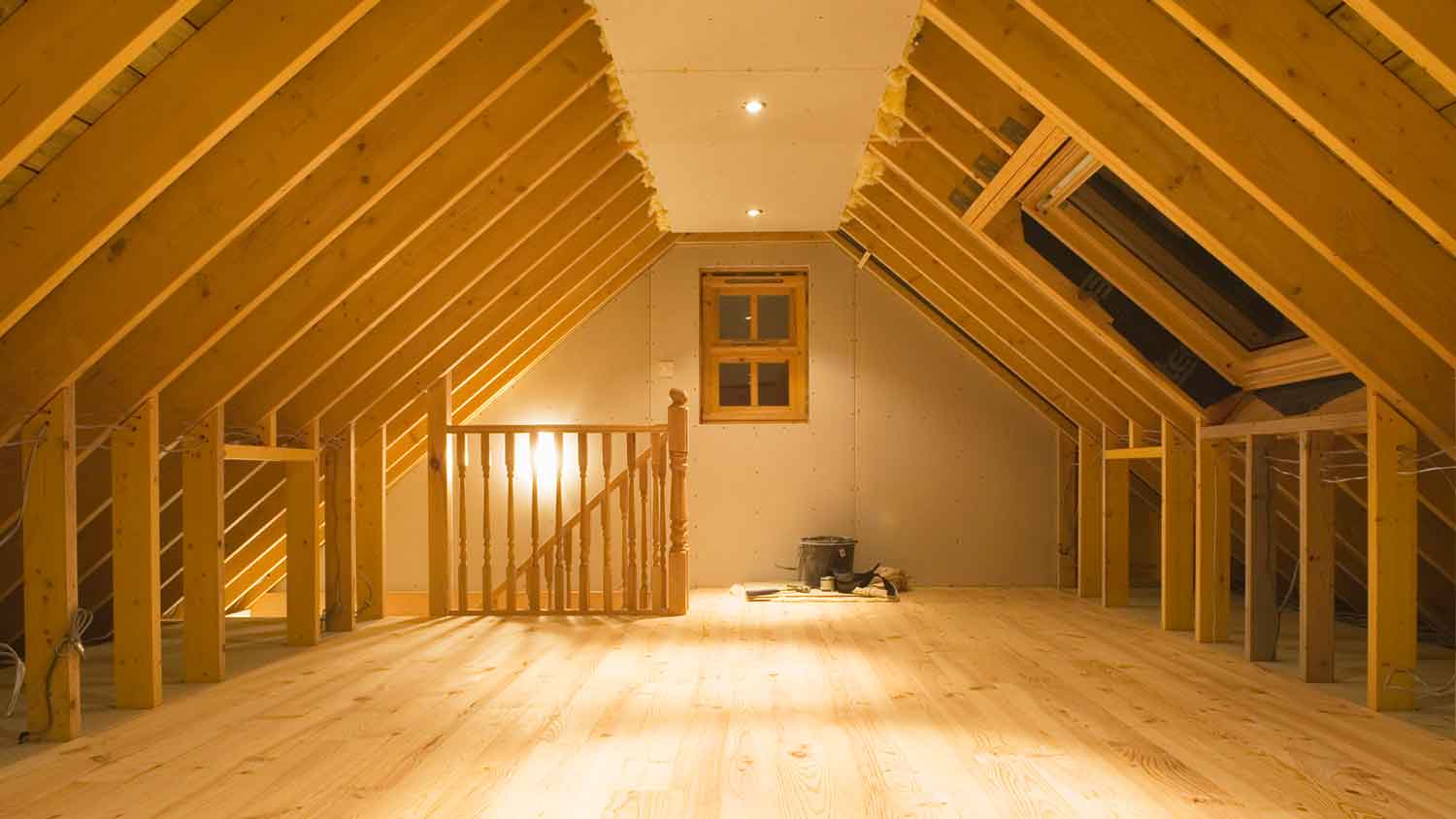
Discover the cost to install faux wood beams. Learn about price factors, installation options, and ways to save on your faux wood beam project.
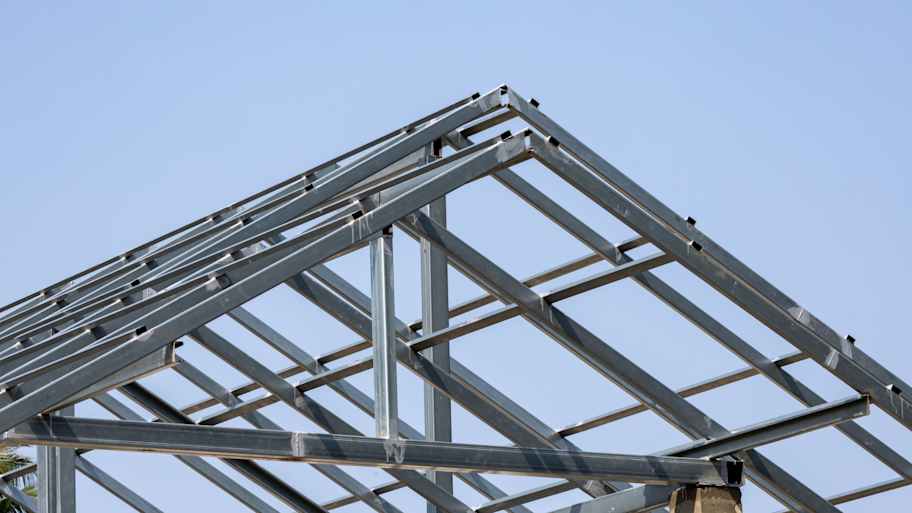
Steel beams are critical framing components that support your house. Learn about steel beam sizes and how to determine what size steel beam you need.
Find who to hire for steel beam installation. Learn who to call, what each pro does, and plan your project with confidence.
Find the right steel beam installation company for your project. Learn what questions to ask, qualifications to check, and how to ensure structural safety.