

Strong floor joists are the key to a structurally safe home. The cost of floor joist repair will often come down to what is causing the problem.
Beams are larger and provide more stability, while joists connect to beams for support

Joists and beams both provide structural support in your home, but beams are larger and transfer weight directly to your foundation while joists distribute loads to the beams.
Beams span longer distances and appear in smaller numbers with wider spacing, while joists are shorter and spaced 16 to 24 inches on center across your floors and roof.
The right choice between repair and replacement depends on the damage extent, location, and whether you're addressing joists or beams in your home's structure.
Hiring a local concrete foundation company provides reliable guidance on beam replacement and structural repairs, keeping your home stable and safe throughout the process.
Whether you’re considering framing out a section for a home, need to repair or replace a framing component, or you’re just interested in learning about how your home is built, it’s important to understand the differences between joists vs. beams. Both are structural components with similar jobs, but they play drastically different roles in your home’s stability. In this guide, we’ll discuss the differences between a joist and a beam and how to tell the difference between the two.

Joists and beams are both framing components that appear in the floors and the roofs of most homes, with the primary difference being that beams provide structure and support for your home directly, while joists help distribute the load of the structure evenly across the beams. Beams are usually larger and thicker since they bear more weight, and joists are smaller and appear in greater numbers in both floor and roof applications.
Just as a note, the term “beam” can also refer to vertical support posts in a pier and beam foundation, but more often the term means the horizontal support in the floor or roof of a home.

Joists and beams might play a similar role in providing support to your home, but they look quite different, so they’re easy to tell apart once you know what you’re looking for.
| Joist Appearance | Beam Appearance |
|---|---|
| Thinner lumber | Thicker lumber |
| Short (usually <10 feet) | Can span the entire home |
| Appear in larger numbers | Appear in fewer numbers |
| Spaced 16–24” on center | Spaced several feet on center |
| Almost always lumber | Lumber, LVL, or steel |
Beams in home construction are typically wider than joists since they need to hold up more weight. Home builders usually use 2-inch by 10-inch or 2-inch by 12-inch framing lumber for beams.
Joists provide less support, so they’re typically thinner. Builders more commonly use 2-inch by 6-inch or 2-inch by 8-inch framing lumber for joists. It’s possible that the joists in your home are 2-inch by 10-inch or even 2-inch by 12-inch; this is uncommon, but just in case, don’t go by the thickness alone to differentiate between the two.
Beams are usually much longer than joists, sometimes spanning the entire length of your home. Several beams might attach end to end to span the distance, but they will appear as one long beam. Joists are shorter, butting up against the beam and connecting it to the edge of the structure—usually to another beam around the perimeter of the house.
Most flooring and roofing systems only use a handful of beams spaced out at four to ten feet on center. That means across the entirety of your home, you’re likely to have two to four beams.
Proper framing calls for joists spaced out at 16 to 24 inches on center—depending on the thickness of the framing lumber—which means there will be many more joists than beams. Across a span of just 40 feet, you’re likely to see two to four beams but between 20 and 30 joists.
If you see many planks running parallel to one another and between 16 and 24 inches apart, these are joists. Wider spacing between boards running perpendicular to these would mean you’re looking at beams.
Finally, you can sometimes identify what piece of the framing you’re looking at based on the building material. Joists are almost always wood in residential construction, and while beams are usually wood, too, some home builders use steel I-beams.
Steel I-beams cost significantly more than wood ones, but they come with some advantages. First, they can support far more weight, so they’re better for larger buildings. Second, they often don’t need supports underneath them, which means you can get a truly open floor plan on your main floor or in your basement without the need for support posts or piles spanning the length of your home.
In some cases, you might see laminated veneer lumber (LVL) beams. LVL beams cost more than traditional lumber, but they’re straighter and more uniform, and they’re much more affordable than steel beams. LVL lumber is rarely used for joists.

Most of the visual variances between joists and beams stem from functional differences. There are a handful of things that set beams and joists apart when it comes to providing support for your home.
| Joist Functionality | Beam Functionality |
|---|---|
| Distributes load to beams | Distributes load to foundation |
| No support from underneath | Supported by piles or posts |
| Fixed ends | Fixed, cantilevered, or overhanging ends |
| Easy to repair and strengthen | Very involved to replace |
Beams are usually thicker and get support from underneath from posts or piles because they hold the majority of the structure’s weight. In fact, joists transfer the weight of the materials above them directly to the beams, so beams also provide support to the joists.
As you might guess, beams are stronger for this reason as well. Not only is larger dimensional lumber used, but builders sometimes double up beams to provide extra support. Joists help distribute the load and serve as a means of providing even support across a floor or roof, but they still rely on the beams for structure.
The differences in structural support that beams and joists provide mean that the mechanism for attaching them to your home is different as well. Beams have supports underneath them along the length of your home, usually in the form of foundation piles, support posts, or load-bearing walls, depending on your foundation type and the location of the beam. They sometimes sit on top of other beams or directly on your foundation’s concrete block wall.
Joists connect directly to beams in all cases and never have additional supports under them.
You might be able to tell the difference between beams and joists if you can locate the ends of the boards.
Joists are always fixed at the ends to beams, so they will butt up against another piece of lumber. Beams can have a variety of support conditions:
Simply supported beam. These beams rest on fixed supports, one on each end.
Continuous beam. Continuous beams are just like simply supported beams, but they have multiple supports along their lengths.
Cantilever beam. Cantilever beams are fixed at one end to the side of a support and are unsupported on the other end.
Fixed beam. Fixed beams are fixed on both ends, so they butt up against two vertical supports.
Overhanging beam. Overhanging beams are like simply supported beams, but the ends hang over the vertical supports.
Cantilever/simply supported beam. These beams are fixed at one end and have a vertical support under the other end.
Finally, joists and beams differ in how you can repair, replace, and strengthen them.
Since joists just distribute the weight of your structure evenly to your beams, you can safely remove a joist to replace it without compromising the structural stability of your home. Removing a beam would not only be dangerous and more challenging, but it would also very likely lead to structural damage. As such, you can replace a joist fairly easily, but replacing a beam is significantly more involved and requires help from a framing or concrete foundation company near you.
Similarly, if you find a rotted, damaged, or otherwise compromised joist, you can install another one right next to it to add support. This is called doubling up or adding a “sister joist,” and it improves the stability of the original joist.
Since beams rely on your foundational supports and bear the load of many joists running perpendicular to them, sistering a beam won’t add any structural stability to your home. Fixing a damaged beam requires significantly more preparation and work, and the cost to replace your main house support beam will be far higher than it would to replace a joist.
1 tree was cut down and 5 others including a large willow tree were trimmed. The Grant Tree Service men were professional and cleaned up afterwards. The cost of the 6 trees were affordable. I am very happy with the results. I would hire them again.
 Grants Tree Service
Joseph did a great job with the staircase and trim. Timely and efficient, clear communication about the work, very fair pricing. For the stairs in particular, done very skillfully in an old house (1893) in a tight spiral, and very creative with how to do the handrail. Did a nice job with...
 Vouis Trim Carpentry L.L.C.
Finished Basements Plus was wonderful from beginning to end! First, they came out quickly for an estimate. I had 4 estimates and theirs was by far the best. (2 of the estimates were more than $20K higher than for the exact same work). Beyond their fair pricing, the work was excellent. They...
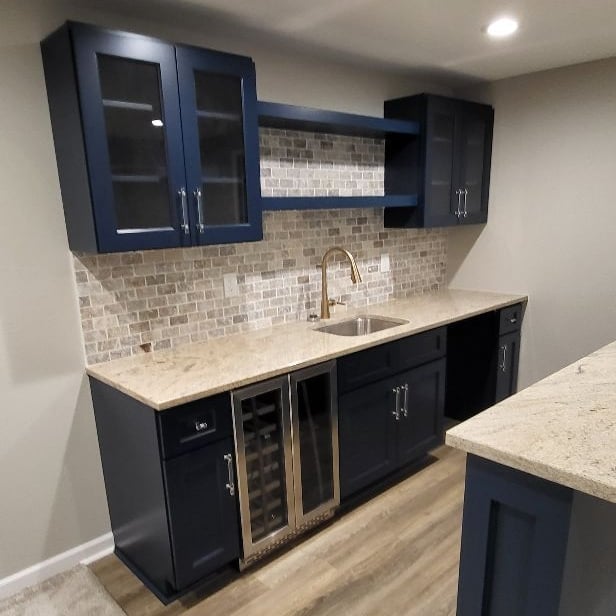 Finished Basements Plus Inc.
I'm a repeat customer of All Star Paving & Sealing and I appreciate the service that all start paving has done for me in the past. I just recently had them out for an estimate and things couldn't have gone better. The staff that they send out to do the estimates are very knowledgeable. The...
 All Star Paving and Sealing
Ace Fireplace Services came to the rescue for my chimney repair. They were quick to pinpoint the issue and worked their magic to fix it. My chimney is now in excellent shape, and I'm a satisfied customer.
 Ace Fireplace Services
Supreme Brick & Chimney did an excellent job restoring the brick and mortar joints on my home. Their team was professional, knowledgeable, and completed the work on time. I highly recommend them and will hire them again in the future! Thanks!
 Supreme brick & chimney
Custom Paint Jobs LLCs custom murals brought life to our childrens rooms. They love it!
 Custom Paint Jobs, LLC
Window Depot did an amazing job on my deck. I wasnt sure what I wanted to do, but their composite decking was affordable and will last a long time. I am excited to have family over, and I am no longer embarrassed by my backyard. Jeff and the ground crew were polite, respectful, and caring for...
 Window Depot USA of Central Ohio
Storms Mobile Welding was great to work with. They were prompt, professional and did an overall excellent job on the project. I highly recommend.
Beginning with the estimate, Larry and Peyton were super helpful in getting my new condo's interior re-painted. Not only was the job well done, but also done in a super timely manner as promised.
 Five Star Painting of Plain City and Powell
From average costs to expert advice, get all the answers you need to get your job done.
Strong floor joists are the key to a structurally safe home. The cost of floor joist repair will often come down to what is causing the problem.
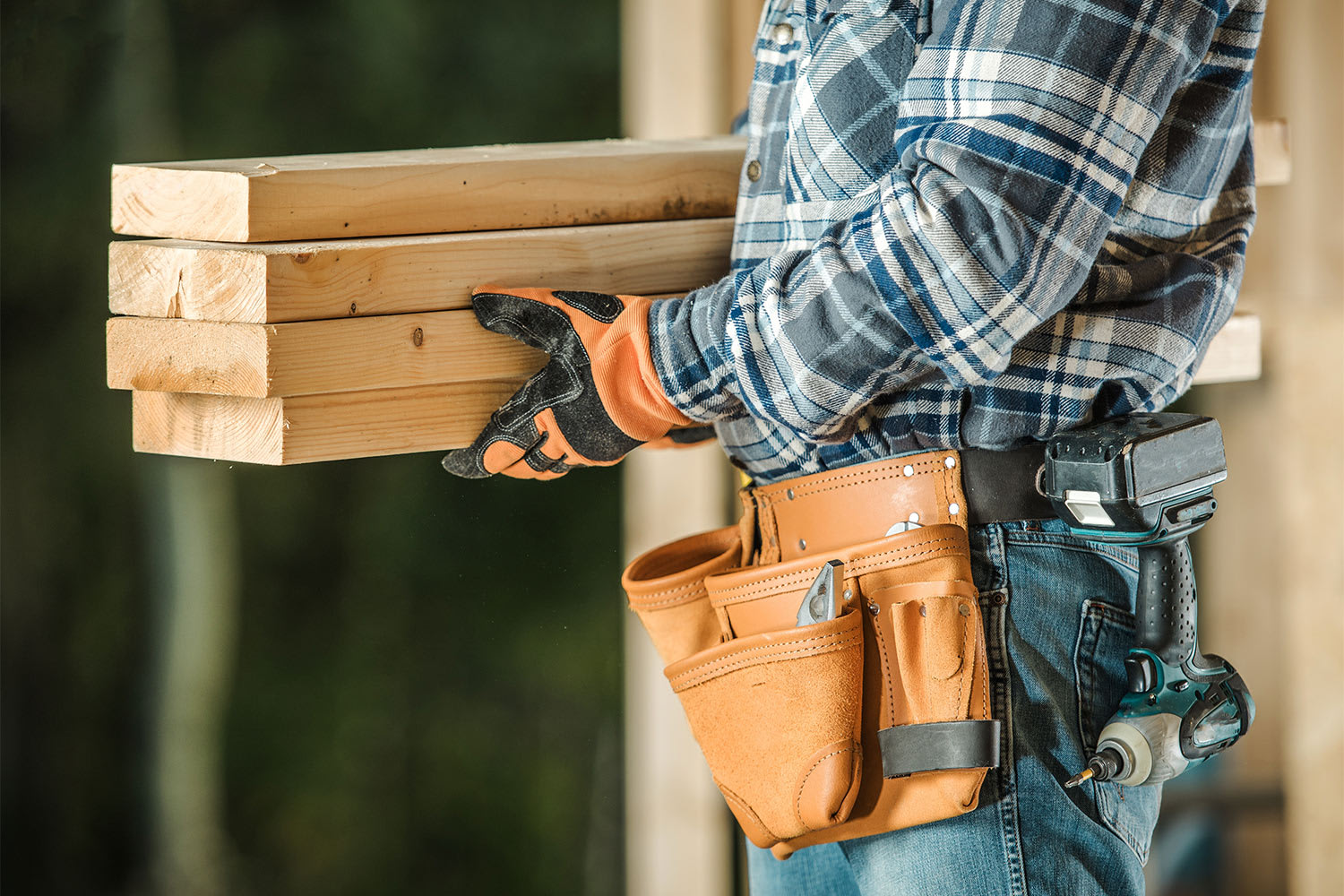
Get the latest carpentry framing repair cost estimates. Learn what impacts your price and how to budget for your framing repair project.

Beam installation costs are an important consideration if you’re building a home or doing renovations. Learn about average costs and factors in this guide.
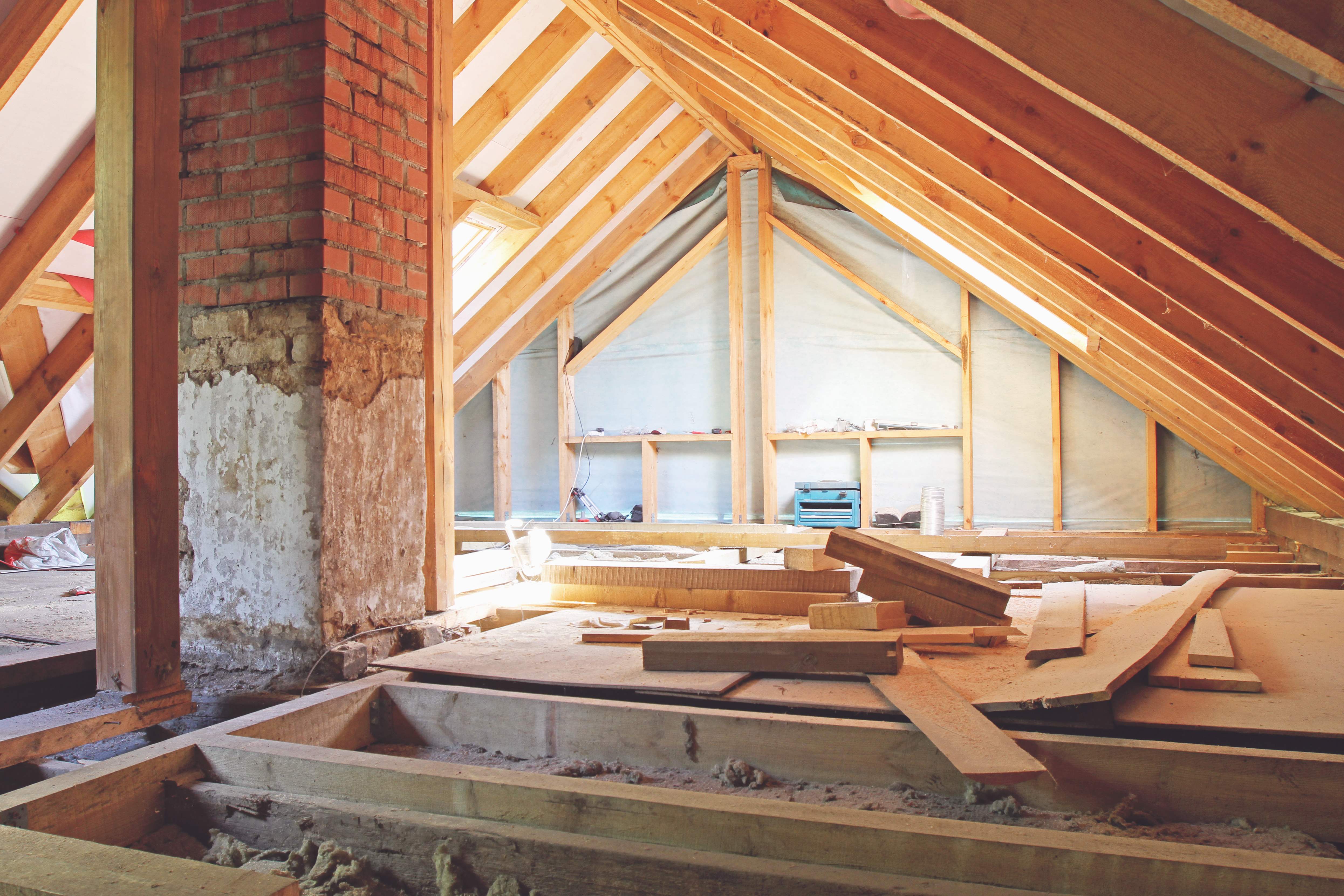
The main parts of floor framing include the sill, rim joists, and other joists. Learn how this wood may require repairs against water or insect damage.

Floor joists are an important part of your flooring system. Learn more about what a floor joist is, what it does, and when to repair it.
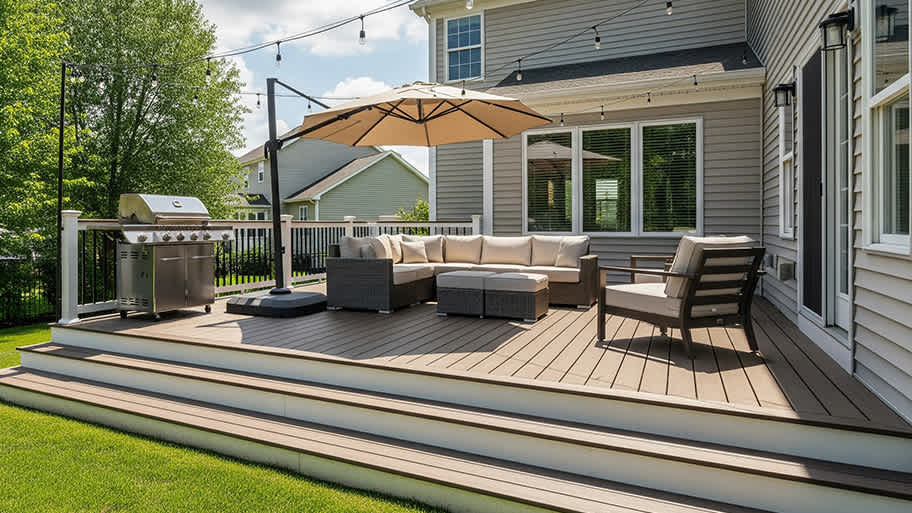
You might know about deck boards and railings, but what are the other parts of a deck? Here are the parts you should know before you build a new deck.