
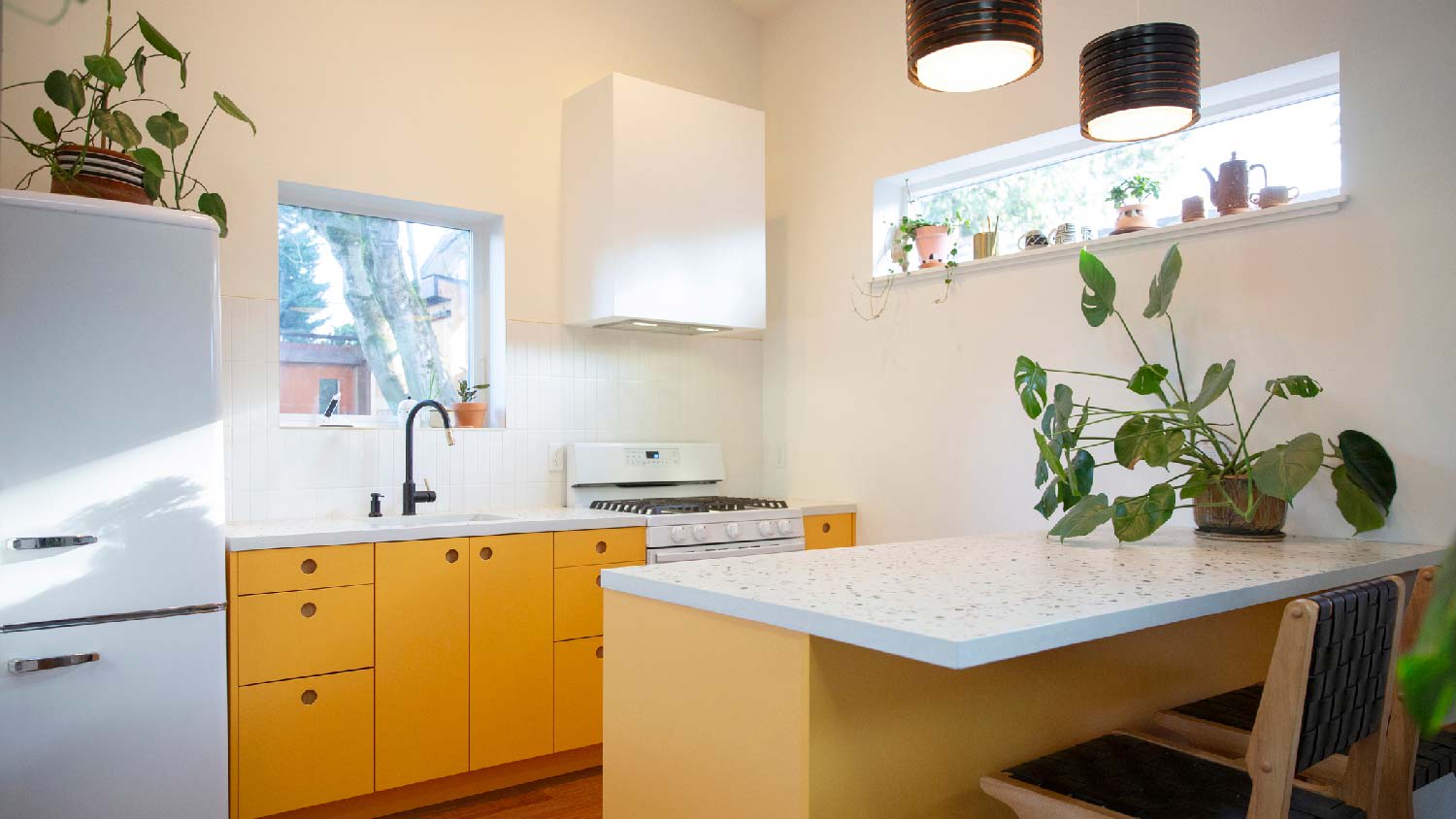
Planning your kitchen or bathroom remodel? Find out all the ins and outs of how much solid surface countertops cost, the price of common add-ons, and more.
Countertop and backsplash service costs depend on your project and location. Check with a local pro for your specific job.

Professional Corian countertop installation costs between $2,200 and $5,000 for materials and labor combined on your project.
Your finish and color selections affect your total, with high-gloss and very dark or bright colors raising costs.
Remember to budget for old countertop disposal and backsplash installation, which adds $150 to $1,000 to your project.
Hiring a local Corian countertop professional ensures your kitchen project is done well and boosts home resale value.
In 2026, the national average cost for Corian countertops is $3,950. Most homeowners pay between $2,200 and $5,000, with the final price depending on your countertop size, material grade, and finish selection. Your total can fall as low as $520, making Corian a more budget-friendly choice than granite or quartz.
To help homeowners with their next project, Angi provides readers with the most accurate cost data and upholds strict editorial standards. We’ve surveyed thousands of real Angi customers about their project costs to develop the pricing data you see, so you can make the best decisions for you and your home. We pair this data with research from reputable sources, including the U.S. Bureau of Labor Statistics, academic journals, market studies, and interviews with industry experts—all to ensure our prices reflect real-world projects.
Solid surface countertops cost $26 to $65 per square foot for Corian. Thicker slabs carry a higher price due to their added durability, and certain colors and styles can also push your material cost toward the upper end of that range. Corian countertop costs vary by room size and countertop square footage, as shown in the table below:
| Room Size | Countertop Size (Square Feet) | Average Materials Cost in 2026 |
|---|---|---|
| Small kitchen | 20–30 | $520–$1,950 |
| Medium kitchen | 30–40 | $780–$2,600 |
| Large kitchen | 40–60 | $1,040–$3,900 |
| Small bathroom | 4–5 | $104–$325 |
| Medium bathroom | 6–8 | $156–$520 |
| Large bathroom | 9–15 | $234–$975 |
Corian countertops come in three finishes, and the one you choose directly impacts your per-square-foot cost. Matte and satin finishes are the most affordable at $30 to $40 per square foot, while semi-gloss runs $40 to $60 per square foot. High-gloss is the most expensive option at $60 to $80 per square foot, so homeowners working within a tighter budget should weigh the visual payoff against the added cost before committing.
Beyond the base material price, several additional factors shape the total cost of a Corian countertop installation. Costs depend on which of those factors apply to your project.
Labor: $75 per hour ($50–$80 per square foot)
Style: 50%–100% more for premium styles over standard styles
Thickness: 30%–60% more for thicker slabs due to the increased material and strength
Color: $17–$44 per square foot for whites and grays, $26–$57 per square foot for dark colors, $60–$80 per square foot for very dark and bright colors
Custom or difficult cuts: $70–$80 or more per square foot in labor
Countertop edging: $10–$35 per linear foot for upgraded edging
Disposal of old countertop: $50–$350
Backsplash installation: $10–$50 per square foot
Countertop resurfacing: $200–$500
When installing Corian® countertops, labor will cost $50 to $80 per square foot. Those attempting DIY will spend between $26 and $60 per square foot on materials. You’ll also need to purchase tools and supplies. We recommend hiring a local Corian® contractor, especially because the risk of making an expensive error is high.
Here’s when you should hire a pro for Corian® countertop installation:
You’re working on counters with complex layouts, seams, or integrated sinks.
The project is large (like a kitchen island).
You want invisible seams.
It involves backsplashes, wall cladding, or waterfall edges.
You want to preserve the manufacturer’s warranty.
You want to minimize the likelihood of costly mistakes.
You’re not comfortable working with the tools or materials.
While hiring a countertop pro near you is recommended, you might attempt DIY in the following cases:
The project is small and simple (like a tiny laundry room countertop).
You're using pre-cut Corian® slabs or kits.
You have access to the proper tools and experience working with similar materials.
You’re confident in handling seams and adhesive bonding.
You don’t mind minor imperfections and not having a warranty.
Looking for ways to cut down on Corian® countertop installation costs? Follow these tips for potential savings.
Shop around: You can save money when installing Corian® counters by comparing prices from different suppliers. Get price quotes from multiple sources to find the best bang for your buck.
Install in the fall and winter: Late fall and winter are ideal times to find good deals on Corian® countertop purchases and installations. Wait for the off-season to potentially reduce the overall cost to install countertops by around 10 to 15%.
DIY what you can: You may be able to save money by doing some of the finishing touches yourself, like adding a backsplash, which costs $10 to $50 per square foot for professional installation.
Think about finishes: Consider a matte or satin finish ($30 to $40 per square foot) over semi-gloss or high-gloss, which can cost $40 to $60 per square foot or more.
Choose a standard style: By selecting a standard Corian® style instead of a premium style, you can avoid spending 50% to 100% more on material costs.
Avoid edging upgrades: Opt against upgraded countertop edging, which costs $10 to $35 per linear foot.
Watch the thickness: Thicker Corian® countertops will be 30 to 60% more than thinner ones, so avoid them whenever possible.
Select colors wisely: Choose a white or gray countertop ($17 to $44 per square foot) instead of a very dark or bright countertop ($60 to $80 per square foot). Dark colors fall somewhere in the middle for pricing.
When installing Corian® countertop, labor costs $75 per hour, but it’s best to hire a countertop pro for a flawless finish.
It’s especially important to hire a pro if you’re dealing with complex layouts, seams, or integrated sinks.
You can save by choosing cost-effective finishes, styles, and types of Corian®.
Don’t forget about additional costs, such as disposing of the old countertop and installing the backsplash.
I had FabClean 614 clean my apartment, and she did an outstanding job. She was so professional and efficient. My apartment looks absolutely spotless every surface, every corner, all cleaned to perfection. Definitely highly recommend FabClean 614 if you're looking for top-notch cleaning...
 Fab Clean 614
Cole has been handling plumbing and general contracting for our four properties over the past three years, and he’s always done a great job. Most recently, he installed a sink and countertop in our retail store where none existed before, and it turned out exactly how we needed. He’s...
 ANB Renovations LLC
D1 Roofing delivers outstanding service from beginning to end, backed by a strong warranty and expert teams. I highly recommend them for their excellence in meeting and surpassing expectations with unmatched communication. Choosing D1 Roofing was flawless decision
 Division 1 Roofing LLC
This company is my go to resource for all my post renovation clean ups. They get the place spotless! All we have to do after is stage the place and sell, sell, sell! They are super professional and have some amazing scent that is left in every property. I highly recommend!
 The Royal Sanitation Group
I had Ace Fireplace Services install custom chimney caps for my home, and the results are stunning. They fit like a glove and have added a touch of sophistication to my chimney. I can't recommend their services enough.
 Ace Fireplace Services
Supreme Brick & Chimney did an excellent job restoring the brick and mortar joints on my home. Their team was professional, knowledgeable, and completed the work on time. I highly recommend them and will hire them again in the future! Thanks!
 Supreme brick & chimney
I recently hired Custom Paint Jobs LLC to repaint my home, and I couldnt be happier with the results. Their attention to detail and professionalism were outstanding. Highly recommended
 Custom Paint Jobs, LLC
Window Depot did an amazing job on my deck. I wasnt sure what I wanted to do, but their composite decking was affordable and will last a long time. I am excited to have family over, and I am no longer embarrassed by my backyard. Jeff and the ground crew were polite, respectful, and caring for...
 Window Depot USA of Central Ohio
If I could give 10 stars for Kitchen Tune Up, I would. I cannot say enough good things about my experience with Kitchen Tune Up and the entire team involved in the process of my kitchen project. They went above and beyond as far as service and quality with my cabinets, paint, countertops, and...
Great job...edging and pre clean up went well with a great job with seal coat. Friendly, efficient and professional.
 All Star Paving and Sealing
From average costs to expert advice, get all the answers you need to get your job done.
Planning your kitchen or bathroom remodel? Find out all the ins and outs of how much solid surface countertops cost, the price of common add-ons, and more.
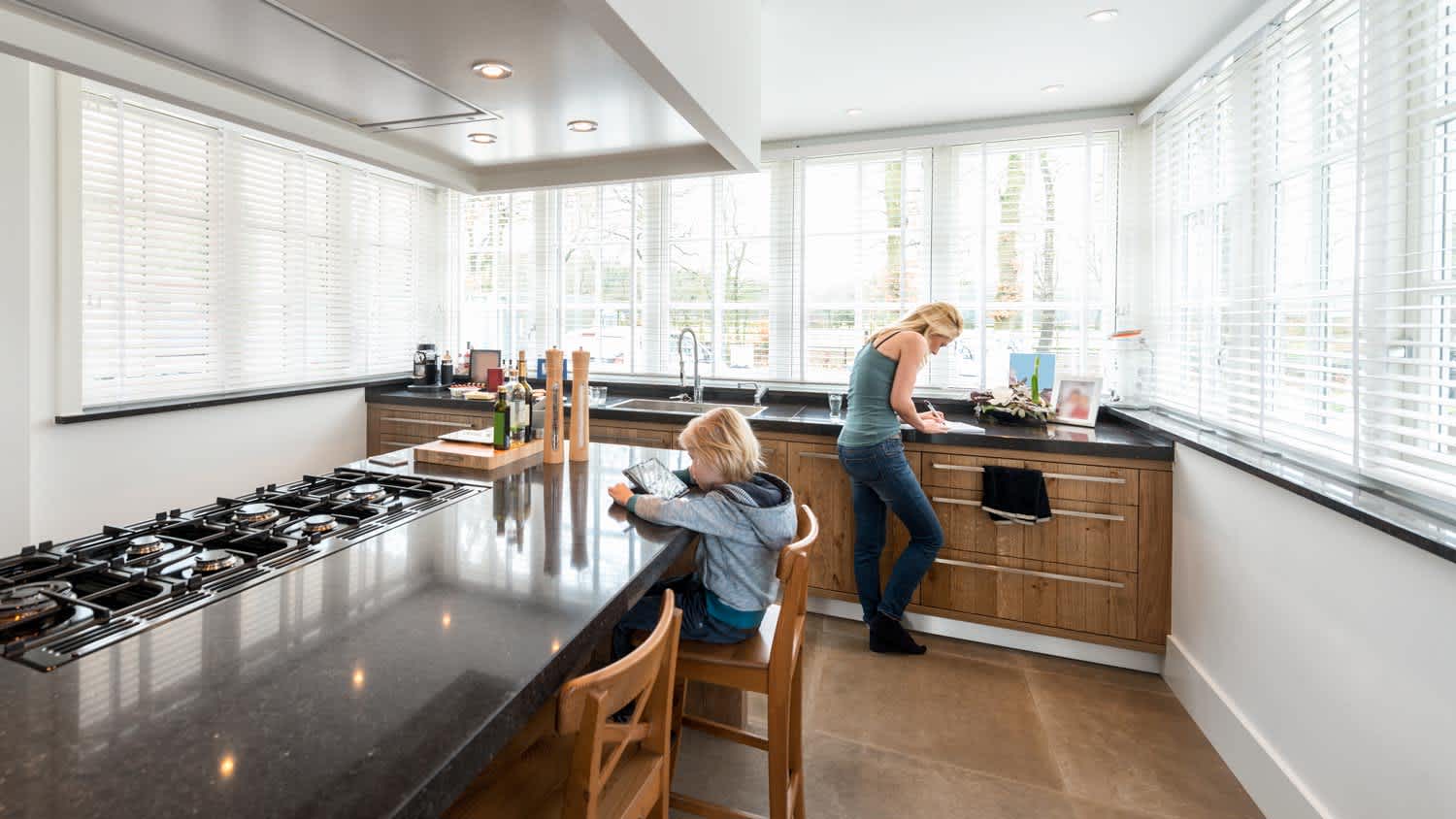
Granite counters are durable and stylish, but if you’re wondering how much granite countertops cost, it’s time to dig into the details.
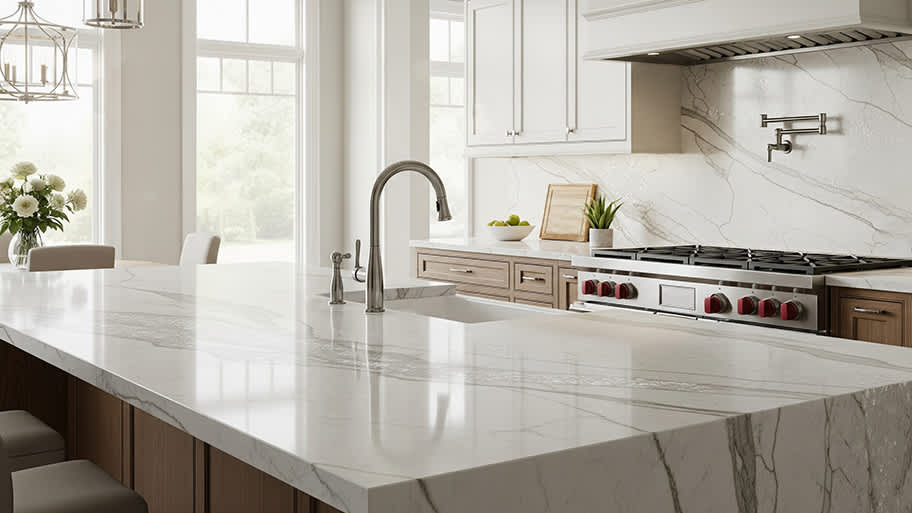
How much your quartzite countertops will cost depends on a number of factors—most prominently, the type of quartzite and the size of your counters.
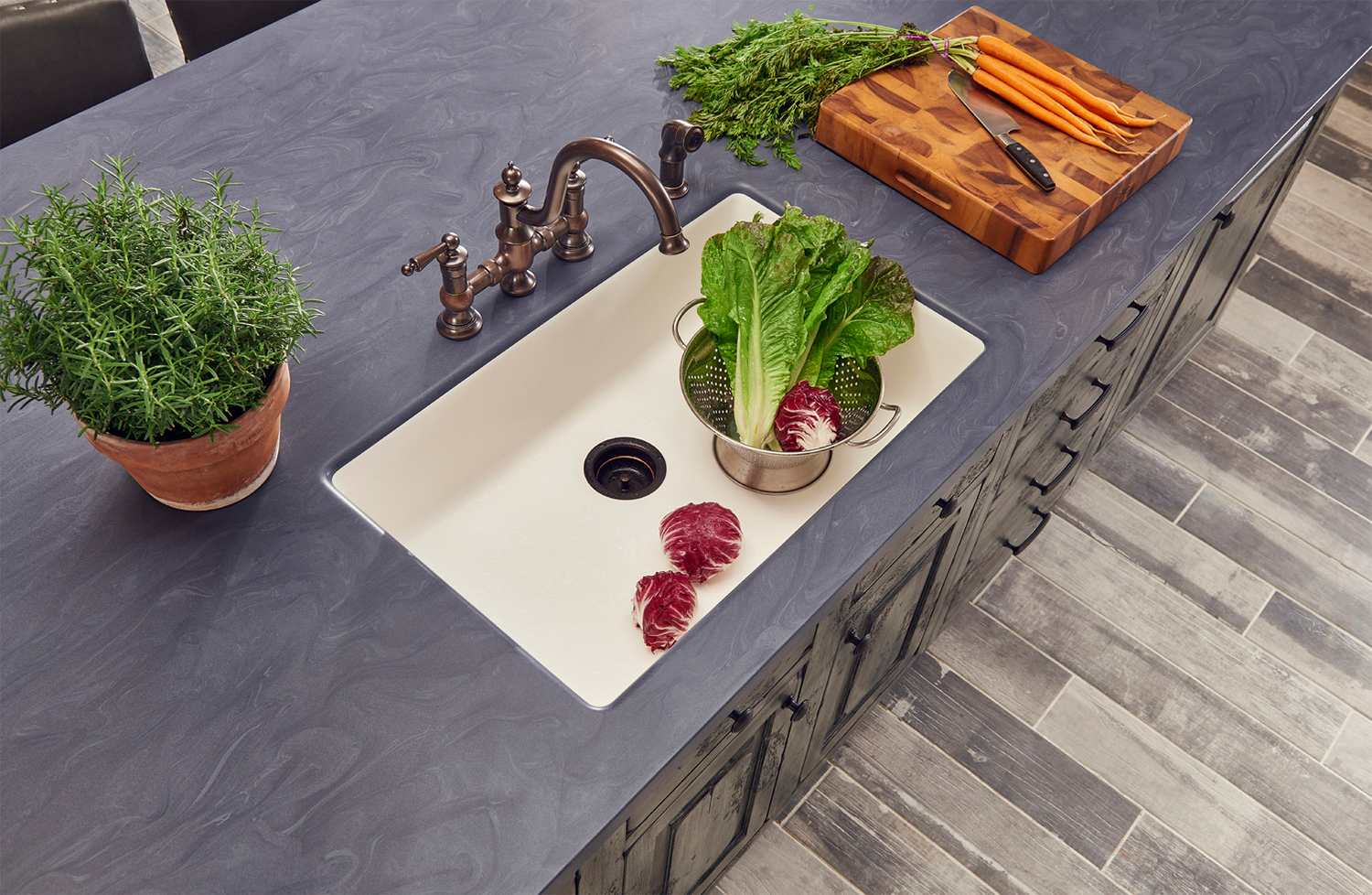
If you’re looking for a solid surface countertop that stands the test of time, is aesthetically pleasing, and resists stains and scratches, Corian® countertops may fit the bill.
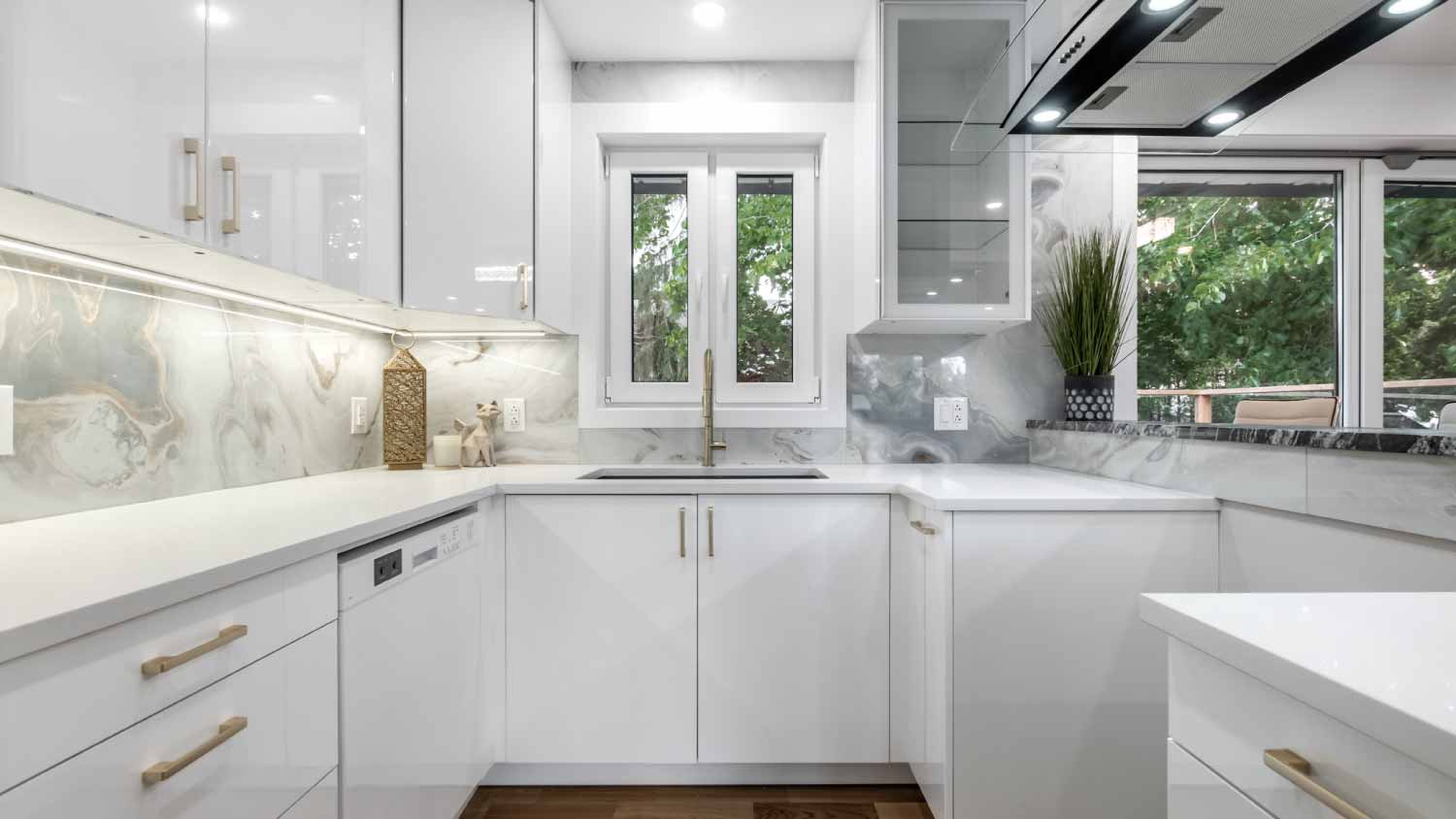
Learning how to cut Corian countertops can help your next kitchen installation project to go smoothly. Follow these eight steps to cut Corian.
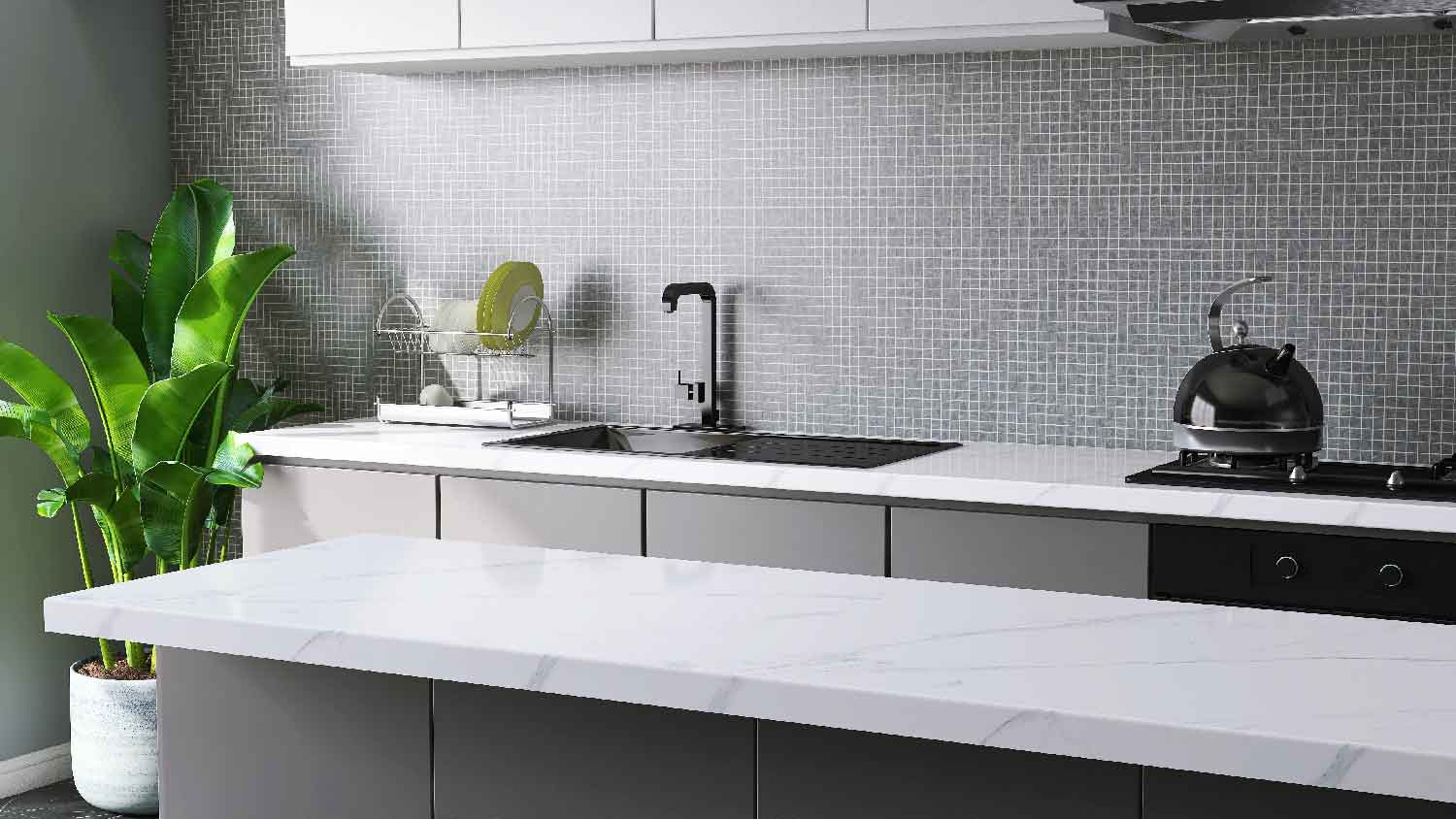
There are many things homeowners need to know about the battle between Corian vs. quartz countertops. We share the pros and cons of each surface.