
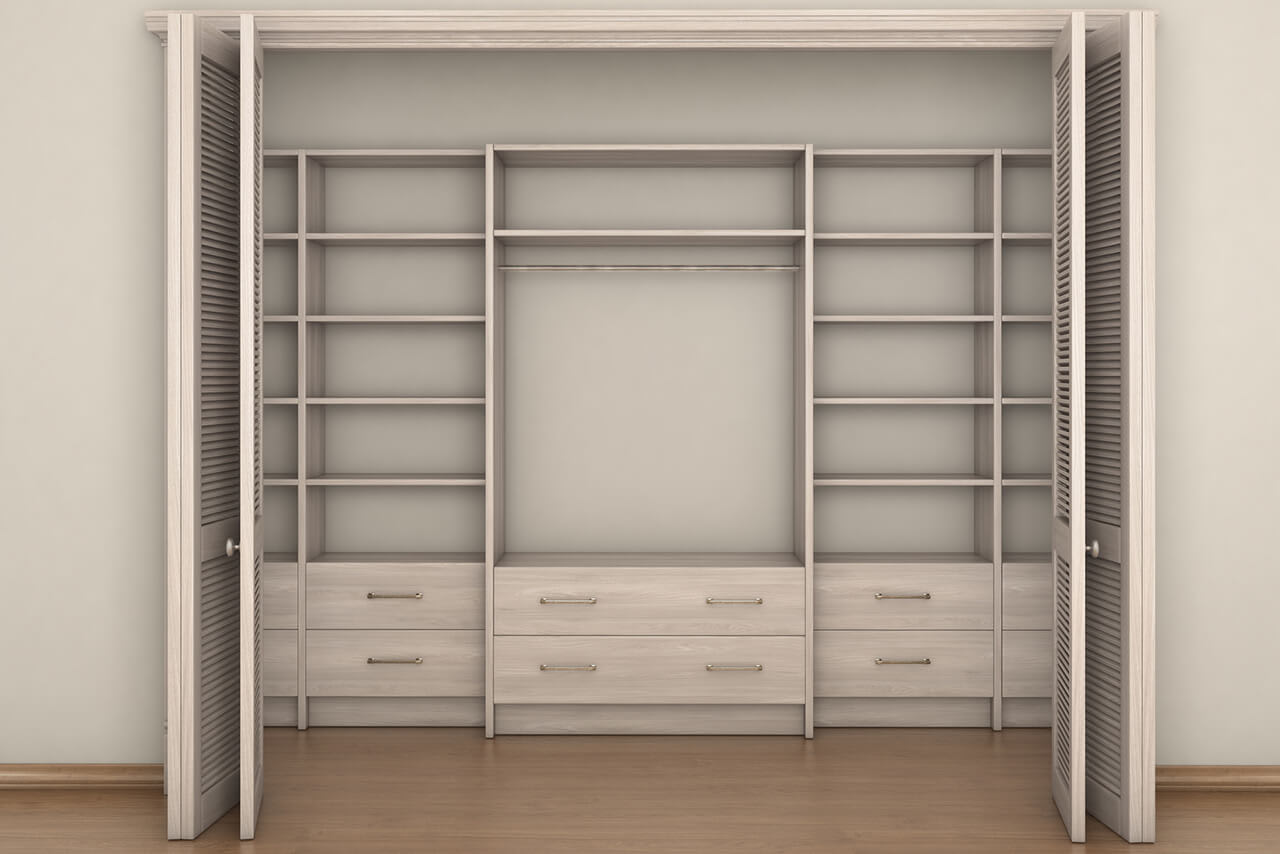
Medium-density fiberboard is a commonly used material for various carpentry projects. Learn more about medium-density fiberboard costs for projects and more.
And why you should consider it for your next DIY project

MDF is an engineered wood made from sawdust and wood shavings fused with glue, creating smooth, knot-free boards perfect for your trim and cabinet projects.
You'll find MDF boards accept paint beautifully and cost less than solid wood, though they absorb moisture easily and need sealing to prevent warping at exposed edges.
Your MDF projects work best when you cut outdoors or in ventilated areas wearing a respirator, pre-drill pilot holes, and avoid water-based primers on bare surfaces.
Hiring a local woodworking professional provides reliable support with custom trim routing, cabinet installation, and proper sealing techniques that protect your investment long-term.
If you’re a big DIYer, you’ve likely come across medium-density fiberboard—most commonly known as MDF. Perhaps you’ve put up an MDF shelf or created your own MDF trim. Maybe you’ve come across it and haven’t even realized it. After all, MDF mimics similar engineered woods. But what is it, exactly, and when should you use it for your home projects? Here’s everything you need to know about this popular, affordable wood product.
MDF is an engineered wood product made up of sawdust, dried wood shavings, and glue that’s been fused together via pressure and heat. The result is flat, hard boards that get sanded down by machine for a smooth finish.
Because it’s made of woodmill byproducts, MDF doesn’t feature the knots that hardwood and softwood boards have, nor does it feature the wood-grain appearance that hardwood, softwood, or plywood boards have. Instead, it has a smooth appearance with no discernible markings or texture. Naked MDF is typically a light-brown color with no color variations.
At home improvement stores, you can buy large sheets of MDF ranging from 1/4 inch to 3/4 inch thick. You can also buy it pre-cut into circles or pre-painted. And it’s possible to get boards that are fire-retardant and moisture-resistant.
Sometimes people look down on MDF for not being “real wood,” but it’s extremely easy to work with compared to other types of wood. Other MDF benefits include:
Inexpensive
Made with recycled wood (sawdust and shavings) to help reduce waste
Can be sawed easily without leaving splinters, tear-outs, or burns
Hard and dense
No knots but also no imperfections
Accepts paint well
Easy to glue
Can be machined to create decorative moldings
Veneered MDF can create the look of more expensive hardwood
Expands and contracts less than solid wood
Resists pests
Of course, MDF has drawbacks too. The biggest concern is that it can emit small amounts of formaldehyde gas, a VOC that can cause a variety of health problems. Until it is fully sealed, MDF can off-gas for months or even years after it is manufactured. That’s due to the glue used to make the wood—urea formaldehyde (UF).
However, more and more MDF manufacturers are taking steps to combat this problem, including using glues with no added formaldehyde. And it’s usually more of a concern for carpenters and other professionals who work with material day in and out.
Homeowners can mitigate the risks to their health by only sawing MDF outside or in a well-ventilated area while wearing a respirator.
Other MDF cons include:
Heavy and can be hard to maneuver with just one person
Can be easily scratched, and the scratches can’t be sanded out like with solid wood
Easily absorbs water, especially unfinished edges (MDF can warp if this happens)
Will soak up wood stain; plus, wood stain doesn’t look quite right on MDF due to the lack of wood grain
Will soak up aerosol spray primers
Can’t use water-based products for the initial paint coat
Unsupported shelves may sag
Can split easily when you drill holes into it, though pre-drilling a pilot hole can solve this problem

MDF is highly versatile and can be used for many home improvement projects. Here are some of our favorite ways to incorporate the engineered wood into your home:
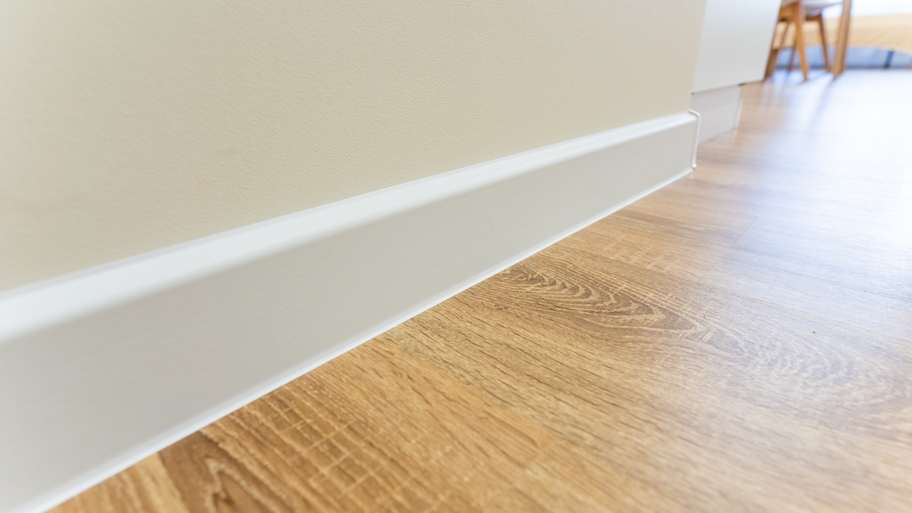
One of the best ways to use MDF is for trim—baseboards, crown moulding, wainscoting, and board and batten. Traditional trim can be costly when you add it all up, even if you use an inexpensive type of wood, whereas MDF tends to be cheap in comparison.
Plus, if you have a router, you can create a wide variety of trim types, from simple straight edge styles to intricate egg and dart moulding. Or you could always buy ready-made MDF trim and save yourself some time.
Whether you’re trying to save money on bathroom renovation costs or keep down your kitchen remodeling prices, MDF cabinets are the way to go. They’re significantly cheaper than solid wood cabinets, and they accept paint better than plywood—it’s cheaper than plywood, too.
If you need a quick shelf installed in a closet, basement, or garage, MDF can be a great option. Again, it’s significantly cheaper than solid wood and easy to paint. The caveat? These shelves can really only support light or medium loads (such as small vases and picture frames) or they will start to sag.
WIth that said, it’s easy enough to add reinforcements in the form of small strips of wood attached to the back and front edges of the shelf. Plywood is an alternative to MDF shelving when a stronger material is needed.
Did you know that MDF is often a preferred material when it comes to speaker boxes? Because the wood is made by fusing together tiny wood particles into one solid mass, it has a consistent density. That density helps keep the speaker’s sound consistent without adding extra tone. MDF also absorbs additional vibrations that can interfere with the speaker’s sound.
Incredible workers! Very skilled with the machinery, climbing, cutting, roping, and removal. Handled everything. Professionals!
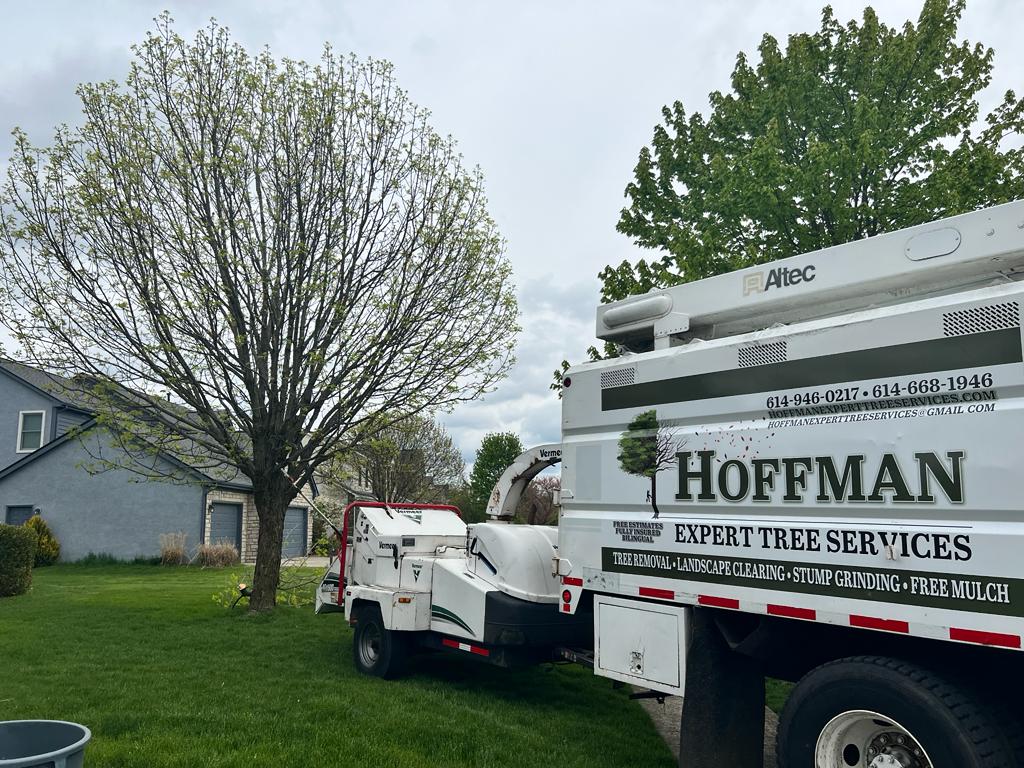 Hoffman Expert Tree Services
I m so impressed with Custom Paint Jobs LLC s craftsmanship. They truly care about quality.
 Custom Paint Jobs, LLC
Window Depot did an amazing job on my deck. I wasnt sure what I wanted to do, but their composite decking was affordable and will last a long time. I am excited to have family over, and I am no longer embarrassed by my backyard. Jeff and the ground crew were polite, respectful, and caring for...
 Window Depot USA of Central Ohio
Storms Mobile Welding was great to work with. They were prompt, professional and did an overall excellent job on the project. I highly recommend.
Great job...edging and pre clean up went well with a great job with seal coat. Friendly, efficient and professional.
 All Star Paving and Sealing
Great tree company, very professional and honest. Glad we found them, they had the best pricing
It was wonderful working with Yordy and his team. They were very professional and are experts in what they do. They have completed the work on time, with better quality and with in fairly reasonable price. We just started with backsplash work , but liking his work, we went on to provide...
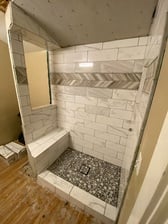 Flooring Solutions
The job went extremely well. Work was done as promised and the job came out better than expected due to Mr. Moyer's commitment to excellence and personal pride in providing the best work possible. He is one of those professionals who is not satisfied until the customer is completely happy...
 Pro Flooring
We needed to have a wall cabinet resized so that we could fit a larger refrigerator underneath. I removed the cabinet from the wall myself and brought it in, where Wally was able to resize it for me in his shop. The results were perfect: it's exactly the size that I asked for, and...
 Pioneer Woodworks
The work was almost completed when we gave the owner Tim Barton $400 as a downpayment to be put on his list for work in the future after we had new woodwork installed.The next day Mr. Barton had difficulty installing a door handle and took the position that it was broken before his employee...
 Above And Beyond Painting LLC
From average costs to expert advice, get all the answers you need to get your job done.
Medium-density fiberboard is a commonly used material for various carpentry projects. Learn more about medium-density fiberboard costs for projects and more.
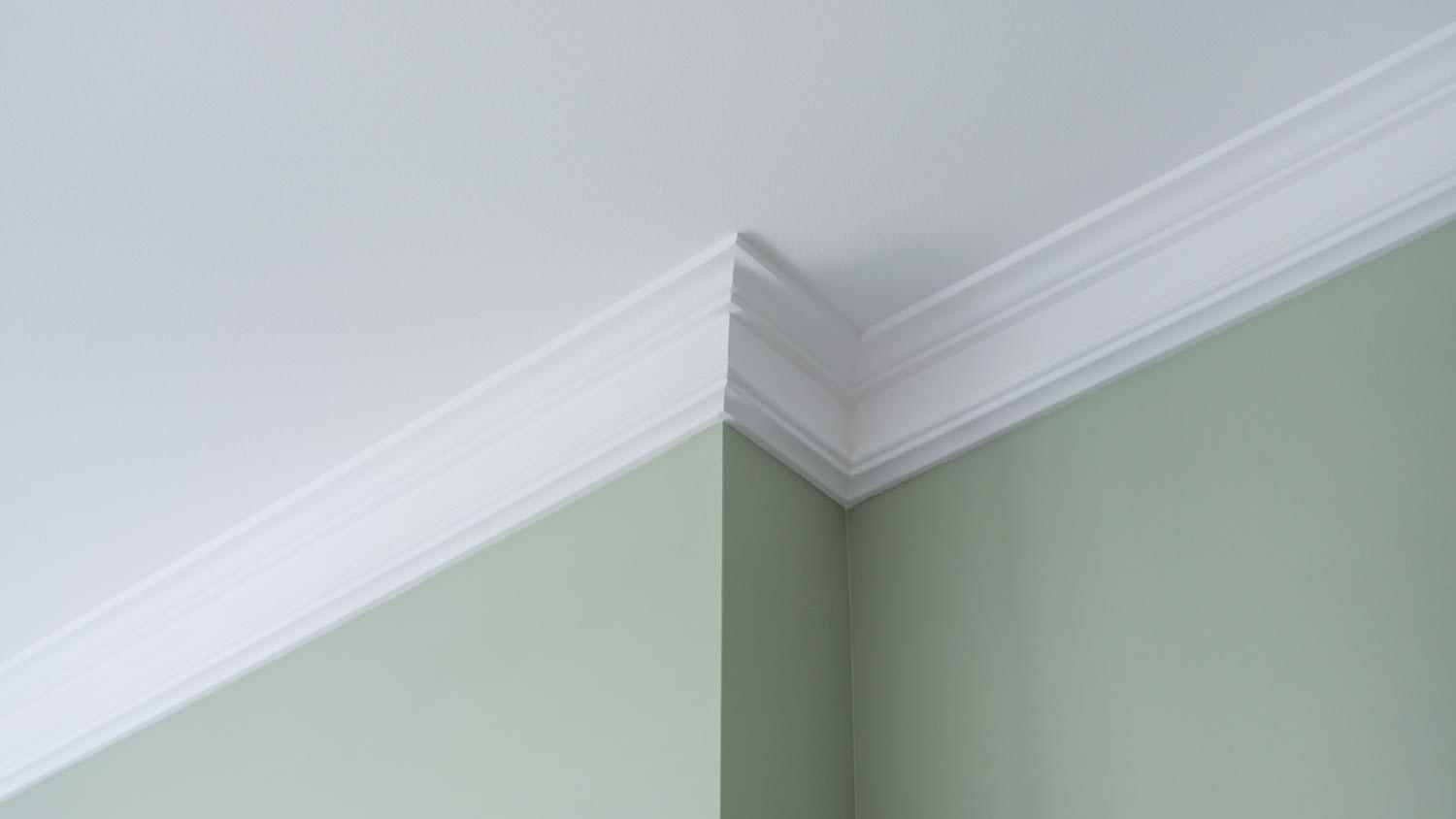
Find out how much it costs to install crown molding by type and size. Use our expert guide to figure out how much crown molding you need, how much crown molding costs near you, and whether you need to hire a pro.
Get a clear estimate of cabinet repair costs. Learn what impacts pricing, compare repair types, and find ways to save on your next cabinet repair.
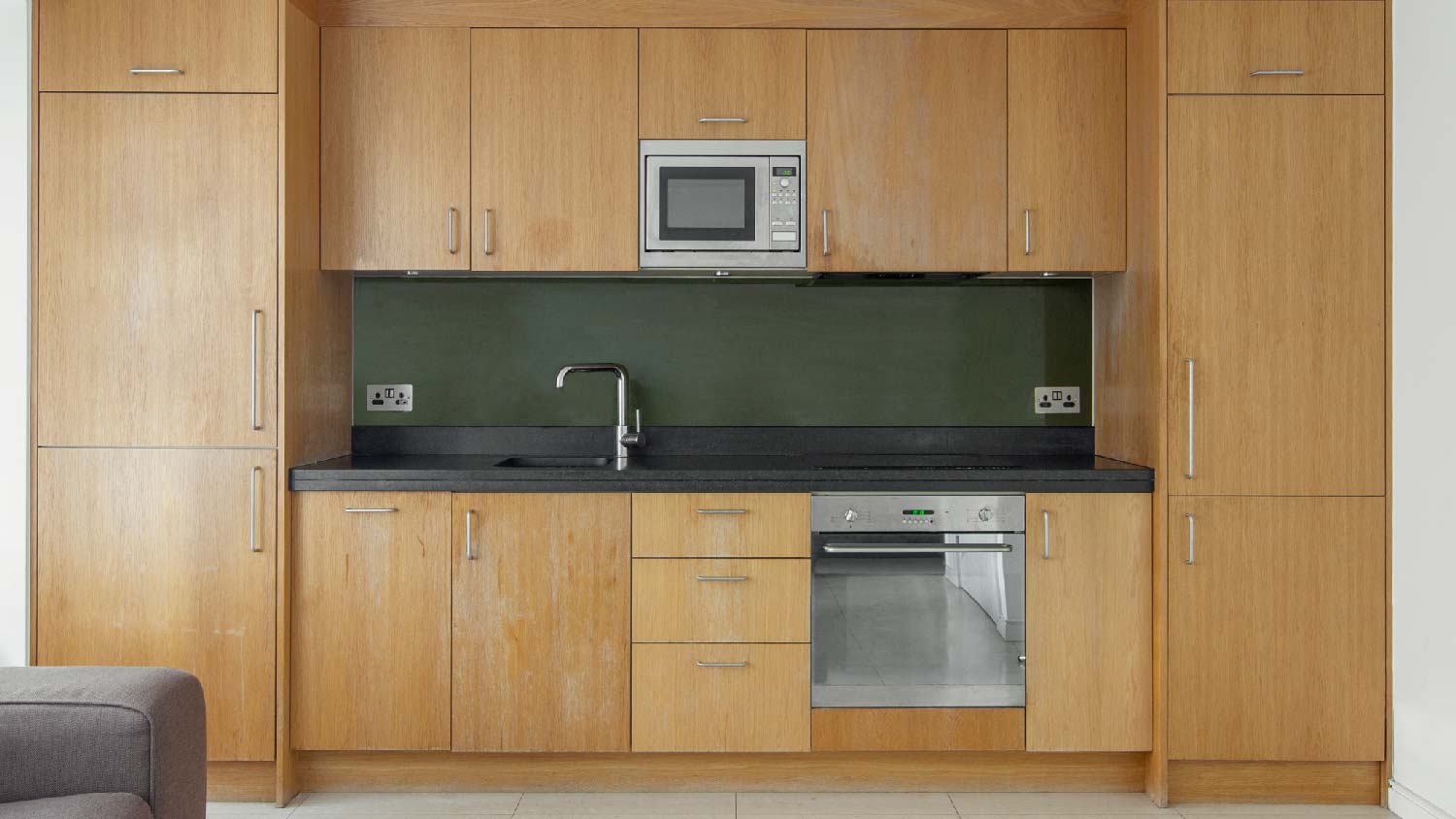
When comparing MDF to wood cabinets, it’s important to keep your budget in mind. We compare looks, durability, cost, and more to help you decide.
When choosing a solid wood substitute, it can be hard to tell your options apart. Use our guide to learn the key differences when comparing MDF vs. plywood.
Shopping for budget-friendly wood trim options? Compare MDF baseboards versus pine for a look that best suits your design needs while staying on budget.