

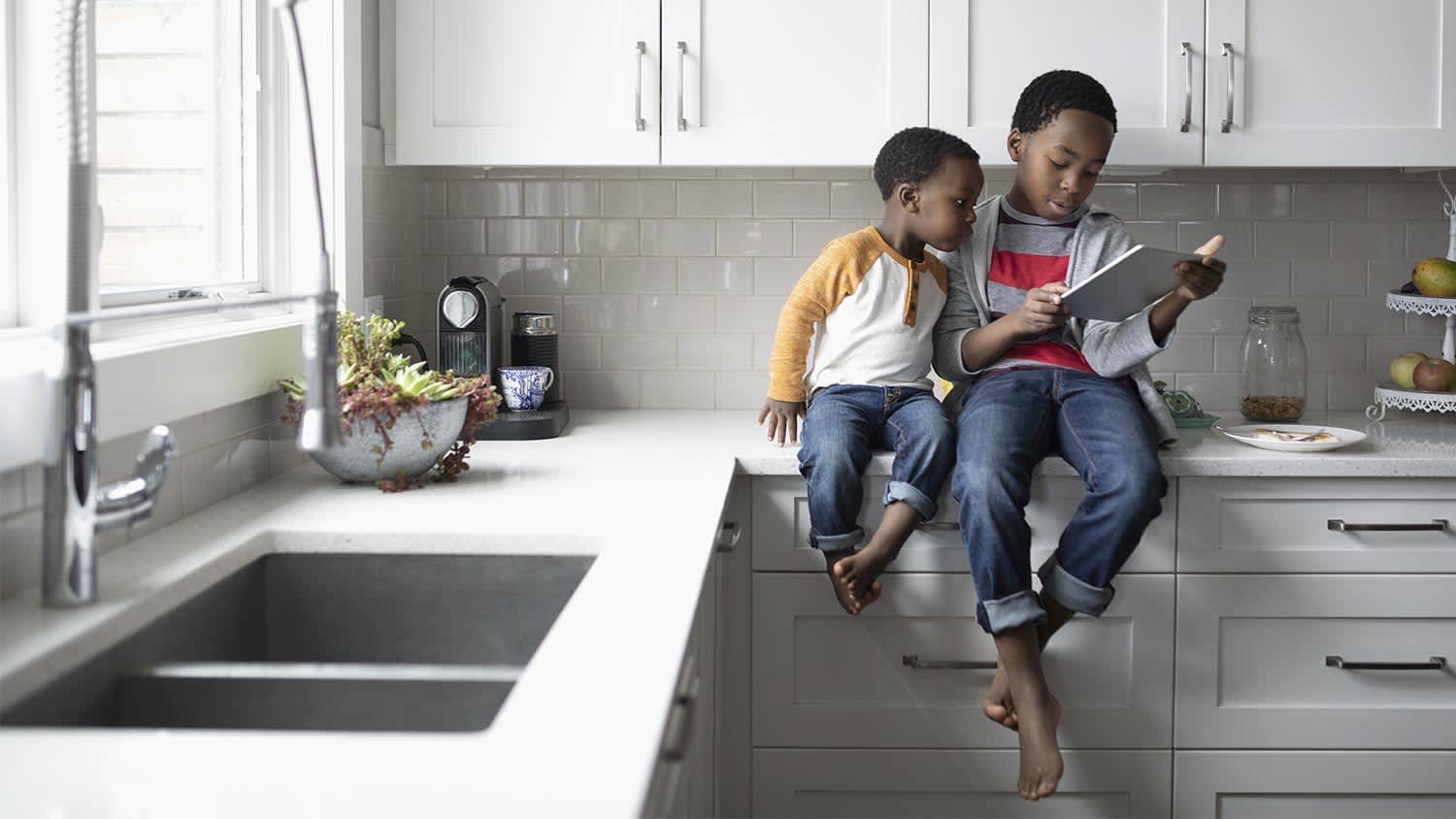
Countertop repair costs may be the deciding factor between replacing or repairing your counter. Let’s break down the cost to repair, resurface, or relaminate.
Countertop and backsplash service costs depend on your project and location. Check with a local pro for your specific job.

Butcher block countertops cost $1,200 to $5,000, and your wood type and grain pattern affect the final price.
The size of your kitchen and the complexity of cutouts for sinks or appliances determine how much labor your project requires.
Remember to account for countertop removal at $50 to $300, custom cutouts, waterproofing, and ongoing maintenance when planning your budget.
Hiring a local countertop professional ensures your butcher block installation is done well and helps the home retain maximum value.
A typical butcher block countertop costs $1,200 to $5,000, depending on size and quality, though you could spend as much as $15,000 on a custom design made from exotic wood. Most people end up spending somewhere between $50 and $150 per square foot, with an average price tag of $3,750.
Butcher block countertops are made up of hardwood strips that are glued together and placed on top of a cabinet to form a countertop. Hard maple is a common material used for butcher block countertops, as well as American Cherry or American Walnut. Overall, butcher block countertops are a warmer alternative to more expensive, colder food prep surfaces like granite or quartz.

Butcher block is a great mid-range material. When compared to the cost of quartz counters or natural stone, it’s relatively affordable, and compared to the cost of Corian® counters or laminate, it’s high-end. In many ways, it is what you make it. Choose a high-end wood and watch the price tag rise. Choose standard options with DIY installation, and you could save hundreds. Here’s how the cost of butcher block countertops breaks down.
Butcher block countertops cost $50 to $150 per square foot, on average—but costs can rise. Custom work often costs anywhere from $200 to $400 per square foot, and homeowners who install high-end wood in a large kitchen could spend more than $10,000. Either way, the larger the countertop, the more you’ll pay.
| Size | Square Footage | Average Price Range |
|---|---|---|
| Kitchen Island | 10–22 | $500–$3,300 |
| Small Kitchen | 20–30 | $1,000–$4,500 |
| Average Kitchen | 30–40 | $1,500–$6,000 |
| Large Kitchen | 50–60+ | $2,500–$9,000+ |
Beyond just the type of wood, you can choose different grain design options. This can dramatically change the aesthetic of your butcher block countertop. Some grains are more decorative and stand out versus a grain that will blend into the features of your kitchen. Each has a different price point.
| Type of Grain | Description | Price Range (Per Square Foot) |
|---|---|---|
| End | Checkboard pattern from wood glued together in squares | $75–$350 |
| Edge | Made from long strips of wood cut from the edges of boards | $50–$275 |
| Face | Made from wider strips that make up the face (rather than the edge) of a wooden board | $30–$200 |
| Blended | Strips of varying sizes running the whole length of the countertop, attached in a patchwork-like pattern | $50–$325 |
Butcher blocks are made of unfinished, raw wood and cost $100 to $650 per block. You can add an edge for $30 to $50, usually straight or bullnose (a curve along the top and bottom of the counter). Finished butcher block surfaces cost between $160 to $1,400 per block and already come with oil on them, with a straight, radius, or bullnose edge.
Labor costs make up a large portion of the total price of a butcher block countertop. Depending on the detail of the construction, you can expect to spend anywhere from $10 to $100 per square foot on labor. Some detailed custom work can cost as much as $150 per square foot. Most of the time, contractors charge the equivalent of $60 to $100 per hour.
You’ll pay higher labor costs to install an unfinished butcher block if you need your contractor to finish it.

Since the cost of wood varies so widely, it has one of the largest impacts on your overall wood countertop cost. Keep in mind that not all wood is durable enough to use as a cutting board. If you plan to use your butcher block countertops as a cutting board, choose a wood that is durable enough to resist scratches but not so hard that it will dull your knives.
| Wood Type | Typical Cost (Per Square Foot) | Details |
|---|---|---|
| Red oak | $15–$50 | Common butcher block material, budget-friendly, not the most durable |
| Birch | $25–$75 | Light color with uniform grain, budget-friendly, brightens the look of your kitchen |
| Maple | $40–$80 | Common butcher block material, scratch-resistant, resistant to water damage |
| Acacia | $30–$100 | Antibacterial, moisture resistant, great for kitchens with heavy use |
| Beech | $40–$100 | Straight-grained wood, high abrasion resistance, less porous than other woods |
| Bamboo | $50–$125 | Sustainable, antibacterial, great for modern design aesthetics |
| Teak | $100–$200 | Easy to clean, water-resistant, difficult to work with |
| Cherry | $50–$275 | Warm, rich color, dramatic, unique look, durable |
| Walnut | $75–$300 | Rich, dark color, sustainable, not as long-lasting as other woods |
| Zebrawood | $200–$300 | Striped grain with unique appearance, hard to work with, high cost |
Your butcher block countertop installation may incur a few extra costs beyond basic materials and installation. It depends on your unique needs.
If you’re replacing your existing countertop, you’ll have to remove the old material before you can install the new materials. If it’s not already wrapped into the total cost of the job, your contractor will typically charge $50 to $300 for this service.
Your contractor may need to make cutouts if you plan to install a sink, faucet, outlet, or other appliances on your countertop. Expect to spend $100 to $200 per cutout.
Since wood is porous, you’ll need to waterproof your butcher block countertop. This costs an additional $5 to $35 per application. Most homeowners can do this job on their own and should reseal their countertops every month with oil—or at least twice a year.
It doesn’t cost much to maintain a butcher block countertop. Most homeowners spend $5 to $50 per year (including cleaning supplies and oils or waxes). Repairs generally cost $250 or less, unless there is significant damage and you need to resurface or replace your countertop.
Butcher block backsplashes typically cost $100 to $500, including installation, in addition to countertops. Your installer will likely include installation costs for this in your overall countertop bill. They may vary depending on what materials and the amount you purchase.
The cost of a butcher block countertop backsplash varies depending on the type and length. A 4-inch maple backsplash that is 2 feet long, is often approximately $25. For a higher quality wood such as cherry, it can be between $50 to $60 for the same size.
Installing a butcher block island costs the same as a countertop. A typical installation starts at around $40 per square foot of butcher block. Be ready for additional installation costs if you're installing an island with sinks and outlets, as these often require installation by an electrician before completing the job.
| Additional Cost | Average Price |
|---|---|
| Electrical wiring installation | $500–$2,000 |
| Sink installation | $200–$600 |
| Plumbing | $200–$500 |
It’s important to weigh the pros and cons of butcher block countertops before you decide on this material. While this option works well with almost any style of kitchen, it’s not always the right choice. Keep in mind that even if you do go for butcher block, you may not want to use it as a cutting board as knives will scratch the surface. Some people say this adds to the patina, while others believe it ruins the look.
Pros
Affordable compared to higher-end countertops like quartz and natural stone
Easy to clean (use basic household items like vinegar)
There’s a range of hardwood options with different aesthetics
Countertops can last for 20+ years
You can refinish butcher block when it starts to wear down
DIY friendly
Cons
Vulnerable to scratches, knicks, and dents, especially when used as a cutting board
Susceptible to liquid, so you’ll need to seal it often
Not resistant to heat damage from hot pots and pans
Can warp with thermal expansion, especially if it’s not properly installed
Relatively high cost compared to wallet-friendly materials like laminate
If you’re looking for kitchen countertop ideas on a budget, butcher block is a viable option. You just have to play your cards right. Hardwood can be expensive if you choose exotic woods and custom finishes, but you can keep this project under budget with a few smart choices:
Do some of the work DIY: You’ll save on labor costs if you do basic jobs like removing your old countertops and hauling away the trash. Just make sure not to damage your cabinets.
Choose an affordable wood: Avoid high-end and exotic woods. Opt for affordable materials like mid-grade oak, birch, beech, or maple.
Keep it standard: Avoid fancy countertop edges that require extra labor. Go for the standard square countertop edge.
Maintain your countertop yourself: You’ll need to occasionally sand and oil your countertop. Buffing out scratches on your own will save labor costs and keep your countertops looking new.
Get quotes: Get at least three quotes from a pro to understand your local market. If a price seems dramatically lower than average, it’s often too good to be true.
When installing new butcher block countertops, labor costs significantly increase the overall total. While it may be tempting to try to save on your project by taking on some aspects of installation yourself, doing so can lead to costly mistakes, significant delays, and structural issues that cause difficulties or increased maintenance and repair costs down the road.
Hiring a local butcher block countertop pro ensures that everything, from fit to finish, is done safely, correctly, and reliably.
Installing butcher block countertops is a significant project that requires specialized expertise. Here are some of the top reasons to work with a pro:
Countertop pros ensure a properly sealed fit, accurate measurements, and solid installation to prevent structural issues down the line.
Pros have the tools and materials to install butcher block countertops correctly, providing lasting strength and durability.
Experts handle measurements, removal of old countertops, and sealing to reduce the risk of warping and extend the life of the countertops.
Working with a pro ensures your project meets building codes and safety regulations.
Pros can help you select the best countertops for your needs and design preferences.
If you want to take on some aspects of the project yourself, here are a few DIY tasks that can help save time and labor costs:
Remove debris, appliances, and decorations before installation begins.
Take measurements ahead of time to share with pros and clarify any changes to the overall design during the quote process.
Handle minor prep, such as removing obstacles and cabinet doors, or shutting off water or power before the project begins.
Invest in maintenance materials for your butcher block and regularly care for the surface to extend the life of the countertop and avoid costly repairs.
Be ready to meet with a countertop pro to discuss your vision, budget, and timeline.
If there is room left in your budget, ask your pro about add-ons like custom designs, waterproofing, and cutouts.
Be prepared for unexpected costs, such as re-cuts, material price increases, and site preparation issues, that may arise during the installation process.
Home is the most important place on earth, which is why Angi has helped more than 150 million homeowners transform their houses into homes they adore. To help homeowners with their next project, Angi provides readers with the most accurate cost data and upholds strict editorial standards. We survey real Angi customers about their project costs to develop the pricing data you see, so you can make the best decisions for you and your home. We pair this data with research from reputable sources, including the U.S. Bureau of Labor Statistics, academic journals, market studies, and interviews with industry experts—all to ensure our prices reflect real-world projects.
Want to help us improve our cost data? Send us a recent project quote to [email protected]. Quotes and personal information will not be shared publicly.
Corey Carr was great. I had damage from a recent storm and needed to have my mast and other components replaced. The project entailed coordinating with AEP, and Corey helped make a stressful situation a lot less stressful. I really appreciated his dedication to service and the job very well done.
 Mr. Electric of Columbus
I recently moved to another state and chose United Trust Van Lines after comparing several companies. Their team was punctual, professional, and extremely careful with my belongings. I was especially impressed with how they handled my home office setup and fragile items. Everything arrived on...
 United Trust Van Lines, LLC
Very professional, knowledgeable and helpful! Completed the install on time and as expected.
 Ward's Services
Cole has been handling plumbing and general contracting for our four properties over the past three years, and he’s always done a great job. Most recently, he installed a sink and countertop in our retail store where none existed before, and it turned out exactly how we needed. He’s...
 ANB Renovations LLC
We have bought and sold numerous times over the past 50 years. Sherman Hall and Top Line are top notch. Thorough and detailed, he explains every possibility, probability, and eventuality. High class and pleasant. The best.
 Top Line Home Inspections, LLC
Very easy to talk to, helped me enormously and will be back for more projects I have. Quick and knowledgeable, very professional and a high quality personality!
 Elwood's Mobile Welding
Couldn't ask for a better company. Josh and Dee were Very professional, efficient, courteous and takes major pride in their work. They will travel to come to your home and will still give you a fair price. They are honest and trust worthy. Their focus is on their work and their work is...
 Supreme brick & chimney
It was a difficult job and Robert and his son worked diligently to get it done.
I had a tight deadline for a commercial painting project, and Custom Paint Jobs LLC delivered on time and within budget. Their efficiency and quality are top-notch.
 Custom Paint Jobs, LLC
Koby and Kyle are amazing!! They were super fast and friendly, highly recommen!
 All My Sons Moving & Storage
From average costs to expert advice, get all the answers you need to get your job done.
Countertop repair costs may be the deciding factor between replacing or repairing your counter. Let’s break down the cost to repair, resurface, or relaminate.
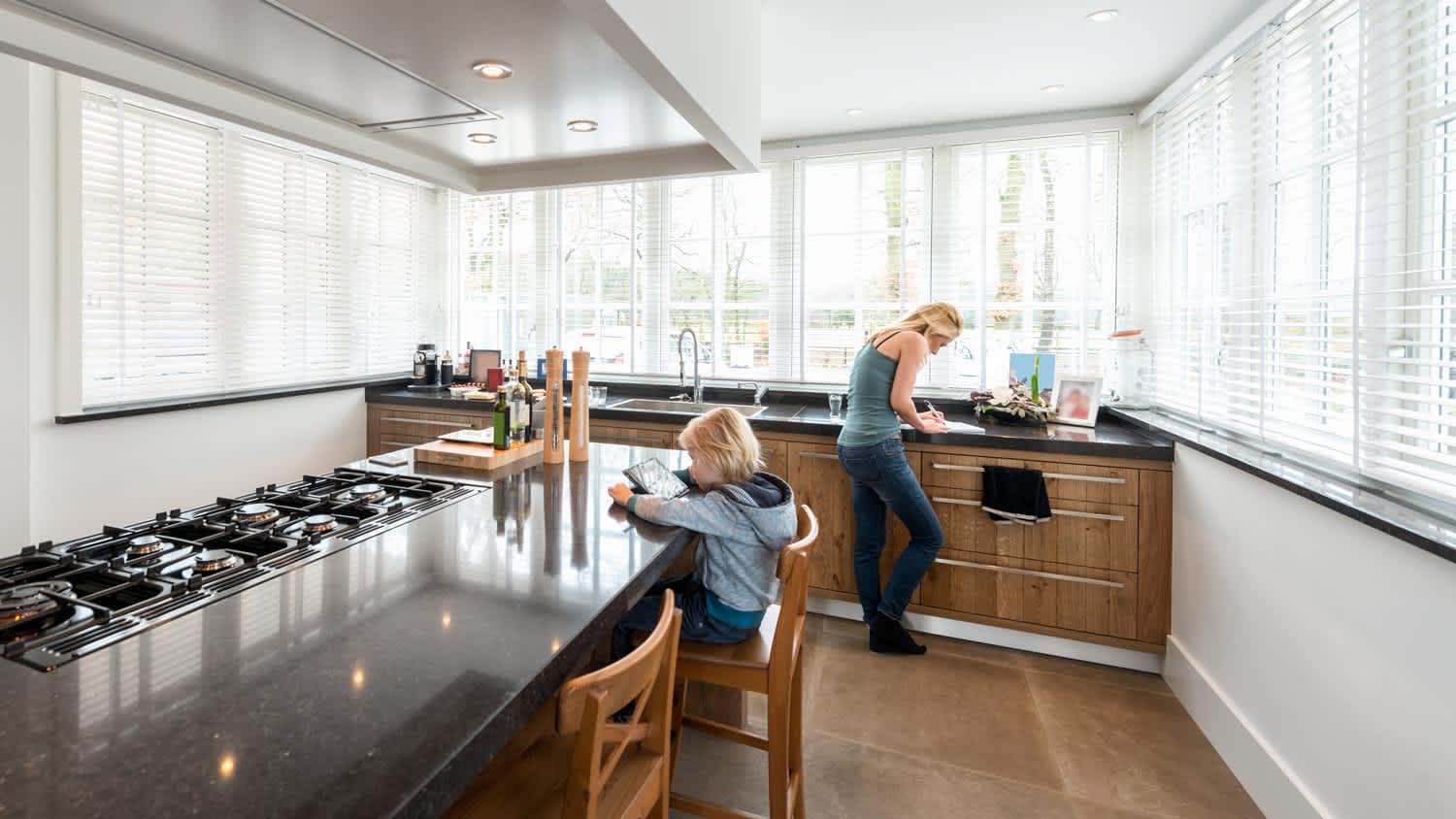
Granite counters are durable and stylish, but if you’re wondering how much granite countertops cost, it’s time to dig into the details.
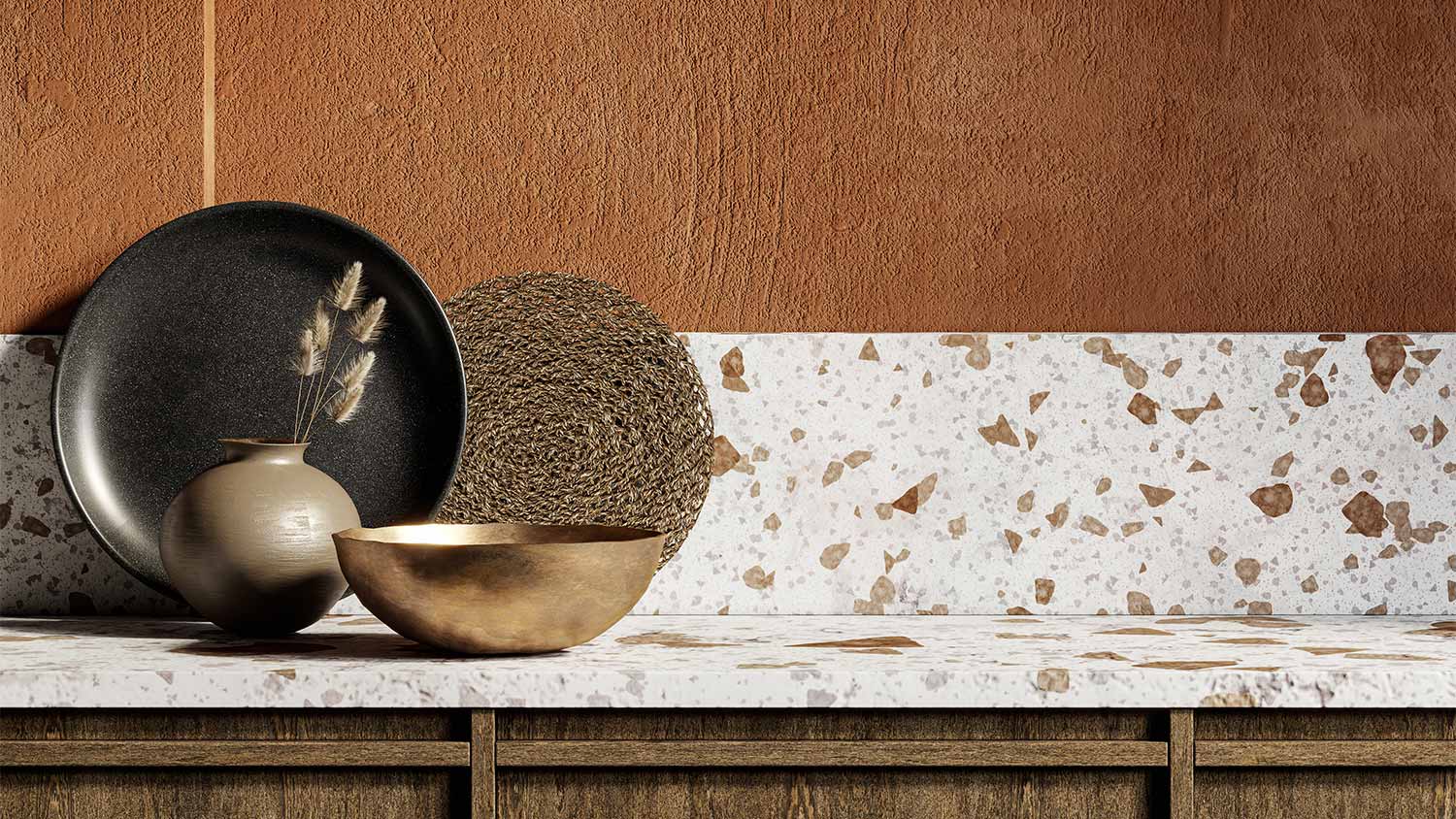
The cost of terrazzo countertops is based on several factors, including installation, materials, and size. Read on to find out what to know about pricing.

Butcher block counters are a cost-effective and beautiful option. Learn the butcher block countertop pros and cons to see if they’re right for your kitchen remodel.
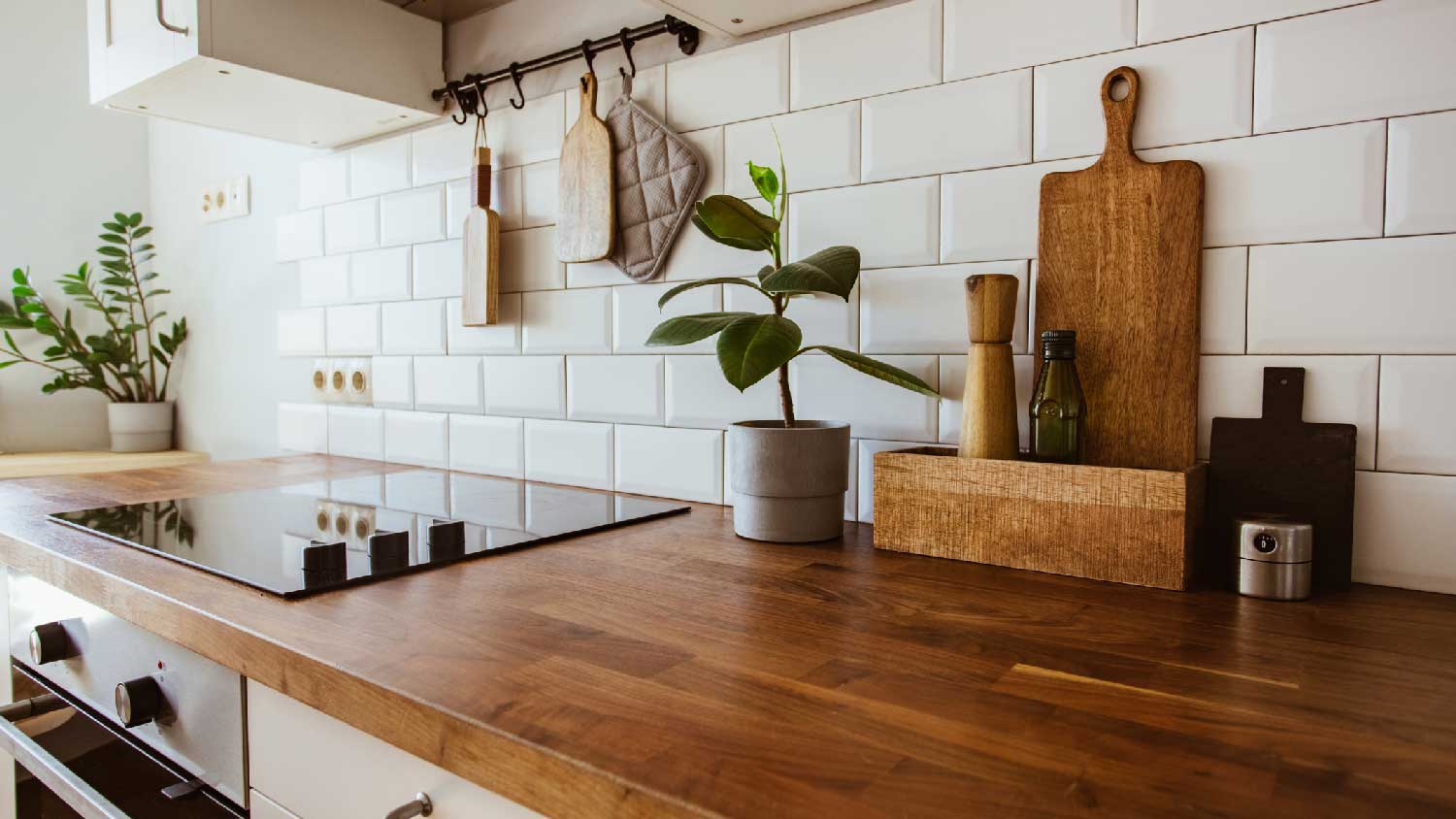
When you need someone who can install butcherblock countertops, your best bet is to hire a countertop contractor or finish carpenter.
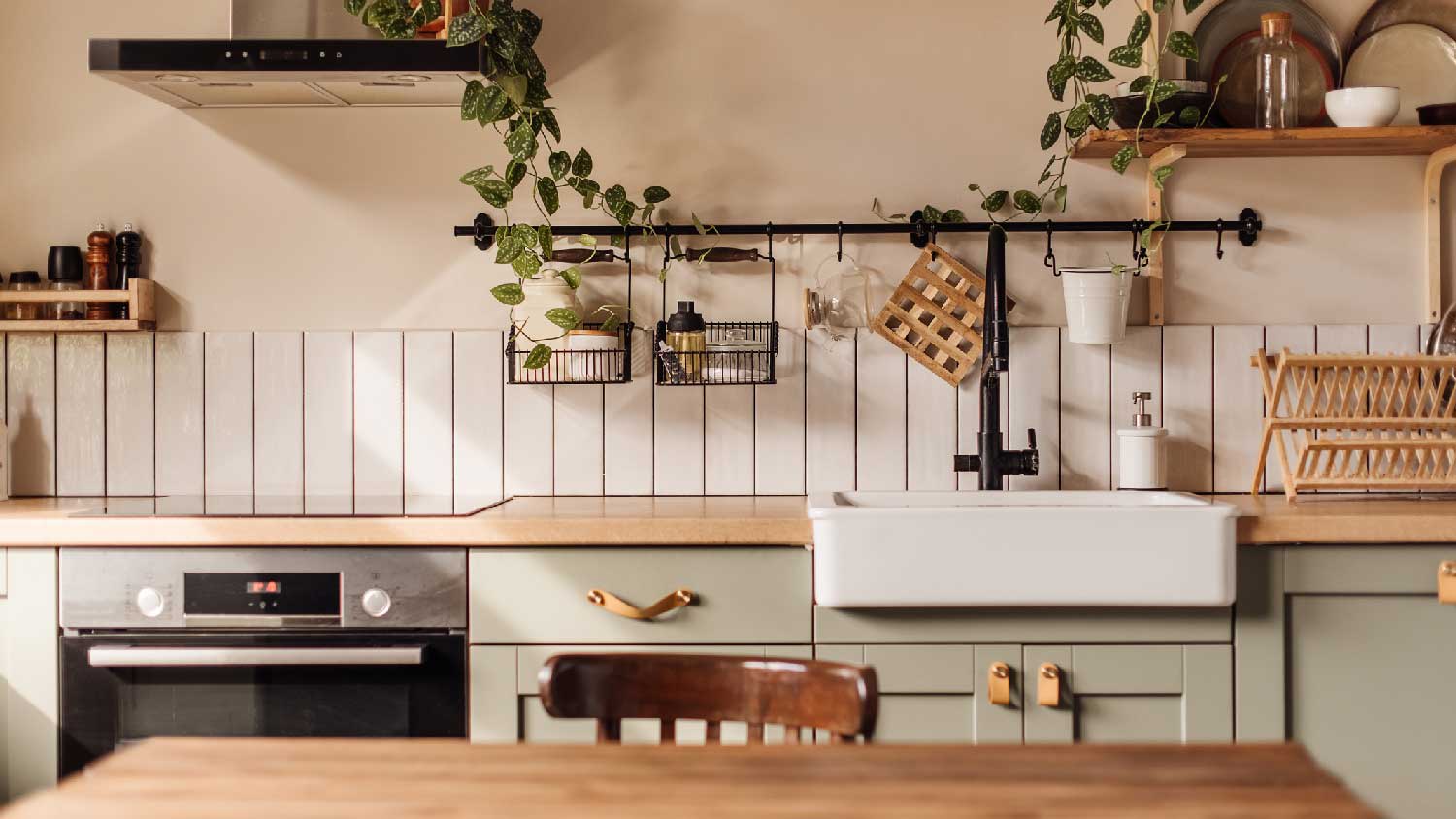
In the contest between butcher block countertops versus granite, the winner depends on your style, desired maintenance level, and budget.