
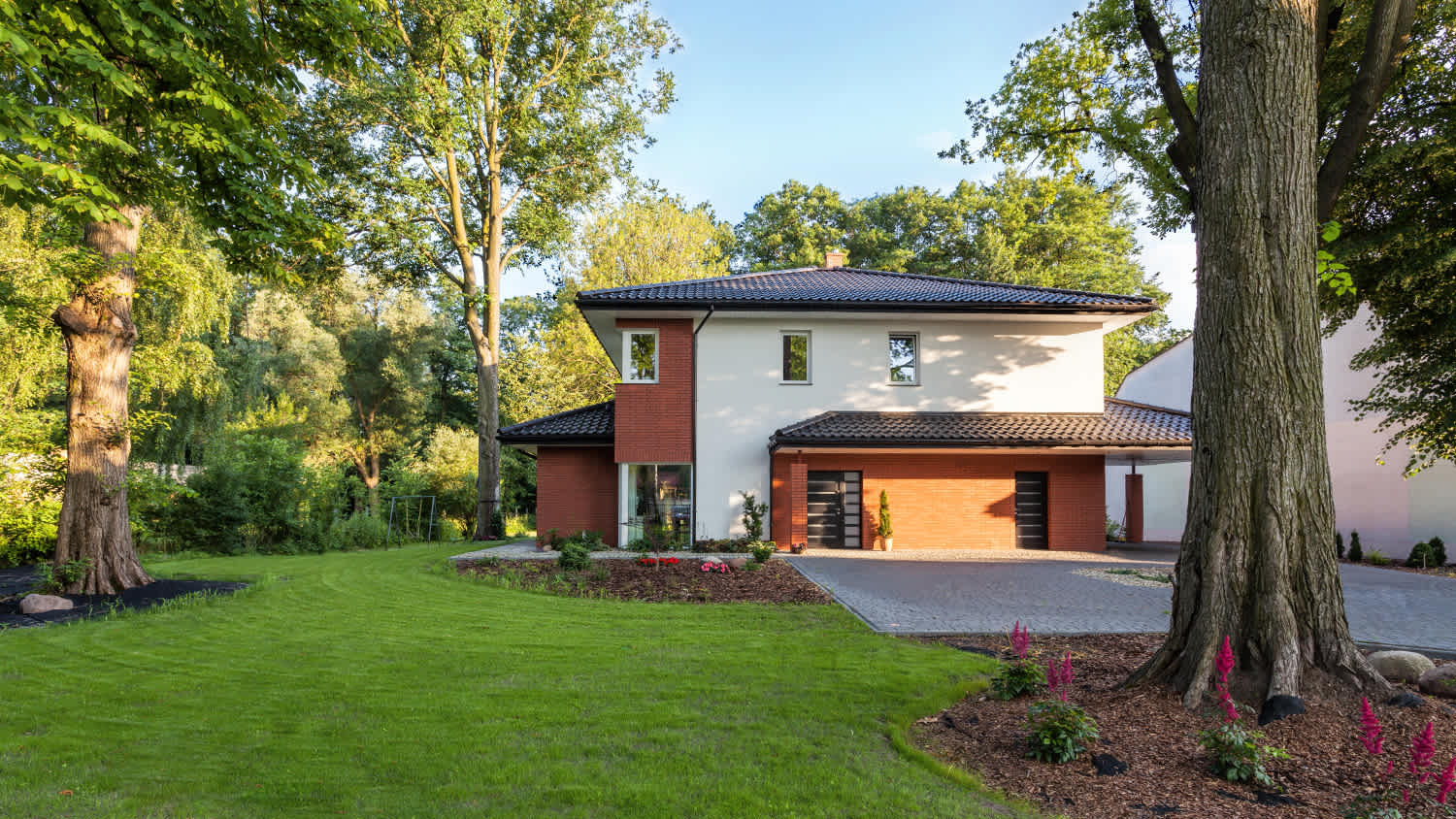
A dead tree is a hazard, but what do you do with one in the backyard? Fortunately, you have options: Here’s everything to do with your dead tree.
It can stay upright for a surprisingly long time

A dead tree can stay standing for two to five years before falling, depending on its size, species, and how your tree died.
Tree removal costs range from $200 to $2,000, so addressing a standing dead tree early helps you avoid damage to your home and property.
Dead trees pose serious risks when they fall, including damage to your roof, fence, and landscape, plus they attract termites and increase fire hazards.
Hiring a local arborist professional provides expert assessment of your tree's health and safe removal before it falls and causes costly damage.
Trees often die slowly, but they eventually reach the point where gravity takes over. But how long can a dead tree remain standing? Dead trees stand for anywhere between a few weeks to several years, depending on tree size, species, and previous health condition. A dead tree often stands for another two to five years. Here’s a closer look at what can cause a decaying tree to fall, plus when you should consider removing a tree.

In natural forests, a dead tree that stays standing is called a “snag” and is considered important for environmental health. But in your yard, a standing dead tree is a whole different matter—one that carries significant risks if it falls.
In a forest, mature trees that die often stay standing for between 2 and 5 years before they fall. But dead trees are unpredictable, and it’s difficult to pinpoint exactly when one will fall. Decay progresses at different rates for different trees. It could be a matter of days or weeks, or many years before a tree falls. But in nearly every case, trees finally fall because their anchoring root system and heartwood can no longer support them.
Those massive roots do more than just bring in nutrients through the soil: They also help keep the tree, which can weigh up to 500 pounds or more, supported and steady. Once the roots die off and the heartwood starts decaying, it’s only a matter of time before the tree falls.
The diameter of the tree will also dictate when it will fall. Trunks larger than 16 inches at about shoulder height have considerably more heartwood and larger roots which need to decay before the tree will fall.
The other primary factor that affects how long a dead tree remains standing is the wind. Many dead trees fall during seasonal storms, and the added weight from rain or snow only hastens the process. Trees growing in a thick forest tend to have more protection against the elements than isolated trees in your backyard, which is why they often take longer to fall.
The species of the tree affects how quickly it will fall. For example, the tough yellow cedars of Alaska can stay standing for decades after they’ve died. Hardwood species often remain standing longer because they resist decay. Species like cedars have antimicrobial properties, too.
The species also affects the shape of the tree, how it distributes weight, and what climate (bad weather included) it prefers to grow in, which could be why research has found that ponderosa pines fall faster than species like Douglas fir or lodgepole pine.
As we mentioned earlier, trees in your yard generally have less protection and tend to fall sooner.
If a tree dies because its roots were crushed or attacked by disease, it’s more likely that the tree will fall quickly. Trees that are overtaken by root fungus, for example, can die and fall in a matter of months.
On the other hand, if a tree dies with its roots intact and well-preserved, it’s much more likely to stay standing longer. Trees that died from drought, for example, tend to stay upright until decay has time to slowly set in.

Unlike forest snags, a dead tree on your property is far from harmless. Once trees reach above 20 feet, they are heavy and tall enough to cause lots of damage when they fall. Your fence, roof, exterior walls, and carefully crafted landscape could all be at risk from a falling tree. Plus, you never know when heavy branches might fall.
If the tree died from disease, it’s possible the disease will spread to healthy trees. The decaying wood also attracts termites and other pests you don’t want near your home. And as the wood dries out, it can catch fire more easily.
Not sure about the status of your tree? It can be difficult to tell when a tree is dying. When in doubt, contact an arborist or similar tree maintenance professional near you for a consultation. They’ll be able to assess the health of your tree, suggest a course of action if the tree can be saved, or let you know it’s time to remove the tree before it falls.
If you have experience using a properly-sized chainsaw, cutting down a small tree can be a DIY job. But it’s not safe for homeowners to remove large trees on their own; in those cases, you should contact a professional tree removal service near you to do the job. Tree removal costs range from $200 to $2,000 depending on the number of trees and their size.
This service was great. My air conditioner went out during the heat spell that we had. My husband has health issues and they came out that night and at 9:30pm the air conditioner was fixed and running. We are sooo very thankful, this is the company I will be using from now on and would...
 Mr. Mechanical Ohio
One of my old tall evergreen trees was suddenly leaning toward the busy street in front of my house. I submitted a request for an emergency tree inspection, and Alejandro, owner of Cajete Tree Service, contacted me immediately and arrived to look at it just 20 minutes later. We agreed the...
 Cajete Tree Service LLC
1 tree was cut down and 5 others including a large willow tree were trimmed. The Grant Tree Service men were professional and cleaned up afterwards. The cost of the 6 trees were affordable. I am very happy with the results. I would hire them again.
 Grants Tree Service
D1 Roofing delivers outstanding service from beginning to end, backed by a strong warranty and expert teams. I highly recommend them for their excellence in meeting and surpassing expectations with unmatched communication. Choosing D1 Roofing was flawless decision
 Division 1 Roofing LLC
Promptly arrived for quoting! Demonstrated superb customer service, affordable pricing, and completed service swiftly! Looking forward to the spring for our service!
 All Star Paving and Sealing
Seth was very professional, prompt in responding to queries about the work required , gave sincere advice as to what would be best for tree trimming and did the job timely.
Ace Fireplace Services' chimney sweep service is truly exceptional. They used advanced technology to ensure a thorough cleaning process, and my chimney has never looked better. I highly recommend their services.
 Ace Fireplace Services
I definitely recommend Ramonaâ s cleaning service! I have booked services with her many times and she arrives on time, ready to work and provides a great service.
 Your Cleaning Solutions LLC
Webb â s was priced well, flexible on scheduling, great with communication, and detailed in their work. Iâ ll definitely use their services again.
 Webbs Pressure and Paint LLC
Great tree company, very professional and honest. Glad we found them, they had the best pricing
From average costs to expert advice, get all the answers you need to get your job done.
A dead tree is a hazard, but what do you do with one in the backyard? Fortunately, you have options: Here’s everything to do with your dead tree.
Find out how to tell if a tree is dying and what you can do about it in this guide. The sooner you catch the problem, the higher your chance of saving your tree.
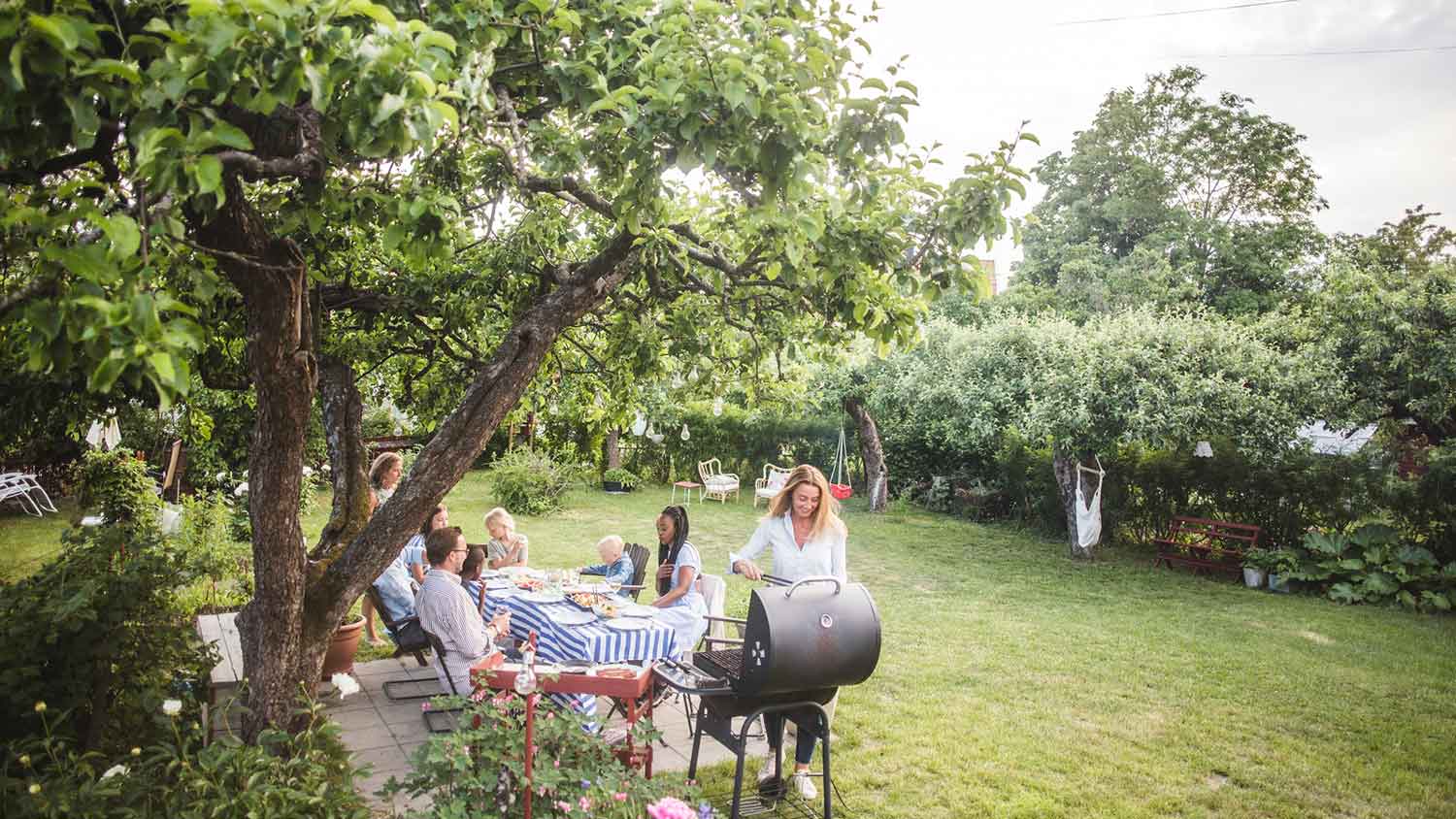
Inspections are a crucial part of tree care. Tree diseases and other common health issues have telltale signs. Find out how to tell if your tree is healthy.
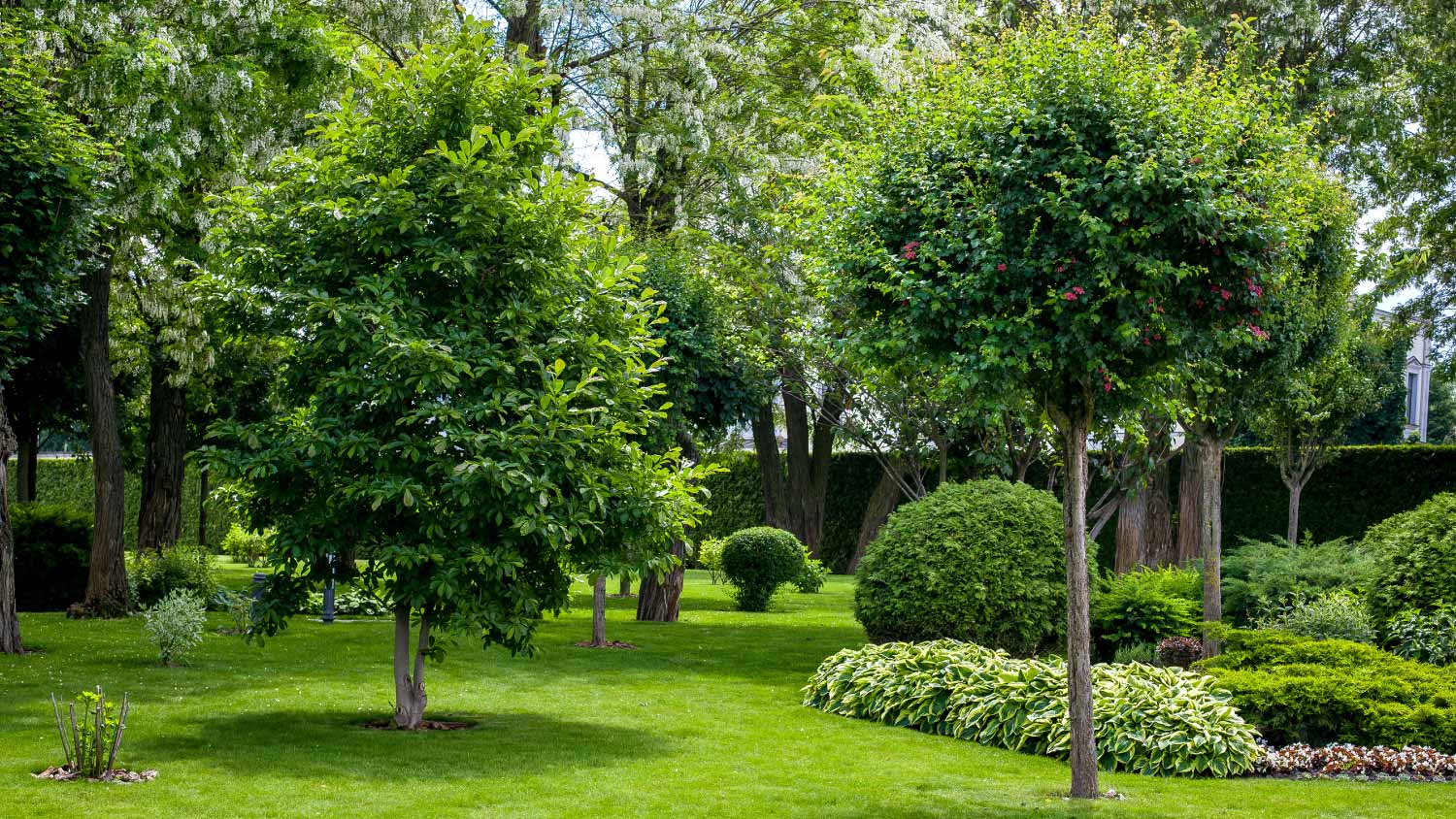
From dead branches to exposed roots, our guide will help you figure out how to tell if a tree is going to fall and what warning signs to look for.
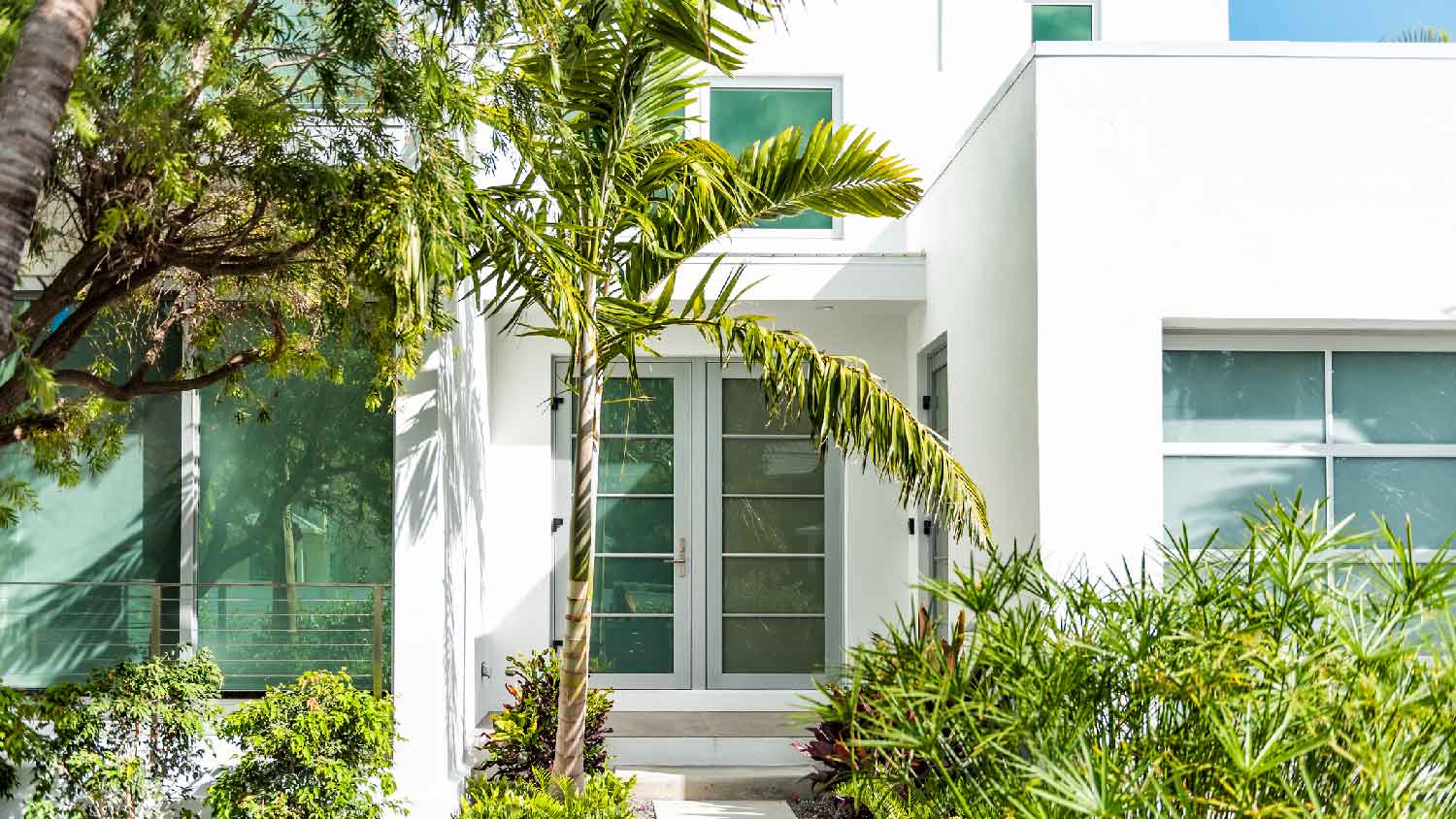
If your palm tree looks dead, there are several ways to bring it back to life. Our guide will show you what to do with a dead palm tree.
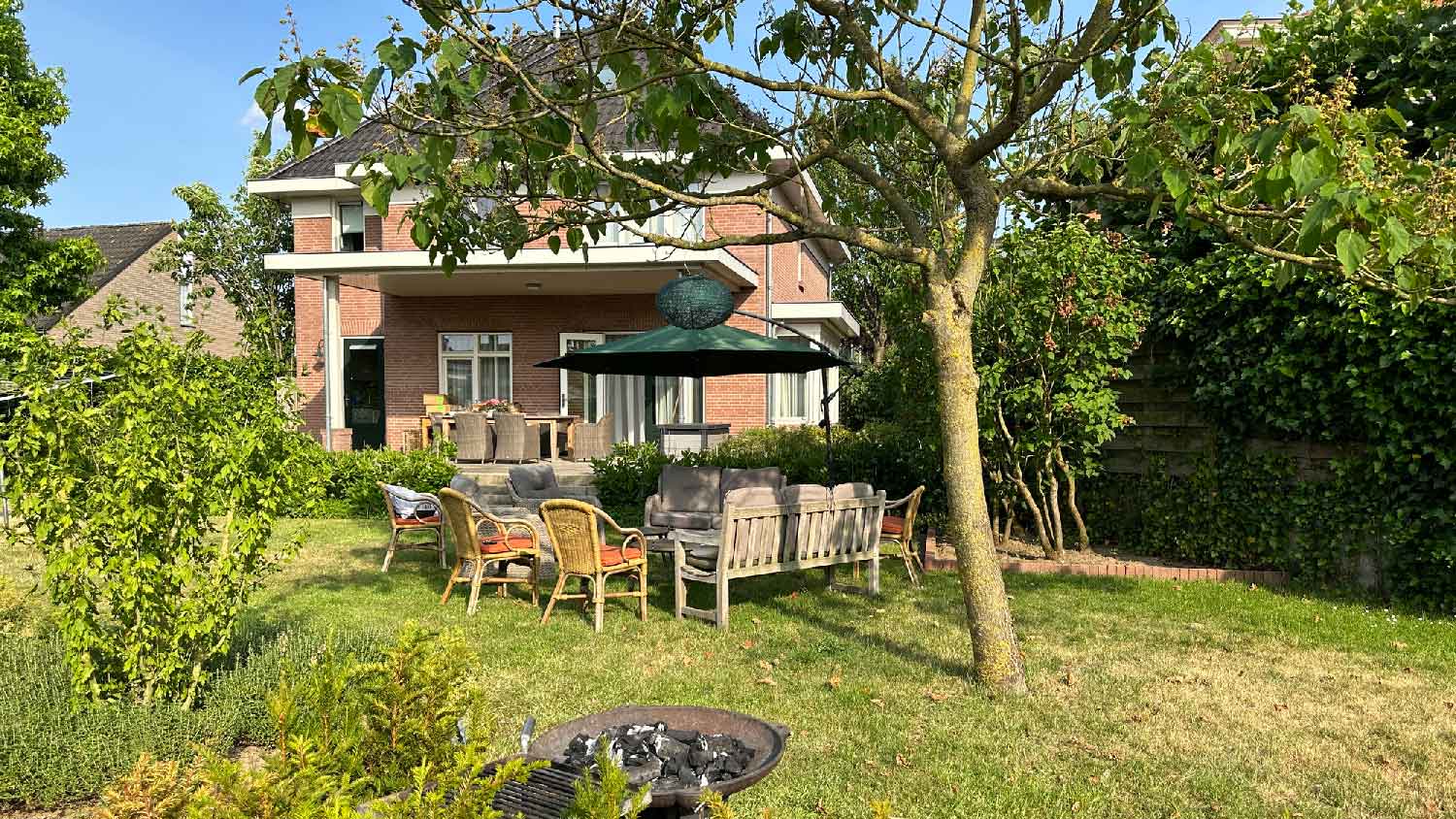
If you have a tree that has been split or broken in half, don’t panic. There are some ways to attempt to save the tree, depending on the damage.