
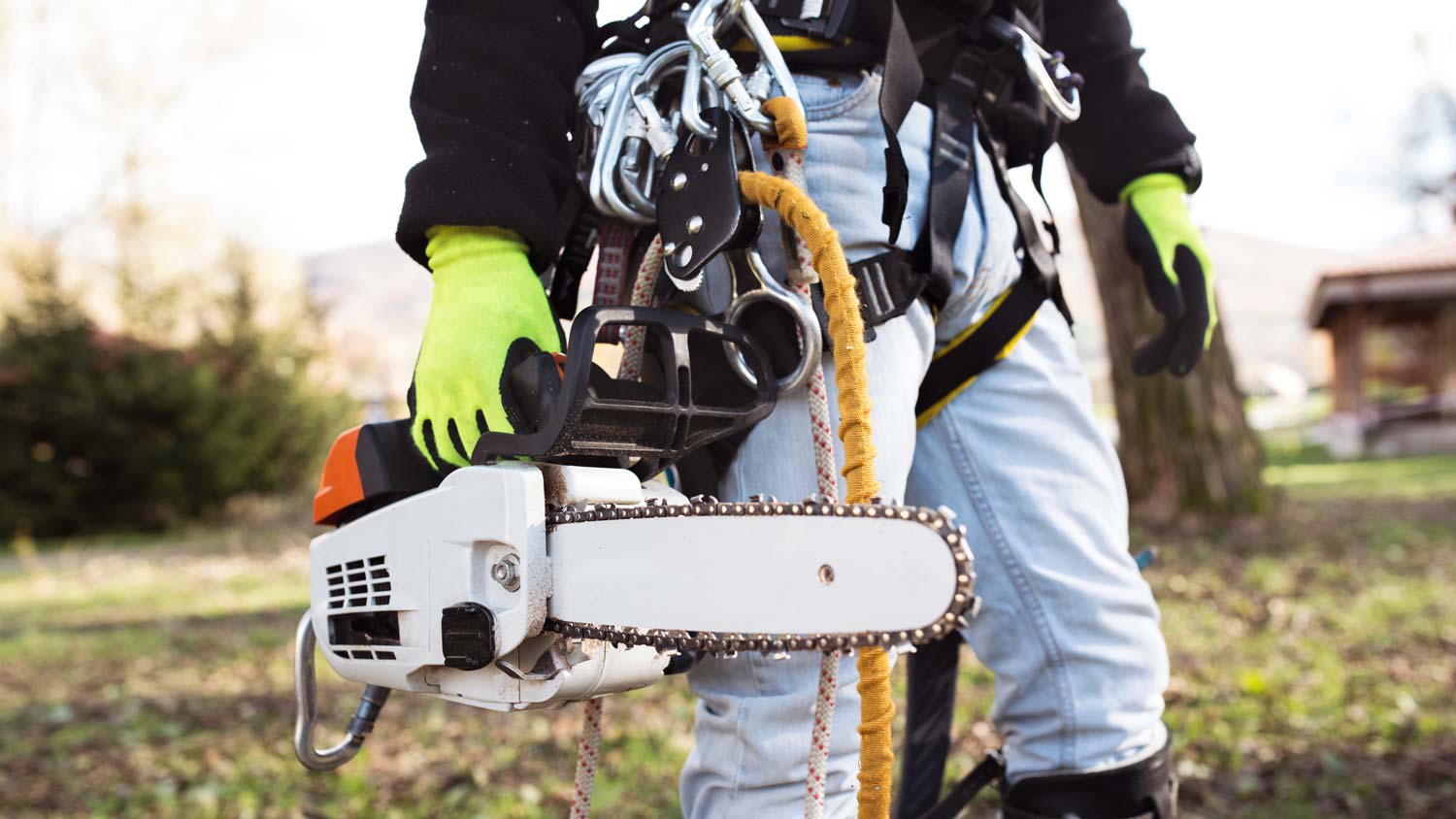
If you’re searching for people who cut down trees, look for arborists and tree cutters. Our guide will show you who to hire for tree cutting.
Dodge a disaster with these safety tips

Mistakes to avoid when cutting down a tree include skipping permits, forgetting safety gear, using wrong tools, and cutting without estimating your felling zone first.
Professional tree removal costs around $750 per tree, and stump removal ranges from $175 to $550, so addressing tree issues early helps you plan.
Remove all branches before cutting the trunk to reduce weight and prevent limbs from catching on obstacles, making your tree fall safer and easier.
Hiring a local tree removal professional keeps you safe and handles everything from proper notch cutting to stump removal with the right equipment and expertise.
Sometimes you have no choice but to remove a tree from your yard or property. You may be clearing the area for landscaping, it may have contracted a disease that’s threatening nearby trees, or it may simply have grown too large for the space. But taking down a tree safely requires care and attention—and mistakes come with serious consequences. Before you make your first cut, take a look at our list of 11 big tree-cutting no-nos, and make your plans accordingly.
Not sure whether you should remove a tree from your yard? Hire a professional arborist to inspect the tree and help you determine if you should take the next steps to cut it down.


Many cities and local neighborhood HOAs (Homeowner’s Associations) have limits or bans on cutting down trees in your yard. You may need to purchase a permit if you live in a residential area, especially for larger trees that could fall onto your neighbor’s property. Some cities and states also want to retain control of tree removal to help encourage local flora and fauna growth. A permit may cost as little as $20 or up to $100. Some exceptions may apply, like if the tree poses a safety risk because it’s about to fall due to age or damage.

If you hire a local tree removal service, they’ll come with all the proper safety gear and equipment, including a bucket truck to work on the tallest trees. Professional tree removal costs around $750 per tree, on average.
If you’ll be doing the work yourself, be sure you have durable work gloves, sleeves to protect against cuts or scrapes, and safety glasses to shield your eyes from flying wood chips. Many workers prefer a mask as well to avoid inhaling wood dust. And for particularly high or large trees, a hard hat is also an important safety addition. If you are using a chainsaw, you’ll also need hearing protection as well as felling wedges to guide the tree’s fall.
To determine the right tree cutting tool to use, evaluate the size of the tree. Heavy duty handsaws can handle trees below 15 feet high with branches and trunks that are several inches in diameter. They’re also an excellent pick for removing branches in tighter areas where a chainsaw can’t maneuver, or whenever you’re on a ladder. Plus, they’re a lot quieter for the neighbors. When possible, use an arborist handsaw with large teeth designed to tackle branches. Check that the grip on the handle is tight and stable and that the teeth are clean and sharp.
By the time a trunk approaches six inches in diameter, it’s a good idea to switch to a chainsaw for speed, comfort, and control. Chainsaws come in many sizes, so it’s important to find the right one for the job. Generally, you want a saw blade that’s at least a couple of inches longer than the width of the tree trunk. A shorter blade requires more work and creates more risks. The larger the chainsaw, the more vibration it creates, and the more strength and experience it demands.
Be sure to check gas and oil levels, adjust chain tension as needed, and sharpen the chainsaw if it’s seen previous use. If you don’t have experience using a chainsaw and aren’t familiar with basic chainsaw practices like avoiding kickbacks when engaging the chainsaw tip, leave this tree removal project to the professionals.
An important step in cutting down a tree safely is to plan out the felling zone. Walk around the tree at about the same distance as its height and look for any obstacles, including fences, rooftops, power lines, and garden shrubs. Remove any obstacles you can, and then plan to cut the tree so that it (ideally) lands in an unobstructed area. This is the zone that your notch will face when you start cutting.
If your tree has a significant lean or outgrowth to one side, this will heavily affect its falling angle. Try to clear a fall zone that lines up with the tree’s natural lean, and plan on using tree wedges for additional safety.
Be aware that even small trees can be surprisingly heavy when they start falling—and if your tree is larger than a sapling or ornamental species, you won’t be able to do much to control the fall. Be ready with a couple of escape routes so you can avoid its fall path (including if it falls in an unexpected direction). Whatever you do, never try to catch a falling tree, even if it’s going to land somewhere you don’t want it to.
Always find a spotter when you’re ready to cut the trunk. You need someone to keep watch for unexpected issues as well as signs that the tree is about to fall. If something goes wrong or you get injured, your spotter can run for help. Keep them within view when you start making your big cuts.
Cutting down trees comes with serious risks for inexperienced homeowners. If a tree trunk is a foot or more in diameter, it could cause major damage to you or your home if cut improperly. You’re also more likely to need additional tools such as tree wedges to avoid injury and control the fall—or even safety harnesses to make cuts higher in the tree. In these cases, unless you have plenty of experience cutting larger trees, we recommend leaving the work to a pro.
In addition, rotten trees or trees heavily damaged by termites, disease, age, etc. need to come down quickly because they pose a falling risk. But if the trunk of the damaged tree is 18 inches or more in diameter, it’s best left to the pros. That’s because you can’t lean against a rotten tree while cutting branches, and it’s even more likely to fall in unexpected and potentially dangerous ways.
Cutting a tree of any considerable size requires using the notch method. This involves cutting a triangle-like notch into the base of the tree first to control the angle it will fall.
To cut a notch, start somewhere between shoulder and waist height and make the first cut by slanting down at about a 45-degree angle to the ground. Cut about one-third of the way into the trunk. Then make the second cut a few inches above the first cut and parallel to the ground. Curve it down to meet the first cut and complete the notch so that the trunk’s wedge can be removed.
The tree should not fall at this point. That’s one reason larger trees over a foot in diameter typically require felling wedges to prop up the notch. You will make a final horizontal cut on the other side of the tree, about an inch above the acute angle of the notch. As this final cut approaches the notch, the tree often begins to fall (or can be guided at the right time by knocking out the tree wedges). Your lookout is usually able to warn you as the tree starts to lean. At this time, you can adjust the cut to further control the fall, stay out of harm’s way, and shout warnings.

Even small trees fall much easier and more safely when you cut off branches first, removing both weight and limbs that could catch on obstacles on the way down. Remove any brush or shrubs that block access to the tree, then cut off all tree limbs at the base, close to the trunk. If you need to use a ladder, lean it against a stable support or use a freestanding stepladder. You could also rent a pole saw to tackle higher branches without using a ladder.
When the work is done, clear all branches and debris off your yard to avoid a tripping hazard.

Even if the tree’s roots are getting in your way, you shouldn’t cut roots before felling the tree. Those roots provide important stability for the tree, and cutting that connection can affect the tree in unforeseeable ways. Leave the roots in place until the tree is down and you’re ready to deal with the stump.
Cut the branches and trunk into small pieces that you can easily move. Don’t drag full trunks or large sections, which can damage your yard (and your back). If you’re dividing the trunk up with a chainsaw, prop the trunk up, away from the ground (a couple cut branches are useful here) and get your spotter to help hold the trunk steady as you cut. Avoid cutting the trunk directly on the ground with a chainsaw, since coming into contact with the ground creates kickback, throws dirt and pebbles in your face, and dulls or dislodges the chainsaw blade.
Larger stumps, anchored in place by spread-out root systems, challenge even determined homeowners. It’s tempting to leave these stumps in place and maybe use them for ornamental purposes. But we recommend removing stumps whenever possible. When stumps stay in the ground, they die and start rotting over time. This can attract pests like ants or termites and cause other problems.
You can dig out many smaller stumps with a shovel, a saw for larger roots, and some serious labor. However, larger stumps often require professional services. The cost of professional stump removal averages between $175 and $550.
This service was great. My air conditioner went out during the heat spell that we had. My husband has health issues and they came out that night and at 9:30pm the air conditioner was fixed and running. We are sooo very thankful, this is the company I will be using from now on and would...
 Mr. Mechanical Ohio
One of my old tall evergreen trees was suddenly leaning toward the busy street in front of my house. I submitted a request for an emergency tree inspection, and Alejandro, owner of Cajete Tree Service, contacted me immediately and arrived to look at it just 20 minutes later. We agreed the...
 Cajete Tree Service LLC
1 tree was cut down and 5 others including a large willow tree were trimmed. The Grant Tree Service men were professional and cleaned up afterwards. The cost of the 6 trees were affordable. I am very happy with the results. I would hire them again.
 Grants Tree Service
D1 Roofing delivers outstanding service from beginning to end, backed by a strong warranty and expert teams. I highly recommend them for their excellence in meeting and surpassing expectations with unmatched communication. Choosing D1 Roofing was flawless decision
 Division 1 Roofing LLC
Promptly arrived for quoting! Demonstrated superb customer service, affordable pricing, and completed service swiftly! Looking forward to the spring for our service!
 All Star Paving and Sealing
Seth was very professional, prompt in responding to queries about the work required , gave sincere advice as to what would be best for tree trimming and did the job timely.
Ace Fireplace Services' chimney sweep service is truly exceptional. They used advanced technology to ensure a thorough cleaning process, and my chimney has never looked better. I highly recommend their services.
 Ace Fireplace Services
I definitely recommend Ramonaâ s cleaning service! I have booked services with her many times and she arrives on time, ready to work and provides a great service.
 Your Cleaning Solutions LLC
Webb â s was priced well, flexible on scheduling, great with communication, and detailed in their work. Iâ ll definitely use their services again.
 Webbs Pressure and Paint LLC
Great tree company, very professional and honest. Glad we found them, they had the best pricing
From average costs to expert advice, get all the answers you need to get your job done.
If you’re searching for people who cut down trees, look for arborists and tree cutters. Our guide will show you who to hire for tree cutting.
Not sure who to call to cut down your tree? Learn what type of company to hire and how the process works with this step-by-step guide.
Ready to learn how to cut down a tree in your yard? Follow this DIY guide to find out how to safely fell a tree with a chainsaw.
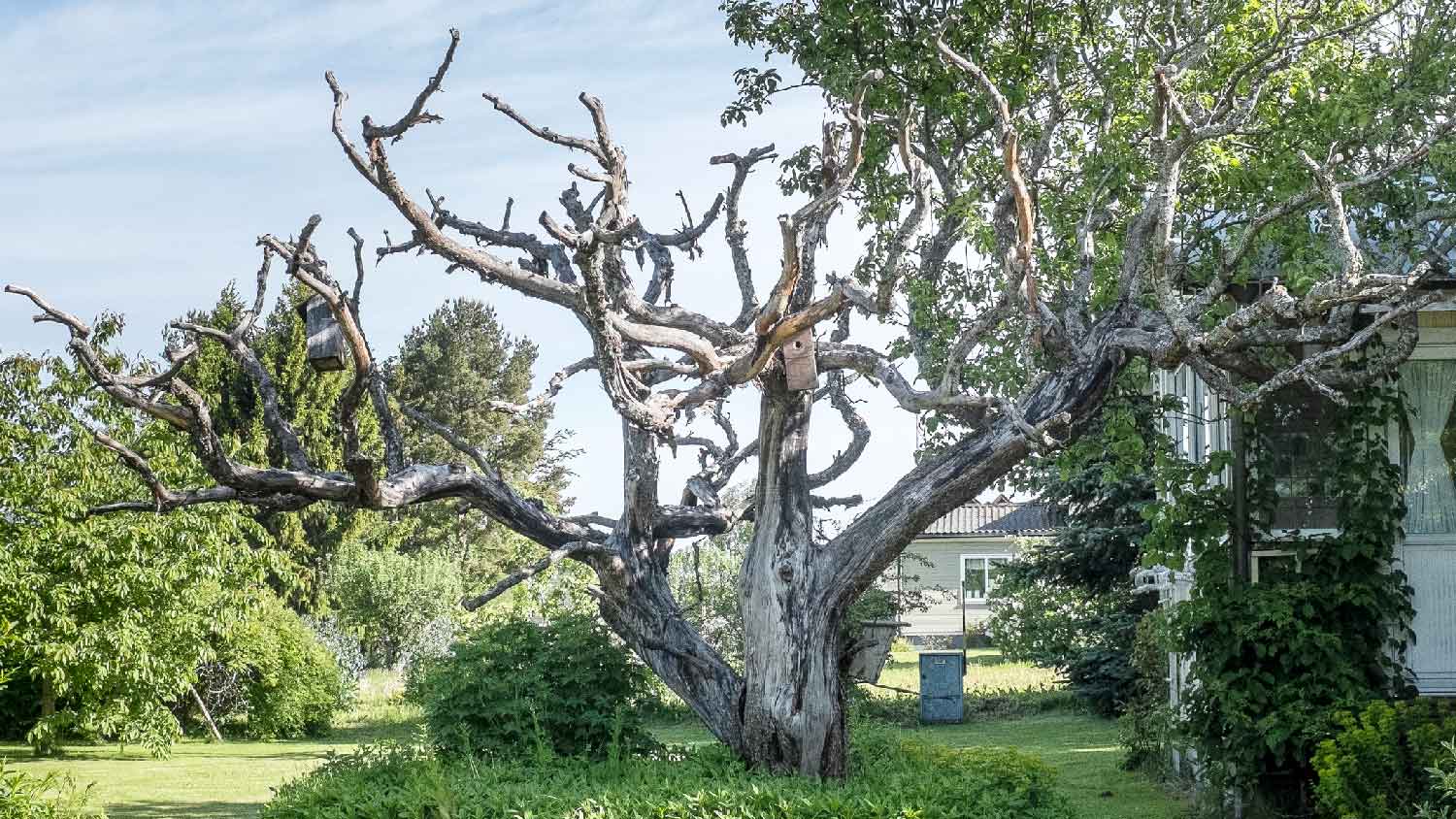
When a dead tree has fallen or looks like it’s about to, it’s important to hire the right professional to assess the damage and clear away the tree.
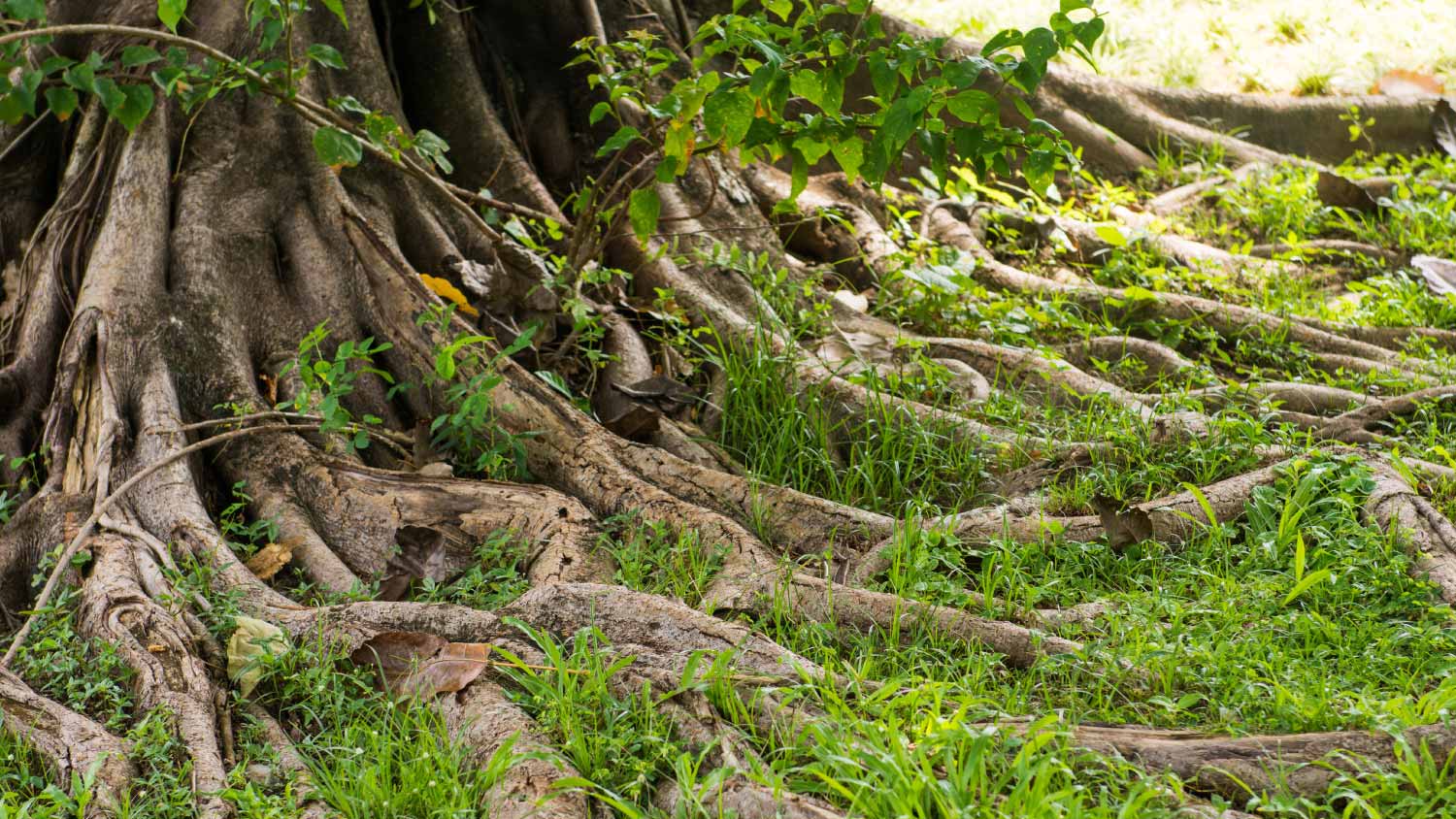
Tree roots can cause damage to pavement and push fence posts out of the ground. If you have tree roots growing over your property line, here’s what you need to know about cutting them.
Cutting tree roots doesn’t always stop them from growing. Here’s what you need to know about root regrowth and how to prevent issues.