
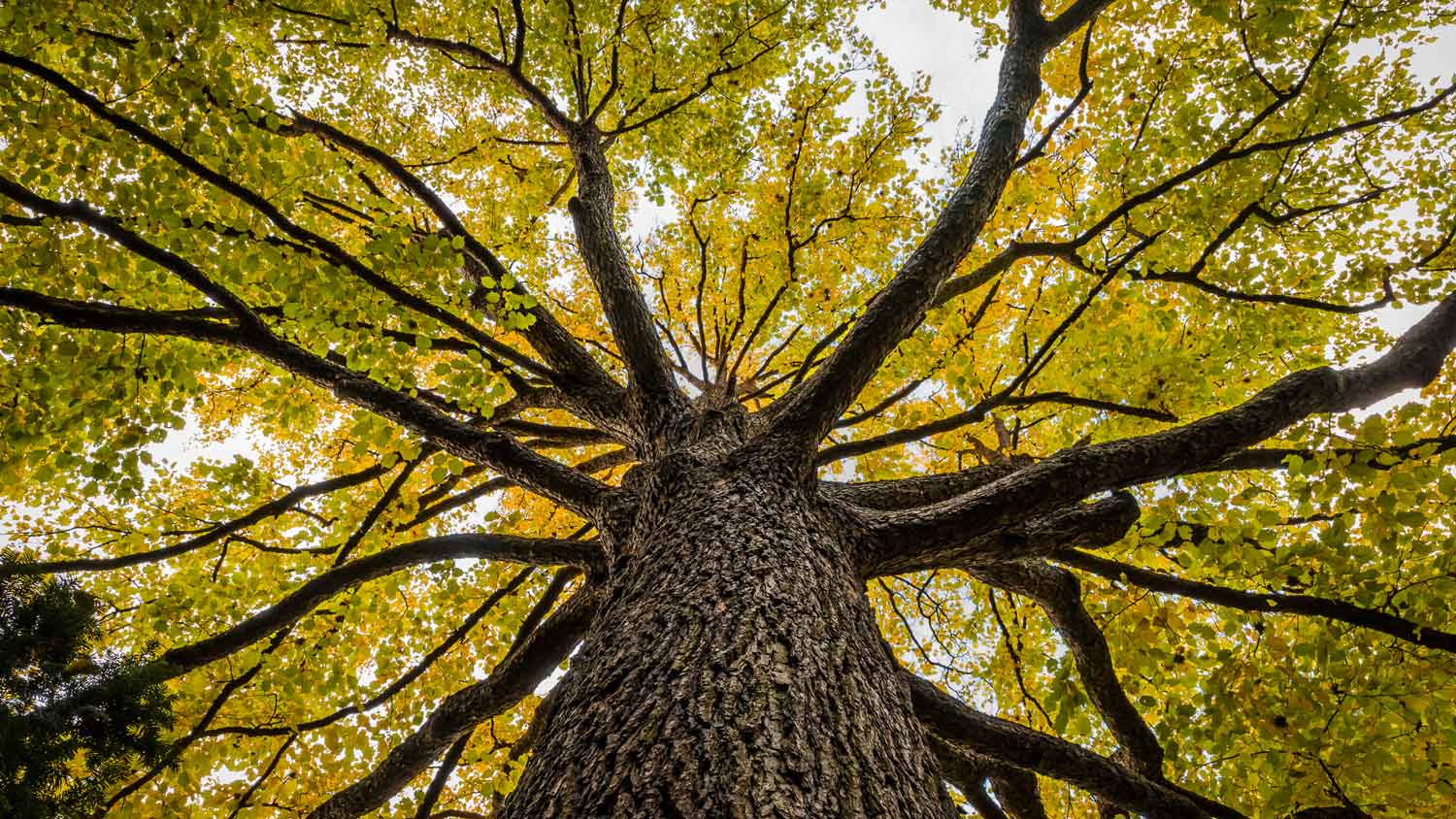
What do elm trees look like? Learn how to identify elm tree leaves, bark, and the different types of this picturesque tree with this informational guide.
Stop this fast-spreading tree disease in its tracks

Dutch elm disease treatment options include pruning infected branches, injecting fungicides into your tree's roots, applying pesticides to control beetles, or removing severely damaged trees.
When your elm shows wilting or yellowing leaves that curl and drop early, check the sapwood beneath the bark for brown or black streaking.
Burning, debarking, or burying dead elm wood prevents beetles from laying eggs and spreading the fungal disease to your healthy trees nearby.
Hiring a local arborist professional provides expert diagnosis and treatment plans, helping you save viable elms through fungicide injections and root graft severing.
Dutch elm disease is a destructive tree illness that infects native elms, as well as some other tree species. Unfortunately, it’s a common issue, making it crucial for homeowners to learn Dutch elm disease treatment options.
This destructive fungal disease (carried by beetles) has wiped out millions of elm trees since the early 1900s. This guide will show you how to define Dutch elm disease, spot it in your yard, and treat the problem before it spreads.

Typically, symptoms of Dutch elm disease begin to emerge in late spring and eventually spread from individual branches to the entire tree. The process can take anywhere from months to years, but it will eventually kill your tree if left untreated. Lookout for the following signs:
Leaves that wilt before turning yellow or brown
Curled leaves
Leaves that prematurely drop
Brown or black streaking in sapwood (the soft layer of wood directly beneath the bark)
You can check for Dutch elm disease by cutting a section of a dying branch and looking for discoloration. Some of these symptoms are very similar to other diseases, like elm phloem necrosis; therefore a formal diagnosis must be completed by a laboratory.
All elm species native to the United States are susceptible to Dutch elm disease, though Asiatic elms (like Chinese elm, Japanese elm, or Siberian elm) may have more resistance. If you suspect Dutch elm disease, call an arborist near you. They’ll confirm the diagnosis and help you with a treatment plan.
Dutch elm disease can be difficult to treat since it easily spreads. Unless you catch it early, you may need to remove significant portions of your tree, including some of the roots. An arborist will be able to save viable trees and protect all the elms in your yard. If you need assistance removing diseased branches from the tree, consider hiring a local tree maintenance professional to handle the task.
Unfortunately, Dutch elm disease doesn’t have a simple cure. You can’t reverse the damage that’s done, but you can stop it from spreading. The most effective Dutch elm disease treatments get rid of the Elm Bark beetles that spread the disease and the fungus that attacks the tree’s vascular system. Here’s what you can do.
If you catch Dutch elm disease before it spreads to the main stem, you may be able to successfully prune the affected branches. Make sure you completely destroy any foliage you remove, since it can spread from tree to tree. This works best if you also use a fungicide.
Since Dutch elm disease is a vascular disease, injecting a fungicide into the roots can stop the fungal infection across your whole tree—but it will only work if your tree isn’t lethally damaged.
Pesticides can get rid of the beetle infestation that’s fueling the disease. This isn’t always the most effective method depending on which pesticides your arborist uses, but it can help.
Sometimes the only way to mitigate Dutch elm disease is to remove the affected tree, especially once the disease spreads thoroughly through the main stem. In this case, it’s best to—literally—cut your losses to prevent the disease from infecting the rest of your trees. You can plant a disease-resistant hybrid elm in its place.
If you suspect Dutch elm disease in your trees, contact a certified arborist in your area to diagnose it and provide treatment options. They’ll inspect the tree to determine if treatment is possible to keep the tree or if it needs removal. If treatment is an option, they can sever root grafts, remove or prune the affected branches and treat these areas with insecticides and fungicides every one to two years to prevent the disease’s recurrence. These professionals can also remove trees if they are past the point of recovery.
Dutch elm disease is a ravenous, fast-moving disease, but there are some things you can do to mitigate its spread:
Burn, debark, or bury dead or weak elm wood (including logs) to prevent beetles from laying eggs.
Break the root grafts of larger trees that are within 50 feet of each other. You’ll need to hire a local tree service for this task.
An annual spray of the insecticide methoxychlor over bark surfaces can kill many beetles before they leave behind spores.
Some fungicides such as thiabendazole hypophosphite and propiconazole can prevent the beetles from spreading the infection. Application is expensive, repeated seasonally, and needs to be injected into the tree by a professional arborist or a tree service company.
Plant hybrid elms that are resistant to Dutch elm disease, such as New Horizon, Accolade, Regal, and Frontier. Another option is the Chinese elm, Ulmus parviflora.

The infection process starts with female bark beetles looking for weak elm wood (or logs or firewood) to lay their eggs in between the tree’s bark and wood. If the beetle is carrying Dutch elm disease, fungal spores spread throughout the tree area, and when young beetles emerge, they are covered in the fungal spores.
These young beetles feed on the leaves and twigs of healthy trees, spreading the spores to the tree. The spores then start new infections, and once the tree is weak, the beetles colonize it, repeating the cycle. Since the fungus enters the tree’s vascular system, the spores spread anywhere water goes, including the root system. In addition to beetle spread, the fungus can naturally spread via root grafts up to 50 feet away. When a tree is infected through its root system, it moves very quickly throughout the rest of the tree.
This service was great. My air conditioner went out during the heat spell that we had. My husband has health issues and they came out that night and at 9:30pm the air conditioner was fixed and running. We are sooo very thankful, this is the company I will be using from now on and would...
 Mr. Mechanical Ohio
One of my old tall evergreen trees was suddenly leaning toward the busy street in front of my house. I submitted a request for an emergency tree inspection, and Alejandro, owner of Cajete Tree Service, contacted me immediately and arrived to look at it just 20 minutes later. We agreed the...
 Cajete Tree Service LLC
1 tree was cut down and 5 others including a large willow tree were trimmed. The Grant Tree Service men were professional and cleaned up afterwards. The cost of the 6 trees were affordable. I am very happy with the results. I would hire them again.
 Grants Tree Service
D1 Roofing delivers outstanding service from beginning to end, backed by a strong warranty and expert teams. I highly recommend them for their excellence in meeting and surpassing expectations with unmatched communication. Choosing D1 Roofing was flawless decision
 Division 1 Roofing LLC
Promptly arrived for quoting! Demonstrated superb customer service, affordable pricing, and completed service swiftly! Looking forward to the spring for our service!
 All Star Paving and Sealing
Seth was very professional, prompt in responding to queries about the work required , gave sincere advice as to what would be best for tree trimming and did the job timely.
Ace Fireplace Services' chimney sweep service is truly exceptional. They used advanced technology to ensure a thorough cleaning process, and my chimney has never looked better. I highly recommend their services.
 Ace Fireplace Services
I definitely recommend Ramonaâ s cleaning service! I have booked services with her many times and she arrives on time, ready to work and provides a great service.
 Your Cleaning Solutions LLC
Webb â s was priced well, flexible on scheduling, great with communication, and detailed in their work. Iâ ll definitely use their services again.
 Webbs Pressure and Paint LLC
Great tree company, very professional and honest. Glad we found them, they had the best pricing
From average costs to expert advice, get all the answers you need to get your job done.
What do elm trees look like? Learn how to identify elm tree leaves, bark, and the different types of this picturesque tree with this informational guide.
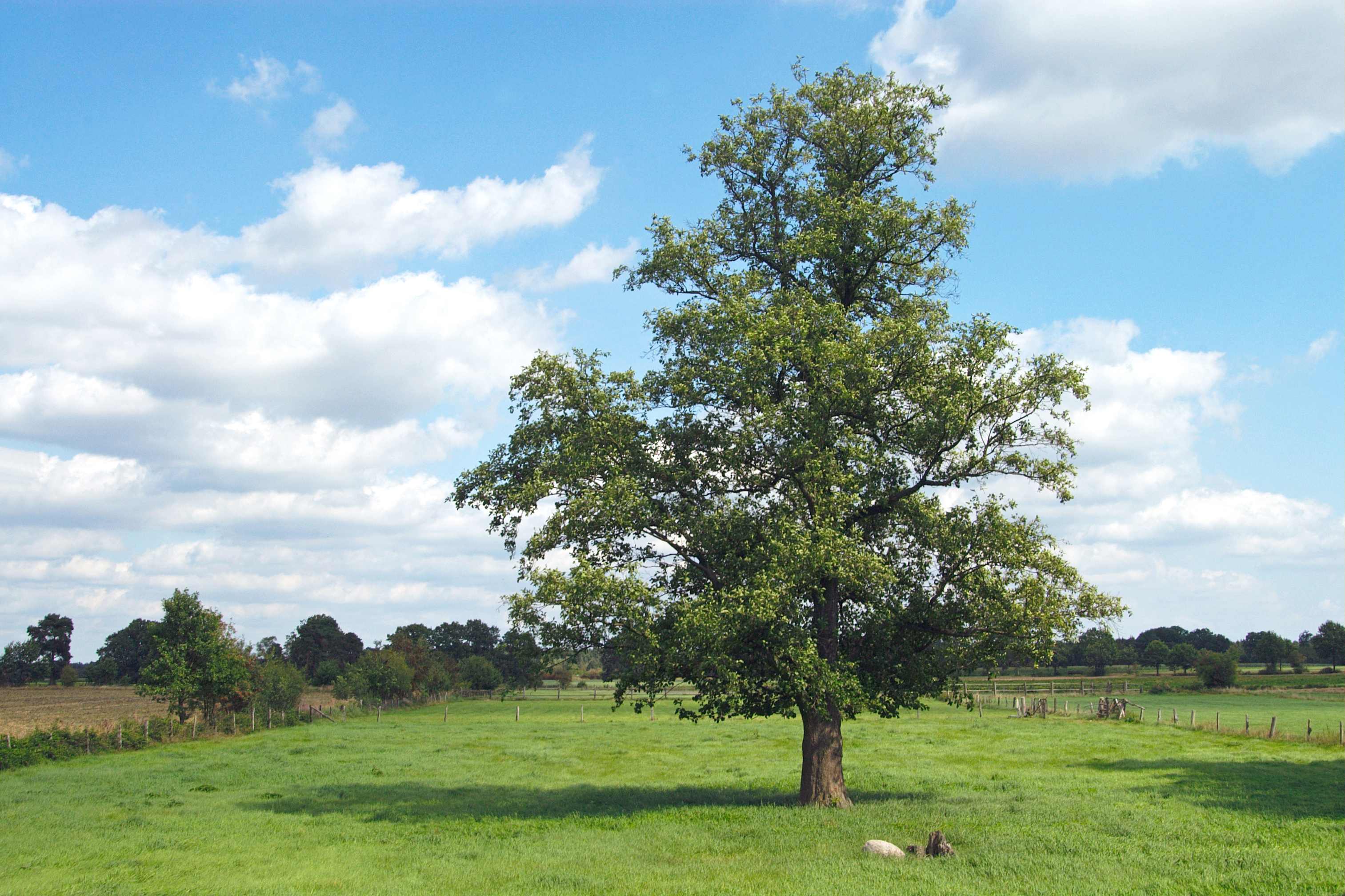
What is a field elm vs. Siberian elm? Learn the distinguishing traits of each tree to help you identify which one is in your yard.
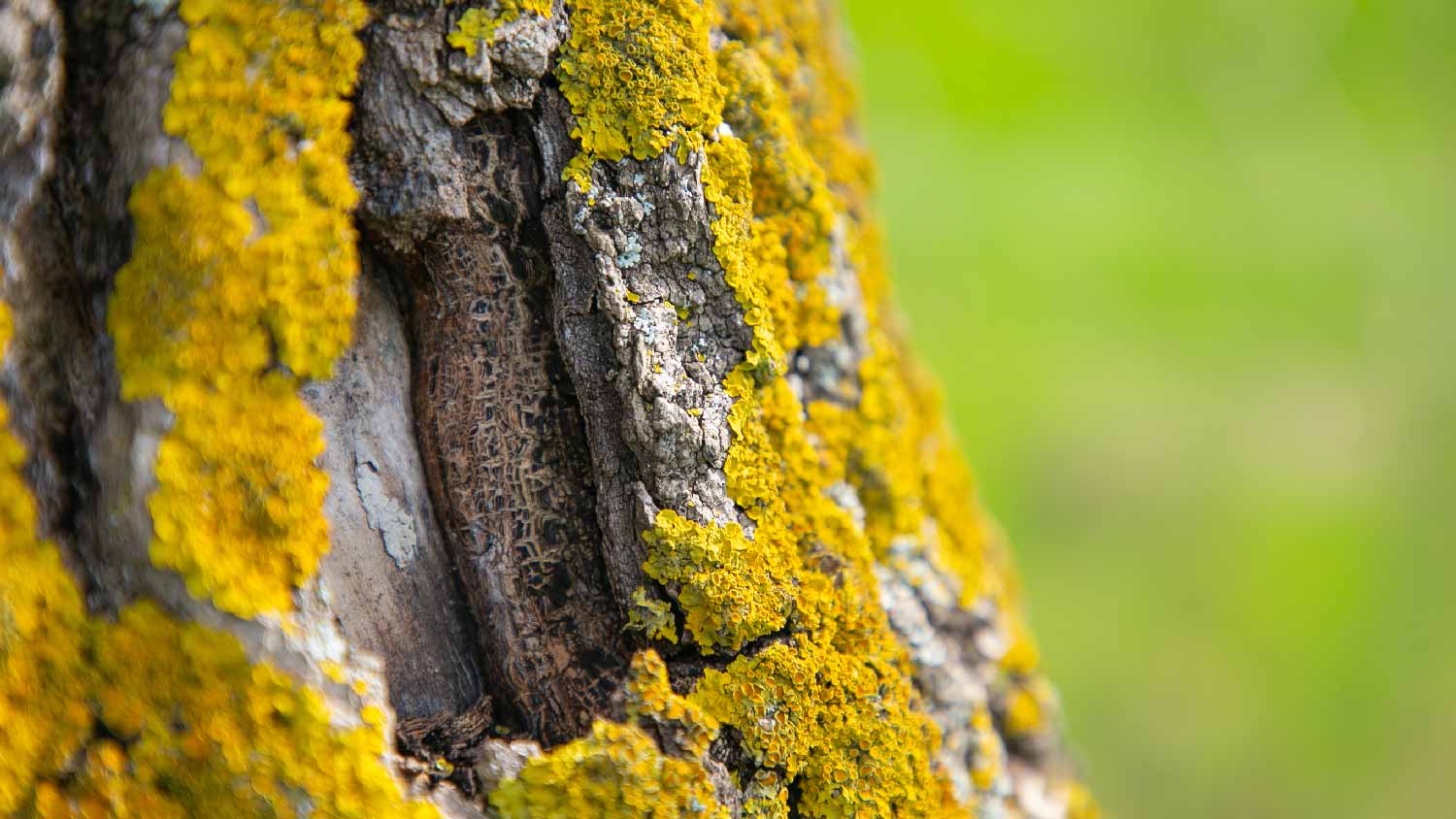
Is there something new sprouting on your favorite oak tree? Tree bark fungus identification can help you save your tree from a sneaky enemy.
Planting trees in your yard can have aesthetic, environmental, and practical benefits. But some trees are messy, invasive, or weak-wooded, and you should steer clear of them altogether. Find out about 10 trees to avoid planting in your yard and why.
Sudden oak death is a harmful tree disease that primarily infects oak trees. If your beloved oak trees are showing signs of infection, here’s what to do.
Before you plant any trees on your property, make sure to check against this list of invasive trees and learn which trees are the most problematic species.