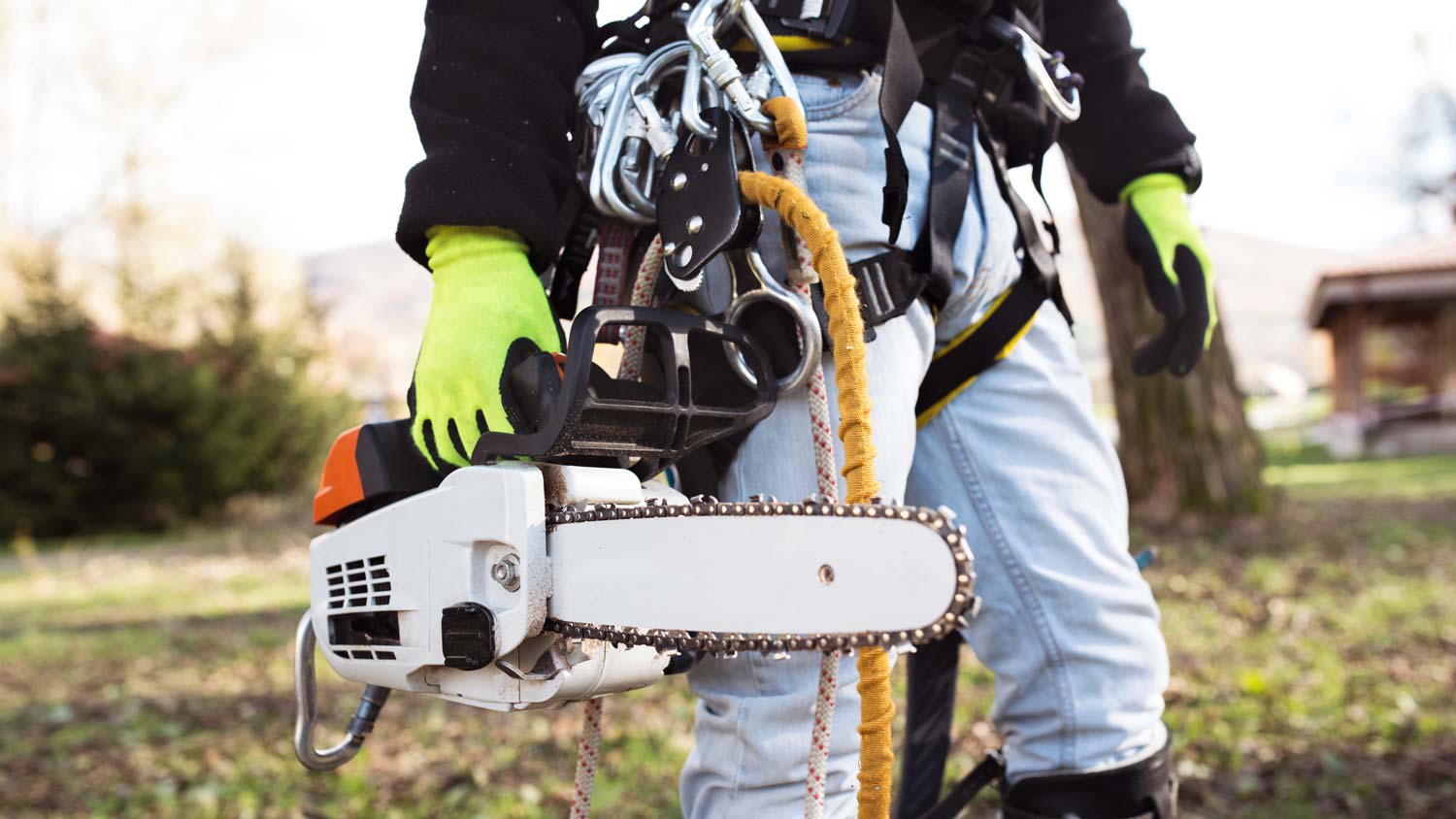
If you’re searching for people who cut down trees, look for arborists and tree cutters. Our guide will show you who to hire for tree cutting.
The science of cutting branches may be imperfect, but the laws are pretty clear

You can legally trim branches from your neighbor's tree when they hang over your property line, but cutting branches on their side risks legal penalties.
Crossing property lines to trim your neighbor's tree can result in a hefty fee ranging from $500 to $2,500, so verify boundaries before cutting.
Check your property lines carefully before trimming to avoid unnecessary costs, and start by asking your neighbor politely to handle overhanging branches together.
Hiring a local tree service professional keeps you safe and legally protected, handling branch removal and navigating property line concerns with proper equipment and expertise.
When your neighbor’s trees encroach on your yard, it can lead to a tricky scenario, especially if the branches become a hazard. So, can you trim your neighbor’s tree?
The good news is that property laws rule in your favor: You can trim your neighbor’s tree limbs if the limbs are on your property. If you get snap-happy and cross property lines, you could face a hefty fee ranging from $500 to 2,500. Learn how to avoid unnecessary costs and conflict when it comes to trimming your neighbor’s tree.
Yes, you legally can cut branches from your neighbor’s tree—so long as they are hanging over onto your property. However, that doesn’t give you free rein to do what you want to their tree(s). Considering there isn’t much more than an imaginary line extending up from the edge of your property (or a fence), you have to be very careful when trimming branches from their tree.

“Forcing” anyone to do anything, quite frankly, doesn’t really work, as most of us learn with enough life experience. Asking kindly, then citing any reasons why cutting down branches is necessary, is definitely the first step you should take, though. Politeness goes a long way here, especially if you don’t know them well or have had issues in the past.
Even in extreme circumstances—say 90% of the tree’s branches are hanging over your property—the tree belongs to your neighbor if the trunk is on their side. Frustrating, no doubt, but there are steps you can take if you find yourself in this situation.
There are a few circumstances that justify taking action, whether that means getting your neighbor to do it, hiring a local tree cutting pro, or cutting the tree branches yourself.
Cutting branches may be permissible when:
They pose a safety threat to you or your family.
Tree branches are dead, decaying, or infested with bugs that could harm other plants.
A tree or its branches look dead, which could pose a threat to your home or roof.
The overhang is bad enough that it could lower property value, especially if you’re considering selling your home.
If your neighbor cuts or damages your tree, the penalty will vary by location and situation. For example, if your tree was hanging on their property, they may have a right to clear branches within their airspace within reason without stepping over onto your property. However, if your neighbor steps into your yard and cuts or damages your tree, they will usually be required to pay a penalty (usually equal to the cost of the tree or the cost to fix the damages).
In these and all neighborly disputes, communication is key. Be sure to speak with your neighbors first before trimming or touching any trees near your property line, and speak with them calmly if they cut your tree. If a tree is a point of contention between you two, see if you can come to a resolution, such as splitting the cost of tree maintenance or discussing lawn maintenance at the beginning of the spring season.
However, if your neighbor cuts your tree and does not want to come to a resolution, you may be able to pursue legal action, whether through the city or through a civil suit, to receive payment for those damages. In this case, you’ll want to research the laws near you and speak with local officials for your best course of action.
This service was great. My air conditioner went out during the heat spell that we had. My husband has health issues and they came out that night and at 9:30pm the air conditioner was fixed and running. We are sooo very thankful, this is the company I will be using from now on and would...
 Mr. Mechanical Ohio
One of my old tall evergreen trees was suddenly leaning toward the busy street in front of my house. I submitted a request for an emergency tree inspection, and Alejandro, owner of Cajete Tree Service, contacted me immediately and arrived to look at it just 20 minutes later. We agreed the...
 Cajete Tree Service LLC
1 tree was cut down and 5 others including a large willow tree were trimmed. The Grant Tree Service men were professional and cleaned up afterwards. The cost of the 6 trees were affordable. I am very happy with the results. I would hire them again.
 Grants Tree Service
D1 Roofing delivers outstanding service from beginning to end, backed by a strong warranty and expert teams. I highly recommend them for their excellence in meeting and surpassing expectations with unmatched communication. Choosing D1 Roofing was flawless decision
 Division 1 Roofing LLC
Promptly arrived for quoting! Demonstrated superb customer service, affordable pricing, and completed service swiftly! Looking forward to the spring for our service!
 All Star Paving and Sealing
Seth was very professional, prompt in responding to queries about the work required , gave sincere advice as to what would be best for tree trimming and did the job timely.
Ace Fireplace Services' chimney sweep service is truly exceptional. They used advanced technology to ensure a thorough cleaning process, and my chimney has never looked better. I highly recommend their services.
 Ace Fireplace Services
I definitely recommend Ramonaâ s cleaning service! I have booked services with her many times and she arrives on time, ready to work and provides a great service.
 Your Cleaning Solutions LLC
Webb â s was priced well, flexible on scheduling, great with communication, and detailed in their work. Iâ ll definitely use their services again.
 Webbs Pressure and Paint LLC
Great tree company, very professional and honest. Glad we found them, they had the best pricing
From average costs to expert advice, get all the answers you need to get your job done.
If you’re searching for people who cut down trees, look for arborists and tree cutters. Our guide will show you who to hire for tree cutting.
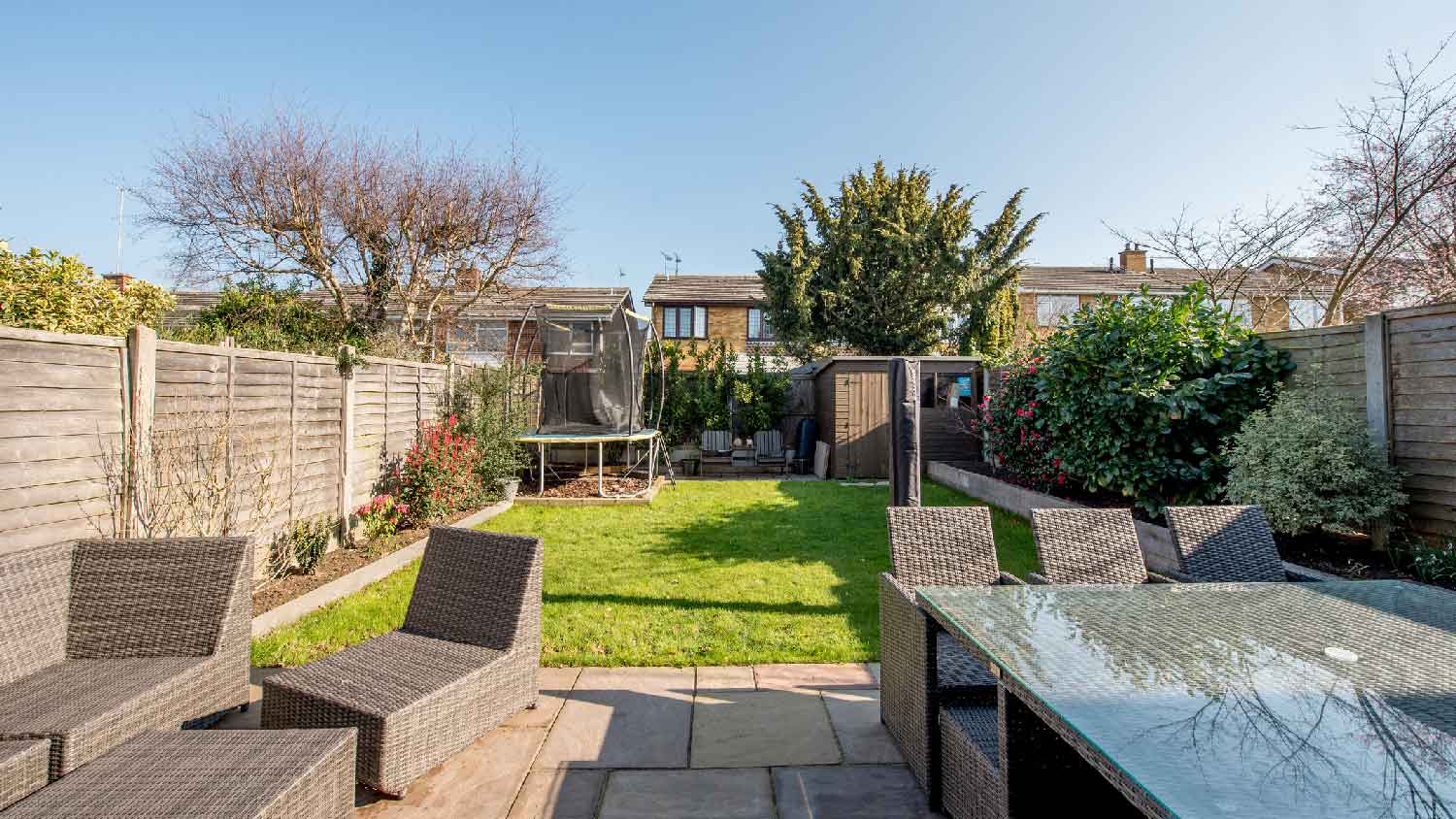
Are your neighbors’ trees making a mess of your lawn? If so, you may wonder: Can I throw neighbors’ tree branches back in their yard? Our guide has the answer.
Ready to learn how to cut down a tree in your yard? Follow this DIY guide to find out how to safely fell a tree with a chainsaw.
Not sure who to call to cut down your tree? Learn what type of company to hire and how the process works with this step-by-step guide.
Never do this when cutting down a tree. Instead, follow our guide to safely remove a diseased, dying, or overgrown tree from your property.
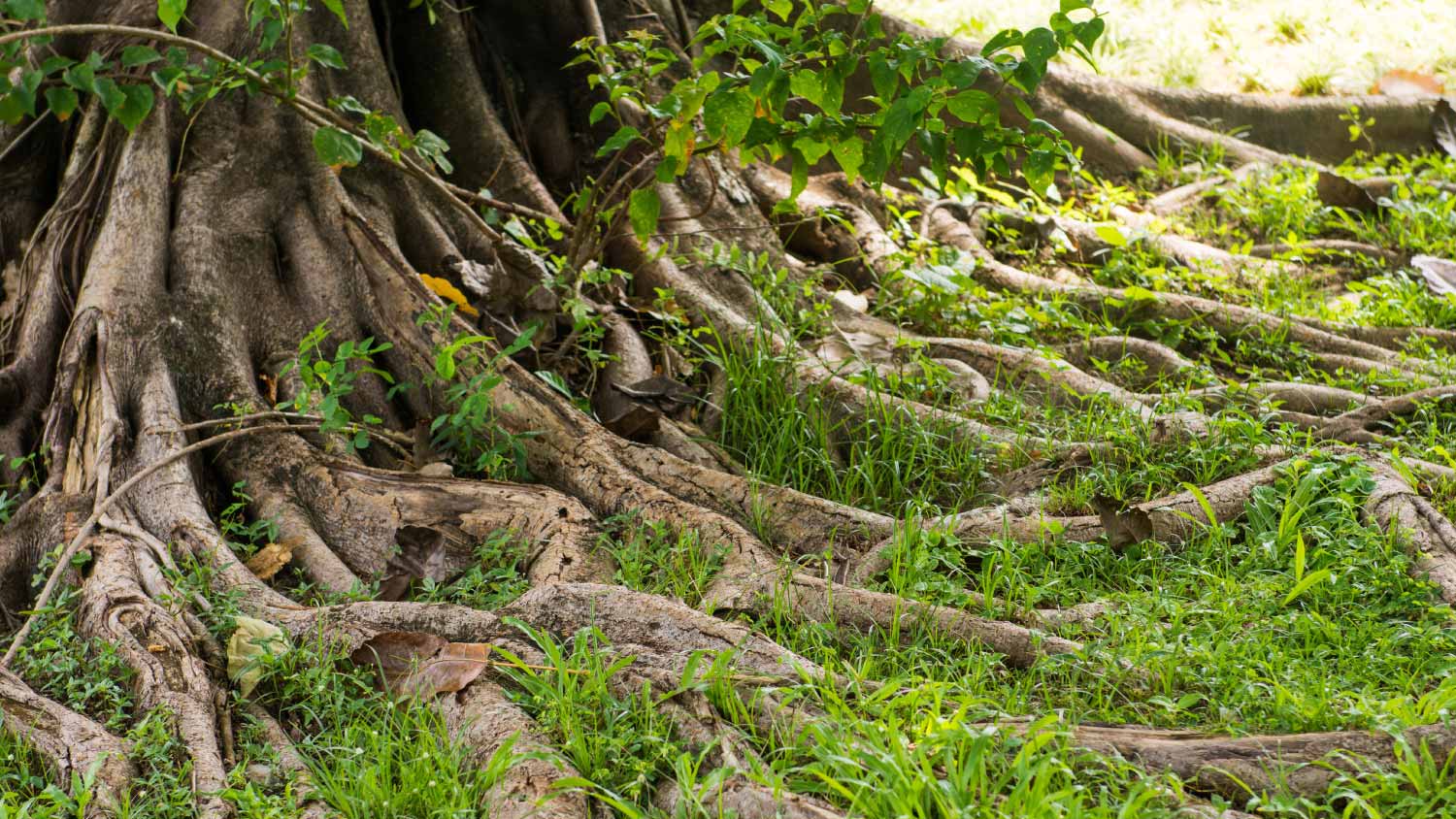
Tree roots can cause damage to pavement and push fence posts out of the ground. If you have tree roots growing over your property line, here’s what you need to know about cutting them.