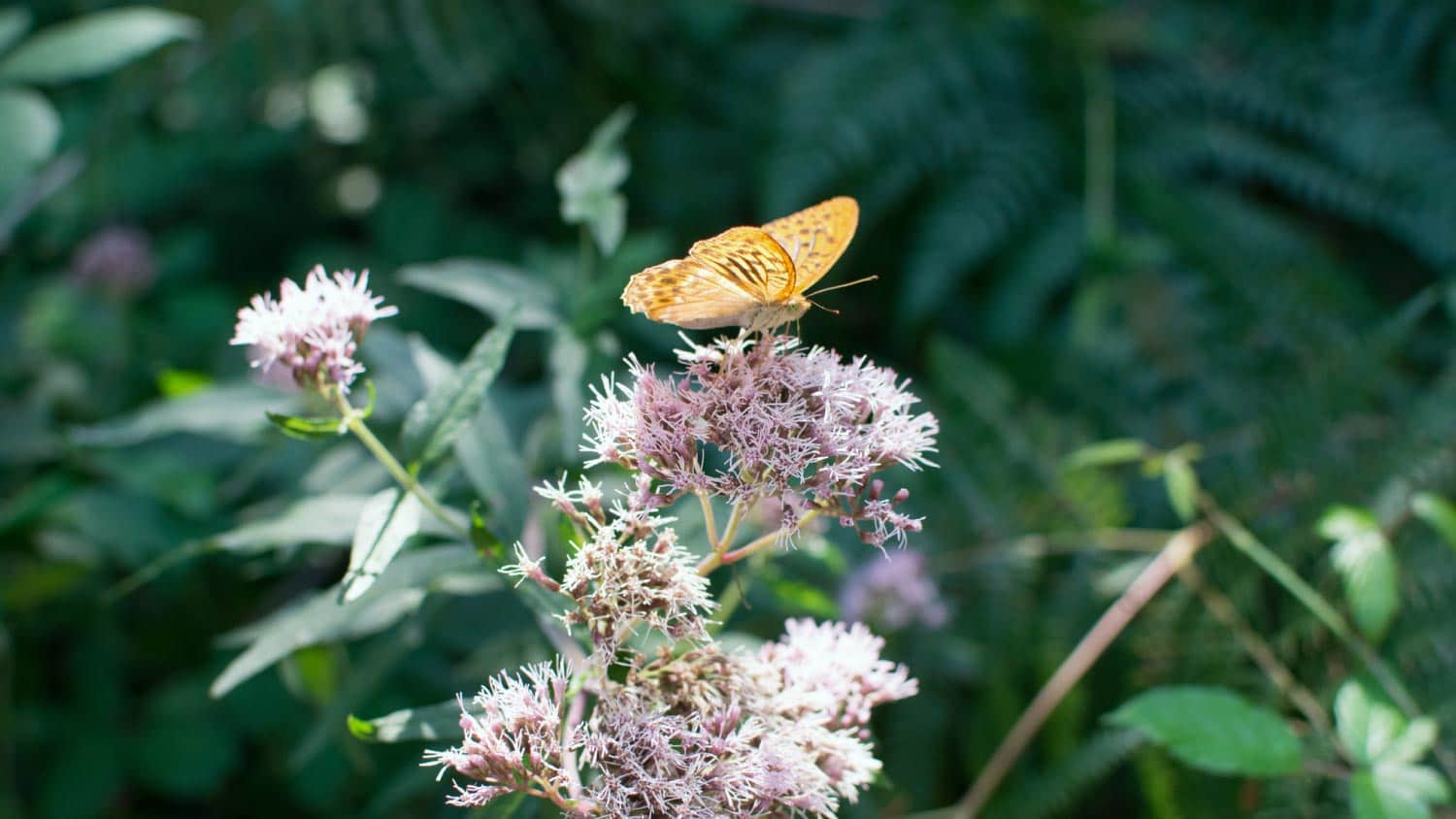
Birds, butterflies, and other pollinators make lively and beautiful additions to your outdoor garden spaces. This is what you can do to attract more of them.
A homemade butterfly feeder is an easy project you can make from everyday items

A butterfly feeder uses sugar water and colorful faux flowers to attract butterflies, helping you support over 561 butterfly species across your garden.
Your DIY butterfly feeder costs $10 to $15 for basic supplies like jars, sponges, string, and sugar, making it budget-friendly for any homeowner.
You can offer butterflies both sugar water and overripe fruit like bananas and strawberries by creating a hanging plate feeder instead of a jar.
Hiring a local garden designing professional provides helpful guidance on choosing the right flowers and plant heights to attract butterflies and pollinators to your space.
Difficulty level: 1/5 No experience? No problem.
Time to complete: 30 minutes
Cost: $10–$15 Keep it wallet-friendly.
Making a butterfly feeder is a quick, fun activity that adds a splash of color to your garden and, more importantly, attracts and supports these essential pollinators. Plus, if you have kids, butterflies provide great educational opportunities. A DIY butterfly feeder is a simple project that helps to feed some of the 561 known butterfly species in the U.S and Canada.
Choose from two different butterfly feeders: the butterfly jar feeder, which will give your winged friends a snack of sugar water, or the plate feeder that lets you offer sugar water and fruit.
Tools:
Hammer
Saucepan
Supplies:
Jar
Medium-thick nail
Sponge
Granulated sugar
Honey
Water
Faux flowers
Strin
A butterfly water feeder is quick and easy to make and works by keeping a sponge wet with butterfly nectar (aka sugar water). Just follow these simple steps.
Using the hammer and nail, punch a small hole through the center of the jar’s lid. Use a medium-thick nail, as you'll need to thread a strip of sponge through the hole in the next step.
If this is an activity for children, make sure the supervising adult takes care during this step (or maybe even preps the jar lid beforehand) to keep everyone safe.
Take the sponge and cut a half-inch-long strip. Thread this roughly halfway through the hole you made in the jar lid. Make sure it's a snug fit; otherwise, when you add the butterfly nectar, it'll run out past the sponge and make a sticky mess in the garden.
Tip: Add some water to the jar and replace the lid. Tip it upside down over the sink and give it a gentle shake. If it drips, the sponge is too small, and you'll need to cut a bigger piece and retest.
Decorating the feeder isn't just about making it look pretty; it's about attracting butterflies. Do this by using bright colors and, ideally, large, vibrant faux flowers to entice the butterflies to your feeder.
Butterfly water is just a simple sugar solution, and it's super-easy to make, however it does require adult supervision. Put a saucepan on the stovetop and add one part granulated sugar to four parts water. If you're concerned that this is too rich in sugar, then dilute it a little more—up to nine parts water to one part sugar.
Turn on the stove and bring the pan to a boil. As soon as the sugar fully dissolves, remove the solution from the heat and set it aside to cool.
Tip: You can also make butterfly water using honey. Simply dissolve one part honey in four parts warm (not hot) water and use as you would the sugar solution.
Important: Some recipes call for dyes and food colorants to make the water "pretty." However, studies show that the chemicals in dyes may be harmful to hummingbirds and some beneficial insects who will also use your feeder, so please don't use them. Decorate the exterior instead.
Tie a length of string around the neck of the jar, above the shoulder but below the threads. Cut two pieces of string, each around 2 feet long. Take one of these 2-foot lengths and tie it around the string around the jar neck. Tie the other end on the opposite side, making a loop. This makes the first half of the hanger.
Repeat this with the remaining piece, tying it at 90 degrees from the other piece so that you've got two loops, each tied at a different quarter-point around the neck of the jar. Cut a small piece of string and tie the top of the two loops together, creating an easy, secure hanger.
Once the butterfly food is cool, add it to your jar. Screw on the lid tightly and, standing over the sink, tip it upside down and let it hang from the hanger for a few seconds to make sure it's not leaking.
Take the butterfly feeding station outside and find somewhere to hang it. Remember, though, that sugar water attracts other bugs as well as hummingbirds, so don't put them too close to your house. Ideally, you want it to stand out from the rest of your plants, so try placing it at least a foot above your tallest flowers.

Tools:
Plastic plate or saucer
Scissors
Saucepan
Supplies:
String
Sugar
Water
Sponge
Overripe fruit
Faux flowers
As an alternative to the jar feeder, you can reuse a plastic plate or plant saucer to make a hanging feeder. It's just as quick and easy and lets you make use of fruits like bananas and berries that are past their prime.
(This is a job for an adult). Use scissors or a sharp knife to pierce four holes equal distance from each other around the rim of the plastic saucer or plate, one at each quarter-point. Cut two pieces of string to roughly 2 feet long. Thread one end of the first piece of string through one of the holes you just made and tie it off. Thread and tie the other end through the opposite hole.
Repeat this process with the other piece of string and the vacant holes. Cut a short length of string and tie together the two loops at the top. This should not hang evenly.
Just like the jar feeder, this one needs decorating with bright colors and faux flowers, too. Flowers, vibrant ribbons, streamers, and beads all work well to create a butterfly-attracting riot of color.
Butterflies consume nectar, which we make with sugar or honey and water and fruit juice. To give variety, you can add ripe to overripe juicy fruits like strawberries, mangoes, nectarines, watermelon, and bananas. Just chop the fruit into chunks and spread it across your feeder.
If you want, you can also add a clean dish sponge soaked in sugar or honey water, as we made for the jar feeder. Simply replace the fruit when it dries out, shows signs of mold, or starts to rot.
As with the jar feeder, hang this one from a tree branch or a hanging basket bracket that's at least a foot higher than your flowers. Give the creatures a chance to find it, then watch with delight as the butterflies come to enjoy the feast you've provided.

There are other ways to attract butterflies, birds, and other pollinators to your garden. One of the best ways is to choose the right flowers. Choose a mix of flowers of different heights, an array of colors, and a range of flower sizes, from huge, vibrant tree peonies to delicate baby's breath and lobelia. For the best flowers for your area, speak to a local garden designer who can advise you on which plants would work best in your particular space.
Custom Paint Jobs LLC made our home feel like a piece of art. Thank you for your creativity!
 Custom Paint Jobs, LLC
Window Depot did an amazing job on my deck. I wasnt sure what I wanted to do, but their composite decking was affordable and will last a long time. I am excited to have family over, and I am no longer embarrassed by my backyard. Jeff and the ground crew were polite, respectful, and caring for...
 Window Depot USA of Central Ohio
First of all, the gentleman I dealt with (Cam?) was very responsive to my many questions and concerns throughout the project, which is a huge plus to me. From the first time I met him for the estimate all the way til the completion of the job, he and his crew were professional and respectful....
 All Star Paving and Sealing
We had a 20+ year old landscape lighting system that needed replacement. Midwest Lightscapes worked with us to design a much improved lighting system, lighting the exterior of the house and the back yard. Installation of the 45 light system took one and one-half days, and went very smoothly....
 Midwest Lightscapes
Another great success for me on home advisor. This company did an awesome job on my landscaping and stayed within my budget. The best part, the work was complete within 2 days of my initial request. Professional and responsive. I highly recommend!
 Blue Ring Residential Services, LLC
The company no showed on me twice. The 2nd time was no call no show. They were responsive to set up the first appointment to perform the "landscape cleanup". 3 hours after their initial scheduled appointment time they called me to let me know they had some "problem" with the truck and their...
 Ruby Home and Hauling Services
Received ideas for future landscape plans...quote to do the work seemed a bit high but I did not have any other quotes to compare it to, so perhaps that is the going rates. <br />
 Landscapes By Terra, Inc
All around they have done a really great job. <br /> I have used JL Landscapes for the past 8 years. I own and operate my own commercial/residential real estate company where we own, operate, and maintain our own properties. JL Landscapes has been our exclusive landscaper for both our...
 J.L. Landscapes
Bought a half a cord of firewood from Pitzer with stacking last month. I waited to report so I could see how the wood burned. <br /> <br /> I have three pet peeves regarding landscapers, but Pitzer scored "A"s regarding all three. First, rather than having customers "leave a message" and...
 Pitzer Landscaping
I left a message on Sunday requesting to schedule a time to obtain an estimate/walk-through and received a return call in the morning of the following Monday. Mark worked with me and agreed to schedule the estimate/walk-through for the following Saturday. When Mark arrived for the...
From average costs to expert advice, get all the answers you need to get your job done.
Birds, butterflies, and other pollinators make lively and beautiful additions to your outdoor garden spaces. This is what you can do to attract more of them.
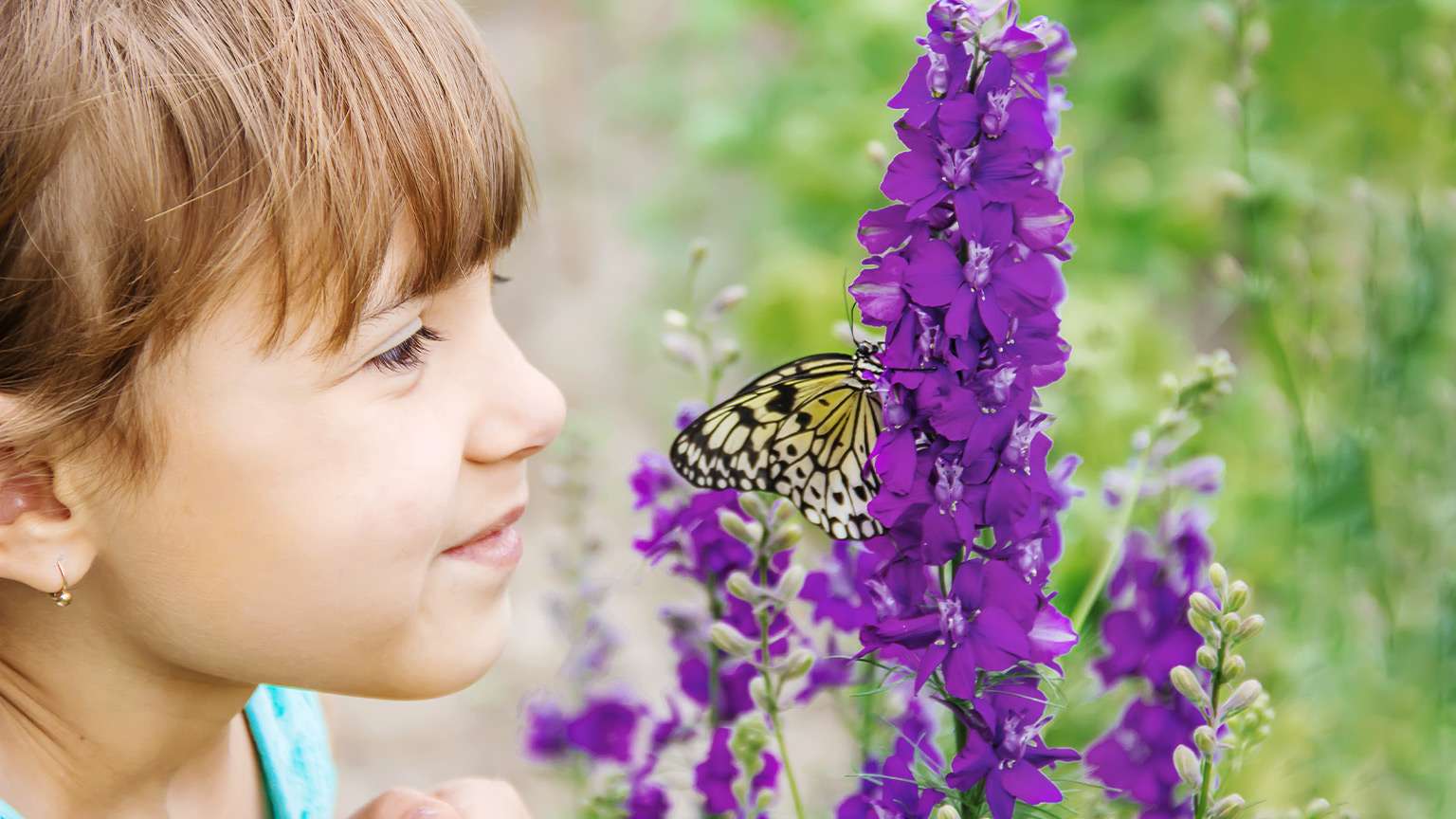
These adorable butterfly garden ideas, plants, and design tips will help you bring colorful winged visitors to your garden year after year. Then, use our printable coloring pages and garden log to get the whole family involved in your garden.
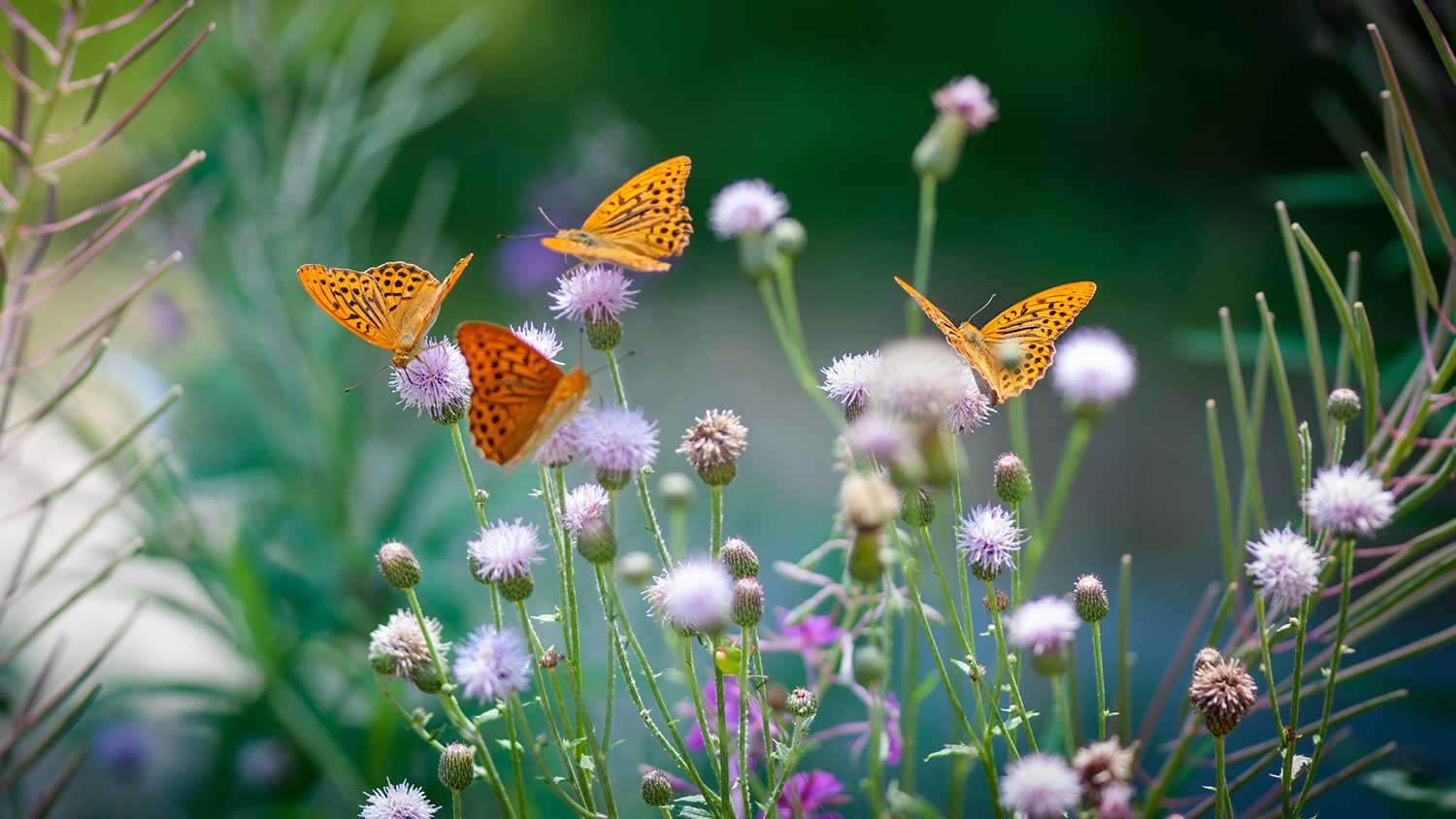
Learn all the benefits of cultivating a butterfly garden that attracts residents, whether during migration or otherwise, and what plants will attract these pretty pollinators.
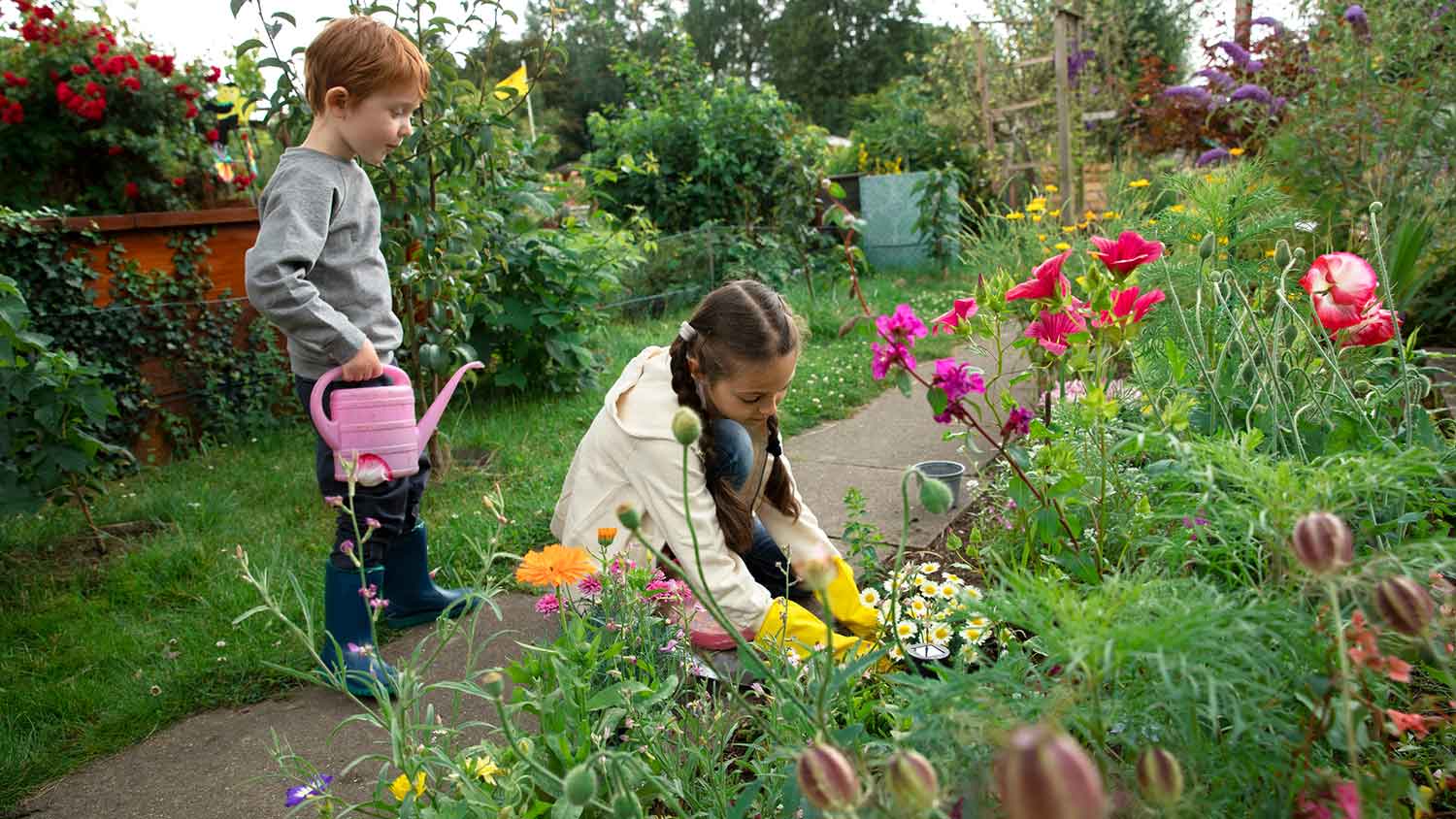
Your small garden can make a big difference in pollinator conservation. Find out how to plant for pollinators and attract native bees, butterflies, and insects.
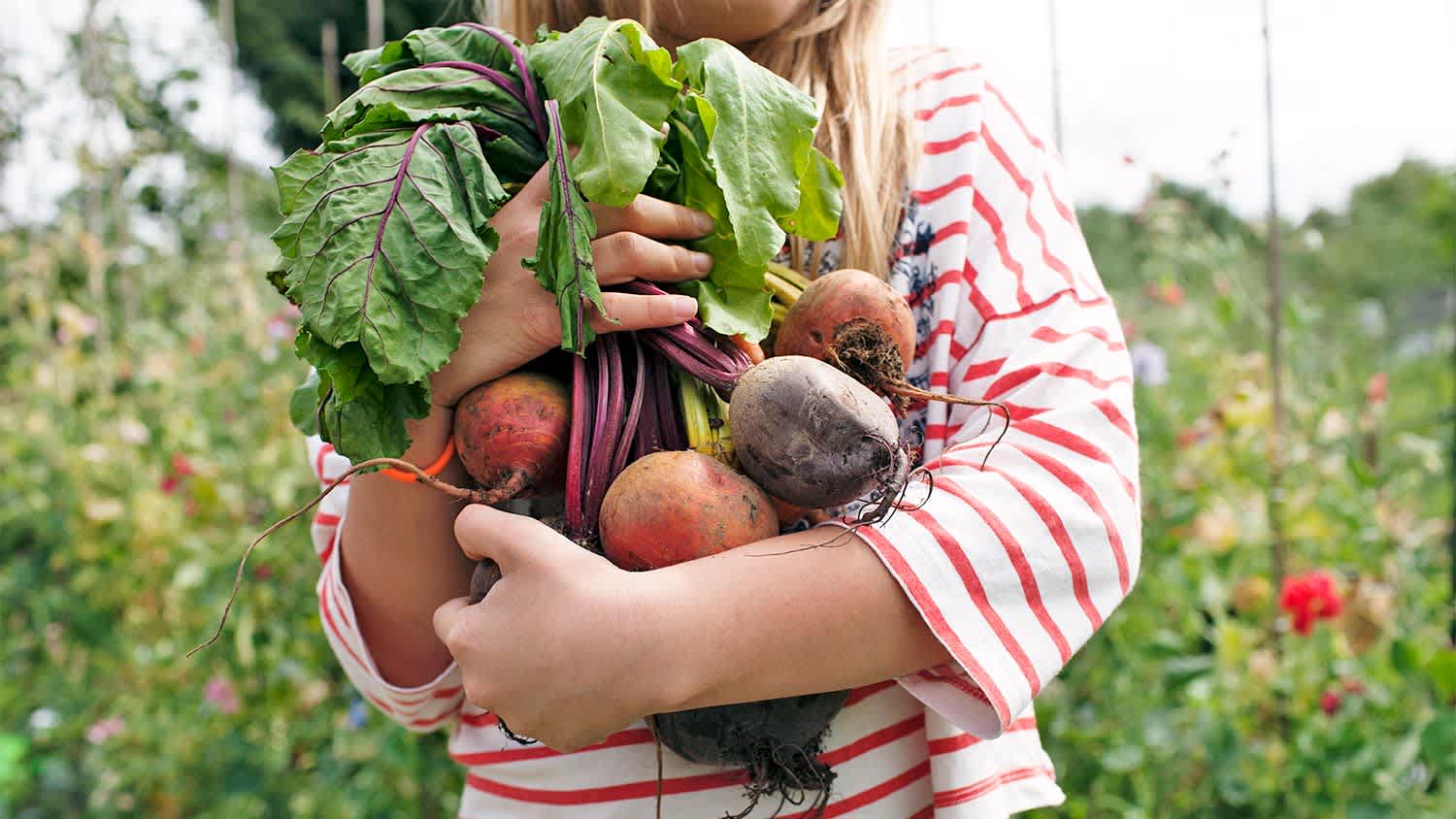
Growing a veggie garden is hard work, but pollinators can make the load lighter for you. Learn the benefits of common pollinators in your vegetable garden.

Find out how to keep unwanted animals out of your yard with these easy tips and tricks so you can enjoy your property in peace.