

Fire damage restoration costs vary widely based on the extent of the damage. Learn how to assess your home and estimate your total after a fire.
Only you can prevent house fires

Cooking accidents are the leading cause of house fires, with grease fires igniting when oil exceeds 375 degrees Fahrenheit and unattended burners creating serious risks in your kitchen.
Fire damage restoration costs range from $3,000 to $30,000 depending on severity, so preventing fires protects your home and saves you from significant repair expenses.
You can reduce fire risks by checking smoke alarms every six months, keeping space heaters away from combustibles, and scheduling annual electrical inspections for your home.
Hiring a local fire damage restoration professional provides expert help with assessment and repairs after cooking fires, electrical malfunctions, or appliance failures damage your property.
House fires are dangerous, frustrating, and expensive headaches. For instance, fire damage restoration costs anywhere from $3,000 to $30,000, depending on the severity of the damage. They are also common, with the National Fire Protection Association (NFPA) reporting 490,500 U.S. residential home fires in 2020.
Preventing fires from happening in the first place is the best way to achieve peace of mind, and a first step is learning all the ways house fires start. Here are six of the most common reasons for home fires and some basic preventive tips to keep you from contacting a local fire restoration service.
Cooking fires account for the vast majority of house fires, nearly 50% according to a 2019 NFPA report. They are also the leading cause of home fire injuries and the second-leading cause of home fire deaths. In other words, cooking-related fires are exceptionally dangerous.
But how do they start? Larger kitchen fires are typically ignited by grease fires. When cooking oil becomes hotter than 375 degrees Fahrenheit, it starts smoking, eventually bursting into flames. These flames spread around the kitchen and throughout the rest of the home. Leaving active ovens and burners unattended for long periods also contributes to some kitchen fires.
Another cooking-related danger is the humble barbecue grill, as these outdoor appliances lead to uncontrolled flames in the event of a gas leak or proximity to combustibles like dry grass.
Act fast as soon as you see wisps of smoke coming from cooking oil.
Turn off the flame and cover with a heavy metal lid.
If a small grease fire starts, pour a hefty amount of baking soda over it.
Do not use water and do not transfer the fiery pot or pan anywhere else.
For burners and ovens, keep an eye on them even when simmering for long periods of time.
Declutter and clear out any debris surrounding an outdoor barbecue before firing it up.

Portable heaters, aka space heaters, are useful for homes without central heat, but they are also the second-leading cause of home fires and home fire injuries. Space heaters that use fuel, as opposed to electricity, are especially dangerous with regards to starting house fires.
The main reason these appliances are so dangerous is not due to their inherent design, but rather that consumers don’t respect their spatial requirements. Each model is different, but they need a fair amount of space separating them from walls, piles of clothing, or anything combustible.
Familiarize yourself with the heater’s instructions and follow them to a tee. Manufacturers go through rigorous testing to come up with relevant safety guidelines.
Be careful when powering the heater on, ensuring it is far from any and all combustible objects, including bare walls.
Choose electric heaters over fuel-burning heaters, and only buy from reputable brands.
If a fire starts evacuate immediately, call the authorities, and don't waste any time trying to unplug the heater.
Faulty wiring and overburdened electrical outlets account for many house fires, with the Electrical Safety Foundation International (ESFI) reporting that electrical fires account for more than 51,000 house fires each year and over 500 deaths.
Shoddy electrical work like poorly connected circuits, loose wires, and improper grounding all contribute to house fires. Additionally, older homes lack the infrastructure to handle an overabundance of electricity, so having multiple appliances and gadgets running simultaneously could result in a strained breaker and a fire.
Contact a local electrician and schedule yearly inspections of both your electrical system and lighting fixtures, ensuring everything is up to code and safe.
If you suspect an overburdened system, don’t overload it by running multiple power-hungry appliances at once.
Replace your fire alarms every decade and replace the batteries according to instructions.

Certain appliances, particularly clothes dryers, start house fires in certain scenarios. According to the NFPA, firefighters respond to over 15,000 home fires caused by dryers and washing machines every year. Dryers with significant lint buildup and clogged ducts are at high-risk for house fires, as are washing machines with poorly insulated wiring and malfunctioning drive belts.
Just like your electrical grid, inspections are key here. Hire a local appliance repair expert to go over your dryer and washing machine with a fine-tooth comb.
Get your dryer ducts cleaned professionally each year.
Thoroughly empty the lint trap after every use of the dryer.
Replace plastic or foil accordion-style ducts with metal ducts. Accordion-style ducts sag and cause lint buildup.
Keep an eye on your drying times. Lengthened drying times, and abnormally hot clothes, indicate the appliance struggles to expel excess lint through the vents.
Chimney fires are no joke, with the Chimney Safety Institute of America suggesting these handy fixtures cause more than 25,000 fires each year to the tune of $125 million in damages.
What causes chimney fires? Most begin after a flue blockage or a significant build-up of creosote. Creosote, a distillation of tar from wood, is highly flammable, as are the materials that block chimney flues. When heat from the chimney reaches these ultra-flammable materials, a fire ignites which, left untreated, spreads to the rest of the home.
Hire a pro to clear out any buildup of creosote and eliminate any flue blockages.
Have the internal workings of the chimney inspected at the start of each winter, going for regular cleanings as recommended
Never kick-start a fire with gasoline or kerosene, use dry wood or dedicated chimney fire starters instead.
For kindling, stick to dried twigs or branches.
Extinguish the fire before going to bed each night, to avoid creosote buildup.
Leaving cigarettes, cigars, and pipes unattended may account for only 5% of house fires, but these fires are are the deadliest of all, as they represent the highest death rate when compared to all house fires, as reported by the NFPA.
Candles are not far behind, accounting for 3% of home fire deaths. Why are smoking and candles so dangerous? They are essentially open flames and start fires whenever coming into contact with combustible or flammable materials.
Smoke outside, if possible, and never smoke while laying down, to prevent accidental naps.
Stay away from flammable items of furniture while smoking.
Don’t ash your cigarettes or cigars in the trash, as hot ash ignites when contacting flammable materials.
Never leave lit smoking materials unattended.
Keep an eye on lit candles and extinguish them before leaving the room or going to bed.
Make sure candles stay at least 12 inches away from flammable materials.
Consider other options instead of candles, like battery-operated flashlights.
I recently had Mosby Electric perform an electrical installation on 8-14-2026, and I couldn’t be more satisfied with the service. From the moment I called, their team demonstrated fast arrival and professionalism. The electricians were highly knowledgeable, completing the installation...
 Mosby Electric
Great company! Price was competitive, technician showed up on time and completed the job (exterior electric Radon fan replacement) quickly. Would hire them again.
 MaGen Property Inspections and Radon Mitigation
I conferred with 2 other contractors before Armstrong Electric. Nick and his crew showed me that the project was not as convoluted as the other contractors made it appear to be. They completed the entire project on time. They were professional, friendly and cleaned up after at completion. I...
 ARMSTRONG ELECTRIC, LLC
The techs on my project, Shawn and Cliff, were great. They were prompt, courteous, and efficient. I am very happy with the results and would definitely contact Mr. Electric for any future electrical projects.
 Mr. Electric of Columbus
Victor was wonderful. He was on time, professional, and explained everything he was doing. He was thorough and figured out that the problem was electrical instead of with my HVAC system. Very knowledgeable. I will be using this company in the future for any HVAC needs. Thanks!
 Hubbs Heating & Air LLC
They were excellent. They did a great job. I was totally satisfied. They put tremendous effort in making sure the work was completed. They were great. They provided immediate response to any inquires I made. I would hire them again. I would recommend them to anyone who needs electrical work....
 JCB & Associates, LLC DBA Property-Tech Industries
Initially, the repairman could not find the problem. Apparently, there was some electrical shortage, but he could not find the definite problem. He left, but called back later to say he had a new idea. He returned and replaced the light switches on the doors. The refrigerator seemed to return...
 Appliance Pro LLC
The initial quoted price from a walk-through seemed high, but we discussed that the quote represented worst case scenario (re-wiring to two floors) and we were excited about the opportunity to have the work done in a timely manner with closing for fire safety reasons, etc. When the job was...
I have to tell you I am all about customer service - I will go out of my way and even pay more for it if you give me great customer service. <br> <br>In a world where this is hard to find, these guys were awesome! I can not sing their praises enough. They were prompt, personable, funny, got...
 Waibel Electric
When I challenged the markup on the generator, Bruder Electric withdrew its bid. They only want naïve customers.
From average costs to expert advice, get all the answers you need to get your job done.
Fire damage restoration costs vary widely based on the extent of the damage. Learn how to assess your home and estimate your total after a fire.

The damage after a fire can be widespread and challenging to deal with. Here are all some common causes of fire damage and how to address each of them.
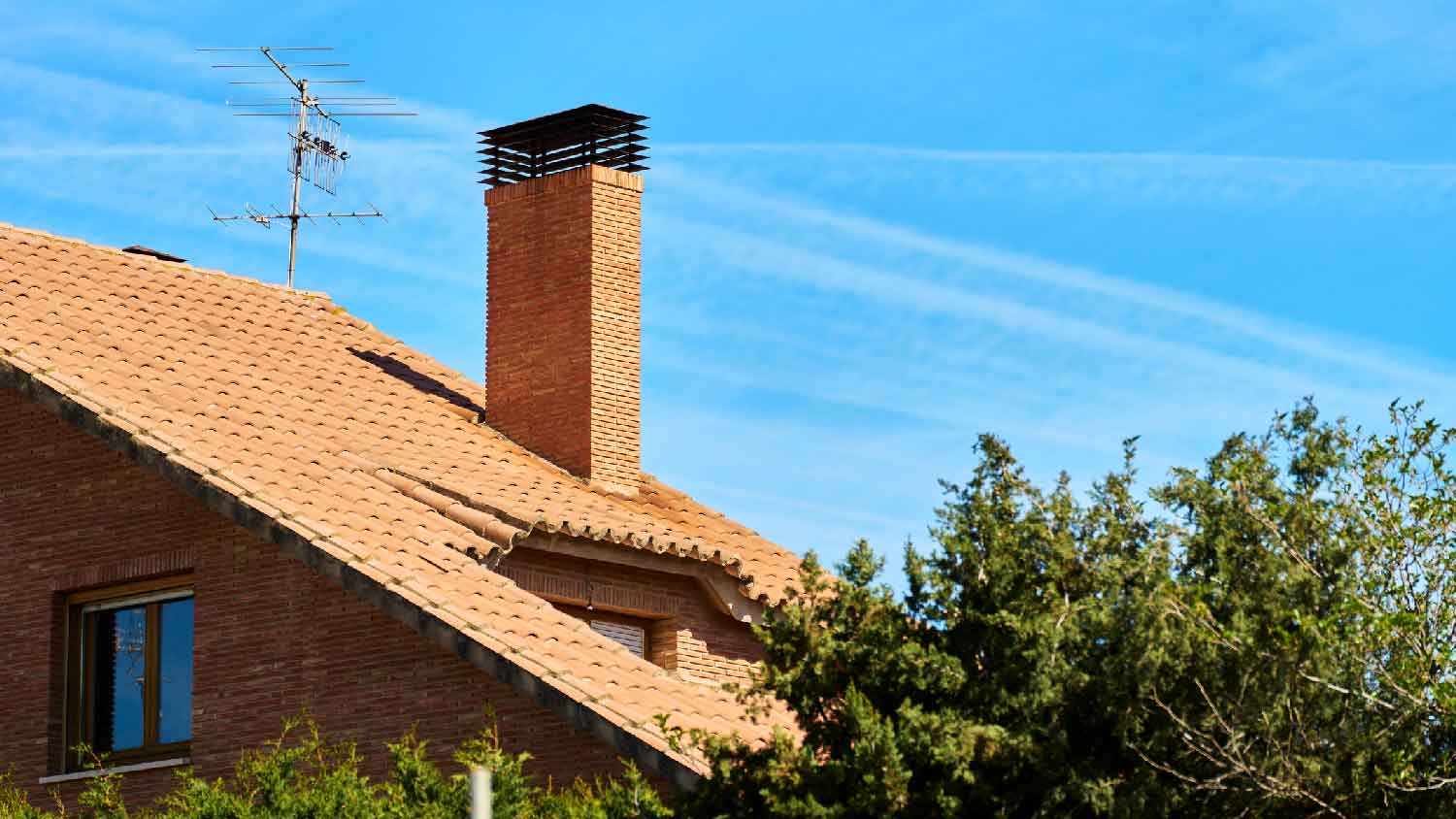
If you have a wood-burning fireplace, it’s important to understand what causes chimney fires so you can reduce the risk of a fire in your home.
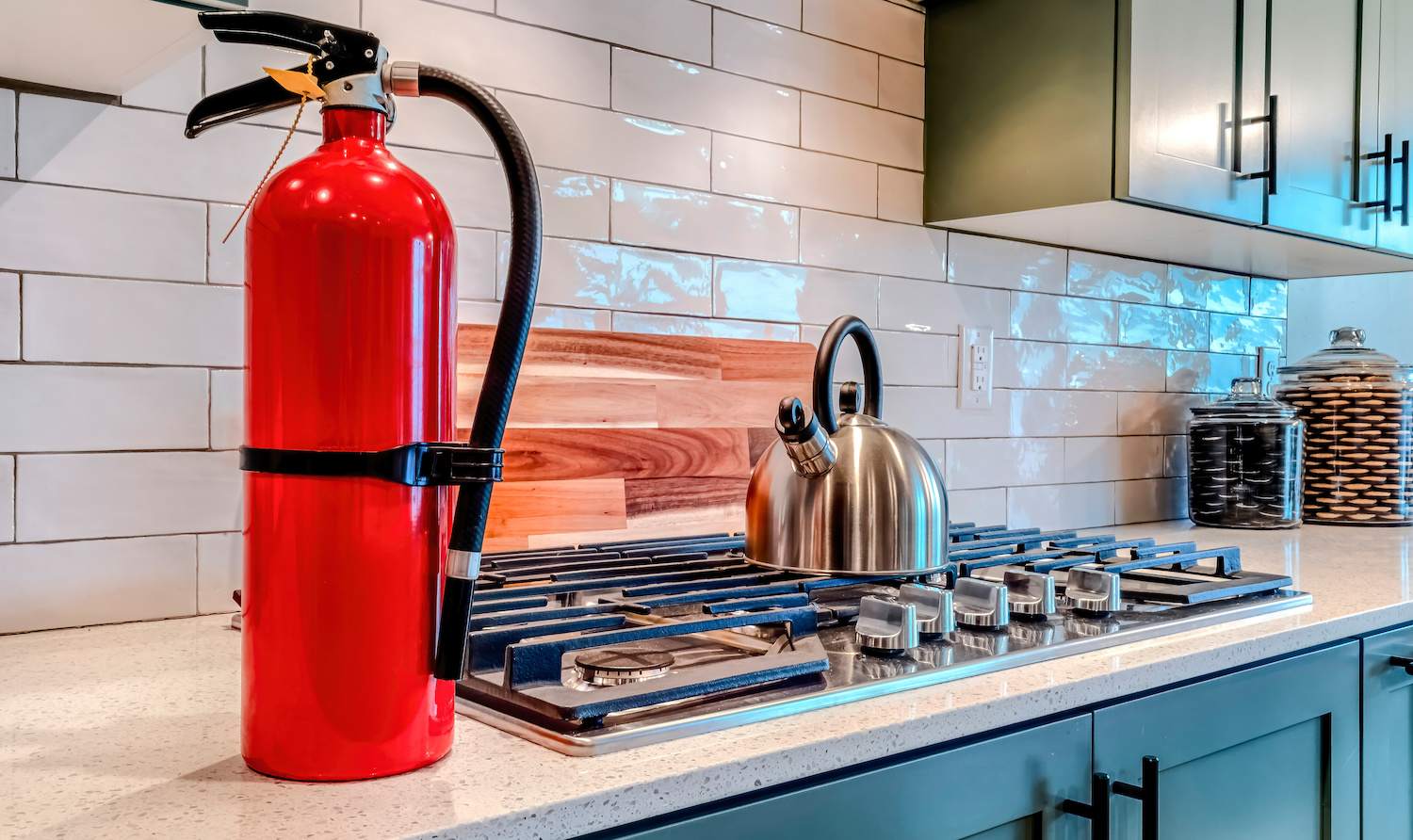
Fire is fast and unexpected. But homeowners need to identify potential risks and be prepared for any emergency. Learn more about fire behavior, how long it takes to burn a house down, and why newer homes burn faster than a few decades ago.
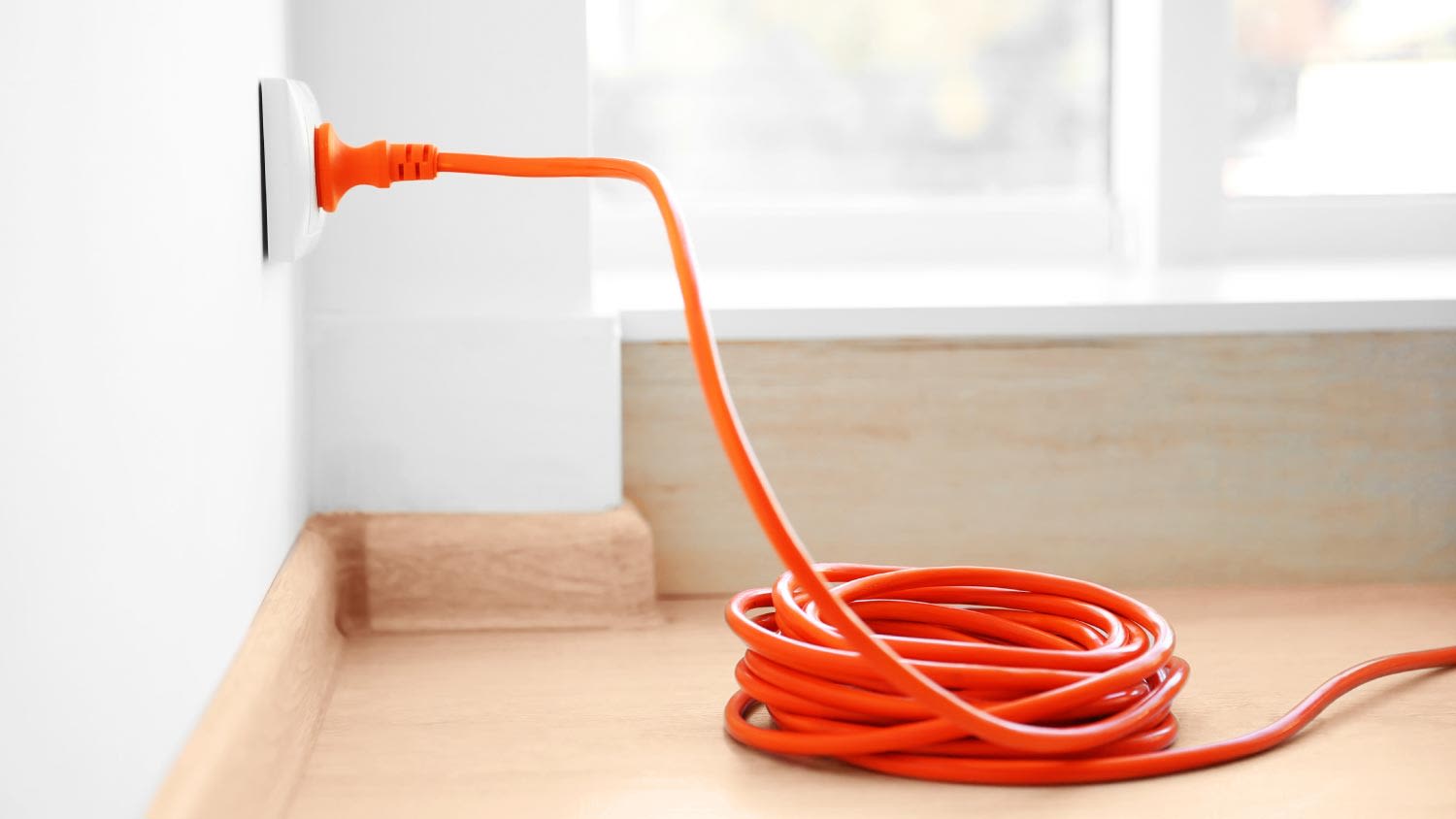
When it comes to fire safety, you may not be aware of all of the hazards around you. We break down some unexpected fire hazards in your home.
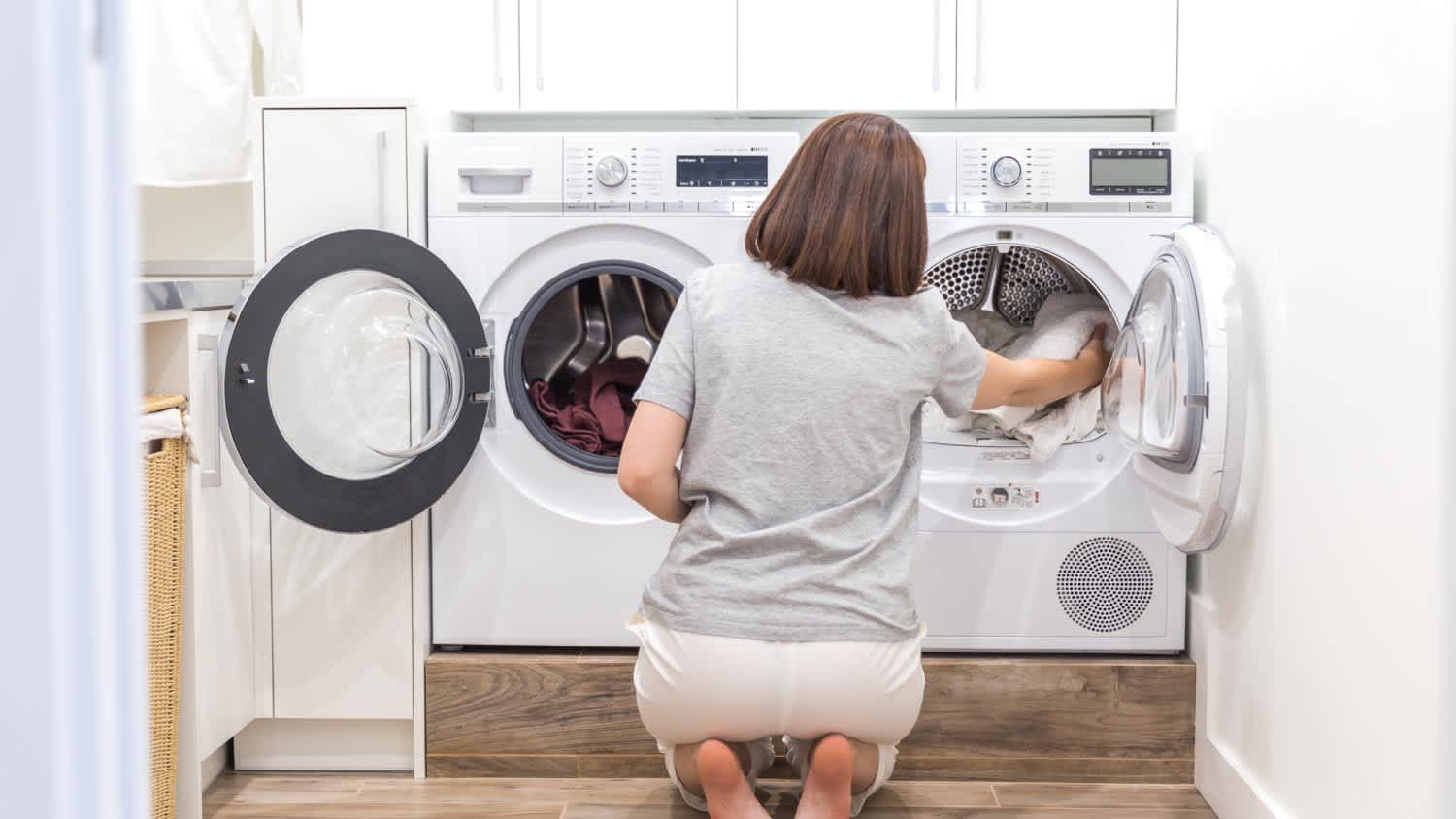
Dryer fires are scary, but they are also largely preventable. Here are seven causes of dryer fires and how to prevent them from happening.