





Top-rated excavation pros.

Get matched with top excavation pros in Natrona County, WY

Enter your zip and get matched with up to 5 pros

Need a pro for your excavation project in Natrona County, WY?

Select your specific project to find the pro for you.

Find Excavation pros in Natrona County

Showing 1-10 of 19
Excavating questions, answered by experts

Concrete blocks are the cheapest way to base a shed. However, the space in between allows critters to go under, burrow, and even damage your shed’s frame. For a more pest-proof option, consider building a shed base with gravel or paver stones. Both options are fairly affordable and easy enough for a DIY project. For gravel, you can build a wooden frame to contain the loose material.

Yes, chipmunk holes may have two or more entrances. Chipmunks can create an entire network of burrows. Having multiple entrances makes it easier for them when trying to escape from a predator, such as a snake, or if an entrance collapses due to flooding. Each entrance leads to the nesting chamber underground, which is where the chipmunk spends the majority of its time sleeping.

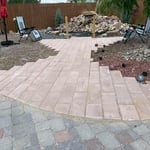
Hardscaping often requires preparation of the ground in the area where the feature is being installed. This can include digging, compacting, and leveling the soil, ensuring adequate drainage, and removing any existing plants. The extent of preparation needed will depend on the type and size of the hardscaping feature being installed.

No, a ditch isn’t a trench. A ditch is an open, relatively shallow channel that’s carved out of the ground and used for drainage purposes. In contrast, a trench is a deeper excavation that’s entirely underground. Trenches have many uses, including gas lines, sewage systems, and electrical wiring. Unlike trenches, ditches don’t get filled back in with dirt after they’re dug.

Water lines are buried at various depths, depending on the type of line. For example, most sprinkler lines are buried between four and 12 inches underground. On the other hand, water mains usually sit between one and 3 feet below ground. However, they can go even deeper in cold climates to prevent freezing.

The Natrona County, WY homeowners’ guide to excavation services

From average costs to expert advice, get all the answers you need to get your job done.