






Top-rated excavation pros.

Get matched with top excavation pros in Douglas, WY

Enter your zip and get matched with up to 5 pros

Need a pro for your excavation project in Douglas, WY?

Select your specific project to find the pro for you.

Find Excavation pros in Douglas

Avatar for Cothren Plumbing & Construction
Cothren Plumbing & Construction
5.0(
10
)

Serving Douglas, WY and surrounding areas

In business since 2013

Free estimates

Emergency services offered

"When we were having issues with our rentals plumbing, we reach out to Alex and he did not hesitate to come over and find out the issue. Knowing very well we could not do it ourselves, we hired him to get it done. Not only was he courteous and knowledgeable, he was able to fix our backing up problem swiftly. He is very professional, the work he provided fixed our issues in a timely manner and his rate was very resoanable. I highly recommend Cothren Plumbing and construction for any of your needs!"
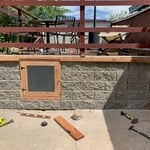
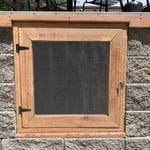
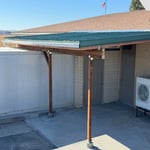
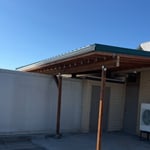
Lovell Senior Center
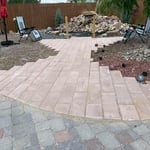
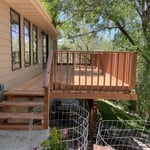
New Deck & Concrete
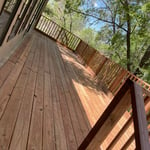
New Deck & Concrete
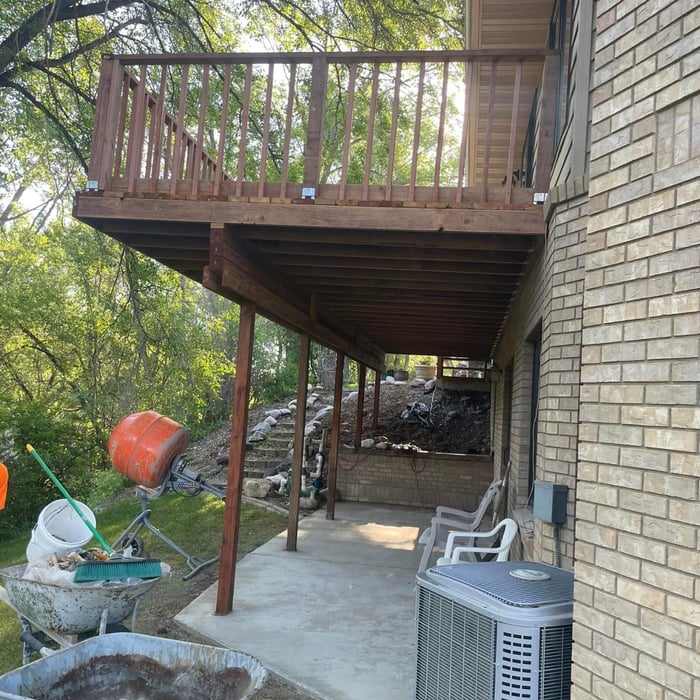
New Deck & Concrete

+2

Response time3 hrs
Response rate100%
Showing 1-10 of 29
Excavating questions, answered by experts

Septic drain lines (or leach lines) are typically buried between 18 and 36 inches underground, and should be at least 6 inches below the surface. These pipes are perforated and surrounded by filtering materials like sand or gravel. Burying the lines at this depth helps minimize odors and allows bacteria and other biological processes in the soil to effectively treat the wastewater. Burying lines too close to the surface can cause issues unless the soil is very compact and stable.

Errors in site preparation can lead to structural failures or appear costly midway. Professionals ensure detailed, reliable home base development layouts.

Excavation is priced in cubic yards, so you’ll need to find the volume of the area in order to calculate costs. Multiply the length, width, and proposed depth of your excavation site, then convert it into yards to get the volume. Multiply this figure by the price per cubic yard.

Most homeowners can measure by hand to get a rough estimate, even if it’s tedious. You may want to pull out a tape measure or use a string to help mark the area.

A trench that is less than 5 feet deep often doesn't require a protective system. Most residential trenches will not go this deep (the typical residential drainage trench is just 18 inches deep). In the event that an excavator needs to dig more than 5 feet beneath the surface, a protective system is required unless the excavation is in entirely stable rock.

Tree experts don’t advise against digging through tree roots, but instead encourage caution and consultation with a local arborist to make sure you don’t damage the tree’s structure or interrupt its water or nutrient intake. An arborist can recommend specific practices when digging and help prune the roots or dig a trench for utilities with a tool that can remove soil without touching the tree’s roots.

The Douglas, WY homeowners’ guide to excavation services

From average costs to expert advice, get all the answers you need to get your job done.