


Top-rated excavation pros.

Get matched with top excavation pros in Gillette, WY

Enter your zip and get matched with up to 5 pros

Need a pro for your excavation project in Gillette, WY?

Select your specific project to find the pro for you.

Find Excavation pros in Gillette

Avatar for Cothren Plumbing & Construction
Cothren Plumbing & Construction
5.0(
10
)
Excavation - Major Grading or Resloping

Serving Gillette, WY and surrounding areas

In business since 2013

Free estimates

Emergency services offered

"Alex was efficient, professional and friendly and arrived as soon as he could get here. We were having sewer trouble and he stayed to see that the problem was fixed and we were no longer having problems with the sewer, even though it was after dark before he packed up his tools. We would definitely recommend Cothren Plumbing and Construction for any of your construction or plumbing needs."
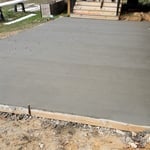
Lovell Senior Center
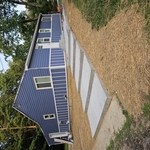
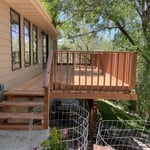
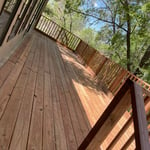
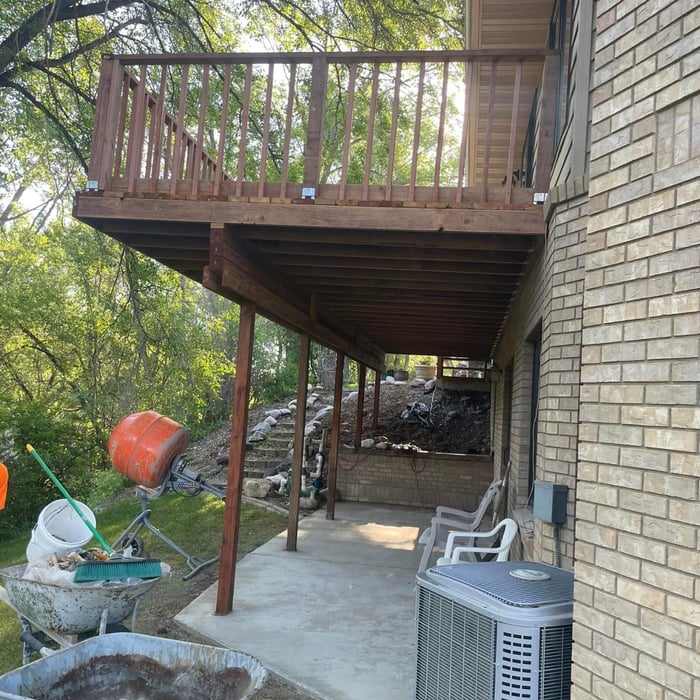
New Deck & Concrete
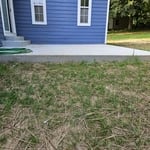
New Deck & Concrete
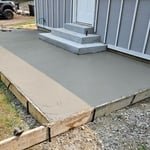
New Deck & Concrete

+2

Response time3 hrs
Response rate100%
Showing 1-10 of 33
Excavating questions, answered by experts

Hardscaping often requires preparation of the ground in the area where the feature is being installed. This can include digging, compacting, and leveling the soil, ensuring adequate drainage, and removing any existing plants. The extent of preparation needed will depend on the type and size of the hardscaping feature being installed.

A perc test can take anywhere from one to eight hours to complete. The total time depends on factors like the amount of excavation required, the depth and width of the holes, and whether multiple test holes are needed. For a single hole, the process of filling it with water and monitoring the drainage rate usually takes less than an hour. Professionals can often complete the entire test in a single day. While it's possible to get results the same day, some companies may take a few days to provide the official report.

Trenching and boring are two distinct methods for installing underground utilities. Trenching involves digging a channel using equipment like an excavator, trencher, backhoe, or shovel. While it is a simpler process, it causes significant disruption to the surface, landscaping, and surrounding ecosystems.

Boring, also known as directional boring, is a less invasive alternative that uses a drill to create a tunnel for utility lines without disturbing the surface. This method is more precise and is ideal for installations that need to go underneath buildings, roads, or bodies of water. Although boring is less disruptive, it is generally more expensive than trenching.

Sewer lines can be buried anywhere from 18 inches to 8 feet deep, with a common average depth between 18 and 30 inches. The exact depth depends on local factors like climate and soil type. In colder regions, pipes must be buried deeper (below the frost line) to prevent freezing, sometimes as deep as 8 feet. The digging depth can also impact the cost of sewer line replacement. To find the specific depth for your property, you can check the building plans for your system, which should be on file with your city or local sanitation department since permits are required for installation.

If you’re planning to dig on your property, you’ll need to check for underground utility lines. Call the national call-before-you-dig 811 number. Once connected to an operator, you can schedule a site visit to mark underground lines. This way, you won’t accidentally dig into pipes and can cause major (read: costly) issues.

The Gillette, WY homeowners’ guide to excavation services

From average costs to expert advice, get all the answers you need to get your job done.